Product Description
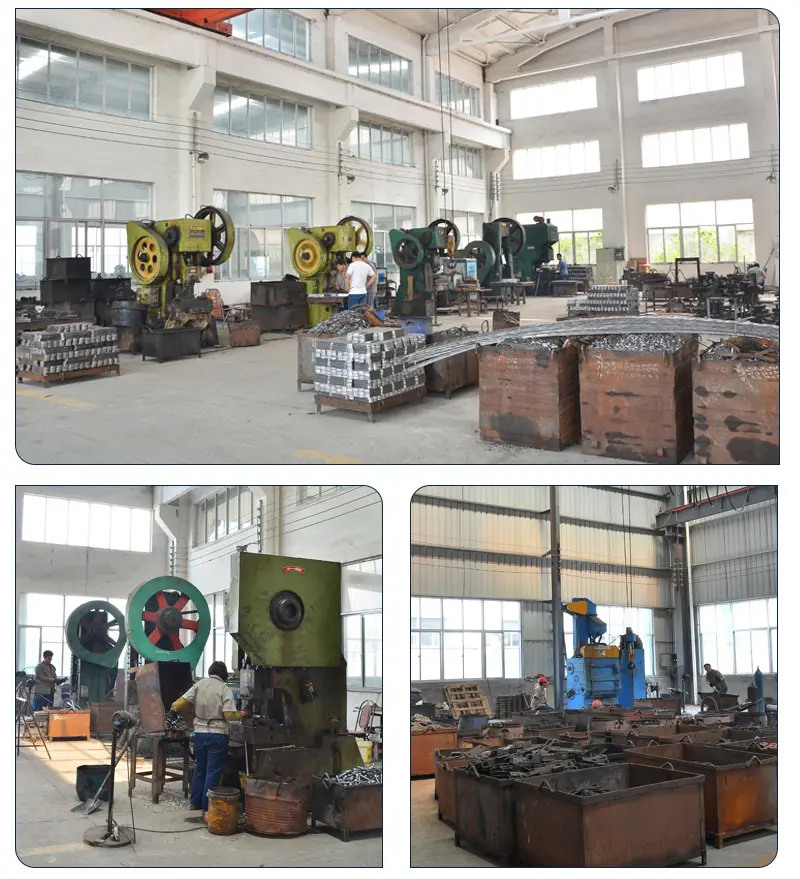
About Factory
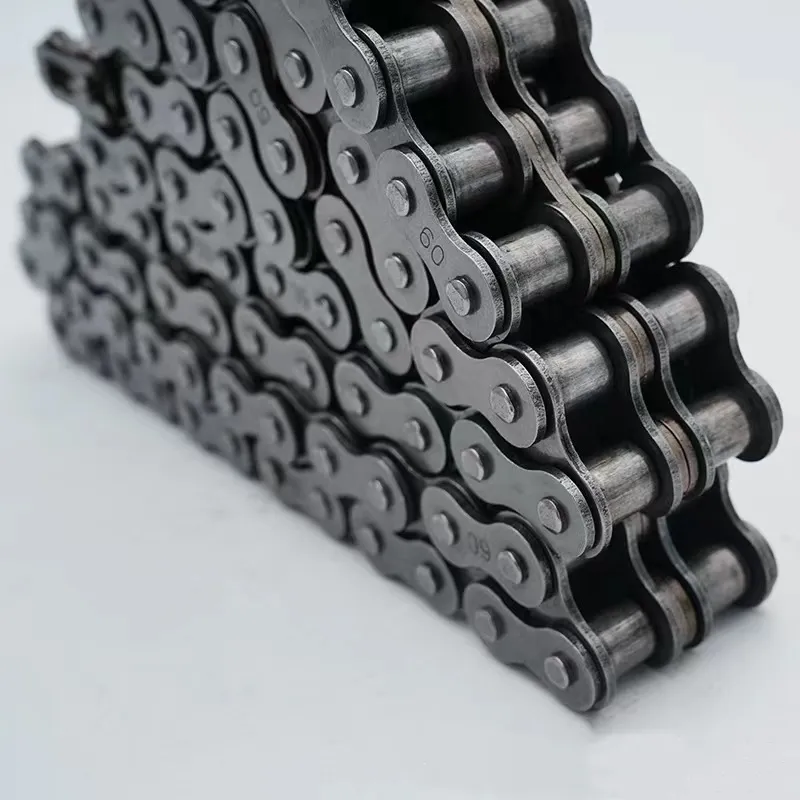
With more than 18 years’ histiory, we are a professinal manufacturer for drop forged products such as forged chain (X348 X458 X658 X678 X698 F100 F160), scraper chain (10160, 14218, 14226, 142N), conveyor trolley (X348, X458, X678, XT160), and drive chain (X348, X458, X678), and so forth standard moulds of chain.
Besides, we can also produce as per your drawing or sample, special link chain, pusher, pin and plate, according to customers’ unique requirements.
Product Description
1) Material: Alloy steel, 40Cr, 42CrMo and so on.
2) Types: Standard types, X348 X458 X678, and so on. (Or as per your drawing)
3) Process: Moulding→Forging→Polishing & Blasting→Fine machining→Heat treatment→Blasting→Inspecting & testing→Packing
Product Show
Technical Data
| Model | Dimension | Weight (Kg) | Material | Hardness | Working Load (KN) | Limit Load (KN) | ||||||
| P | T | C | S | F | R | D | ||||||
| 10160B | 101.6 | 24 | 36 | 13 | 14 | 6 | 14 | 0.32 | 20CrMnTi | Surface HRC56-64° Depth 0.6-1.2mm |
18 | 100 |
| 10160 | 101.6 | 30 | 36 | 13 | 14.5 | 9 | 14 | 0.36 | 20CrMnTi | Surface HRC56-64° Depth 0.6-1.2mm | 21.6 | 120 |
| 14218 | 142 | 42 | 50 | 19 | 20.5 | 11 | 25 | 1.15 | 20CrMnTi | Surface HRC56-64° Depth 0.6-1.2mm | 48.6 | 270 |
| 14226 | 142 | 62 | 50 | 28 | 30 | 15 | 25 | 1.75 | 20CrMnTi | Surface HRC56-64° Depth 0.6-1.2mm | 61.2 | 340 |
| 2571 | 200 | 66 | 60 | 30 | 32 | 18 | 30 | 2.8 | 20CrMnTi | Surface HRC56-64° Depth 0.6-1.2mm | 72 | 400 |
| 26014 | 260 | 70 | 75 | 31 | 33 | 20 | 34 | 5.2 | 20CrMnTi | Surface HRC56-64° Depth 0.6-1.2mm | 135 | 750 |
| 142N | 142 | 43 | 50 | 19 | 22 | 12.5 | 25 | 1.2 | 40Cr | Quench HRC36-44° | 75.6 | 420 |
| 150D | 142 | 42 | 50 | 19 | 20.5 | 11 | 25 | 1.15 | 40Cr | Quench HRC36-44° | 75.6 | 420 |
| MG20 | 200 | 70 | 50 | 27 | 29 | 17 | 35 | 3.78 | 40Cr | Quench HRC36-44° | 144 | 800 |
| MG20B | 200 | 70 | 50 | 27 | 29 | 17 | 30 | 3.82 | 40Cr | Quench HRC36-44° | 140.4 | 780 |
| MG20C | 200 | 70 | 50 | 27 | 29 | 17 | 28 | 3.85 | 40Cr | Quench HRC36-44° | 122.4 | 680 |
| MS32 | 200 | 42 | 50 | 20 | 22 | 12 | 25 | 1.4 | 40Cr | Quench HRC36-44° | 75.6 | 420 |
| MS55 | 200 | 80 | 70 | 35 | 38 | 25 | 28 | 4.36 | 40Cr | Quench HRC36-44° | 138.6 | 770 |
| 3006 | 200 | 65 | 70 | 30 | 33 | 24 | 32 | 3.6 | 40Cr | Quench HRC36-44° | 160.2 | 890 |
| MS63 | 250 | 70 | 80 | 30 | 33 | 20 | 32 | 4.93 | 40Cr | Quench HRC36-44° | 147.6 | 820 |
| S16 | 100 | 30 | 27 | 15 | 16 | 8 | 14 | 0.3 | 40Cr | Quench HRC36-44° | 16 | 88 |
| S20 | 125 | 34 | 33 | 17 | 18 | 8 | 17 | 0.37 | 40Cr | Quench HRC36-44° | 19.4 | 108 |
| S25 | 160 | 48 | 39 | 23 | 25 | 13 | 20 | 1.28 | 40Cr | Quench HRC36-44° | 55.8 | 310 |
| S30 | 142 | 46 | 49 | 22 | 23.5 | 14 | 25 | 1.3 | 40Cr | Quench HRC36-44° | 91.8 | 510 |
| Z16 | 100 | 40 | 35 | 18 | 20 | 12 | 17 | 0.4 | 40Cr | Quench HRC36-44° | 32.4 | 180 |
| Z20 | 125 | 50 | 46 | 24 | 26 | 15 | 20 | 0.67 | 40Cr | Quench HRC36-44° | 59.4 | 330 |
| Z20D | 125 | 52 | 60 | 24 | 26 | 16 | 26 | 1.15 | 40Cr | Quench HRC36-44° | 82.8 | 460 |
| Z25 | 160 | 58 | 55 | 28 | 30 | 18 | 25 | 2.25 | 40Cr | Quench HRC36-44° | 82.8 | 460 |
| Z25D | 160 | 66 | 64 | 29 | 31 | 22 | 28 | 2.6 | 40Cr | Quench HRC36-44° | 120.6 | 670 |
| Z30 | 142 | 64 | 50 | 29 | 30.5 | 18 | 25 | 1.8 | 40Cr | Quench HRC36-44° | 111.6 | 620 |
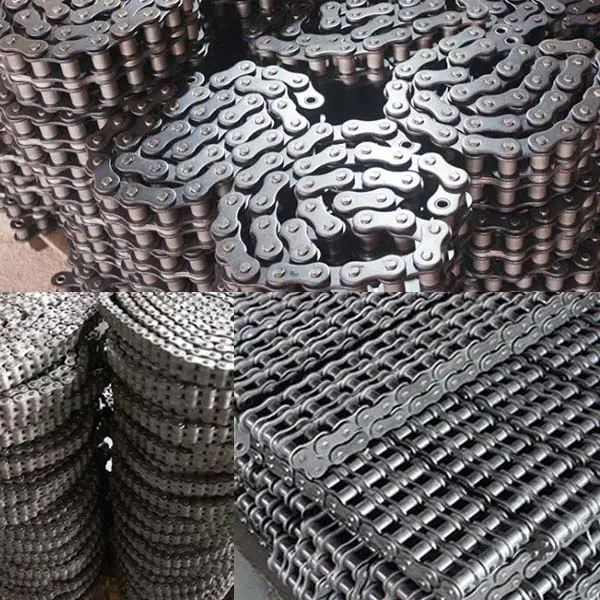
Products & Testing Equipments
Products Application
Packing & Delivery
Why Choose Us?
1. We are engaged in chain industry over 15 years with rich market experience. We keep improving production techniques. All the products have longer working life and have passed the market test.
2. We can design the correct chains with high quality material, good abrasion resistance, good corrosion, high strengthen and etc as per your request or the chain application.
3. We are the chain manufacturer; you can directly purchase the product from us with low price and high quality.
4. We have a professional team for international trade, they have abundant experiences and are always ready to solve problems for customers. So you have nothing to worry about.
5. We have the long-term cooperative forwarder who can give us the lowest freight. And it can help you to save the freight. What’s more, for the FCL, we will design the packages as per the container sizes with the largest capacity to save the shipping cost for both of us.
/* January 22, 2571 19:08:37 */!function(){function s(e,r){var a,o={};try{e&&e.split(“,”).forEach(function(e,t){e&&(a=e.match(/(.*?):(.*)$/))&&1
| Standard or Nonstandard: | Standard |
|---|---|
| Application: | Textile Machinery, Garment Machinery, Conveyer Equipment, Packaging Machinery, Electric Cars, Motorcycle, Food Machinery, Mining Equipment, Agricultural Machinery, Coating, Spraying, Mining, Slaughtering, Assembly |
| Surface Treatment: | Polishing |
| Samples: |
US$ 5/Piece
1 Piece(Min.Order) | Order Sample |
|---|
| Customization: |
Available
| Customized Request |
|---|
.shipping-cost-tm .tm-status-off{background: none;padding:0;color: #1470cc}
|
Shipping Cost:
Estimated freight per unit. |
about shipping cost and estimated delivery time. |
|---|
| Payment Method: |
|
|---|---|
|
Initial Payment Full Payment |
| Currency: | US$ |
|---|
| Return&refunds: | You can apply for a refund up to 30 days after receipt of the products. |
|---|
How do roller chains handle variable speed applications?
Roller chains are well-suited for variable speed applications due to their inherent design characteristics. Here’s a detailed answer to the question:
1. Speed Range: Roller chains can accommodate a wide range of speeds, making them suitable for variable speed applications. The speed of the driven sprocket can be adjusted, and the chain will adapt to the changing speed requirements.
2. Smooth Power Transmission: Roller chains provide smooth and consistent power transmission even at varying speeds. The engagement between the chain and the sprockets remains constant, ensuring reliable power transfer without slippage or loss of efficiency.
3. Tension Adjustment: In variable speed applications, the tension of the roller chain may need to be adjusted to maintain optimal performance. Proper tension ensures proper engagement with the sprockets and prevents excessive wear or elongation of the chain.
4. Lubrication: Adequate lubrication is crucial for roller chains in variable speed applications. Lubrication helps reduce friction, wear, and heat generation, ensuring smooth operation and extending the chain’s lifespan. Depending on the speed range and operating conditions, the appropriate lubrication method and frequency should be determined.
5. Chain Selection: Selecting the right type and size of roller chain is important for variable speed applications. Different chain designs and materials may have specific speed limitations or performance characteristics. Consulting the manufacturer’s specifications and recommendations can help ensure the chain’s compatibility with the required speed range.
6. System Design Considerations: When designing variable speed applications with roller chains, factors such as sprocket sizes, drive ratios, and load requirements should be carefully considered. Proper sizing and alignment of the sprockets, as well as selecting the appropriate chain pitch, can contribute to the smooth operation and longevity of the system.
It’s important to note that proper maintenance, including regular inspection, lubrication, and tension adjustment, is essential for roller chains in variable speed applications. Monitoring the chain’s condition and addressing any signs of wear or damage promptly will help ensure safe and reliable operation.
What are the limitations of using roller chains in certain applications?
Roller chains are versatile and widely used in various applications, but they do have some limitations to consider. Here’s a detailed answer to the question:
1. Speed Limitations: Roller chains have a practical speed limit due to factors such as chain length, centrifugal forces, and roller-to-sprocket engagement. At high speeds, the centrifugal forces can cause excessive chain vibration and increase wear, potentially leading to chain failure. In such cases, alternative power transmission systems like gears or belts may be more suitable.
2. Precision Requirements: Roller chains require proper alignment and tensioning for efficient operation. In applications that demand high precision, such as precision machinery or robotics, the inherent flexibility and slight elongation of roller chains may not meet the desired accuracy requirements. In such cases, alternative systems like timing belts or direct drive solutions may be preferred.
3. Environmental Limitations: Roller chains may not be suitable for certain environments with extreme temperatures, corrosive substances, or high levels of contamination. Harsh conditions can accelerate chain wear, reduce lubrication effectiveness, or cause corrosion. In these situations, specialized chains with appropriate coatings or alternative power transmission systems may be necessary.
4. Noise and Vibration: Roller chains can generate noise and vibrations during operation, particularly when not properly tensioned or maintained. In applications where noise or vibration is a concern, such as in noise-sensitive environments or precision machinery, additional measures like chain tensioners, vibration dampening, or alternative drive systems may be required.
5. Size and Space Constraints: Roller chains have a certain physical size and require appropriate clearance for installation. In applications with limited space or tight packaging requirements, alternative power transmission systems like compact belts or direct drives might be more suitable.
It’s important to carefully evaluate the specific requirements and constraints of each application when considering the use of roller chains. Alternative power transmission systems may be more suitable in certain cases, and consulting with experts or manufacturers can help determine the best solution for the intended application.
What materials are roller chains typically made of?
Roller chains are typically made from various materials, each offering unique properties and advantages. Here’s a detailed answer to the question:
1. Carbon Steel: Carbon steel is the most common material used for roller chains. It provides good strength, durability, and wear resistance. Carbon steel chains are suitable for a wide range of applications and offer a cost-effective solution.
2. Stainless Steel: Stainless steel roller chains are chosen for their excellent corrosion resistance. They are ideal for applications where exposure to moisture, chemicals, or high humidity is expected. Stainless steel chains are commonly used in food processing, pharmaceutical, and outdoor applications.
3. Alloy Steel: Alloy steel roller chains are designed to withstand high loads and offer superior strength and durability. They are commonly used in heavy-duty applications, such as construction equipment, agricultural machinery, and mining equipment.
4. Nickel-Plated Steel: Nickel-plated roller chains provide an added layer of corrosion resistance. The nickel plating helps protect the chain against rust and provides a smooth surface, reducing friction and wear. These chains are often used in applications where both corrosion resistance and aesthetic appearance are important.
5. Plastic: In certain applications, plastic roller chains are used for their lightweight, non-corrosive, and low-noise properties. Plastic chains are commonly found in industries such as packaging, electronics, and conveyors.
6. Coatings: Some roller chains may also have specialized coatings to enhance their performance. Examples include zinc plating for improved corrosion resistance, lubricant coatings for reduced friction, or specialized coatings for specific applications.
The choice of material for a roller chain depends on factors such as the application requirements, operating conditions, load capacity, corrosion resistance, and budget. It’s important to consider these factors and consult with roller chain manufacturers to select the most suitable material for your specific application.


editor by CX 2024-04-12