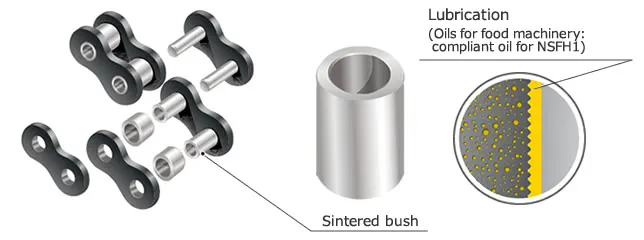
Custom & Non-Standard Hollow Pin Chains
Custom hollow pin chains can be discussed when a standard model does not match the attachment, bore, roller arrangement or machine envelope.
Explore SeriesHollow Pin Conveyor Chains
MC, FVC, ZC, short-pitch and stainless hollow pin chains for cross rods, carriers, fixtures and custom conveyor attachments.
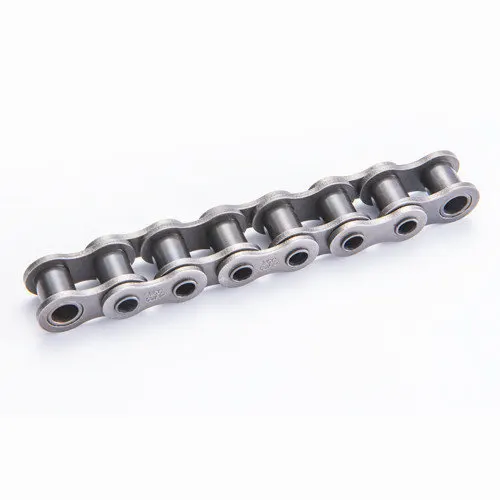
Product Range
Compare pitch, bore size, chain width, roller arrangement and environment across our main product families.
Custom hollow pin chains can be discussed when a standard model does not match the attachment, bore, roller arrangement or machine envelope.
Explore Series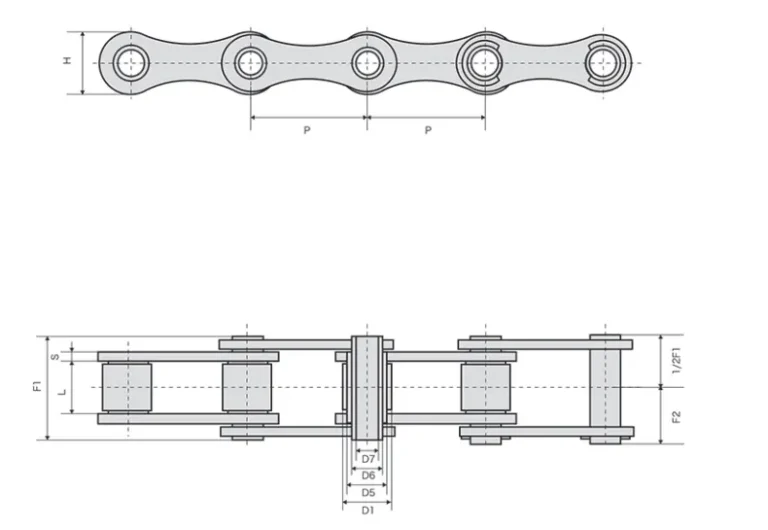
FVC Series hollow pin chains provide a robust conveyor format for cross rods, carriers and machine-specific attachments.
Explore SeriesMC Series offers a versatile hollow-pin conveyor format with multiple pitch choices and roller arrangements for packaging, automation and material-handling machines.
Explore Series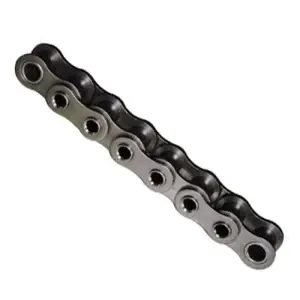
Short-pitch hollow pin chains suit compact conveyors, close carrier spacing, packaging equipment and light automation.
Explore SeriesStainless hollow pin chains combine a through-pin attachment interface with improved corrosion resistance for humid or frequently cleaned equipment.
Explore SeriesZC Series hollow pin chains are an alternative geometry for custom conveyor carriers, pushers and handling equipment.
Explore SeriesEver Power Transmission Chain supplies hollow pin conveyor chains for machines that need a simple, repeatable way to mount cross rods, carriers, slats, pushers and custom fixtures. Choose from MC, FVC, ZC, short-pitch and stainless series for packaging, food processing, assembly automation and material-handling conveyors.
The through-bore in each hollow pin gives machine builders a practical mounting point for rods, spacers, fixtures and product carriers.
Compare pitch, bore, inner width, roller arrangement and chain size across MC, FVC, ZC, short-pitch and stainless product families.
Choose chain construction to suit dry automation, washdown areas, humid plants and applications where corrosion resistance matters.
Carton, tray, pouch and case handling lines where carriers, pushers or cross rods must repeat at a fixed pitch.
Conveyors and processing equipment that need removable carriers, washdown-friendly layouts or stainless chain options.
Fixture conveyors, indexing systems and production cells where parts must be located consistently from station to station.
Light-duty conveyor and intralogistics systems using pushers, guides, bars or customized product supports.
| Series | Good starting point when you need | Typical buyer questions |
|---|---|---|
| MC Series | Multiple pitch and roller arrangements for general conveyor design | Pitch, bore, roller size, guide rail and attachment span |
| FVC Series | A hollow-pin conveyor chain family for larger conveyor layouts | Load, pitch, bore, cross-rod arrangement and sprocket fit |
| ZC Series | Alternative conveyor geometry for custom carriers and handling equipment | Chain envelope, attachment position, guide support and duty |
| Short-Pitch | Compact conveyors, close carrier spacing and smaller machine envelopes | Sprocket compatibility, bore, spacing accuracy and speed |
| Stainless | Moisture, frequent cleaning and corrosion-sensitive environments | Material grade, cleaning chemistry, load and lubrication |
Replacing an existing chain? Send the model marking if available, several measured pitches, hollow-pin bore, inner width, roller or bush diameter, overall pin projection, chain length, sprocket tooth count and clear photos of the chain in the machine. If the chain carries cross rods or fixtures, include the attachment dimensions and the distance between parallel strands.
For a new machine, send the conveyor layout, target pitch, product load, speed, start-stop duty, attachment concept, guide arrangement and operating environment. We can use that information to narrow the series and prepare a quotation configuration.
Send a drawing, photo or model number and the key dimensions. We will help you compare suitable hollow pin chain options for your machine.
Built around your conveyor
Use the product catalogue when you already know the chain family or model. If you are replacing an existing chain, send the original marking, several-pitch measurement, hollow bore, inner width, roller dimensions and photos of the sprocket and guide. For a new machine, send the carrier or cross-rod drawing together with speed, load and environment. This gives us enough information to compare chain geometry before the quotation moves forward.
Request a Quote
Send the chain model or dimensions, attachment drawing, sprocket information, operating speed and load, environment and quantity. We will help you identify a suitable hollow pin chain configuration.