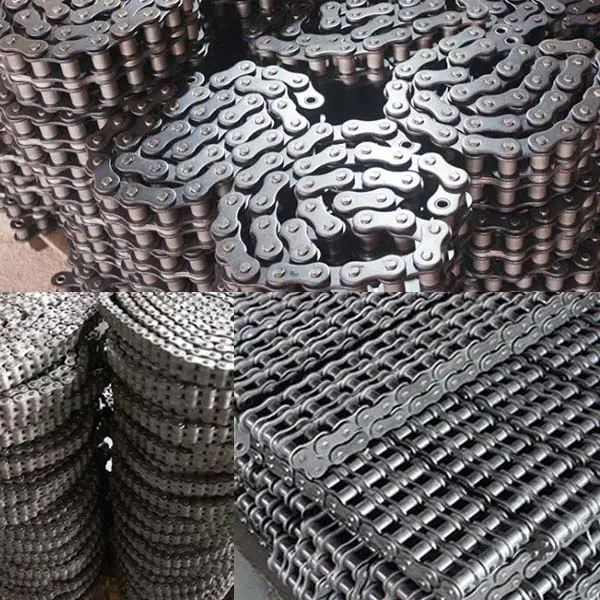
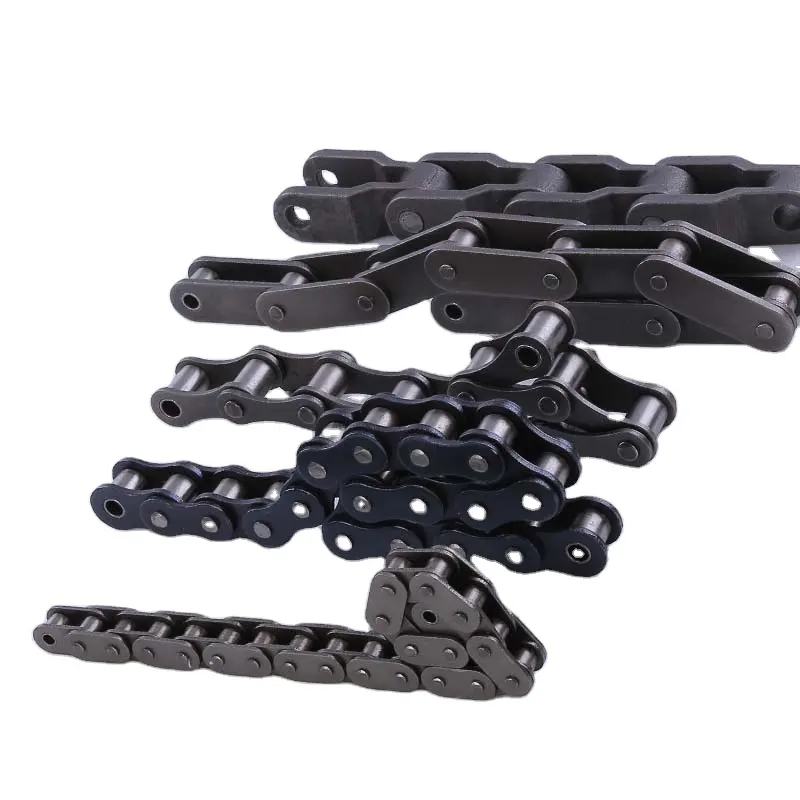
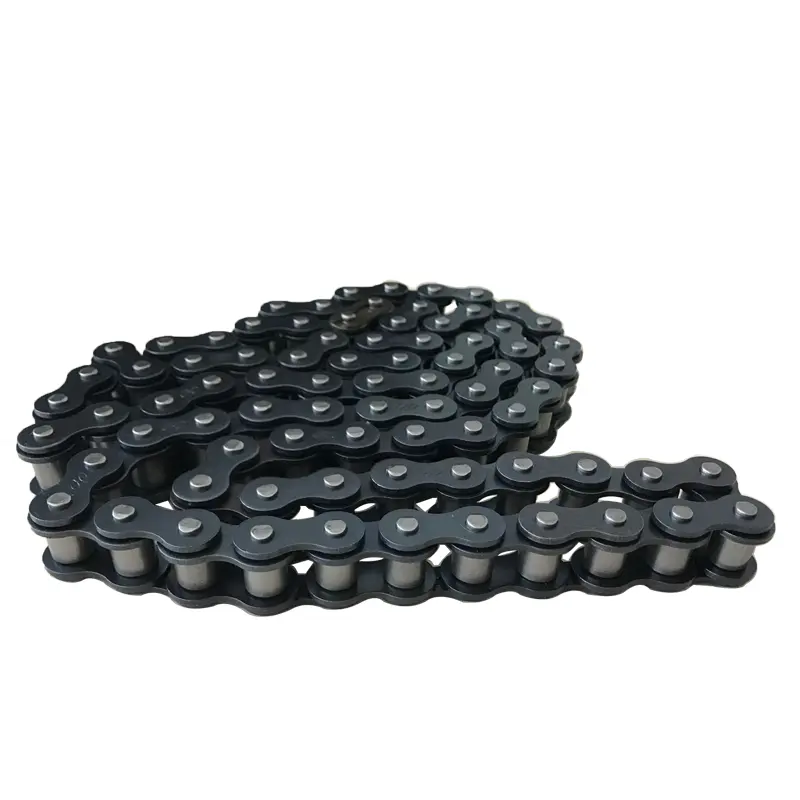
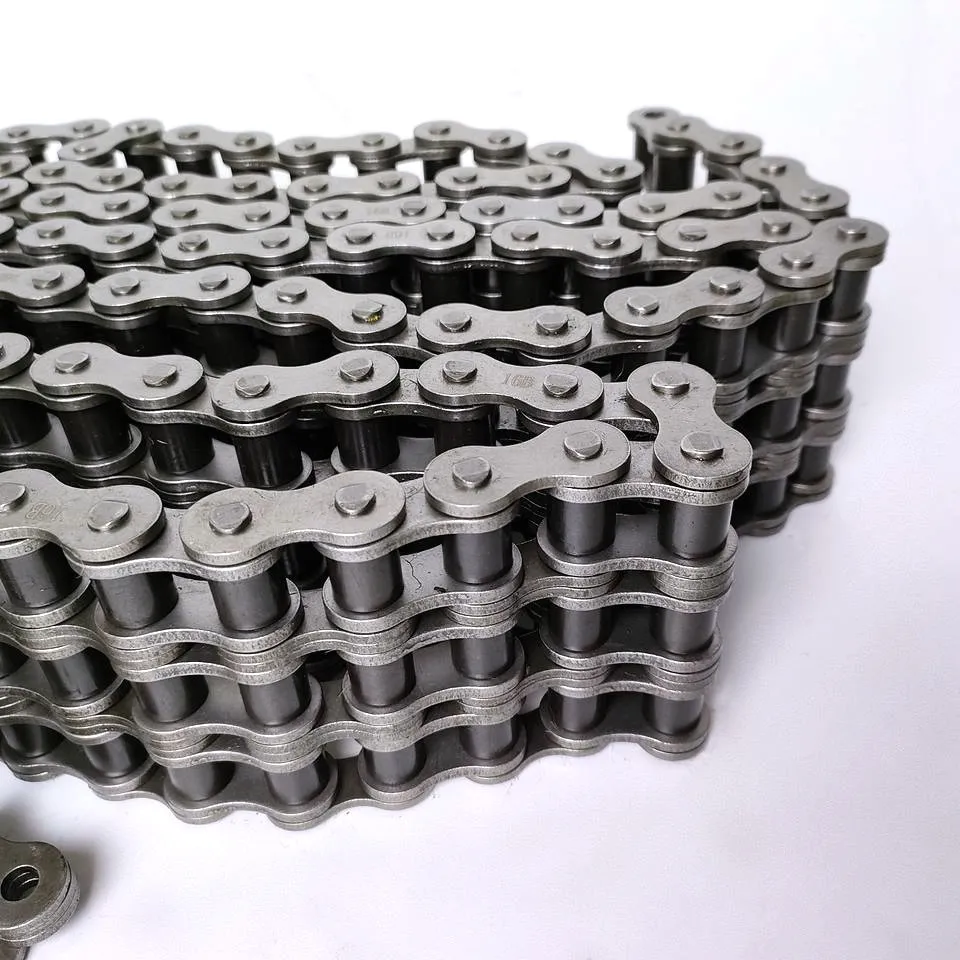
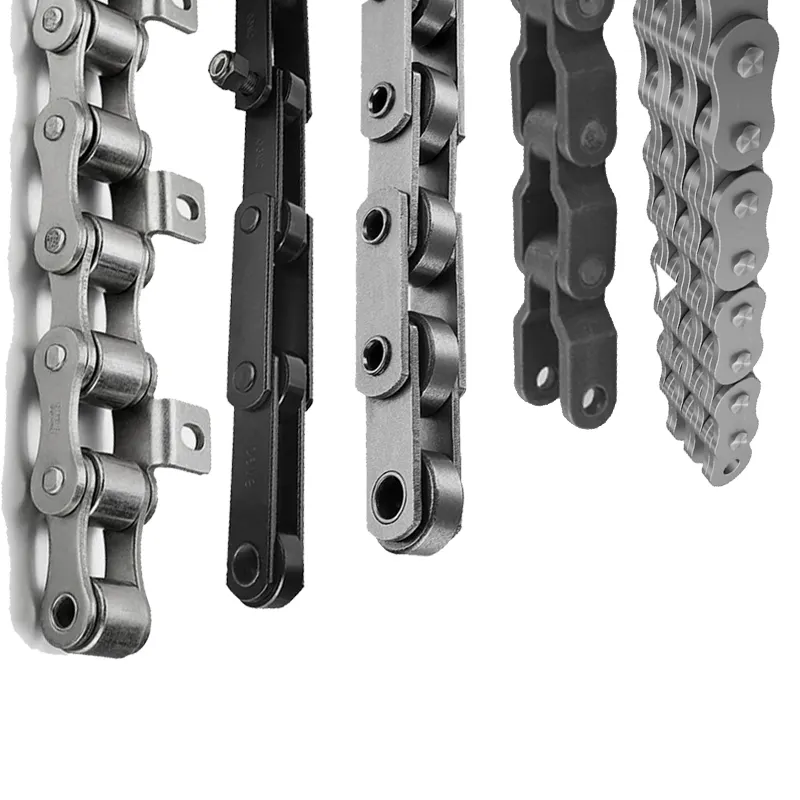
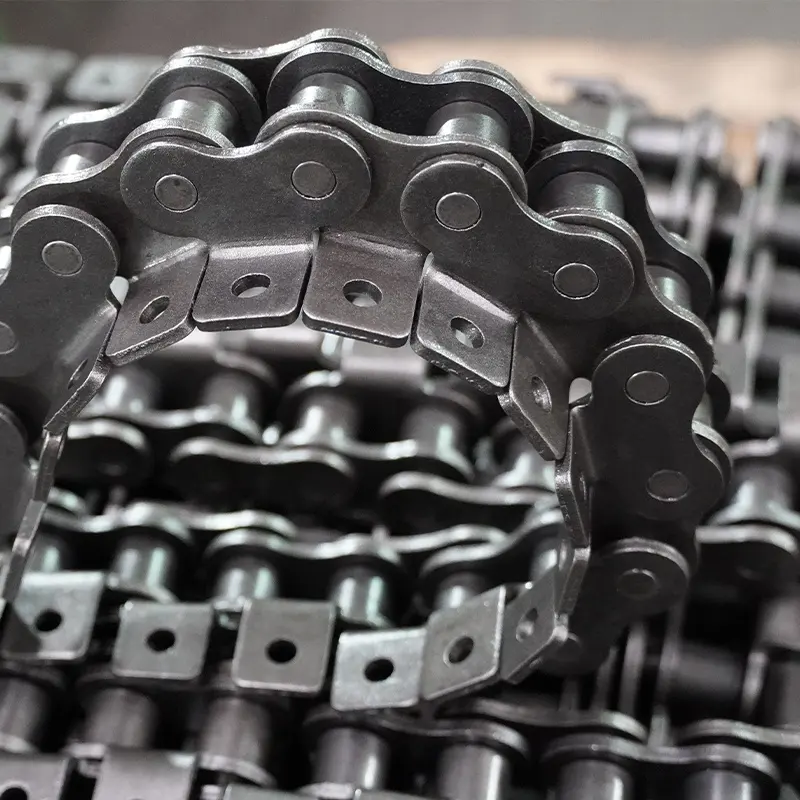
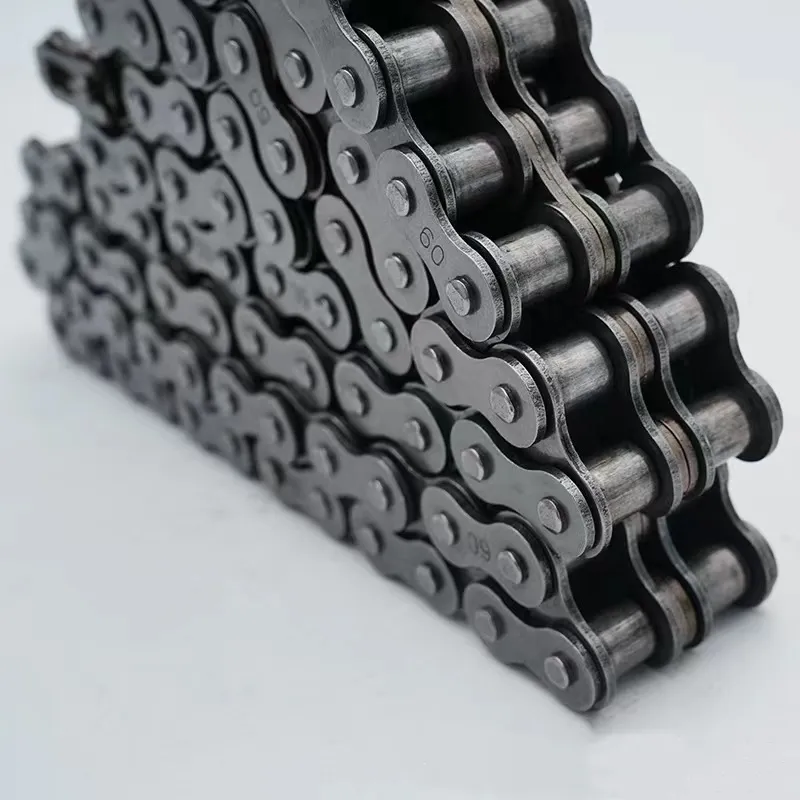
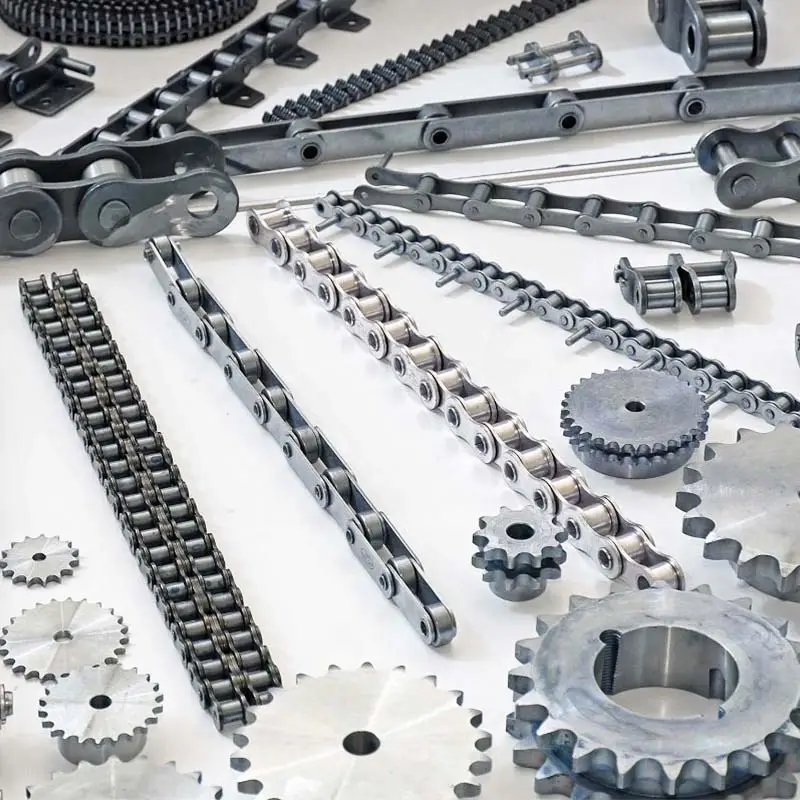
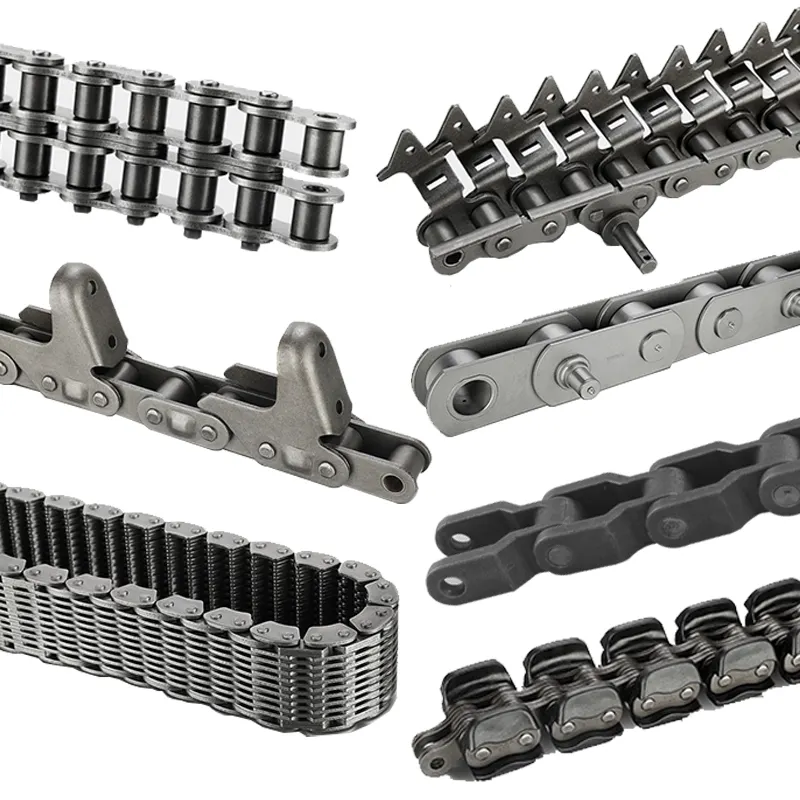
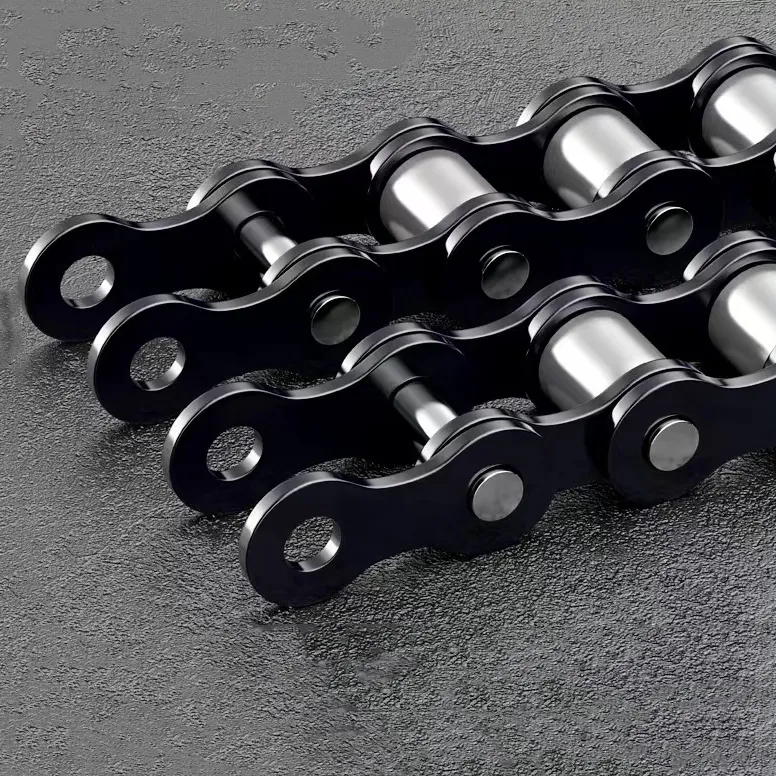
Product Description
| Item | Standard Transmission Roller Chains | Model | Series A, Series B, Heavy Duty |
| Row | Simplex/Duplex/Triplex | Application | Machinery Parts |
| Surface Teatment | Self-color/Sand-blasted/Shot-peening | Brand | OEM |
| Package | Poly bag, then box, finally poly-wooden case | Port | Any sea port or airport in China |
| A Series | 03C,04C-1,06C-1,085-1,08A-1,10A-1,12A-1,16A-1,20A-1,24A-1,28A-1,32A-1,36A-1,40A-1,48A-1. 15,25-1,35-1,41-1,40-1,50-1,60-1,80-1,100-1,120-1,140-1,160-1,180-1,200-1,240-1. | ||
| 04C-2,06C-2,085-2,08A-2,10A-2,12A-2,16A-2,20A-2,24A-2,28A-2,32A-2,36A-2,40A-2,48A-2. 15,25-2,35-2,41-2,40-2,50-2,60-2,80-2,100-2,120-2,140-2,160-2,180-2,200-2,240-2. | |||
| 04C-3,06C-3,085-3,08A-3,10A-3,12A-3,16A-3,20A-3,24A-3,28A-3,32A-3,36A-3,40A-3,48A-3. 15,25-3,35-3,41-3,40-3,50-3,60-3,80-3,100-3,120-3,140-3,160-3,180-3,200-3,240-3. | |||
| B Series | 05B-1,06B-1,08B-1,10B-1,12B-1,16B-1,20B-1,24B-1,28B-1,32B-1,40B-1,48B-1,56B-1,64B-1,72B-1. | ||
| 05B-2,06B-2,08B-2,10B-2,12B-2,16B-2,20B-2,24B-2,28B-2,32B-2,40B-2,48B-2,56B-2,64B-2,72B-2. | |||
| 05B-3,06B-3,08B-3,10B-3,12B-3,16B-3,20B-3,24B-3,28B-3,32B-3,40B-3,48B-3,56B-3,64B-3,72B-3. | |||
| Heavy Duty Type | 35H-1,40H-1,50H-1,60H-1,80H-1,100H-1,120H-1,140H-1,160H-1,180H-1,200H-1,240H-1. | ||
| 35H-2,40H-2,50H-2,60H-2,80H-2,100H-2,120H-2,140H-2,160H-2,180H-2,200H-2,240H-2. | |||
| 35H-3,40H-3,50H-3,60H-3,80H-3,100H-3,120H-3,140H-3,160H-3,180H-3,200H-3,240H-3. | |||
| Standard or Nonstandard: | Standard/Nonstandard |
|---|---|
| Application: | Textile Machinery, Garment Machinery, Conveyer Equipment, Packaging Machinery, Motorcycle, Food Machinery, Marine, Mining Equipment, Agricultural Machinery, Car |
| Surface Treatment: | Polishing |
| Structure: | Roller Chain |
| Material: | Carbon Steel/Stainless Steel |
| Type: | Short Pitch Chain |
| Samples: |
US$ 5/Several links of standard chain
1 Several links of standard chain(Min.Order) | |
|---|
| Customization: |
Available
| Customized Request |
|---|
How do roller chains perform in extreme weather conditions?
Roller chains are designed to perform reliably in a wide range of operating conditions, including extreme weather conditions. Here’s a detailed answer to the question:
1. Temperature Extremes: Roller chains can withstand a wide range of temperatures, both high and low. The performance of the chain depends on the specific material used and its temperature rating. For example, stainless steel chains are suitable for high-temperature applications, while specialty chains with low-temperature lubricants are available for cold environments.
2. Corrosion Resistance: Roller chains can be manufactured using corrosion-resistant materials such as stainless steel or with specialized coatings to enhance their resistance to rust and corrosion. This makes them suitable for outdoor applications where exposure to moisture, humidity, and other environmental factors is common.
3. Lubrication: Proper lubrication is crucial for the performance of roller chains in extreme weather conditions. Lubricants with suitable viscosity and temperature range should be used to ensure smooth operation and minimize wear. In some cases, lubrication-free chains with self-lubricating properties can be used to eliminate the need for external lubrication.
4. Sealing and Protection: Roller chains can be equipped with additional sealing mechanisms to protect against the ingress of dirt, dust, and other contaminants. Sealed or encapsulated chains feature protective covers or seals that prevent debris from entering the chain and affecting its performance, making them more suitable for extreme weather conditions.
5. Maintenance and Inspection: Regular maintenance and inspection are essential for ensuring the optimal performance of roller chains in extreme weather conditions. This includes cleaning the chains, checking for signs of wear or damage, and replacing any worn-out components. Proper tensioning and alignment should also be maintained to prevent premature failure.
It’s important to consult the manufacturer’s specifications and recommendations for the specific roller chain and its intended application in extreme weather conditions. By selecting the appropriate materials, lubrication, and protection mechanisms, roller chains can provide reliable and efficient power transmission even in challenging environmental conditions.
Can roller chains be used in underwater applications?
Roller chains are not typically recommended for direct use in underwater applications due to the potential for corrosion and water ingress. However, with appropriate modifications and additional protective measures, roller chains can be adapted for certain underwater applications. Here’s a detailed answer to the question:
1. Corrosion Resistance: In underwater environments, corrosion is a significant concern. Roller chains can be manufactured from corrosion-resistant materials such as stainless steel or coated with anti-corrosion treatments to mitigate the effects of exposure to water and moisture.
2. Sealing and Waterproofing: Special seals, O-rings, or protective covers can be installed to prevent water ingress into the chain’s internal components. These seals help to maintain lubrication and protect against corrosion, ensuring reliable operation even in wet conditions.
3. Lubrication Selection: Choosing the appropriate lubricant is crucial for underwater applications. Lubricants with excellent water resistance and corrosion protection properties should be selected to provide long-lasting lubrication in the submerged environment.
4. Maintenance and Inspection: Regular maintenance and inspection are essential to monitor the condition of the roller chain in underwater applications. This includes checking for signs of corrosion, lubricant degradation, or seal damage. Prompt replacement of worn or damaged components is necessary to prevent chain failure and ensure optimal performance.
It’s important to consult with experts or manufacturers experienced in underwater applications to determine the suitability of roller chains for specific underwater environments. They can provide guidance on the necessary modifications, materials, and maintenance practices to ensure the safe and reliable operation of roller chains in such conditions.
What are the advantages of using a roller chain in machinery?
A roller chain offers several advantages when used in machinery. Here’s a detailed answer to the question:
1. High Load Capacity: Roller chains are designed to handle high loads and transmit power efficiently. They are capable of carrying heavy loads and withstanding high torque, making them suitable for applications that require reliable power transmission.
2. Wide Speed Range: Roller chains can operate at a wide range of speeds, from low to high. They are capable of handling both slow-speed and high-speed applications, providing flexibility in machinery design and operation.
3. Durability and Longevity: Roller chains are known for their durability and long service life. They are constructed using high-quality materials and undergo precise manufacturing processes, resulting in chains that can withstand heavy use, harsh environments, and repetitive motions without premature failure.
4. Easy Installation and Maintenance: Roller chains are relatively easy to install and maintain. They have a simple design and can be quickly assembled onto sprockets. Routine maintenance involves lubrication, periodic inspections, and occasional tension adjustments, which are straightforward tasks.
5. Versatility: Roller chains are versatile and can be used in a wide range of machinery and equipment. They find applications in various industries, including automotive, agriculture, manufacturing, construction, and more. They can be customized to meet specific requirements by selecting the appropriate type, size, and configuration.
6. Efficient Power Transmission: Roller chains provide efficient power transmission between the driving and driven components. The rolling action of the chain on the sprockets reduces friction and energy losses, resulting in higher mechanical efficiency compared to other types of power transmission methods.
7. Compact Design: Roller chains have a compact design, which allows for efficient power transmission in tight spaces. They occupy less space compared to other types of power transmission systems, making them suitable for machinery with space constraints.
8. Cost-Effective Solution: Roller chains are a cost-effective solution for power transmission in machinery. They are relatively inexpensive compared to alternative power transmission methods and offer a high level of reliability and longevity, resulting in lower maintenance and replacement costs over time.
Overall, the advantages of using roller chains in machinery include their high load capacity, wide speed range, durability, ease of installation and maintenance, versatility, efficient power transmission, compact design, and cost-effectiveness. These factors make roller chains a popular choice for many machinery applications.


editor by CX 2023-11-20
China Best Sales Custom Steel 04 08b Conveyor Short Pitch Hollow Pin Roller Chain
Product Description
Description
General Products Application /Service Area:
Metal parts for vehicle, agriculture machine, construction machine, transportation equipment, Valve and Pump system. E.g. Engine bracket, truck chassis bracket, gear box , gear housing , gear cover, shaft, spline shaft , pulley, flange, connection pipe, pipe, hydraulic valve, valve housing ,Fitting , flange, wheel, flywheel, oil pump housing, starter housing, coolant pump housing, transmission shaft , transmission gear, sprocket, chains etc.
scraper conveyor chain
The scraper conveyor chain can be used to transport bulk materials in horizontal, inclined and vertical directions. It is often used for the transportation of raw grain, semi-finished products and finished products in grain and oil, feed processing plants. The scraper conveyor chain is suitable for the transportation of oil in the production process of grease processing plants. Transportation of raw grain from grain warehouse.
It has the advantages of simple structure, good sealing, simple feeding and unloading device, multi-point feeding and unloading, flexible layout, and the ability to complete material transportation in multiple directions at the same time. The scraper conveyor chain of ZheJiang CHINAMFG Chain Factory adopts medium carbon quenched and tempered steel and cold heading die steel. The steel is moderately priced and easy to process. After proper heat treatment, a certain degree of toughness, plasticity and wear resistance can be obtained. Normalizing can promote the spheroidization of the structure and is suitable for surface hardening treatments such as high-frequency quenching and flame quenching. Application: After quenching and tempering, it can be used to manufacture medium load and medium speed work. The working principle of the scraper conveyor is to use the open chute as a bearing part for coal, gangue or materials, and fix the scraper on the chain (to form a scraper chain) as a traction member. When the driving part of the machine head starts, the sprocket on the driving head shaft rotates, so that the scraper chain circulates and moves the animal material along the chute until it reaches the machine head to unload. The scraper chain bypasses the sprocket and runs in a stepless closed loop to complete the transportation of materials. Other scraper conveyor chain uses and maintenance precautions have to be communicated with the supplier. The above information is for reference only.
China chain manufacturer iron chain hardened steel chain scraper conveyor
Product Description
|
Customized Service Chain Conveyor Belt Stainless Steel |
|||||||||||||||||||||||||||||||||||||||||||||||||||||||||||||||||||||||||||||||||||||||||||||||||||||||||||||||||||||||||||||||||||||||||||||||||||||||||||||||||||||||||||||||||||||||||||||||||||||||||||||||||||||||||||||||||||||||||||||||||||||||||||||||||||||||||||||||||||||||||||||||||||||||||||||||||||||||||||||||||||||||||||||||||||||||||||||||||||||||||||||||||||||||||||||||||||||||||||||||||||||||||||||
|
Production Process |
Forging, press, plus machining ,heat treatment , assembly |
||||||||||||||||||||||||||||||||||||||||||||||||||||||||||||||||||||||||||||||||||||||||||||||||||||||||||||||||||||||||||||||||||||||||||||||||||||||||||||||||||||||||||||||||||||||||||||||||||||||||||||||||||||||||||||||||||||||||||||||||||||||||||||||||||||||||||||||||||||||||||||||||||||||||||||||||||||||||||||||||||||||||||||||||||||||||||||||||||||||||||||||||||||||||||||||||||||||||||||||||||||||||||||
|
Blanks Tolerance: |
FAQ: 1. Are you a manufacturer or a trading company?
.shipping-cost-tm .tm-status-off{background: none;padding:0;color: #1470cc}
Can hollow pin chains be used in waste management and recycling equipment?Yes, hollow pin chains can be used in waste management and recycling equipment, and they offer several advantages for these applications.
However, several factors should be considered when using hollow pin chains in waste management and recycling equipment:
In conclusion, hollow pin chains are a suitable choice for waste management and recycling equipment, offering strength, flexibility, attachment options, reduced weight, corrosion resistance, and ease of maintenance. Proper chain selection, installation, and maintenance are essential to ensure the chain’s reliable performance in these challenging applications.
Can hollow pin chains be used for power transmission in industrial machinery?Yes, hollow pin chains can be used for power transmission in industrial machinery, but there are certain considerations to take into account. 1. Load and Power Requirements: Before using hollow pin chains for power transmission, it’s essential to assess the load and power requirements of the machinery. Hollow pin chains are designed to handle moderate to heavy loads, making them suitable for many industrial applications. However, for high-power transmission or extremely heavy loads, it’s crucial to ensure that the chosen chain’s strength and capacity meet the specific needs of the machinery. 2. Speed and Efficiency: Hollow pin chains are capable of transmitting power at various speeds. However, it’s important to consider the speed requirements of the machinery and select an appropriate chain that can operate efficiently at the desired speed range. Proper lubrication and maintenance are also essential to ensure smooth operation and reduce friction losses, enhancing overall power transmission efficiency. 3. Design and Durability: Industrial machinery often operates in demanding environments with exposure to dust, debris, and other harsh conditions. It’s crucial to select hollow pin chains with durable materials and a robust design that can withstand these challenging conditions. Additionally, proper maintenance, including regular inspection and lubrication, is necessary to extend the chain’s lifespan and ensure reliable power transmission. 4. Alignment and Tensioning: Proper chain alignment and tensioning are critical for effective power transmission and to prevent premature wear or failure. Misalignment can lead to increased friction and wear, negatively affecting the chain’s performance. Regular checks and adjustments are essential to maintain the optimal alignment and tension of the chain. 5. Attachment Options: Hollow pin chains can be equipped with various attachments, such as extended pins or custom links, to accommodate specific power transmission requirements in industrial machinery. The ability to customize the chain with appropriate attachments enhances its versatility and adaptability for different applications. In conclusion, hollow pin chains can be used for power transmission in industrial machinery, but careful consideration of load, speed, design, alignment, and attachment options is necessary to ensure efficient and reliable operation. Regular maintenance and proper chain selection are crucial to maximize the chain’s performance and longevity in power transmission applications.
How do you select the right size and pitch for a hollow pin chain?Selecting the correct size and pitch for a hollow pin chain is crucial to ensure optimal performance and longevity in a given application. Here are the key steps to guide you in the selection process:
By carefully considering these factors and calculations, you can confidently select the right size and pitch for a hollow pin chain that will meet the demands of your application and provide reliable performance over time.
China Standard Blue and Natural Color Short Pitch Roller Chain 08A/40Product Description
Blue and Natural Color Short Pitch Roller Chain 08A/40 Products are made of high quality alloy steel production. The plates are punched and squeezed bores by precision technology. The pin, bush, roller are machined by high-efficiency automatic equipment and automatic grinding equipment, then through heat treatment of carburization, carbon and nitrogen protection mesh belt furnace, surface blasting process etc. Assembled precision by Internal hole position, spin riveted by pressure to ensure the performance of the entire chain.
Our Service
What are the benefits of using a roller chain in agricultural machinery?Roller chains offer several advantages when used in agricultural machinery: 1. High Strength and Durability: Roller chains are designed to withstand heavy loads and harsh operating conditions commonly found in agricultural machinery. They are built with robust materials and precision engineering, making them capable of handling the demanding requirements of agricultural applications. 2. Efficient Power Transmission: Roller chains provide efficient power transmission from the engine to various agricultural components such as harvesters, tractors, and conveyors. They have low frictional losses, allowing for efficient transfer of torque and minimizing power wastage. 3. Wide Range of Sizes and Configurations: Roller chains are available in various sizes, pitches, and configurations, allowing them to be used in different types of agricultural machinery. This versatility enables manufacturers to select the appropriate chain for specific applications, ensuring optimal performance and reliability. 4. Versatile and Reliable: Roller chains can be used in a wide range of agricultural machinery, including harvesters, combines, planters, balers, and more. They provide reliable power transmission and can operate in diverse agricultural environments, including fields, orchards, and livestock facilities. 5. Easy Maintenance: Roller chains are relatively easy to maintain. Regular lubrication and periodic inspection are essential to ensure smooth operation and prevent premature wear. With proper maintenance, roller chains can have a long service life, reducing downtime and maintenance costs for agricultural machinery. 6. Cost-Effective Solution: Roller chains offer a cost-effective solution for power transmission in agricultural machinery. They are typically more affordable compared to alternative drive systems, such as gears or belts, while still providing reliable and efficient performance. 7. Adaptability to Variable Speeds: Agricultural machinery often requires variable speed control based on specific tasks or crop conditions. Roller chains can handle variable speeds effectively, allowing for precise control and adjustment to meet the varying demands of agricultural operations. Overall, the use of roller chains in agricultural machinery offers durability, efficiency, versatility, and cost-effectiveness. They provide reliable power transmission, enabling agricultural equipment to operate efficiently and effectively in demanding farming environments.
Can roller chains be used in underwater applications?Roller chains are not typically recommended for direct use in underwater applications due to the potential for corrosion and water ingress. However, with appropriate modifications and additional protective measures, roller chains can be adapted for certain underwater applications. Here’s a detailed answer to the question: 1. Corrosion Resistance: In underwater environments, corrosion is a significant concern. Roller chains can be manufactured from corrosion-resistant materials such as stainless steel or coated with anti-corrosion treatments to mitigate the effects of exposure to water and moisture. 2. Sealing and Waterproofing: Special seals, O-rings, or protective covers can be installed to prevent water ingress into the chain’s internal components. These seals help to maintain lubrication and protect against corrosion, ensuring reliable operation even in wet conditions. 3. Lubrication Selection: Choosing the appropriate lubricant is crucial for underwater applications. Lubricants with excellent water resistance and corrosion protection properties should be selected to provide long-lasting lubrication in the submerged environment. 4. Maintenance and Inspection: Regular maintenance and inspection are essential to monitor the condition of the roller chain in underwater applications. This includes checking for signs of corrosion, lubricant degradation, or seal damage. Prompt replacement of worn or damaged components is necessary to prevent chain failure and ensure optimal performance. It’s important to consult with experts or manufacturers experienced in underwater applications to determine the suitability of roller chains for specific underwater environments. They can provide guidance on the necessary modifications, materials, and maintenance practices to ensure the safe and reliable operation of roller chains in such conditions.
How do roller chains handle shock loads?Roller chains are designed to handle a certain level of shock loads, but their ability to withstand and absorb shocks depends on several factors. Here’s a detailed answer to the question: 1. Chain Design: The design of roller chains includes various elements that contribute to their ability to handle shock loads. These elements include the shape and size of the rollers, the pitch of the chain, and the material used for construction. High-quality roller chains are engineered to provide durability and strength, allowing them to withstand sudden impacts and shocks. 2. Material Selection: The choice of materials for roller chains plays a significant role in their ability to handle shock loads. Chains made from high-quality alloy steels or special heat-treated steels offer better toughness and resistance to impact. The material properties, including hardness and tensile strength, are important considerations in determining the chain’s ability to handle shock loads. 3. Chain Tension: Proper chain tension is crucial for handling shock loads effectively. Adequate tension ensures the chain remains engaged with the sprockets during sudden changes in load or direction. Insufficient tension can lead to chain slippage or disengagement, resulting in increased shock loads on the chain links. Regular inspection and adjustment of chain tension help maintain optimal performance. 4. Lubrication and Maintenance: Proper lubrication is essential for reducing friction and wear, especially when dealing with shock loads. Adequate lubrication ensures smooth movement of the chain and minimizes the impact of shocks on the chain’s components. Regular maintenance, including cleaning and relubrication, helps prolong the chain’s lifespan and ensures its ability to handle shock loads. While roller chains are designed to handle a certain level of shock loads, it is important to consider the specific requirements of the application. In situations where high shock loads are expected, additional measures such as using shock-absorbing devices, selecting chains with higher load capacities, or implementing buffering systems may be necessary to protect the chain and ensure reliable operation.
China best Conveyor Transmission Motorcycle Industrial Carbon Stee Roller Chain Short Pitch Precision Stainless Steel Hollow PinProduct Description
Product Description Series : ANSI SS 40 /SS 50 / SS 60 / SS 80 / SS 100 etc.
Product Attribute
Product Parameters
Our Advantages Company advantages: Membership: With our excellent trained staffs and workers, advanced and efficient equipments, completely sales network, strict QA systems. You are confidence that our premium qualified chain can meet all customers’ specification and strictest quality standards.
WHY CHOOSE US Comprehensive Product Portfolio We produce and supply a wide range of power transmission Value Choice Products Our products are the best combination of quality and price, and you get what Seasoned Sales Associates and Engineers We have 15 seasoned sales associates and 5 engineers; FAQ Q1: What’s your average lead time? Q2: Is your price better than your competitors given the same quality? Q4: Can we inspect the goods before shipment? Q5: What kind of payment method is acceptable for your mill? Q6: What if I have any other questions?
.shipping-cost-tm .tm-status-off{background: none;padding:0;color: #1470cc}
How do roller chains handle high torque loads?Roller chains are designed to handle high torque loads effectively. Here’s a detailed answer to the question: 1. Robust Construction: Roller chains are constructed using high-quality materials and precise manufacturing techniques to ensure strength and durability. They are designed to withstand the forces generated by high torque loads without deformation or failure. 2. Load Distribution: Roller chains distribute the high torque load evenly across their links and pins. This even distribution helps prevent concentrated stress points and ensures that each link carries a portion of the load, reducing the risk of chain failure. 3. Fatigue Resistance: Roller chains are designed to resist fatigue caused by repeated stress cycles. They have sufficient strength and resilience to endure the high torque loads encountered during operation without experiencing premature wear or failure. 4. Proper Lubrication: Adequate lubrication is crucial for the smooth operation and longevity of roller chains under high torque loads. Lubrication reduces friction, minimizes wear, and helps dissipate heat generated by the increased forces. Proper lubrication ensures that the chain operates efficiently and extends its lifespan. 5. Tensile Strength: Roller chains are engineered to have high tensile strength, which allows them to withstand the tension created by high torque loads. The tensile strength of the chain ensures that it can handle the pulling force exerted by the rotating sprockets without elongation or failure. 6. Sprocket Selection: The choice of sprockets also plays a significant role in handling high torque loads. Sprockets should be matched appropriately with the roller chain to ensure proper engagement and efficient power transmission. Selecting sprockets with the appropriate tooth profile, material, and design helps optimize the performance and longevity of the chain under high torque conditions. Roller chains have been extensively used in applications that require the transmission of high torque, such as heavy machinery, industrial equipment, and automotive systems. Their robust construction, load distribution capabilities, fatigue resistance, proper lubrication, high tensile strength, and compatibility with well-designed sprockets make them reliable and efficient in handling high torque loads.
How do roller chains handle static loads?Roller chains are primarily designed for transmitting power and handling dynamic loads, which involve motion and varying forces. However, roller chains can also handle static loads to some extent. Here’s a detailed answer to the question: 1. Load Distribution: When a roller chain is subjected to static loads, the weight or force is evenly distributed across multiple rollers and pins. This helps to distribute the load more effectively and reduces stress concentrations on individual components. The load is transferred from one roller to another through the pins, ensuring a more balanced distribution. 2. Stiffness: Roller chains possess a certain degree of stiffness that enables them to resist static loads. The rigid construction of the chain, including the link plates and pins, helps maintain the integrity of the chain under static conditions. This stiffness allows the chain to support the applied load without excessive elongation or deformation. 3. Lubrication: Proper lubrication is essential for roller chains to handle static loads effectively. Lubrication helps reduce friction and wear, which can occur even under static conditions due to the weight of the load. Adequate lubrication ensures smooth movement of the chain and minimizes the risk of surface damage or increased friction during load-bearing. 4. Chain Preload: In some cases, applying a pre-load or initial tension to the roller chain can help improve its ability to handle static loads. The pre-load helps to eliminate any slack or looseness in the chain, enhancing its rigidity and reducing the potential for excessive elongation or misalignment when subjected to static forces. While roller chains can handle static loads, it’s important to note that they are primarily designed for dynamic applications involving motion. Excessive static loads or prolonged exposure to static conditions may lead to increased wear, elongation, or deformation of the chain. In scenarios where the majority of the load is static, alternative power transmission systems or load-bearing mechanisms may be more suitable.
What are some common misconceptions about roller chains?There are several misconceptions about roller chains that are worth addressing. Here are some common ones: 1. Roller chains are maintenance-free: While some roller chains are designed for reduced maintenance, no chain is truly maintenance-free. All roller chains require regular inspection, lubrication, and occasional replacement to ensure optimal performance and longevity. 2. Roller chains are indestructible: Roller chains are durable and can handle significant loads, but they are not indestructible. Like any mechanical component, roller chains have their limits and can fail if subjected to excessive loads, poor lubrication, misalignment, or other adverse conditions. 3. Any lubricant can be used on roller chains: Using the wrong type or insufficient amount of lubricant can negatively impact the performance and lifespan of a roller chain. It is important to follow the manufacturer’s recommendations regarding lubrication to ensure proper chain operation and longevity. 4. All roller chains are the same: Roller chains come in various designs, sizes, and materials to suit different applications. It is essential to select the right chain for the specific application based on factors such as load capacity, speed, environment, and operating conditions. 5. Roller chains cannot handle high speeds: While roller chains may have speed limitations, advancements in design and materials have allowed for the development of high-speed roller chains. These chains are specifically engineered to withstand the demands of high-speed applications. 6. Roller chains are noisy: While poorly maintained or misaligned roller chains can produce noise, properly lubricated and aligned chains can operate quietly. Regular maintenance, including proper lubrication and tensioning, can minimize noise levels and ensure smooth chain operation. 7. Roller chains require constant adjustment: With proper installation and tensioning, roller chains should not require frequent adjustments. However, regular inspection and occasional adjustment are necessary to maintain proper tension and prevent excessive wear. It is important to rely on accurate information and consult experts or manufacturers when it comes to roller chain selection, installation, maintenance, and troubleshooting to avoid falling prey to common misconceptions and ensure optimal chain performance.
China supplier Carbon Steel Roller Chain for MachinesProduct Description
Carbon Steel Roller Chain for Machines Products are made of high quality alloy steel production. The plates are punched and squeezed bores by precision technology. The pin, bush, roller are machined by high-efficiency automatic equipment and automatic grinding equipment, then through heat treatment of carburization, carbon and nitrogen protection mesh belt furnace, surface blasting process etc. Assembled precision by Internal hole position, spin riveted by pressure to ensure the performance of the entire chain.
Our Service
Are there any special considerations for installing roller chains?Proper installation of roller chains is crucial to ensure their optimal performance and longevity. Here are some key considerations for installing roller chains: 1. Alignment: Ensure proper alignment of the sprockets to prevent side loading and premature wear. The sprockets should be aligned parallel to each other and positioned at the correct distance according to the chain’s pitch. 2. Tension: Proper chain tension is essential for smooth operation and to prevent excessive wear. Follow the manufacturer’s recommendations for the appropriate tension based on the specific chain type and application. It’s important to achieve the correct tension without over-tightening, as excessive tension can lead to increased stress and accelerated wear. 3. Lubrication: Apply the appropriate lubricant to the roller chain during installation. Lubrication helps reduce friction, wear, and heat generation. Follow the manufacturer’s recommendations for the type and frequency of lubrication based on the operating conditions and chain design. Ensure even distribution of lubricant along the chain’s length. 4. Sprocket Teeth Engagement: Check that the chain properly engages with the teeth of the sprockets. The chain should fit snugly into the sprocket teeth without excessive clearance or interference. Incorrect engagement can cause slippage, uneven wear, and premature failure. 5. Chain Length: Ensure that the chain length is appropriate for the application. Avoid excessive slack or excessive tension by adjusting the chain length accordingly. An incorrectly sized chain can lead to poor performance, increased wear, and potential damage to the chain and sprockets. 6. Protection: Consider using chain guards or covers to protect the roller chain from external contaminants such as dust, dirt, or debris. This helps minimize wear and extends the chain’s lifespan, particularly in harsh or dirty environments. 7. Regular Inspection: Regularly inspect the roller chain and sprockets for signs of wear, damage, or misalignment. Monitor the chain’s performance and address any issues promptly to avoid further damage and prevent unexpected downtime. 8. Proper Tools and Techniques: Use appropriate tools and techniques during installation to ensure accuracy and prevent damage to the chain or components. Follow the manufacturer’s guidelines or consult with experts for specific installation instructions. By following these considerations and best practices, you can ensure proper installation of roller chains and maximize their performance and durability in your application.
How do roller chains handle reverse motion?Roller chains are capable of handling reverse motion in applications where the direction of movement needs to be reversed. Here’s a detailed answer to the question: 1. Bi-Directional Operation: Roller chains are designed to operate in both forward and reverse directions. The chain links and rollers are constructed to engage with the sprockets in either direction, allowing the chain to smoothly transfer power and motion. 2. Engagement with Sprockets: When the roller chain is in reverse motion, the rollers on the chain engage with the sprocket teeth in the opposite direction compared to forward motion. The engagement between the chain and the sprockets ensures a secure and reliable power transmission, allowing the chain to efficiently transfer motion in reverse. 3. Lubrication and Maintenance: Proper lubrication is essential for the smooth operation of roller chains, including during reverse motion. Adequate lubrication reduces friction and wear, ensuring the chain’s longevity and performance. Regular maintenance, including lubrication and inspection, helps identify any issues that may affect the chain’s ability to handle reverse motion and allows for timely corrective actions. 4. Proper Tensioning: Maintaining proper tension in the roller chain is crucial for its performance in both forward and reverse motion. Adequate tension ensures the chain remains engaged with the sprockets and prevents slippage or disengagement during reverse operation. Proper tensioning can be achieved through tensioning devices or adjustable mounting arrangements. 5. Load Capacity: Roller chains are designed to handle various loads, including reverse motion. However, it’s important to consider the specific application requirements and select a roller chain with the appropriate load capacity and strength to withstand the forces experienced during reverse operation. 6. Alignment and Installation: Proper alignment of the roller chain and the sprockets is essential for reliable performance in both forward and reverse motion. Ensuring correct installation, including proper alignment and tensioning, helps maintain the chain’s engagement with the sprockets and ensures smooth operation in reverse. It’s worth noting that the specific application requirements, such as speed, load, environmental conditions, and the type of roller chain, should be considered when determining the suitability of roller chains for reverse motion. Consulting the manufacturer’s guidelines and recommendations is important to ensure proper selection, installation, and maintenance of roller chains in applications involving reverse operation.
How do roller chains handle shock loads?Roller chains are designed to handle a certain level of shock loads, but their ability to withstand and absorb shocks depends on several factors. Here’s a detailed answer to the question: 1. Chain Design: The design of roller chains includes various elements that contribute to their ability to handle shock loads. These elements include the shape and size of the rollers, the pitch of the chain, and the material used for construction. High-quality roller chains are engineered to provide durability and strength, allowing them to withstand sudden impacts and shocks. 2. Material Selection: The choice of materials for roller chains plays a significant role in their ability to handle shock loads. Chains made from high-quality alloy steels or special heat-treated steels offer better toughness and resistance to impact. The material properties, including hardness and tensile strength, are important considerations in determining the chain’s ability to handle shock loads. 3. Chain Tension: Proper chain tension is crucial for handling shock loads effectively. Adequate tension ensures the chain remains engaged with the sprockets during sudden changes in load or direction. Insufficient tension can lead to chain slippage or disengagement, resulting in increased shock loads on the chain links. Regular inspection and adjustment of chain tension help maintain optimal performance. 4. Lubrication and Maintenance: Proper lubrication is essential for reducing friction and wear, especially when dealing with shock loads. Adequate lubrication ensures smooth movement of the chain and minimizes the impact of shocks on the chain’s components. Regular maintenance, including cleaning and relubrication, helps prolong the chain’s lifespan and ensures its ability to handle shock loads. While roller chains are designed to handle a certain level of shock loads, it is important to consider the specific requirements of the application. In situations where high shock loads are expected, additional measures such as using shock-absorbing devices, selecting chains with higher load capacities, or implementing buffering systems may be necessary to protect the chain and ensure reliable operation.
China best 420/428/520/530 O Ring motorcycle parts marine/rigging hardware Motorcycle Conveyor link Roller ChainProduct Description
Double Pitch Transmission Chains with K1 Attachments -2040k1 A. Our Services: 1. Any of your kind inquiry about chain would be replied within 24 hours. 4. Protection of your sales area, ideas of design and all your private information. B.Technical parameters D. Packaging
E. FAQ: 1. Are you manufacturer or trade Company?
2. What terms of payment you usually use?
3. what is your lead time for your goods?
4. Do you attend any Show?
What are the differences between ANSI and ISO roller chain standards?ANSI (American National Standards Institute) and ISO (International Organization for Standardization) are two widely recognized standards for roller chains. Here’s a detailed answer to the question: 1. Designation and Nomenclature: ANSI and ISO roller chains have different designations and nomenclature. ANSI chains typically use a three-digit number to denote the pitch size, while ISO chains use a four-digit number. The nomenclature for chain sizes and dimensions may also vary between the two standards. 2. Dimensions and Tolerances: ANSI and ISO roller chains may have slight differences in dimensions and tolerances. While the basic design principles are similar, there may be variations in the allowable tolerances for pitch, roller diameter, plate thickness, and other critical dimensions. 3. Load Capacity and Strength: ANSI and ISO standards have different approaches to determining the load capacity and strength of roller chains. The formulas and methods used for calculating the maximum allowable load and ultimate strength may differ between the two standards. 4. Interchangeability: ANSI and ISO roller chains are generally not interchangeable. The differences in dimensions, tolerances, and load capacity calculations make it important to use chains that conform to the specific standard required by the application. 5. Regional Adoption: ANSI roller chain standards are widely used in North America, while ISO standards are more commonly adopted in Europe and many other parts of the world. The regional preference and market availability may influence the choice of standard in different applications and industries. It’s important to consult the specific ANSI or ISO standard documents for detailed information on the requirements and specifications of roller chains. Additionally, working with suppliers or manufacturers familiar with the applicable standards can help ensure the proper selection and use of roller chains in accordance with the desired standard.
Can roller chains be used for power transmission in industrial equipment?Yes, roller chains are widely used for power transmission in various industrial equipment and machinery. Here’s a detailed answer to the question: 1. Versatility: Roller chains are known for their versatility and can be used in a wide range of industrial applications. They are commonly employed in machinery such as conveyors, agitators, mixers, hoists, elevators, packaging equipment, material handling systems, and many other types of industrial equipment. 2. Power Transmission: Roller chains excel in transmitting power from one rotating shaft to another. They can efficiently transfer high torque and handle heavy loads, making them suitable for demanding industrial applications where power transmission is required. 3. Load Capacity: Roller chains are designed to withstand significant loads and provide reliable power transmission. They are available in various sizes and strengths, allowing for customization based on the specific load requirements of the industrial equipment. 4. Durability: Roller chains are built to be durable and withstand harsh operating conditions typically encountered in industrial environments. They are constructed using high-quality materials and undergo heat treatment processes to enhance their strength and resistance to wear, fatigue, and elongation. 5. Efficiency: Roller chains offer high transmission efficiency due to their positive engagement with the sprockets. The rollers on the chain engage with the sprocket teeth, minimizing slippage and ensuring reliable power transfer. This results in efficient operation and optimized performance of industrial equipment. 6. Easy Maintenance: Roller chains are relatively easy to maintain, especially when compared to other power transmission systems. Proper lubrication and periodic inspection are essential to ensure smooth operation and extend the chain’s lifespan. Regular maintenance routines can be implemented to keep the chains in optimal condition and minimize downtime. 7. Cost-Effectiveness: Roller chains are generally cost-effective compared to alternative power transmission methods. They offer a balance between performance, durability, and affordability, making them a popular choice for power transmission in industrial equipment. In summary, roller chains are well-suited for power transmission in industrial equipment due to their versatility, load capacity, durability, efficiency, ease of maintenance, and cost-effectiveness. When selecting roller chains for industrial applications, it’s important to consider factors such as load requirements, speed, environmental conditions, and compatibility with the specific equipment to ensure optimal performance and longevity.
What are the benefits of using a roller chain over a gear drive?Roller chains offer several advantages over gear drives in various applications. Here’s a detailed answer to the question: 1. Flexibility and Versatility: Roller chains provide greater flexibility and versatility compared to gear drives. They can be easily adjusted and modified to accommodate different shaft distances and angular positions. This flexibility allows for easier customization and adaptation to specific application requirements. 2. Cost-Effectiveness: Roller chains are generally more cost-effective than gear drives. They are simpler in design and construction, resulting in lower manufacturing and maintenance costs. Additionally, roller chains are easier to install, replace, and repair, reducing downtime and associated expenses. 3. Shock Absorption: Roller chains are designed to absorb shock loads and vibrations better than gear drives. The flexibility of the chain links and the ability to rotate on the sprockets allow for better shock absorption, reducing the risk of component failure and increasing overall system durability. 4. High-Speed Capability: Roller chains can handle high-speed applications more effectively than gear drives. They are designed to maintain proper engagement with the sprockets even at high rotational speeds, providing reliable power transmission. Gear drives, on the other hand, may experience issues such as tooth wear and increased noise at high speeds. 5. Lubrication and Maintenance: Roller chains generally require less frequent lubrication compared to gear drives. The rolling action of the chain links distributes the lubricant along the contact surfaces, reducing friction and wear. This results in lower maintenance requirements and increased operational efficiency. 6. Overload Protection: In applications where overload protection is required, roller chains offer an advantage over gear drives. The inherent flexibility of the chain allows for limited slippage or disengagement under excessive loads, protecting the driven machinery from damage. Gear drives, on the other hand, are more prone to sudden failures when subjected to overload conditions. Overall, roller chains provide a reliable and cost-effective solution for power transmission in various industries. Their flexibility, shock absorption capability, high-speed performance, and ease of maintenance make them a preferred choice over gear drives in many applications.
China Standard Factory Sale Stainless Steel Transmission Conveyor Hollow Pin Roller ChainProduct Description
Product Description Product Parameters
More Products Advantage Certifications DETAILS ABOUT CHINAMFG CHAIN Exhibition Workshop Packaging Details Shipping FAQ 1. Are you a manufacturer or trade Company? 2. What terms of payment do you usually use? 3. What is your lead time for your goods? 4. Samples
Can hollow pin chains be used in overhead storage and retrieval systems?Yes, hollow pin chains can be used in overhead storage and retrieval systems, and they offer several advantages for these applications.
However, it’s essential to consider certain factors when using hollow pin chains in overhead storage and retrieval systems:
In conclusion, hollow pin chains are a suitable choice for overhead storage and retrieval systems, offering strength, precision, flexibility, attachment options, reduced weight, corrosion resistance, and ease of maintenance. Proper chain selection, installation, and maintenance are essential to ensure the chain’s reliable performance in these critical systems.
What are the common industries that utilize hollow pin chains?Hollow pin chains are widely used in various industries due to their unique design and versatility. Some of the common industries that utilize hollow pin chains include:
Overall, hollow pin chains offer reliability, strength, and the ability to accommodate specialized attachments, making them indispensable in a wide range of industrial applications. Their design allows for easy maintenance, and they contribute to the smooth operation of machinery and equipment in these industries.
How do hollow pin chains handle shock loads and dynamic forces?Hollow pin chains are designed to handle shock loads and dynamic forces to some extent, but their performance depends on the specific chain construction and application requirements. Here’s how they typically handle these forces:
It is important to choose a hollow pin chain that meets the requirements of the application and the expected dynamic forces. Regular maintenance and inspection can also help identify any signs of wear or fatigue that could compromise the chain’s performance. When using hollow pin chains in applications with significant shock loads or dynamic forces, it is advisable to consult with the chain manufacturer or a qualified engineer to ensure the chain’s suitability and optimize its performance.
China Custom a Series Roller Chain (simplex)Product Description
A, B series roller chain SPECIFICATION: 2)B series chains: 3)Colors available: Natural, yellow, blue, black 4)Materiials: Carbon steel, stainless steel
How do roller chains handle variable speed applications?Roller chains are well-suited for variable speed applications due to their inherent design characteristics. Here’s a detailed answer to the question: 1. Speed Range: Roller chains can accommodate a wide range of speeds, making them suitable for variable speed applications. The speed of the driven sprocket can be adjusted, and the chain will adapt to the changing speed requirements. 2. Smooth Power Transmission: Roller chains provide smooth and consistent power transmission even at varying speeds. The engagement between the chain and the sprockets remains constant, ensuring reliable power transfer without slippage or loss of efficiency. 3. Tension Adjustment: In variable speed applications, the tension of the roller chain may need to be adjusted to maintain optimal performance. Proper tension ensures proper engagement with the sprockets and prevents excessive wear or elongation of the chain. 4. Lubrication: Adequate lubrication is crucial for roller chains in variable speed applications. Lubrication helps reduce friction, wear, and heat generation, ensuring smooth operation and extending the chain’s lifespan. Depending on the speed range and operating conditions, the appropriate lubrication method and frequency should be determined. 5. Chain Selection: Selecting the right type and size of roller chain is important for variable speed applications. Different chain designs and materials may have specific speed limitations or performance characteristics. Consulting the manufacturer’s specifications and recommendations can help ensure the chain’s compatibility with the required speed range. 6. System Design Considerations: When designing variable speed applications with roller chains, factors such as sprocket sizes, drive ratios, and load requirements should be carefully considered. Proper sizing and alignment of the sprockets, as well as selecting the appropriate chain pitch, can contribute to the smooth operation and longevity of the system. It’s important to note that proper maintenance, including regular inspection, lubrication, and tension adjustment, is essential for roller chains in variable speed applications. Monitoring the chain’s condition and addressing any signs of wear or damage promptly will help ensure safe and reliable operation.
What are the benefits of using a roller chain in printing machinery?Roller chains offer several advantages when used in printing machinery. Here’s a detailed answer to the question: 1. High Strength and Durability: Roller chains are designed to withstand heavy loads and provide high tensile strength, making them suitable for the demanding requirements of printing machinery. They can efficiently transmit power and handle the stress and torque generated during the printing process. 2. Precise and Reliable Power Transmission: Roller chains provide accurate and reliable power transmission, ensuring consistent and precise movement of the printing components. This is crucial for maintaining print quality, registration, and alignment of the printed material. 3. Wide Range of Speeds: Roller chains can accommodate a wide range of speeds, allowing for flexibility in printing machinery. Whether it’s high-speed printing or slower, more precise operations, roller chains can adapt to different speed requirements. 4. Easy Installation and Maintenance: Roller chains are relatively easy to install and maintain. They can be adjusted, lubricated, and replaced as needed, minimizing downtime and ensuring the continuous operation of printing machinery. 5. Versatility and Adaptability: Roller chains can be customized to meet specific requirements of printing machinery, such as different chain sizes, lengths, and attachments. This versatility allows for easy integration into various types of printing equipment and processes. 6. Cost-Effective Solution: Roller chains offer a cost-effective power transmission solution for printing machinery. They have a long service life, reducing the need for frequent replacements, and their availability in various sizes and configurations allows for efficient use in different printing applications. In summary, the use of roller chains in printing machinery provides strength, reliability, precision, and versatility. They contribute to the smooth operation of the equipment, ensuring high-quality prints and increased productivity in printing applications.
What are the advantages of using a roller chain in machinery?A roller chain offers several advantages when used in machinery. Here’s a detailed answer to the question: 1. High Load Capacity: Roller chains are designed to handle high loads and transmit power efficiently. They are capable of carrying heavy loads and withstanding high torque, making them suitable for applications that require reliable power transmission. 2. Wide Speed Range: Roller chains can operate at a wide range of speeds, from low to high. They are capable of handling both slow-speed and high-speed applications, providing flexibility in machinery design and operation. 3. Durability and Longevity: Roller chains are known for their durability and long service life. They are constructed using high-quality materials and undergo precise manufacturing processes, resulting in chains that can withstand heavy use, harsh environments, and repetitive motions without premature failure. 4. Easy Installation and Maintenance: Roller chains are relatively easy to install and maintain. They have a simple design and can be quickly assembled onto sprockets. Routine maintenance involves lubrication, periodic inspections, and occasional tension adjustments, which are straightforward tasks. 5. Versatility: Roller chains are versatile and can be used in a wide range of machinery and equipment. They find applications in various industries, including automotive, agriculture, manufacturing, construction, and more. They can be customized to meet specific requirements by selecting the appropriate type, size, and configuration. 6. Efficient Power Transmission: Roller chains provide efficient power transmission between the driving and driven components. The rolling action of the chain on the sprockets reduces friction and energy losses, resulting in higher mechanical efficiency compared to other types of power transmission methods. 7. Compact Design: Roller chains have a compact design, which allows for efficient power transmission in tight spaces. They occupy less space compared to other types of power transmission systems, making them suitable for machinery with space constraints. 8. Cost-Effective Solution: Roller chains are a cost-effective solution for power transmission in machinery. They are relatively inexpensive compared to alternative power transmission methods and offer a high level of reliability and longevity, resulting in lower maintenance and replacement costs over time. Overall, the advantages of using roller chains in machinery include their high load capacity, wide speed range, durability, ease of installation and maintenance, versatility, efficient power transmission, compact design, and cost-effectiveness. These factors make roller chains a popular choice for many machinery applications.
China supplier ISO Standard Roller Chain and Conveyor Chain Transmission Industrial ChainProduct Description
Roller Chain And Conveyor Chain roller chain,lumber chain,forklift chain,sugar chain,welded mill chain,forged chain,pintle chain and stainless steel chains.
Choose us: 1.These chains main advantage market is USA,Mexico,Brazil,Uruguay,Venezuela,France,Denmark,Russia,Belarus,South Korea,Thailand and South Africa,Bulgaria 2.We have supply this chain for over 10 years,quality is stable.
Welcome contact for more details. **************************************
Sofia Chen (Sales Manager)
What are the benefits of using a roller chain in conveyor systems?Roller chains offer numerous advantages when used in conveyor systems, making them a popular choice for material handling applications. Here’s a detailed answer to the question: 1. High Strength and Load Capacity: Roller chains are designed to withstand heavy loads and provide reliable power transmission in conveyor systems. They have excellent load-carrying capacity and can handle substantial weights, making them suitable for conveying bulk materials or heavy objects. 2. Smooth and Efficient Operation: Roller chains offer smooth and efficient operation in conveyor systems. The rollers on the chain engage with the sprockets, reducing friction and allowing the chain to move smoothly along the conveyor. This ensures efficient material transfer and minimizes energy consumption. 3. Wide Range of Sizes and Configurations: Roller chains are available in various sizes and configurations to accommodate different conveyor system designs and load requirements. This versatility allows for customization and ensures compatibility with different conveyor types, such as flat-top, slat, or apron conveyors. 4. Adaptability to Harsh Environments: Roller chains are capable of operating in harsh environments typically encountered in conveyor systems. They can withstand dust, dirt, moisture, and temperature variations, making them suitable for both indoor and outdoor applications. Additionally, roller chains can be made from corrosion-resistant materials or coated to enhance their durability in corrosive or abrasive environments. 5. Easy Maintenance and Replacement: Roller chains are relatively easy to maintain and replace in conveyor systems. Regular lubrication and inspection help extend the chain’s lifespan and prevent premature wear. If necessary, individual chain links or sections can be replaced without replacing the entire chain, minimizing downtime and maintenance costs. 6. Cost-Effectiveness: Roller chains are cost-effective compared to alternative conveyor systems. They offer a balance between performance, durability, and affordability, making them a cost-efficient choice for various industrial applications. Overall, using a roller chain in conveyor systems provides high load capacity, smooth operation, adaptability to harsh environments, ease of maintenance, and cost-effectiveness. These benefits make roller chains an excellent choice for efficient material handling and transportation in industries such as manufacturing, distribution, logistics, and warehousing.
Can roller chains be used for power transmission in pumps and compressors?Yes, roller chains can be used for power transmission in pumps and compressors. Here’s a detailed answer to the question: 1. Power Transmission: Roller chains are widely used in various industries for transmitting power between rotating components. In pumps and compressors, roller chains can efficiently transfer power from the motor to the impeller or compressor wheel, enabling the pumping or compression action. 2. Versatility: Roller chains are available in different sizes, pitches, and configurations, making them suitable for various power transmission requirements. They can accommodate a wide range of power levels and speeds, allowing pumps and compressors to operate effectively in different applications and conditions. 3. Load Handling: Pumps and compressors typically involve dynamic loads due to the movement of fluids and gases. Roller chains are designed to handle these dynamic loads effectively. The multiple rollers and pins in the chain distribute the load evenly, minimizing stress concentrations and ensuring smooth power transmission. 4. Durability: Roller chains are known for their durability and resistance to wear. They are designed to withstand demanding operating conditions, including high speeds, fluctuating loads, and exposure to contaminants. Proper lubrication and maintenance further enhance their longevity and reliability in pump and compressor applications. 5. Easy Installation and Maintenance: Roller chains offer ease of installation and maintenance. They can be easily installed, adjusted, and tensioned to ensure proper alignment and operation. Routine maintenance tasks such as lubrication and inspection can help optimize chain performance and identify any potential issues. It’s important to select the appropriate roller chain based on the specific requirements of the pump or compressor, considering factors such as power transmission capacity, speed, load characteristics, and environmental conditions. Regular inspection and maintenance are crucial to ensure optimal performance and to detect any signs of wear or damage that may require replacement or repair.
What are the common applications of roller chains?Roller chains are widely used in various industries and applications where reliable power transmission is required. Here’s a detailed answer to the question: 1. Industrial Machinery: Roller chains are commonly used in industrial machinery such as conveyors, material handling equipment, packaging machines, printing presses, textile machinery, and woodworking equipment. They provide efficient and reliable power transmission in these applications. 2. Automotive: Roller chains are used in automotive applications, including engine timing systems, camshaft drives, and drive chains for motorcycles and bicycles. They are known for their strength, durability, and ability to handle high loads and speeds. 3. Agriculture: Roller chains are extensively used in agricultural machinery, including tractors, combine harvesters, hay balers, and crop sprayers. They are capable of transmitting power in harsh and demanding agricultural environments. 4. Construction Equipment: Roller chains find applications in construction machinery such as excavators, bulldozers, cranes, and concrete mixers. They provide reliable power transmission for heavy-duty operations in construction sites. 5. Mining and Quarrying: Roller chains are used in mining and quarrying equipment, including rock crushers, conveyor systems, and drilling rigs. They are designed to withstand heavy loads, abrasive materials, and harsh operating conditions in these industries. 6. Food Processing: Roller chains with food-grade lubricants and corrosion-resistant coatings are used in food processing equipment, including conveyor systems, bottling machines, and bakery equipment. They meet the strict hygiene and safety standards required in the food industry. 7. Material Handling: Roller chains are essential in material handling systems, such as overhead cranes, forklifts, and palletizers. They enable smooth and reliable movement of goods in warehouses, distribution centers, and manufacturing facilities. 8. Power Transmission Systems: Roller chains are employed in power transmission systems that require efficient and precise power delivery, such as power presses, machine tools, and industrial automation equipment. 9. Renewable Energy: Roller chains are used in wind turbines and solar tracking systems to transmit power from the turbine or solar panels to the generator or electrical grid. 10. Marine and Offshore: Roller chains are utilized in marine and offshore applications, including shipbuilding, offshore drilling rigs, and port equipment. They provide reliable power transmission in challenging marine environments. These are just some of the common applications where roller chains are widely used. The versatility, durability, and reliability of roller chains make them suitable for a wide range of industries and machinery.
China Professional High Quality Stainless Steel Short Pitch Precision Duplex Roller Chains (A series)Product Description
Product Description
More Products Certifications DETAILS ABOUT CHINAMFG CHAIN Exhibition Workshop Packaging Details Shipping FAQ 2. What terms of payment do you usually use? 3. What is your lead time for your goods? 4. Samples
What are the factors that affect roller chain lifespan?The lifespan of a roller chain can be influenced by several factors. Here’s a detailed answer to the question: 1. Load Capacity: The load capacity of a roller chain refers to its ability to handle the applied load without experiencing excessive stress or deformation. Using a roller chain that is properly sized and rated for the specific application’s load requirements is crucial for ensuring a longer lifespan. 2. Lubrication: Proper lubrication is essential for reducing friction and wear in a roller chain. Insufficient lubrication can lead to increased friction, heat generation, and accelerated wear. On the other hand, over-lubrication can attract contaminants and contribute to chain wear. Regular and proper lubrication based on the manufacturer’s recommendations is necessary to maximize chain lifespan. 3. Alignment: Proper alignment between the sprockets and the roller chain is critical for smooth operation and reduced wear. Misalignment can cause the chain to rub against the sprocket teeth, leading to increased friction and premature wear. Regular inspection and adjustment of the sprocket alignment can help extend the chain’s lifespan. 4. Environmental Conditions: The operating environment can have a significant impact on the lifespan of a roller chain. Factors such as temperature extremes, moisture, dust, chemicals, and abrasive contaminants can accelerate wear and corrosion. Using appropriate chain coatings, seals, and regular cleaning can help protect the chain and extend its lifespan. 5. Maintenance: Regular maintenance practices, including inspection, lubrication, and adjustment, are crucial for maximizing the lifespan of a roller chain. Periodic inspection for wear, damaged links, or other issues allows for timely replacement or repair, preventing further damage and potential chain failure. 6. Material Quality: The quality of the roller chain material affects its durability and resistance to wear. High-quality materials, such as alloy steel, with proper heat treatment and surface hardening, can enhance the chain’s strength and resistance to fatigue and wear. 7. Operational Conditions: The operating conditions, including speed, shock loads, and cycle frequency, can impact the chain’s lifespan. Excessive speeds, sudden changes in loads, or frequent starts and stops can put additional stress on the chain, leading to accelerated wear and potential failure. By considering these factors and implementing proper maintenance and operating practices, the lifespan of a roller chain can be optimized, ensuring reliable and efficient performance over an extended period.
Can roller chains be used for power transmission in mining equipment?Yes, roller chains can be used for power transmission in mining equipment. Here’s a detailed answer to the question: Mining equipment often requires robust and reliable power transmission systems to handle the demanding conditions and heavy loads encountered in mining operations. Roller chains have proven to be a suitable choice for power transmission in mining equipment due to their various advantages: 1. High Strength and Durability: Roller chains are designed to withstand high loads and provide reliable power transmission in challenging environments. They are made from high-strength materials such as alloy steel, which enables them to handle the heavy loads typically encountered in mining applications. 2. Resistance to Shock and Impact: Mining equipment often operates in rugged environments with frequent shock and impact loads. Roller chains are engineered to handle such conditions and can withstand the sudden changes in load and direction without compromising their performance or integrity. 3. Flexibility and Adaptability: Roller chains have inherent flexibility, allowing them to accommodate misalignment and angular movement between sprockets. This flexibility helps to ensure smooth and efficient power transmission even in applications where slight misalignments may occur due to the nature of the mining equipment. 4. Resistance to Contaminants: Mining environments can be dusty and contain abrasive particles. Roller chains are designed to resist contamination and maintain their performance even in dirty and harsh conditions. Proper sealing and lubrication can further enhance their resistance to contaminants. 5. Easy Maintenance and Replacement: Roller chains are relatively easy to maintain and replace. Regular inspection, lubrication, and tension adjustment can help ensure optimal performance and extend the lifespan of the chain. In case of wear or damage, individual chain links can be replaced without the need for replacing the entire chain, making maintenance more cost-effective. It’s important to note that when using roller chains in mining equipment, proper selection, installation, and maintenance are crucial. Working with reputable suppliers and following recommended guidelines for chain selection, lubrication, and tensioning can help maximize the performance and longevity of the roller chain system in mining applications.
How do you measure roller chain wear?Measuring roller chain wear is important to determine if the chain is still within acceptable tolerances or if it needs to be replaced. Here are the steps to measure roller chain wear: 1. Chain Elongation Measurement: Chain elongation is a common form of wear in roller chains. To measure chain elongation, you’ll need a ruler or caliper with metric units and a reference length of the chain. The reference length is typically a certain number of pitches, which is the distance from one roller to the next. 2. Select Reference Points: Choose two reference points on the chain, ideally at least 10 pitches apart. These points should be accessible and free from any significant wear or damage. 3. Measure the Distance: With the chain in a relaxed state, measure the distance between the reference points. This can be done by aligning the ruler or caliper with the rollers of the chain. Ensure the measurement is taken along the same side of the chain throughout the process. 4. Compare with the Manufacturer’s Specification: Consult the manufacturer’s specification or maintenance manual to determine the allowable elongation limit. Typically, roller chains have a maximum allowable elongation of around 1-2% before replacement is recommended. 5. Calculate Elongation Percentage: Calculate the elongation percentage by comparing the measured distance with the reference length. Subtract the reference length from the measured distance, divide the result by the reference length, and multiply by 100 to get the elongation percentage. 6. Determine Chain Condition: If the elongation percentage exceeds the manufacturer’s recommended limit, it indicates significant wear and elongation of the chain. In such cases, it is advisable to replace the chain to prevent potential failure and damage to the machinery. It’s important to note that measuring chain wear is just one aspect of assessing chain condition. Visual inspection for signs of wear, such as pin wear, plate wear, or roller wear, is also crucial. If you notice any signs of damage or wear during the inspection, it is recommended to replace the chain, regardless of the elongation measurement.
| ||||||||||||||||||||||||||||||||||||||||||||||||||||||||||||||||||||||||||||||||||||||||||||||||||||||||||||||||||||||||||||||||||||||||||||||||||||||||||||||||||||||||||||||||||||||||||||||||||||||||||||||||||||||||||||||||||||||||||||||||||||||||||||||||||||||||||||||||||||||||||||||||||||||||||||||||||||||||||||||||||||||||||||||||||||||||||||||||||||||||||||||||||||||||||||||||||||||||||||||||||||||||||||