Product Description
Product Description
Series : ANSI SS 40 /SS 50 / SS 60 / SS 80 / SS 100 etc.
Materal : SS 304
Packing : 5M/PCS or 10 FT/PCS Or as your require.
Delivery time : around 35 wworking days.
Product Attribute
| Product name | Transmission Standard Roller Chain |
|
Surface Treatment |
Shot Peening ,Tempering Oiling ,Nickel-plated Grease, zince plated, Heat Treatment ,Stain proofing Carburizing ,Pre-stretched and anti-fatigue ,Quenching |
| Product application | Industry machine,Agriculture, mining, metallurgy, petrochemical industry, lifting and transportation and other industries |
| Product Series |
Series A, Series B, Heavy Duty |
| material |
Stainless steel and carbon steel |
| structure |
Simplex/Duplex/Triplex |
| Port |
Any sea port or airport in China |
| Brand | TV OEM |
| Payment |
L/C, T/T, D/P, Western Union |
| Package |
Chain, Plastic Bag, Color Box, Wooden Case. or OEM |
| A Series | 03C,04C-1,06C-1,085-1,08A-1,10A-1,12A-1,16A-1,20A-1,24A-1,28A-1,32A-1,36A-1,40A-1,48A-1.
15,25,35,41,40,50,60,80,100,120,140,160,180,200,240 |
| 04C-2,06C-2,085-2,08A-2,10A-2,12A-2,16A-2,20A-2,24A-2,28A-2,32A-2,36A-2,40A-2,48A-2.
25-2,35-2,41-2,40-2,50-2,60-2,80-2,100-2,120-2,140-2,160-2,180-2,200-2,240-2. |
|
| 04C-3,06C-3,085-3,08A-3,10A-3,12A-3,16A-3,20A-3,24A-3,28A-3,32A-3,36A-3,40A-3,48A-3.
25-3,35-3,41-3,40-3,50-3,60-3,80-3,100-3,120-3,140-3,160-3,180-3,200-3,240-3. |
|
| B Series | 05B-1,06B-1,08B-1,10B-1,12B-1,16B-1,20B-1,24B-1,28B-1,32B-1,40B-1,48B-1,56B-1,64B-1,72B-1. |
| 05B-2,06B-2,08B-2,10B-2,12B-2,16B-2,20B-2,24B-2,28B-2,32B-2,40B-2,48B-2,56B-2,64B-2,72B-2. |
|
| 05B-3,06B-3,08B-3,10B-3,12B-3,16B-3,20B-3,24B-3,28B-3,32B-3,40B-3,48B-3,56B-3,64B-3,72B-3. |
|
| Heavy Duty | 08AH-1,10AH-1,12AH-1,16AH-1,20AH-1,24AH-1,28AH-1,32AH-1,36AH-1,40AH-1,48AH-1
35H,40H,50H,60H,80H,100H,120H,140H,160H,180H,200H,240H |
| 12AH-2,16AH-2,20AH-2,24AH-2,28AH-2,32AH-2,40AH-2,
35H-2,40H-2,50H-2,60H-2,80H-2,100H-2,120H-2,140H-2,160H-2,180H-2,200H-2,240H-2. |
|
| 12AH-3,16AH-3,20AH-3,24AH-3,28AH-3,32AH-3,40AH-3
35H-3,40H-3,50H-3,60H-3,80H-3,100H-3,120H-3,140H-3,160H-3,180H-3,200H-3,240H-3. |
|
| Double pitch Series |
208A,208B,210A,210B,212A,212B,216A,216AH,216B,220A,220B,224A,224B,228B,232B
2040,2050,2060,2080,2080H,2100,2120 |
| We also carry out OEM according to your requirements | |
Product Parameters
Our Advantages
Company advantages:
Own Import & Export License, The TV trade mark registered successfully in many countries, Sales network spread all over China, Products export to 65 countries in 5 continents.
Membership:
1. The member of China General Machine Components Industry Association.
2. The member of China Chain Transmission Association.
3. The member of China Chain Standardization Association.
4. The member of China Agricultural Association Machinery Manufacturers.
With our excellent trained staffs and workers, advanced and efficient equipments, completely sales network, strict QA systems. You are confidence that our premium qualified chain can meet all customers’ specification and strictest quality standards.
WHY CHOOSE US
Comprehensive Product Portfolio We produce and supply a wide range of power transmission
products including drive chains, leaf chains, conveyor chains, agricultural chains, sprockets, and
couplings. This one-store-for-all shopping experience will significantly reduce your searching costs while
guarantee youfind what you want at 1 click.
Value Choice Products Our products are the best combination of quality and price, and you get what
you want within your budgets
Seasoned Sales Associates and Engineers We have 15 seasoned sales associates and 5 engineers;
on our team at your disposal any time when you need a helping hand. They are well trained with industry
know-now and will always respond to your requests within 24 hours.
100% Customer Retention Rate Our regular customers from overseas come back not just for our
premium quality products, but for the superior services that we’ve provided over the years.
FAQ
Q1: What’s your average lead time?
A: It varies. Our regular end-to-end lead time is 1-2 months.. We also provide express shipments for rush orders. For details,please consult our sales associate.
Q2: Is your price better than your competitors given the same quality?
A: Definitely YES. We provide the most competitive price in the power transmission industry. If price disparity exists, we’ll be more than happy to do a price match.
Q3: Can you make chains according to my CAD drawings?
A: Yes. Besides the regular standard chains, we produce non-standard and custom-design products to meet the specific technical requirements. In reality, a sizable portion of our production capacity is assigned to make non-standard products.
Q4: Can we inspect the goods before shipment?
A: Yes. You or your representative or any third-party inspection party assigned is allowed access to our facility and do the inspection.
Q5: What kind of payment method is acceptable for your mill?
A: We’re flexible. We take T/T, L/C, or any other online payment methods so long as it’s applicable for you.
Q6: What if I have any other questions?
A: Whenever in doubt, you’re always encouraged to consult our sales associate any time – They will help you to your satisfaction.
/* May 10, 2571 16:49:51 */!function(){function d(e,r){var a,o={};try{e&&e.split(“,”).forEach(function(e,t){e&&(a=e.match(/(.*?):(.*)$/))&&1

How do hollow pin chains handle reverse motion or anti-reverse requirements?
Hollow pin chains can handle reverse motion or anti-reverse requirements through their unique design and certain additional features:
- Pin Retention: Hollow pin chains typically have a special pin retention system that prevents the pins from dislodging or coming out of the chain plates. This feature ensures that the chain remains intact and functional, even during reverse motion.
- Anti-Reverse Devices: In some applications where anti-reverse motion is crucial, additional anti-reverse devices or mechanisms may be incorporated into the system. These devices prevent the chain from moving backward, ensuring it only moves in the intended direction.
- Backlash Reduction: Hollow pin chains are designed with reduced backlash, which minimizes the amount of free play or movement when the chain changes direction. This feature enhances the chain’s responsiveness to changes in motion and reduces the risk of unintended reverse movement.
- High-Quality Manufacturing: To handle reverse motion effectively, hollow pin chains are manufactured to high standards with precise tolerances. This ensures smooth engagement of the chain’s components and reduces the likelihood of binding or jamming during reverse operation.
- Proper Lubrication: Adequate and proper lubrication is essential to ensure smooth movement and minimize friction during reverse motion. Lubrication reduces wear and heat generation, contributing to the chain’s longevity and reliable performance.
- System Design: The overall system design and engineering play a significant role in how the hollow pin chain handles reverse motion. Properly integrating the chain into the system with suitable tensioning and guiding mechanisms ensures smooth and controlled motion in both forward and reverse directions.
While hollow pin chains can handle reverse motion, it’s crucial to consider the specific requirements of the application and system design. Anti-reverse mechanisms, pin retention features, and proper lubrication are essential elements to ensure the chain’s reliable performance and safety in applications that involve frequent direction changes.

Can hollow pin chains be used in high-torque and heavy-duty lifting applications?
Yes, hollow pin chains can be used in high-torque and heavy-duty lifting applications, but certain factors need to be considered to ensure their suitability and safe operation.
- Chain Strength: In high-torque and heavy-duty lifting applications, the chain is subjected to significant tension and load. It’s essential to choose hollow pin chains with high tensile strength and load-carrying capacity to handle the heavy loads encountered in lifting operations.
- Material Selection: The choice of material for the hollow pin chain is critical in heavy-duty lifting applications. Chains made from alloy steel or other high-strength materials are preferred to ensure durability and resistance to wear and fatigue.
- Attachment Options: Hollow pin chains can be equipped with various attachments, such as hooks or shackles, to facilitate lifting and secure the load properly. Choosing the appropriate attachments is essential for safe and efficient lifting operations.
- Regular Inspection and Maintenance: High-torque and heavy-duty lifting applications put significant stress on the chain and its components. Regular inspection and maintenance are necessary to identify and address any signs of wear, elongation, or damage promptly.
- Proper Lubrication: Adequate lubrication is essential to minimize friction and wear in high-torque and heavy-duty lifting applications. Lubricating the chain regularly helps to extend its lifespan and ensure smooth operation during lifting.
While hollow pin chains can be used in high-torque and heavy-duty lifting applications, it’s important to work with experienced engineers and follow industry standards and safety guidelines. Proper chain selection, installation, and maintenance are crucial to ensure safe and reliable lifting operations.

Can hollow pin chains handle heavy loads and high torque requirements?
Hollow pin chains are designed to handle a wide range of loads and torque requirements, making them suitable for various industrial applications. The ability to handle heavy loads and high torque is influenced by several factors:
- Material Strength: Hollow pin chains are typically constructed from high-quality materials, such as carbon steel or stainless steel. These materials provide excellent strength and durability, allowing the chains to withstand heavy loads and high torque without deformation or failure.
- Chain Size and Pitch: The size and pitch of the hollow pin chain play a crucial role in determining its load-carrying capacity and torque resistance. Larger chain sizes with greater pitch dimensions can handle heavier loads and transmit higher torque levels.
- Attachments: The addition of attachments to the chain can impact its load-carrying capacity and torque capabilities. Well-designed attachments evenly distribute the load and reduce stress concentrations, enhancing the chain’s performance in demanding applications.
- Lubrication and Maintenance: Proper lubrication and regular maintenance are essential for ensuring the smooth operation of hollow pin chains under heavy loads and high torque conditions. Adequate lubrication minimizes friction and wear, while maintenance helps identify and address potential issues before they escalate.
Overall, when correctly selected, installed, and maintained, hollow pin chains can reliably handle heavy loads and high torque requirements in applications such as material handling, conveying, and other industrial processes. It is essential to consider the specific demands of the application and choose the appropriate chain size, material, and attachments to optimize performance and ensure safe and efficient operation.
<img src="https://img.hzpt.com/img/chain/chain-l1.webp" alt="China OEM Conveyor Transmission Motorcycle Industrial Carbon Stee Roller Chain Short Pitch Precision Stainless Steel Hollow Pin “><img src="https://img.hzpt.com/img/chain/chain-l2.webp" alt="China OEM Conveyor Transmission Motorcycle Industrial Carbon Stee Roller Chain Short Pitch Precision Stainless Steel Hollow Pin “>
editor by lmc 2024-10-22
China wholesaler Hollow Pin Machine Production Stainless Steel Transmission Industrial Roller Chain for Conveyor
Product Description
Hollow Pin Alimentaire Machine Chaine De Production Stainless Steel Transmission Industrial Roller Chain For Conveyor
Products Description
Stainless steel chains are widely used in food processing, pharmaceutical, chemical production, rubber processing, non-ferrous metal smelting, electronic equipment, environmental protection equipment and heat treatment equipment and other fields of mechanical transmission and conveying equipment.
Traction chains are widely used in forklifts, CHINAMFG stackers, textile machinery, parking garages, drilling rigs, aerial work platforms, pipe benders, etc.
Drive chains are mainly used to transmit power and are widely used in agricultural machinery, construction machinery, escalator drive, logistics and packaging machinery industries.
Conveyor chain is widely used in food, wood and paper, logistics, packaging machinery, building materials machinery, environmental protection equipment and other industries for material conveying
Details Images
Agricultural Machinery Chain
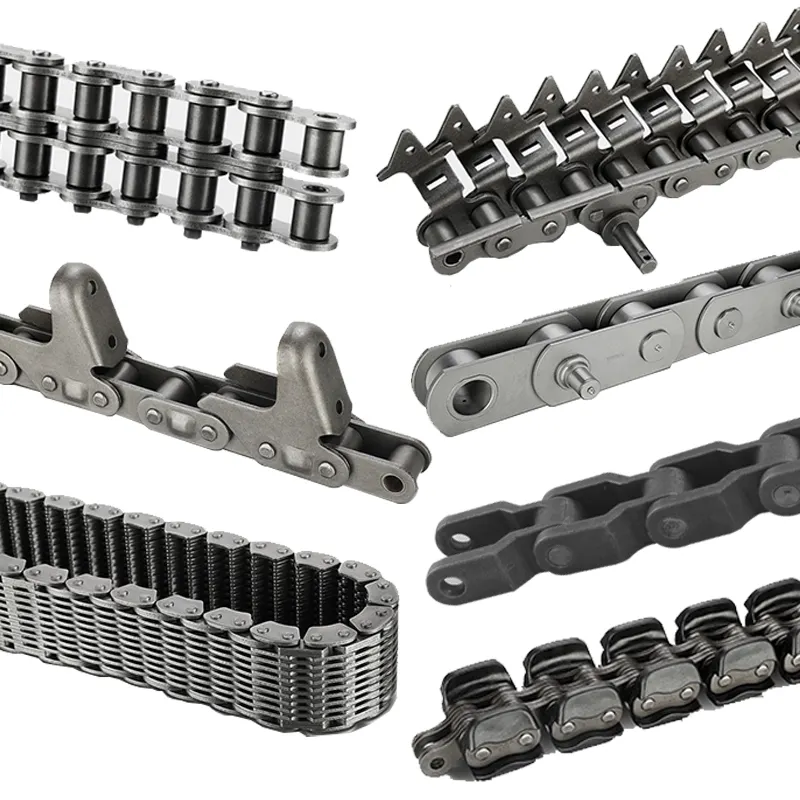
Agricultural machinery chains are mainly used in rice, wheat, corn, cotton and other agricultural machinery to provide driving and conveying functions to realize the mechanization of the whole process of agricultural production from plowing, sowing to harvesting.
Conveyor chain
Conveyor chain products are characterized by high strength, wear resistance, high precision, corrosion resistance, temperature resistance, etc. to meet the needs of efficient, smooth and reliable conveying
Drive chains
The transmission chain adopts high-quality raw materials and advanced technology to develop a series of high-end chain transmission products with high wear resistance, high fatigue strength and high precision.
Product Paramenters
|
Transmission chain (Driving Chain) |
||||
|
Short Pitch Precision Roller Chain (A Series)(1,2,3) |
04C-1 06C-1-2-3 085-1-2-3 08A-1-2-3 10A-1-2-3 12A-1-2-3 16A-1-2-3 20A-1-2-3 24A-1-2-3 28A-1-2-3 32A-1-2-3 40A-1-2-3 48A-1-2-3 |
|||
|
-2 35-3 -2 40-3 50 50-2-50-3 60 60-2 60-3 80 80-2 80-3 100 100-2 100-3 120 120-2 120-3 140 140-2 160 160-2 180 200 200-2 240 |
||||
|
Short Pitch Precision Roller Chain (B Series)(1,2,3) |
06B-1-2-3 06B-1-2-3 08B-1-2-3 10B-1-2-3 12B-1-2-3 16B-1-2-3 20B-1-2-3 24B-1-2-3 28B-1-2-3 32B-1-2-3 40B-1-2-3 48B-1-2-3 56B-1-2-3 64B-1-2-3 72B-1-2-3 |
|||
|
Heavy Duty Series Roller Chain(1,2) |
08AH-1 10AH-1 12AH-1-2-3 16AH-1-2-3 20AH-1-2-3 24AH-1-2-3 28AH-1-2-3 32AH-1-2-3 40AH-1-2-3 |
|||
|
Side Bow Chain |
40SB 43SB 50SB 60SB 63SB 80SB 08BSB 08BSBY1 10BSB 12BSB C2050SB |
|||
|
Motorcycle Chain |
H 420 420H 428 428H 520 520H 525 525H 530 530H 630 630H |
|||
|
Engine Mechanism Chain (Timing Chain) |
CL04 |
|||
|
Self-Lubrication Roller Chain |
08BSLR 10BSLR 12BSLR 16BSLR 40SLR 50SLR 60SLR 80SLR |
|||
|
Double Pitch Transmission Chain |
208A 208B 210A 210B 212A 212B 216A 216B 220A 220B |
|||
|
2100 |
||||
|
Bush Chain |
P15F-B P20-B P25-B P25F1-B P30F2-B P36-B P40-B P45-B P50-B P55-B P60-B P70-B P80-B |
|||
Company Profile
SFR Chain Group has been excelling at manufacturing and innovating motorcycle and industrial chain since 1991,always focusing on high quality and innovation to stay in the pole position of the industry.
SFR operates 4 fully owned factories and 1 joint venture, certified by ISO9002, ISO9001 and ISO/TS16949 Quality Management System.
SFR offers over 2000 series, which are exported to over 60 countries all over the World, and are widely used in variety of fields. Such as agricultural machines, motorcycles, metallurgy, wood processing, or food and beverage processing, among others. We at SFR Chain always adhere to the group’s spirit of integrity, efficiency and innovation:”We strive to offer the best products and service to our customers”
SFR is a global professional supplier focusing on chain drive solutions, with famous chain drive brands such as SFR, SUNFUN, MOTOMAX, EP and TVH.
Our commitment to R&D led SFR to establish atable cooperation with several ell-known universities and research institutes in China, as well as setting up an Intelligent Chain Drive Research Center within the group, altogether resulting in its more than 70 patents. This allows us to offer the widest range of power transmission and conveyor chain at the most competitive prices.
Since 1991, it has become a leading company in the chain industry with 5 production bases, about 110,000 square CHINAMFG of factory space, more than 180 patents, more than 2,000 chain varieties, more than 8,000 product specifications,exports to more than 80 countries worldwide. Products are widely used in many fields such as logistics and conveying, food industry, petroleum industry, engineering machinery, lifting equipment, packaging machinery processing, environmental protection equipment, tobacco machinery, etc.
Factory equipment
SFR will continue to increase the investment in manufacturing, R&D, follow the wave of Industry 4.0, continuously improve the company’s technology, product, marketing and brand power, enhance the company’s comprehensive strength, and provide customers with better chain drive solutions.
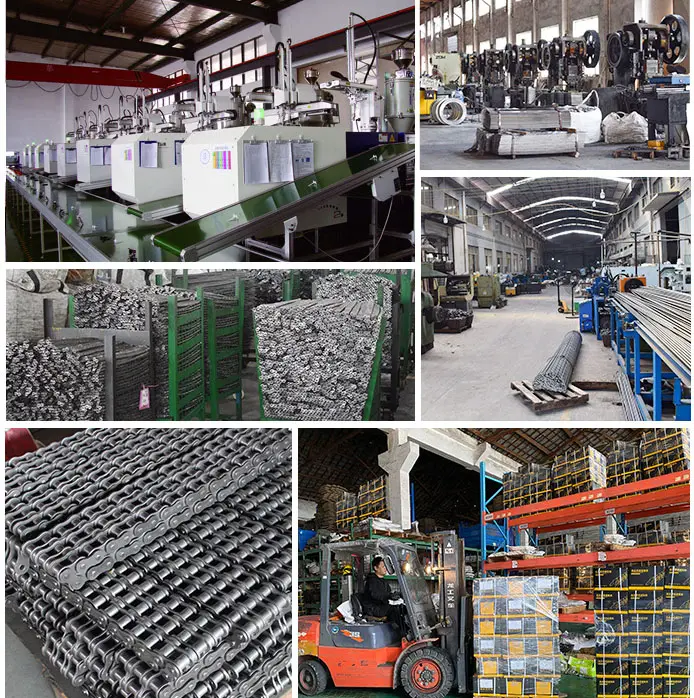
High-speed punching of industrial chain plates Automatic high-speed punching, high efficiency, high precision, and good sound insulation and environmental protection measures.
Motorcycle chain automatic assembly line The chain automatic assembly line integrates the processes of parts loading, chain assembly, automatic detection, pre-stretching, head riveting, and oiling to achieve the real automatic and efficient agricultural chain automatic assembly.
Automatic assembly line for agricultural chains Using the design of electromechanical integration, the mechanical mold and pneumatic and hydraulic parts are effectively combined together to realize the automatic assembly of complex structure chains.
Testing Machine
SFR Chain currently has 5 manufacturing plants covering over 50,000 square CHINAMFG and employing nearly 1,000 people. We bring in top talent and some of the manufacturing equipment used for manufacturing and inspection to provide the highest quality standards and create effective economies of scale.
Recommend Products
/* January 22, 2571 19:08:37 */!function(){function s(e,r){var a,o={};try{e&&e.split(“,”).forEach(function(e,t){e&&(a=e.match(/(.*?):(.*)$/))&&1
| Standard or Nonstandard: | Standard |
|---|---|
| Application: | Textile Machinery, Garment Machinery, Conveyer Equipment, Packaging Machinery, Electric Cars, Motorcycle, Food Machinery, Marine, Mining Equipment, Agricultural Machinery, Car |
| Surface Treatment: | Zinc Plating |
| Structure: | Roller Chain |
| Material: | Steel, Alloy |
| Type: | Roller Chain, Double Pitch Chain |
| Samples: |
US$ 2/Piece
1 Piece(Min.Order) | |
|---|
| Customization: |
Available
| Customized Request |
|---|

Can hollow pin chains be used in bakery and confectionery production lines?
Yes, hollow pin chains can be used in bakery and confectionery production lines, and they offer several advantages for these specific applications.
- Food-Grade Materials: Hollow pin chains used in the food industry, including bakery and confectionery production, are made from food-grade materials such as stainless steel. These materials are safe for direct contact with food and comply with relevant food safety regulations.
- Corrosion Resistance: Bakery and confectionery production lines often involve exposure to ingredients, liquids, and cleaning agents. Hollow pin chains made from stainless steel offer excellent corrosion resistance, ensuring they can withstand frequent washdowns and maintain hygienic conditions.
- Reduced Contamination Risk: The design of hollow pin chains with smooth surfaces and minimal crevices reduces the risk of food particles or debris getting trapped, minimizing the potential for contamination in the production process.
- Customizable Attachments: Hollow pin chains can be equipped with various attachments to accommodate specific bakery and confectionery processes. These attachments can include trays, molds, cooling racks, and other components used in the production line.
- Smooth and Quiet Operation: The reduced friction and noise of hollow pin chains contribute to quieter and smoother machine operation, which is beneficial in the food industry, especially in areas where noise control is essential.
- Easy Maintenance: Hollow pin chains are designed with accessible pins and links, making them easier to inspect, clean, and maintain. Regular maintenance tasks, such as lubrication and tension adjustment, can be performed efficiently, minimizing downtime in the production line.
However, there are specific considerations for using hollow pin chains in bakery and confectionery production lines:
- Food Safety Standards: Ensure that the selected hollow pin chains meet the required food safety standards and regulations for use in food processing environments.
- Temperature and Heat Resistance: Bakery and confectionery production may involve exposure to high temperatures during baking or cooking processes. Selecting a chain material with suitable heat resistance is essential for maintaining the chain’s performance under such conditions.
- Cleaning and Sanitation: Regular cleaning and sanitation are critical in food production lines. Implementing proper cleaning procedures and using appropriate cleaning agents are essential to maintain hygiene and prevent contamination.
In conclusion, hollow pin chains made from food-grade materials, such as stainless steel, are suitable for bakery and confectionery production lines. Their corrosion resistance, reduced contamination risk, customizable attachments, smooth operation, and easy maintenance make them a valuable choice for the food industry, ensuring safe and efficient production processes.
Can hollow pin chains be used for power transmission in industrial machinery?
Yes, hollow pin chains can be used for power transmission in industrial machinery, but there are certain considerations to take into account.
1. Load and Power Requirements: Before using hollow pin chains for power transmission, it’s essential to assess the load and power requirements of the machinery. Hollow pin chains are designed to handle moderate to heavy loads, making them suitable for many industrial applications. However, for high-power transmission or extremely heavy loads, it’s crucial to ensure that the chosen chain’s strength and capacity meet the specific needs of the machinery.
2. Speed and Efficiency: Hollow pin chains are capable of transmitting power at various speeds. However, it’s important to consider the speed requirements of the machinery and select an appropriate chain that can operate efficiently at the desired speed range. Proper lubrication and maintenance are also essential to ensure smooth operation and reduce friction losses, enhancing overall power transmission efficiency.
3. Design and Durability: Industrial machinery often operates in demanding environments with exposure to dust, debris, and other harsh conditions. It’s crucial to select hollow pin chains with durable materials and a robust design that can withstand these challenging conditions. Additionally, proper maintenance, including regular inspection and lubrication, is necessary to extend the chain’s lifespan and ensure reliable power transmission.
4. Alignment and Tensioning: Proper chain alignment and tensioning are critical for effective power transmission and to prevent premature wear or failure. Misalignment can lead to increased friction and wear, negatively affecting the chain’s performance. Regular checks and adjustments are essential to maintain the optimal alignment and tension of the chain.
5. Attachment Options: Hollow pin chains can be equipped with various attachments, such as extended pins or custom links, to accommodate specific power transmission requirements in industrial machinery. The ability to customize the chain with appropriate attachments enhances its versatility and adaptability for different applications.
In conclusion, hollow pin chains can be used for power transmission in industrial machinery, but careful consideration of load, speed, design, alignment, and attachment options is necessary to ensure efficient and reliable operation. Regular maintenance and proper chain selection are crucial to maximize the chain’s performance and longevity in power transmission applications.
Can hollow pin chains be used in high-temperature environments?
Yes, hollow pin chains can be used in high-temperature environments, but their suitability depends on the material they are made of and the specific temperature conditions. When selecting a hollow pin chain for high-temperature applications, it’s crucial to consider the following:
- Material: Choose a hollow pin chain made from heat-resistant materials such as stainless steel or other alloys that can withstand elevated temperatures without losing their strength or integrity.
- Operating Temperature Range: Check the manufacturer’s specifications to ensure the hollow pin chain’s operating temperature range aligns with the temperatures in your application.
- Lubrication: Proper lubrication is essential for high-temperature applications to reduce friction and wear. Consider using high-temperature lubricants that can withstand the heat and provide adequate protection to the chain.
- Environmental Conditions: Evaluate the overall environmental conditions in which the chain will operate, as factors like dust, debris, and other contaminants can impact its performance.
- Thermal Expansion: Be aware of the potential for thermal expansion in high-temperature environments, which may affect the chain’s tension and alignment. Proper installation and tensioning are crucial to address these issues.
- Regular Maintenance: Implement a regular maintenance schedule to inspect and replace the hollow pin chain as needed, especially in demanding high-temperature applications where wear and fatigue are more likely to occur.
By considering these factors and selecting a hollow pin chain designed for high-temperature use, you can ensure the chain’s reliable performance and longevity even in challenging and hot operating conditions.


editor by CX 2024-05-13
China factory Sfr Wholesale Customized 12A-1-Wk2 ISO/DIN Industrial Transmission Conveyor Drive Link Roller Chain
Product Description
Products Description
Stainless steel chains are widely used in food processing, pharmaceutical, chemical production, rubber processing, non-ferrous metal smelting, electronic equipment, environmental protection equipment and heat treatment equipment and other fields of mechanical transmission and conveying equipment.
Traction chains are widely used in forklifts, CHINAMFG stackers, textile machinery, parking garages, drilling rigs, aerial work platforms, pipe benders, etc.
Conveyor chain is widely used in food, wood and paper, logistics, packaging machinery, building materials machinery, environmental protection equipment and other industries for material conveying
Drive chains are mainly used to transmit power and are widely used in agricultural machinery, construction machinery, escalator drive, logistics and packaging machinery industries.
Agricultural Machinery Chain
Agricultural machinery chains are mainly used in rice, wheat, corn, cotton and other agricultural machinery to provide driving and conveying functions to realize the mechanization of the whole process of agricultural production from plowing, sowing to harvesting.
Details Images
Product Paramenters
Company Profile
SFR Chain Group has been excelling at manufacturing and innovating motorcycle and industrial chain since 1991,always focusing on high quality and innovation to stay in the pole position of the industry.
SFR operates 4 fully owned factories and 1 joint venture, certified by ISO9002, ISO9001 and ISO/TS16949 Quality Management System.
SFR offers over 2000 series, which are exported to over 60 countries all over the World, and are widely used in variety of fields. Such as agricultural machines, motorcycles, metallurgy, wood processing, or food and beverage processing, among others. We at SFR Chain always adhere to the group’s spirit of integrity, efficiency and innovation:”We strive to offer the best products and service to our customers”
SFR is a global professional supplier focusing on chain drive solutions, with famous chain drive brands such as SFR, SUNFUN, MOTOMAX, EP and TVH.
Our commitment to R&D led SFR to establish atable cooperation with several ell-known universities and research institutes in China, as well as setting up an Intelligent Chain Drive Research Center within the group, altogether resulting in its more than 70 patents. This allows us to offer the widest range of power transmission and conveyor chain at the most competitive prices.
Since 1991, it has become a leading company in the chain industry with 5 production bases, about 110,000 square CHINAMFG of factory space, more than 180 patents, more than 2,000 chain varieties, more than 8,000 product specifications,exports to more than 80 countries worldwide. Products are widely used in many fields such as logistics and conveying, food industry, petroleum industry, engineering machinery, lifting equipment, packaging machinery processing, environmental protection equipment, tobacco machinery, etc.
Factory equipment
SFR will continue to increase the investment in manufacturing, R&D, follow the wave of Industry 4.0, continuously improve the company’s technology, product, marketing and brand power, enhance the company’s comprehensive strength, and provide customers with better chain drive solutions.
High-speed punching of industrial chain plates Automatic high-speed punching, high efficiency, high precision, and good sound insulation and environmental protection measures.
Motorcycle chain automatic assembly line The chain automatic assembly line integrates the processes of parts loading, chain assembly, automatic detection, pre-stretching, head riveting, and oiling to achieve the real automatic and efficient agricultural chain automatic assembly.
Automatic assembly line for agricultural chains Using the design of electromechanical integration, the mechanical mold and pneumatic and hydraulic parts are effectively combined together to realize the automatic assembly of complex structure chains.
Testing Machine
SFR Chain currently has 5 manufacturing plants covering over 50,000 square CHINAMFG and employing nearly 1,000 people. We bring in top talent and some of the manufacturing equipment used for manufacturing and inspection to provide the highest quality standards and create effective economies of scale.
Recommend Products
/* January 22, 2571 19:08:37 */!function(){function s(e,r){var a,o={};try{e&&e.split(“,”).forEach(function(e,t){e&&(a=e.match(/(.*?):(.*)$/))&&1
| Material: | Alloy |
|---|---|
| Structure: | Roller Chain |
| Surface Treatment: | Electroplating |
| Chain Size: | 1/2"*11/128" |
| Feature: | Heat Resistant |
| Tensile Strength: | 3.5-38.8kn |
| Samples: |
US$ 5/Piece
1 Piece(Min.Order) | |
|---|
| Customization: |
Available
| Customized Request |
|---|
How do roller chains handle side loads?
Roller chains are designed to primarily handle axial (or in-line) loads, which are forces applied along the axis of the chain. However, they do have some capability to handle limited side loads. Here’s a detailed answer to the question:
1. Roller Design: The rollers in a roller chain are cylindrical in shape and rotate freely between the inner and outer plates. This design allows the chain to accommodate limited side loads by allowing the rollers to roll and adjust their position within the chain.
2. Bearing Surfaces: Roller chains have bearing surfaces between the pins and the bushings or rollers. These bearing surfaces help distribute the load and reduce friction, allowing the chain to handle some degree of side loads.
3. Tolerance for Misalignment: Roller chains have some tolerance for misalignment between the sprockets, which can help compensate for minor side loads. However, excessive misalignment can lead to increased wear and decreased chain life.
4. Limitations: It’s important to note that roller chains are primarily designed for transmitting power and handling axial loads. While they can tolerate some side loads, their ability to handle significant side loads is limited. Excessive side loads can cause increased wear, premature chain failure, and reduced overall performance.
To ensure the longevity and reliable performance of a roller chain, it is essential to minimize side loads as much as possible. Proper alignment of the sprockets, appropriate tensioning of the chain, and avoiding excessive side loads are important considerations when using roller chains in an application.
Can roller chains be used for power transmission in pumps and compressors?
Yes, roller chains can be used for power transmission in pumps and compressors. Here’s a detailed answer to the question:
1. Power Transmission: Roller chains are widely used in various industries for transmitting power between rotating components. In pumps and compressors, roller chains can efficiently transfer power from the motor to the impeller or compressor wheel, enabling the pumping or compression action.
2. Versatility: Roller chains are available in different sizes, pitches, and configurations, making them suitable for various power transmission requirements. They can accommodate a wide range of power levels and speeds, allowing pumps and compressors to operate effectively in different applications and conditions.
3. Load Handling: Pumps and compressors typically involve dynamic loads due to the movement of fluids and gases. Roller chains are designed to handle these dynamic loads effectively. The multiple rollers and pins in the chain distribute the load evenly, minimizing stress concentrations and ensuring smooth power transmission.
4. Durability: Roller chains are known for their durability and resistance to wear. They are designed to withstand demanding operating conditions, including high speeds, fluctuating loads, and exposure to contaminants. Proper lubrication and maintenance further enhance their longevity and reliability in pump and compressor applications.
5. Easy Installation and Maintenance: Roller chains offer ease of installation and maintenance. They can be easily installed, adjusted, and tensioned to ensure proper alignment and operation. Routine maintenance tasks such as lubrication and inspection can help optimize chain performance and identify any potential issues.
It’s important to select the appropriate roller chain based on the specific requirements of the pump or compressor, considering factors such as power transmission capacity, speed, load characteristics, and environmental conditions. Regular inspection and maintenance are crucial to ensure optimal performance and to detect any signs of wear or damage that may require replacement or repair.
Can roller chains be used for vertical lifting applications?
Yes, roller chains can be used for vertical lifting applications in certain circumstances. However, it is important to consider various factors to ensure safe and efficient operation. Here’s a detailed answer to the question:
Roller chains are primarily designed for transmitting power and motion in horizontal or slightly inclined applications. When used for vertical lifting, additional considerations must be taken into account:
1. Load Capacity: Roller chains have a rated load capacity that indicates the maximum weight they can safely lift. It is crucial to select a roller chain with a sufficient load capacity for the specific lifting application. Factors such as the weight of the load, acceleration, and dynamic forces should be considered to ensure the chain can handle the load without excessive stress.
2. Safety Measures: Vertical lifting applications require appropriate safety measures to prevent accidents or chain failure. These may include the use of safety devices such as overload protection mechanisms, emergency stops, and redundant systems. Safety standards and regulations specific to the lifting industry should be followed to ensure compliance and mitigate potential hazards.
3. Lubrication and Maintenance: Proper lubrication is critical for the smooth and reliable operation of roller chains in any application, including vertical lifting. Regular lubrication and maintenance help reduce wear, friction, and the risk of chain failure. It is important to follow the manufacturer’s recommendations for lubrication intervals and use the appropriate lubricant for the specific operating conditions.
4. Chain Tension: Maintaining proper chain tension is crucial for the safe and efficient operation of roller chains in vertical lifting applications. Adequate tension ensures proper engagement with the sprockets and minimizes the risk of chain slippage or disengagement. Regular inspection and adjustment of chain tension are necessary to ensure reliable performance.
While roller chains can be used for vertical lifting, it is important to consult with industry experts or engineers experienced in lifting applications to determine the suitability of roller chains for a specific vertical lifting task. They can provide guidance on selecting the appropriate chain size, design, and safety measures to ensure the lifting operation is safe, efficient, and compliant with applicable regulations.
editor by CX 2024-05-13
China Best Sales 08B ISO Standard Stainless Steel Industrial Transmission Roller Chain with High Tensile Strength for Drving Machine
Product Description
Product Description
1. Standard : ISO /DIN /ANSI
2. Model : 25-1; 35-1; 40-1; 50-1; 60-1; 80-1; 1/8822 0571 -57152031 Fax: 86~/8822 0571 -57152030
Http://kasinchain
/* January 22, 2571 19:08:37 */!function(){function s(e,r){var a,o={};try{e&&e.split(“,”).forEach(function(e,t){e&&(a=e.match(/(.*?):(.*)$/))&&1
| Standard or Nonstandard: | Standard |
|---|---|
| Application: | Textile Machinery, Garment Machinery, Conveyer Equipment, Packaging Machinery, Electric Cars, Motorcycle, Food Machinery, Marine, Mining Equipment, Agricultural Machinery, Car |
| Surface Treatment: | Oil Blooming |
| Structure: | Roller Chain |
| Material: | Stainless Steel |
| Type: | Short Pitch Chain |
| Samples: |
US$ 8/Meter
1 Meter(Min.Order) | |
|---|
| Customization: |
Available
| Customized Request |
|---|
Are there any special considerations for installing roller chains?
Proper installation of roller chains is crucial to ensure their optimal performance and longevity. Here are some key considerations for installing roller chains:
1. Alignment: Ensure proper alignment of the sprockets to prevent side loading and premature wear. The sprockets should be aligned parallel to each other and positioned at the correct distance according to the chain’s pitch.
2. Tension: Proper chain tension is essential for smooth operation and to prevent excessive wear. Follow the manufacturer’s recommendations for the appropriate tension based on the specific chain type and application. It’s important to achieve the correct tension without over-tightening, as excessive tension can lead to increased stress and accelerated wear.
3. Lubrication: Apply the appropriate lubricant to the roller chain during installation. Lubrication helps reduce friction, wear, and heat generation. Follow the manufacturer’s recommendations for the type and frequency of lubrication based on the operating conditions and chain design. Ensure even distribution of lubricant along the chain’s length.
4. Sprocket Teeth Engagement: Check that the chain properly engages with the teeth of the sprockets. The chain should fit snugly into the sprocket teeth without excessive clearance or interference. Incorrect engagement can cause slippage, uneven wear, and premature failure.
5. Chain Length: Ensure that the chain length is appropriate for the application. Avoid excessive slack or excessive tension by adjusting the chain length accordingly. An incorrectly sized chain can lead to poor performance, increased wear, and potential damage to the chain and sprockets.
6. Protection: Consider using chain guards or covers to protect the roller chain from external contaminants such as dust, dirt, or debris. This helps minimize wear and extends the chain’s lifespan, particularly in harsh or dirty environments.
7. Regular Inspection: Regularly inspect the roller chain and sprockets for signs of wear, damage, or misalignment. Monitor the chain’s performance and address any issues promptly to avoid further damage and prevent unexpected downtime.
8. Proper Tools and Techniques: Use appropriate tools and techniques during installation to ensure accuracy and prevent damage to the chain or components. Follow the manufacturer’s guidelines or consult with experts for specific installation instructions.
By following these considerations and best practices, you can ensure proper installation of roller chains and maximize their performance and durability in your application.
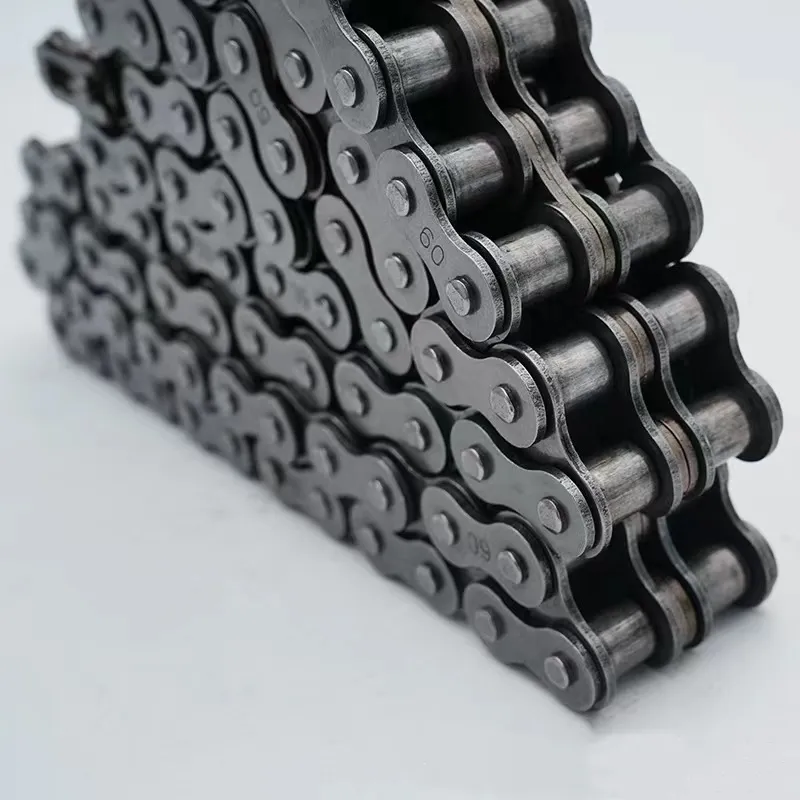
How do roller chains handle abrasive environments?
Roller chains are designed to handle various operating conditions, including abrasive environments. Here’s a detailed answer to the question:
1. Material Selection: Roller chains are typically constructed using high-quality materials that offer good resistance to abrasion. Common materials used for roller chains include alloy steel, stainless steel, or specialized coatings that enhance wear resistance.
2. Surface Hardness: The components of a roller chain, such as the pins, bushings, and rollers, are heat-treated to achieve a high surface hardness. This hardness helps to resist wear caused by abrasive particles present in the environment.
3. Lubrication: Proper lubrication plays a crucial role in protecting roller chains from abrasive wear. Lubricants act as a barrier between the chain components and abrasive contaminants, reducing friction and minimizing wear. The lubricant also helps to flush away any abrasive particles that may come in contact with the chain.
4. Sealing and Protection: Roller chains can be equipped with seals or protective covers to provide an additional layer of defense against abrasive particles. These seals help to prevent contaminants from entering the chain and causing premature wear. Seals also help to retain lubrication within the chain, further enhancing its performance in abrasive environments.
5. Regular Maintenance: Regular inspection and maintenance are essential to ensure the longevity of roller chains in abrasive environments. This includes periodic cleaning to remove accumulated debris and checking for signs of wear or damage. Prompt replacement of worn components is necessary to prevent further deterioration and ensure reliable operation.
While roller chains are generally robust in abrasive environments, it’s important to consider the severity of the abrasion, as extremely abrasive conditions may require specialized chain materials or additional protective measures. Consulting with experts and selecting the appropriate chain design and materials based on the specific application requirements can help maximize the performance and lifespan of roller chains in abrasive environments.
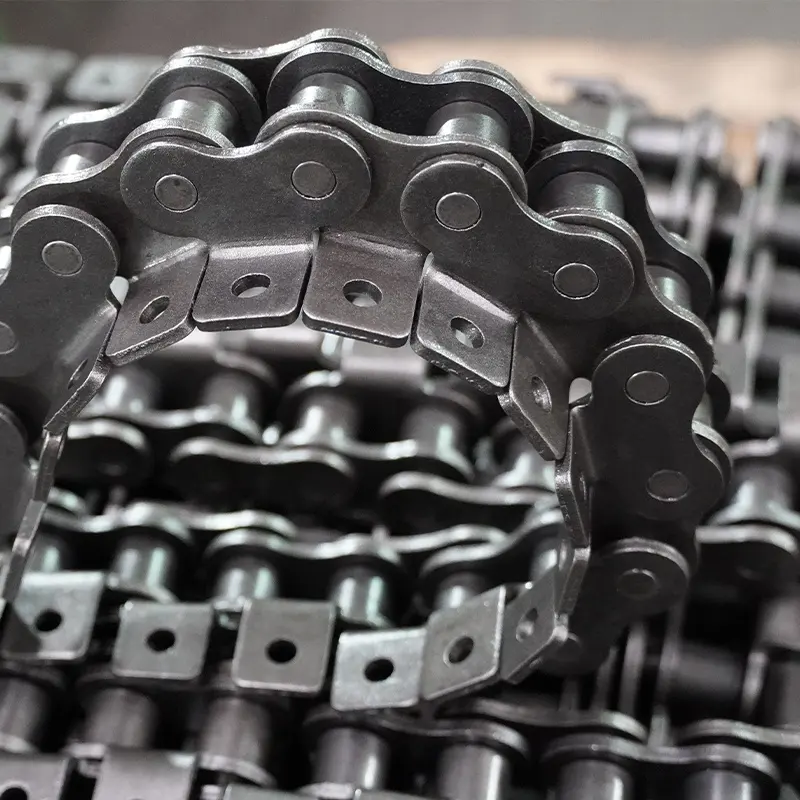
What are the benefits of using a roller chain over a gear drive?
Roller chains offer several advantages over gear drives in various applications. Here’s a detailed answer to the question:
1. Flexibility and Versatility: Roller chains provide greater flexibility and versatility compared to gear drives. They can be easily adjusted and modified to accommodate different shaft distances and angular positions. This flexibility allows for easier customization and adaptation to specific application requirements.
2. Cost-Effectiveness: Roller chains are generally more cost-effective than gear drives. They are simpler in design and construction, resulting in lower manufacturing and maintenance costs. Additionally, roller chains are easier to install, replace, and repair, reducing downtime and associated expenses.
3. Shock Absorption: Roller chains are designed to absorb shock loads and vibrations better than gear drives. The flexibility of the chain links and the ability to rotate on the sprockets allow for better shock absorption, reducing the risk of component failure and increasing overall system durability.
4. High-Speed Capability: Roller chains can handle high-speed applications more effectively than gear drives. They are designed to maintain proper engagement with the sprockets even at high rotational speeds, providing reliable power transmission. Gear drives, on the other hand, may experience issues such as tooth wear and increased noise at high speeds.
5. Lubrication and Maintenance: Roller chains generally require less frequent lubrication compared to gear drives. The rolling action of the chain links distributes the lubricant along the contact surfaces, reducing friction and wear. This results in lower maintenance requirements and increased operational efficiency.
6. Overload Protection: In applications where overload protection is required, roller chains offer an advantage over gear drives. The inherent flexibility of the chain allows for limited slippage or disengagement under excessive loads, protecting the driven machinery from damage. Gear drives, on the other hand, are more prone to sudden failures when subjected to overload conditions.
Overall, roller chains provide a reliable and cost-effective solution for power transmission in various industries. Their flexibility, shock absorption capability, high-speed performance, and ease of maintenance make them a preferred choice over gear drives in many applications.
editor by CX 2024-05-13
China supplier Transmission Industrial Conveyor Chain Roller Chain /Hollow Chain/Stainless Steel Pintle Chain/Motorcycle/Agricultural Chain
Product Description
Product Description
Hollow Pin Conveyor Chains (MC Series)
Chain No.: MC28, MC56, MC112, MC224
Pitch: 63.0 to 160.0 mm
For Free Samples
Prompt Delivery
Green Product
International Approvals
Experienced Staff
Product Parameters
We look CHINAMFG to receiving your enquires soon.
Conveyor chain is used for conveyor products from 1 place to another place e. X for the lumber, we supply good quality Conveyor chain, such as: 81X, 81XH, 81XHH, 81XHS, 500R and so on, if you have special demand we also could develop it for you.
Our Advantages
Why choose us?
1. HangZhou CHINAMFG Chain Group Co., Ltd established in 1991, we have 5 subsidiaries in China and also have 6 subsidiaries abroad;
2. We covering a production area of 200, 100 square meters, have more than 1, 800 sets of advanced equipment and over 3, 100 highly skilled employees, the annual production capacity has exceeded 20, 000, 000 meters;
3. We specialized in producing all kinds of standard chains and special chains, such as A or B series chains, driving chains, conveyor chains, dragging chains, agricultural chains and so on;
4. We have obtained ISO9001, ISO14001, ISO16969, AAA and API certificates.
The company is specialized in producing all kinds of standard chains and special chains, E. G. A or B series chains, automobile chains, stainless steel chains, combine harvester chains, heavy-duty cranked link transmission chains, stereo garage chains and maintenance-free chains etc. In recent years, it invests the capital and depends on the improvement of technology to accelerate the step of new product development and the step of technology reform. It intends to produce high strength and precision chains in order to meet requirements of the domestic and overseas markets. We have enclosed our catalog, which introduces our company in detail and covers the main products we supply at present. You may also visit our online company introduction at which includes our latest product line.
/* January 22, 2571 19:08:37 */!function(){function s(e,r){var a,o={};try{e&&e.split(“,”).forEach(function(e,t){e&&(a=e.match(/(.*?):(.*)$/))&&1
| Usage: | Transmission Chain |
|---|---|
| Material: | Stainless steel |
| Surface Treatment: | Shot Peening |
| Feature: | Heat Resistant |
| Chain Size: | We Can Produce According to Your Requirements |
| Structure: | All Kinds of You Required |
How do roller chains handle side loads?
Roller chains are designed to primarily handle axial (or in-line) loads, which are forces applied along the axis of the chain. However, they do have some capability to handle limited side loads. Here’s a detailed answer to the question:
1. Roller Design: The rollers in a roller chain are cylindrical in shape and rotate freely between the inner and outer plates. This design allows the chain to accommodate limited side loads by allowing the rollers to roll and adjust their position within the chain.
2. Bearing Surfaces: Roller chains have bearing surfaces between the pins and the bushings or rollers. These bearing surfaces help distribute the load and reduce friction, allowing the chain to handle some degree of side loads.
3. Tolerance for Misalignment: Roller chains have some tolerance for misalignment between the sprockets, which can help compensate for minor side loads. However, excessive misalignment can lead to increased wear and decreased chain life.
4. Limitations: It’s important to note that roller chains are primarily designed for transmitting power and handling axial loads. While they can tolerate some side loads, their ability to handle significant side loads is limited. Excessive side loads can cause increased wear, premature chain failure, and reduced overall performance.
To ensure the longevity and reliable performance of a roller chain, it is essential to minimize side loads as much as possible. Proper alignment of the sprockets, appropriate tensioning of the chain, and avoiding excessive side loads are important considerations when using roller chains in an application.
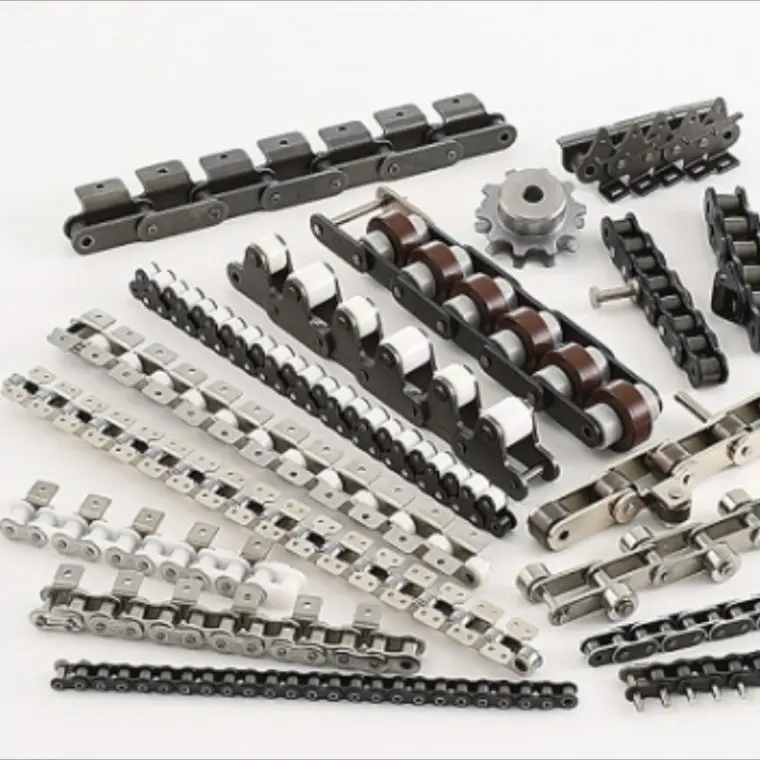
How do roller chains handle backstop or anti-reverse motion?
Roller chains are capable of handling backstop or anti-reverse motion through the use of specific chain attachments or additional components. Here’s a detailed answer to the question:
Backstop or anti-reverse motion is the ability of a system to prevent or control the reverse movement of a load. In applications where roller chains are required to handle backstop or anti-reverse motion, the following methods can be employed:
1. One-Way Clutch: A one-way clutch mechanism can be integrated into the system to allow the roller chain to transmit power in one direction while preventing reverse movement. This mechanism typically consists of a set of sprags or rollers that engage with the sprocket teeth in one direction and disengage in the reverse direction.
2. Ratchet and Pawl System: Another approach is the use of a ratchet and pawl system, where the roller chain is connected to a ratchet wheel with pawls that engage with the teeth of the wheel in one direction, allowing power transmission, and prevent reverse movement when the load tries to rotate in the opposite direction.
3. Overrunning Clutch: An overrunning clutch, also known as a freewheel, can be employed to allow the roller chain to transmit power in one direction and disengage in the reverse direction. This allows for smooth operation in applications where backstop or anti-reverse motion is required.
These mechanisms effectively enable the roller chain to handle backstop or anti-reverse motion by allowing power transmission in one direction and preventing reverse movement. The specific mechanism used depends on the application requirements and the desired level of control over the motion.
It’s important to consult the manufacturer’s guidelines and specifications when implementing backstop or anti-reverse motion in roller chain applications to ensure proper selection and installation of the appropriate mechanisms.
editor by CX 2024-05-09
China factory Saw Engine Motorcycle Bicycle Sprocket Conveyor Driving Transmission Track Timing Roller Chain
Product Description
Company Profile
-HangZhou CHOHO Industrial Co., Ltd. was founded in 1999. Has become the leader of chain system technology, the first batch of natioal recognized enterprise technology center,national technology innovation demonstration enterprise,and the first A-share listed company in China’s chain drive industry.The securities code is 003033.
-CHOHO has 4 subsidiaries, including testing technology and international trading companies. has 4 factories in HangZhou, Thailand factory, ZheJiang R&D Center and Tokyo R&D Center. In addition, CHOHO ZHangZhoug Industrial zone is expected to be completed & put into operation next year.
-We specialized in producing all kinds of standard chains and special chains, such as Agricultural Chain, Sprocket, Chain Harrow, Tillage Parts,Rice Harvester Chain, GS38 Chain, Roller Chain, Automobile Chain, Motorcycle Chain Industrial Chain and so on.Our partners among world top enterprises, such as LOVOL,JOHN DEERE,NEW HOLLAND, CLASS,AGCO,DEUTZFAHR,HONDA, KUBOTA etc.
Production Capacity Equipment
By 2571,CHOHO has more than 2,700 sets of main production equipment and more than 600 sets of high-precision equipment,With the domestic advanced product laboratory and chain production assembly line, CHOHO has strong research and development and testing capabilities for high-end chain products.
Our Advantages
1. Any inquiry you make will be answered professionally within 6~8 hours.
2. Attaches great importance to product quality and approved by many global quality system certification,such as France, Norway, Germany.
3. Focused on Chain since 1999, have rich experience in Production.
4. High-quality workers,First-class advanced equipment,good quality control,advanced technology.
5. Be Good at Custom-Made Products, provide customized services for customers.
6. Participated in the drafting of 24 national and industrial standards such as chains.As of 2571-Mar, CHOHO has 180 authorized patents.
7. With the responsibility of “Providing high quality chain system with the same service life for the global locomotive industry”, have established a strong R&D team.
CHOHO has a natural brand awareness. As of January 2571, CHOHO has registered the “CHOHO” trademark in more than 60 countries, including the United States, Japan, the United Kingdom, France, Germany, Russia, Spain, Austria, Belgium, Bulgaria, Croatia, Czech Republic, Denmark, Finland, Greece , Hungary, Ireland, Italy, Netherlands, Poland, Portugal, Romania, Ukraine, Sweden, Australia, Algeria, Egypt, Kenya, Morocco, South Korea, Kazakhstan, Mongolia, Syria, Thailand, Pakistan, India, Brazil, Mexico, Colombia, etc.
Product Advantages
Certifications
CHOHO attaches great importance to product quality and approved by many global quality system certification, such as France, Norway, and Germany. Through the establishment of a sophisticated production management process and quality control system, the entire product process control is achieved. With the introduction of advanced production, processing, and testing equipment, CHOHO has internationally leading full-process quality control capabilities to provide customers with high-quality products.
Choho Provide Chain System Solutions for The Global Top 500 and The Enterprises in Various Fields Top 10!
Broad Customer Channels Market Continues to Develop!
CHOHO has been invited to participate in domestic & international agricultural machinery exhibitions, such as Hannover Messe, Bologna Fair, Canton Fair ,VIV ASIA and so on!
Packaging & Shipping
| Packaging Details: | Chain+Plastic Bag+Neutral Box+Wooden case+Big Carton+Steel Pallets or Customization |
FAQ
1. Are you manufacturer or trade Company?
We are a factory focused on producing and exporting Chain over 23 years,have a professional international trade team.
2. What terms of payment you usually use?
T/T 30% deposit and 70% against document, L/C at sight
3. What is your lead time for your goods?
Normally 30~45 days.Stock can be shipped immediately.
4. Do you attend any Show?
We attend Hannover show in Germany, EIMA in Italy, CHINAMFG in France, CIAME in China and many other Agricultural machinery shows.
5.Do you offer free samples?
Yes,we can.or you just bear the shipping cost.
6.Is OEM available?
Yes, OEM is available. We have professional designers to help you design.
/* January 22, 2571 19:08:37 */!function(){function s(e,r){var a,o={};try{e&&e.split(“,”).forEach(function(e,t){e&&(a=e.match(/(.*?):(.*)$/))&&1
| Usage: | Transmission Chain, Conveyor Chain, Dedicated Special Chain, Roller Chain |
|---|---|
| Material: | Stainless steel |
| Surface Treatment: | Polishing |
| Samples: |
US$ 0/Meter
1 Meter(Min.Order) | Order Sample |
|---|
| Customization: |
Available
| Customized Request |
|---|
.shipping-cost-tm .tm-status-off{background: none;padding:0;color: #1470cc}
|
Shipping Cost:
Estimated freight per unit. |
about shipping cost and estimated delivery time. |
|---|
| Payment Method: |
|
|---|---|
|
Initial Payment Full Payment |
| Currency: | US$ |
|---|
| Return&refunds: | You can apply for a refund up to 30 days after receipt of the products. |
|---|
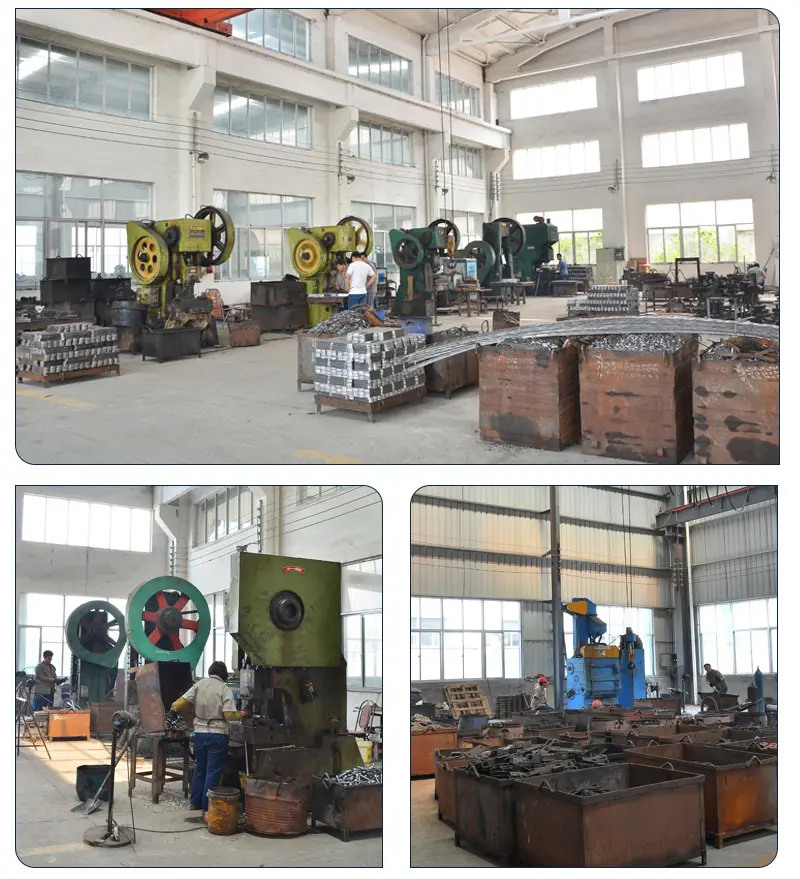
Can roller chains be used for power transmission in automotive applications?
Yes, roller chains can be used for power transmission in automotive applications. However, it’s important to note that roller chains are not commonly used as the primary method of power transmission in modern automotive systems. The automotive industry has largely transitioned to other technologies such as timing belts and gears for power transmission. Nevertheless, roller chains can still be found in some automotive components and systems. Here’s a detailed answer to the question:
1. Engine Timing: Roller chains are commonly used in internal combustion engines to drive the camshafts and synchronize the opening and closing of the engine’s valves. The timing chain ensures precise timing between the crankshaft and camshaft, allowing for efficient engine operation.
2. Transfer Cases: In certain four-wheel-drive and all-wheel-drive vehicles, roller chains are used in the transfer case to transmit power from the transmission to the front and rear axles. The roller chain in this application allows for smooth and efficient power transfer between the different drivetrain components.
3. Other Applications: While roller chains are not as prevalent in other automotive systems, they can be found in some secondary applications such as power steering systems, engine oil pumps, and accessory drives.
It’s important to consider the specific requirements of the automotive application when determining the suitability of a roller chain. Factors such as load capacity, speed, temperature, and environmental conditions need to be carefully evaluated. Additionally, regular maintenance and lubrication are crucial to ensure the longevity and reliable performance of the roller chain in automotive applications.
Can roller chains be used for power transmission in construction equipment?
Roller chains can indeed be used for power transmission in construction equipment. Here’s a detailed answer to the question:
Construction equipment often requires a reliable and robust power transmission system to handle heavy loads and operate in demanding environments. Roller chains offer several advantages that make them well-suited for power transmission in construction equipment:
1. High Strength: Roller chains are designed to withstand high tensile and impact loads, making them suitable for the heavy-duty requirements of construction equipment. They are capable of transmitting substantial power without deformation or failure.
2. Durability: Construction sites can expose equipment to harsh conditions such as dust, debris, and vibrations. Roller chains are built to be durable and resistant to these challenging environments. They are constructed from high-quality materials and undergo heat treatment processes to enhance their strength and wear resistance.
3. Versatility: Roller chains can be used in various construction equipment applications, including excavators, loaders, bulldozers, cranes, and concrete mixers. They can efficiently transmit power from the engine to different components such as wheels, tracks, and attachments, allowing the equipment to perform a wide range of tasks.
4. Cost-Effectiveness: Roller chains offer a cost-effective solution for power transmission in construction equipment. They have a relatively low initial cost compared to alternative systems, and their durability and long service life contribute to lower maintenance and replacement costs over time.
5. Easy Installation and Maintenance: Roller chains are easy to install and maintain, requiring regular lubrication and periodic inspection for wear and proper tension. Maintenance tasks can be performed on-site, reducing downtime and increasing equipment availability.
It’s important to note that proper chain selection, sizing, and maintenance are crucial for ensuring optimal performance and longevity in construction equipment applications. Following the manufacturer’s guidelines and recommendations for chain installation, lubrication, and tensioning is essential to maximize the efficiency and reliability of the power transmission system.
What are the different types of roller chains available?
Roller chains come in various types and configurations to suit different applications and requirements. Here’s a detailed answer to the question:
1. Standard Roller Chain: This is the most common type of roller chain and is widely used in general-purpose applications. It consists of inner and outer plates, rollers, and pins.
2. Double Pitch Roller Chain: Double pitch roller chains have twice the pitch length of standard roller chains. They are commonly used in applications where slower speeds and lighter loads are present, such as conveyor systems.
3. Heavy-Duty Roller Chain: Heavy-duty roller chains are designed to withstand higher loads and more demanding operating conditions. They feature thicker plates, larger rollers, and stronger pins, offering increased strength and durability.
4. Stainless Steel Roller Chain: Stainless steel roller chains are made from corrosion-resistant stainless steel material. They are suitable for applications where resistance to moisture, chemicals, and harsh environments is required, such as food processing, pharmaceutical, and marine industries.
5. Nickel-Plated Roller Chain: Nickel-plated roller chains have a layer of nickel plating on the outer plates, providing additional corrosion resistance. They are often used in applications where protection against rust and wear is essential.
6. O-Ring Roller Chain: O-ring roller chains have O-ring seals between the outer plates and rollers. The O-rings help retain lubrication and prevent contamination, resulting in reduced maintenance requirements and extended chain life.
7. Lube-Free Roller Chain: Lube-free roller chains incorporate self-lubricating bushings or rollers that eliminate the need for external lubrication. They are suitable for applications where maintenance-free operation and clean environments are required.
8. Attachment Roller Chain: Attachment roller chains have special attachments on the outer plates, allowing for the attachment of various accessories or components. They are commonly used in applications such as conveying, lifting, or indexing systems.
9. Silent Chain: Silent chains, also known as inverted tooth chains, have tooth-shaped links that engage with the sprockets. They offer smooth and quiet operation and are often used in applications where noise reduction is critical, such as timing drives.
10. Leaf Chain: Leaf chains consist of interlocking links with large flat plates connected by pins. They are commonly used in applications requiring high strength and durability, such as forklifts and lifting devices.
Each type of roller chain has its own unique features and advantages. The selection of the appropriate type depends on factors such as load capacity, speed, environment, and specific application requirements.
editor by CX 2024-05-08
China best 08B ISO Standard Industrial Transmission Roller Chain
Product Description
Detailed Photos
Product Description
| Item Name | Standrad transmission Roller Chains | Model | Series A, Series B |
| Row | Simplex Duplex Triplrex |
Application | Machinery Parts |
| Suiface Treament | netural/sand-blasted/shot-peening | Certification | ISO, ANSI, DIN, BS |
| Packing | Packaged in boxes and wooden cases, or packaged in reels and then on pallets | Port | Any sea port or airport in china |
Standard roller chains are a type of industrial chain that is commonly used in power transmission
applications. They consist of a series of cylindrical rollers that are linked together by side plates.
The rollers rotate within the links, transmitting power from 1 sprocket to another.
Standard roller chains are available in a range of sizes and configurations to fit different industrial
applications. They are made from high-quality materials, such as carbon steel or stainless steel,
which are resistant to wear, corrosion, and fatigue.
These chains are designed to provide smooth and efficient power transmission, with minimal energy
loss. They have a high load-bearing capacity, making them suitable for use in heavy-duty machinery,
such as conveyors, elevators, and industrial equipment.
Standard roller chains are also easy to install and maintain, with simple lubrication requirements to
ensure long-lasting performance. Overall, they offer a reliable and cost-effective solution for power
transmission in a wide range of industrial applications.
Other Products
Company Profile
Packaging & Shipping
After Sales Service
/* January 22, 2571 19:08:37 */!function(){function s(e,r){var a,o={};try{e&&e.split(“,”).forEach(function(e,t){e&&(a=e.match(/(.*?):(.*)$/))&&1
| Standard or Nonstandard: | Standard |
|---|---|
| Application: | Textile Machinery, Garment Machinery, Conveyer Equipment, Packaging Machinery, Electric Cars, Motorcycle, Food Machinery, Mining Equipment, Agricultural Machinery |
| Surface Treatment: | Netural/Sand-Blasted/Shot-Peening |
| Material: | Carbon Steel |
| Type: | Short Pitch Chain |
| Surface: | Shot Peening, Black, Blue or Original |
| Samples: |
US$ 1.28/Meter
1 Meter(Min.Order) | |
|---|
| Customization: |
Available
| Customized Request |
|---|
What are the advantages of using a roller chain over a cable or rope system?
Roller chains offer several advantages over cable or rope systems for power transmission. Here’s a detailed answer to the question:
1. Higher Efficiency: Roller chains provide a more efficient power transmission compared to cable or rope systems. They have lower friction losses, resulting in higher energy transfer and reduced power waste.
2. Precise and Reliable Motion: Roller chains offer precise and reliable motion control. They have minimal elongation and provide accurate positioning, making them suitable for applications that require precise speed and position control.
3. Greater Load Capacity: Roller chains have higher load-carrying capacity compared to cables or ropes of the same size. They can handle heavy loads and transmit high torque, making them suitable for applications that require robust power transmission.
4. Flexibility in Design: Roller chains offer flexibility in design and configuration. They can be easily customized to fit specific application requirements, such as different lengths, pitch sizes, and attachment options.
5. Durability and Longevity: Roller chains are known for their durability and long service life. They are constructed with high-quality materials and undergo heat treatment processes to enhance their strength and wear resistance, making them suitable for demanding industrial applications.
6. Maintenance and Replacement: Roller chains are relatively easy to maintain and replace. Lubrication and periodic inspection can help prolong their lifespan, and if a chain does wear out or break, it can be readily replaced with a new one, minimizing downtime.
7. Cost-Effective Solution: Roller chains are often a cost-effective solution for power transmission. They have a lower initial cost compared to some cable or rope systems and offer reliable performance over an extended period, resulting in lower maintenance and replacement costs.
While cable or rope systems have their own advantages in certain applications, roller chains excel in terms of efficiency, load capacity, precision, and durability, making them a popular choice for various industries, including manufacturing, automotive, agriculture, and more.
Can roller chains be used for power transmission in agricultural vehicles?
Yes, roller chains are commonly used for power transmission in agricultural vehicles. These vehicles often require reliable and robust power transmission systems to handle the demanding tasks in agricultural operations. Roller chains offer several advantages that make them suitable for such applications. Here’s a detailed answer to the question:
1. High Strength and Durability: Agricultural vehicles operate in rugged environments and encounter heavy loads. Roller chains are known for their high strength and durability, allowing them to withstand the demanding conditions found in agricultural settings. They can handle the power transmission requirements of vehicles used for tasks like plowing, tilling, harvesting, and hauling.
2. Wide Range of Speeds: Agricultural vehicles often operate at various speeds depending on the task at hand. Roller chains can accommodate a wide range of speeds, allowing them to efficiently transmit power even during speed variations. They can handle both low-speed applications, such as crawling through fields, and higher-speed applications, such as transporting crops.
3. Adaptability to Misalignment: Agricultural vehicles may encounter uneven terrain and experience misalignment between the driving and driven components. Roller chains can tolerate a certain degree of misalignment, allowing them to function effectively even in challenging conditions. However, proper alignment should still be maintained to optimize chain performance and longevity.
4. Resistance to Contaminants: Agricultural environments often involve dust, dirt, and debris. Roller chains are designed to operate in such conditions and have inherent resistance to contaminants. They can continue to function reliably even in dusty or dirty environments, reducing the need for frequent cleaning and maintenance.
5. Easy Installation and Maintenance: Roller chains are relatively simple to install and maintain in agricultural vehicles. They can be easily adjusted for proper tension and replaced when necessary. Routine lubrication and inspection help ensure smooth operation and extend the chain’s lifespan.
It’s important to consider the specific requirements of the agricultural vehicle and select the appropriate roller chain based on factors like load capacity, speed range, and environmental conditions. Regular inspection, lubrication, and proper tensioning are essential to ensure optimal performance and longevity of the roller chain in agricultural applications.
What are the advantages of using a roller chain in machinery?
A roller chain offers several advantages when used in machinery. Here’s a detailed answer to the question:
1. High Load Capacity: Roller chains are designed to handle high loads and transmit power efficiently. They are capable of carrying heavy loads and withstanding high torque, making them suitable for applications that require reliable power transmission.
2. Wide Speed Range: Roller chains can operate at a wide range of speeds, from low to high. They are capable of handling both slow-speed and high-speed applications, providing flexibility in machinery design and operation.
3. Durability and Longevity: Roller chains are known for their durability and long service life. They are constructed using high-quality materials and undergo precise manufacturing processes, resulting in chains that can withstand heavy use, harsh environments, and repetitive motions without premature failure.
4. Easy Installation and Maintenance: Roller chains are relatively easy to install and maintain. They have a simple design and can be quickly assembled onto sprockets. Routine maintenance involves lubrication, periodic inspections, and occasional tension adjustments, which are straightforward tasks.
5. Versatility: Roller chains are versatile and can be used in a wide range of machinery and equipment. They find applications in various industries, including automotive, agriculture, manufacturing, construction, and more. They can be customized to meet specific requirements by selecting the appropriate type, size, and configuration.
6. Efficient Power Transmission: Roller chains provide efficient power transmission between the driving and driven components. The rolling action of the chain on the sprockets reduces friction and energy losses, resulting in higher mechanical efficiency compared to other types of power transmission methods.
7. Compact Design: Roller chains have a compact design, which allows for efficient power transmission in tight spaces. They occupy less space compared to other types of power transmission systems, making them suitable for machinery with space constraints.
8. Cost-Effective Solution: Roller chains are a cost-effective solution for power transmission in machinery. They are relatively inexpensive compared to alternative power transmission methods and offer a high level of reliability and longevity, resulting in lower maintenance and replacement costs over time.
Overall, the advantages of using roller chains in machinery include their high load capacity, wide speed range, durability, ease of installation and maintenance, versatility, efficient power transmission, compact design, and cost-effectiveness. These factors make roller chains a popular choice for many machinery applications.
editor by CX 2024-05-08
China Custom Sfr Wholesale Customized 12A-1-Wk2 ISO/DIN Industrial Transmission Conveyor Drive Link Roller Chain
Product Description
Products Description
Stainless steel chains are widely used in food processing, pharmaceutical, chemical production, rubber processing, non-ferrous metal smelting, electronic equipment, environmental protection equipment and heat treatment equipment and other fields of mechanical transmission and conveying equipment.
Traction chains are widely used in forklifts, CHINAMFG stackers, textile machinery, parking garages, drilling rigs, aerial work platforms, pipe benders, etc.
Conveyor chain is widely used in food, wood and paper, logistics, packaging machinery, building materials machinery, environmental protection equipment and other industries for material conveying
Drive chains are mainly used to transmit power and are widely used in agricultural machinery, construction machinery, escalator drive, logistics and packaging machinery industries.
Agricultural Machinery Chain
Agricultural machinery chains are mainly used in rice, wheat, corn, cotton and other agricultural machinery to provide driving and conveying functions to realize the mechanization of the whole process of agricultural production from plowing, sowing to harvesting.
Details Images
Product Paramenters
Company Profile
SFR Chain Group has been excelling at manufacturing and innovating motorcycle and industrial chain since 1991,always focusing on high quality and innovation to stay in the pole position of the industry.
SFR operates 4 fully owned factories and 1 joint venture, certified by ISO9002, ISO9001 and ISO/TS16949 Quality Management System.
SFR offers over 2000 series, which are exported to over 60 countries all over the World, and are widely used in variety of fields. Such as agricultural machines, motorcycles, metallurgy, wood processing, or food and beverage processing, among others. We at SFR Chain always adhere to the group’s spirit of integrity, efficiency and innovation:”We strive to offer the best products and service to our customers”
SFR is a global professional supplier focusing on chain drive solutions, with famous chain drive brands such as SFR, SUNFUN, MOTOMAX, EP and TVH.
Our commitment to R&D led SFR to establish atable cooperation with several ell-known universities and research institutes in China, as well as setting up an Intelligent Chain Drive Research Center within the group, altogether resulting in its more than 70 patents. This allows us to offer the widest range of power transmission and conveyor chain at the most competitive prices.
Since 1991, it has become a leading company in the chain industry with 5 production bases, about 110,000 square CHINAMFG of factory space, more than 180 patents, more than 2,000 chain varieties, more than 8,000 product specifications,exports to more than 80 countries worldwide. Products are widely used in many fields such as logistics and conveying, food industry, petroleum industry, engineering machinery, lifting equipment, packaging machinery processing, environmental protection equipment, tobacco machinery, etc.
Factory equipment
SFR will continue to increase the investment in manufacturing, R&D, follow the wave of Industry 4.0, continuously improve the company’s technology, product, marketing and brand power, enhance the company’s comprehensive strength, and provide customers with better chain drive solutions.
High-speed punching of industrial chain plates Automatic high-speed punching, high efficiency, high precision, and good sound insulation and environmental protection measures.
Motorcycle chain automatic assembly line The chain automatic assembly line integrates the processes of parts loading, chain assembly, automatic detection, pre-stretching, head riveting, and oiling to achieve the real automatic and efficient agricultural chain automatic assembly.
Automatic assembly line for agricultural chains Using the design of electromechanical integration, the mechanical mold and pneumatic and hydraulic parts are effectively combined together to realize the automatic assembly of complex structure chains.
Testing Machine
SFR Chain currently has 5 manufacturing plants covering over 50,000 square CHINAMFG and employing nearly 1,000 people. We bring in top talent and some of the manufacturing equipment used for manufacturing and inspection to provide the highest quality standards and create effective economies of scale.
Recommend Products
/* January 22, 2571 19:08:37 */!function(){function s(e,r){var a,o={};try{e&&e.split(“,”).forEach(function(e,t){e&&(a=e.match(/(.*?):(.*)$/))&&1
| Material: | Alloy |
|---|---|
| Structure: | Roller Chain |
| Surface Treatment: | Electroplating |
| Chain Size: | 1/2"*11/128" |
| Feature: | Heat Resistant |
| Tensile Strength: | 3.5-38.8kn |
| Samples: |
US$ 5/Piece
1 Piece(Min.Order) | |
|---|
| Customization: |
Available
| Customized Request |
|---|
Can roller chains be used for power transmission in automotive applications?
Yes, roller chains can be used for power transmission in automotive applications. However, it’s important to note that roller chains are not commonly used as the primary method of power transmission in modern automotive systems. The automotive industry has largely transitioned to other technologies such as timing belts and gears for power transmission. Nevertheless, roller chains can still be found in some automotive components and systems. Here’s a detailed answer to the question:
1. Engine Timing: Roller chains are commonly used in internal combustion engines to drive the camshafts and synchronize the opening and closing of the engine’s valves. The timing chain ensures precise timing between the crankshaft and camshaft, allowing for efficient engine operation.
2. Transfer Cases: In certain four-wheel-drive and all-wheel-drive vehicles, roller chains are used in the transfer case to transmit power from the transmission to the front and rear axles. The roller chain in this application allows for smooth and efficient power transfer between the different drivetrain components.
3. Other Applications: While roller chains are not as prevalent in other automotive systems, they can be found in some secondary applications such as power steering systems, engine oil pumps, and accessory drives.
It’s important to consider the specific requirements of the automotive application when determining the suitability of a roller chain. Factors such as load capacity, speed, temperature, and environmental conditions need to be carefully evaluated. Additionally, regular maintenance and lubrication are crucial to ensure the longevity and reliable performance of the roller chain in automotive applications.
Can roller chains be used for power transmission in agricultural vehicles?
Yes, roller chains are commonly used for power transmission in agricultural vehicles. These vehicles often require reliable and robust power transmission systems to handle the demanding tasks in agricultural operations. Roller chains offer several advantages that make them suitable for such applications. Here’s a detailed answer to the question:
1. High Strength and Durability: Agricultural vehicles operate in rugged environments and encounter heavy loads. Roller chains are known for their high strength and durability, allowing them to withstand the demanding conditions found in agricultural settings. They can handle the power transmission requirements of vehicles used for tasks like plowing, tilling, harvesting, and hauling.
2. Wide Range of Speeds: Agricultural vehicles often operate at various speeds depending on the task at hand. Roller chains can accommodate a wide range of speeds, allowing them to efficiently transmit power even during speed variations. They can handle both low-speed applications, such as crawling through fields, and higher-speed applications, such as transporting crops.
3. Adaptability to Misalignment: Agricultural vehicles may encounter uneven terrain and experience misalignment between the driving and driven components. Roller chains can tolerate a certain degree of misalignment, allowing them to function effectively even in challenging conditions. However, proper alignment should still be maintained to optimize chain performance and longevity.
4. Resistance to Contaminants: Agricultural environments often involve dust, dirt, and debris. Roller chains are designed to operate in such conditions and have inherent resistance to contaminants. They can continue to function reliably even in dusty or dirty environments, reducing the need for frequent cleaning and maintenance.
5. Easy Installation and Maintenance: Roller chains are relatively simple to install and maintain in agricultural vehicles. They can be easily adjusted for proper tension and replaced when necessary. Routine lubrication and inspection help ensure smooth operation and extend the chain’s lifespan.
It’s important to consider the specific requirements of the agricultural vehicle and select the appropriate roller chain based on factors like load capacity, speed range, and environmental conditions. Regular inspection, lubrication, and proper tensioning are essential to ensure optimal performance and longevity of the roller chain in agricultural applications.
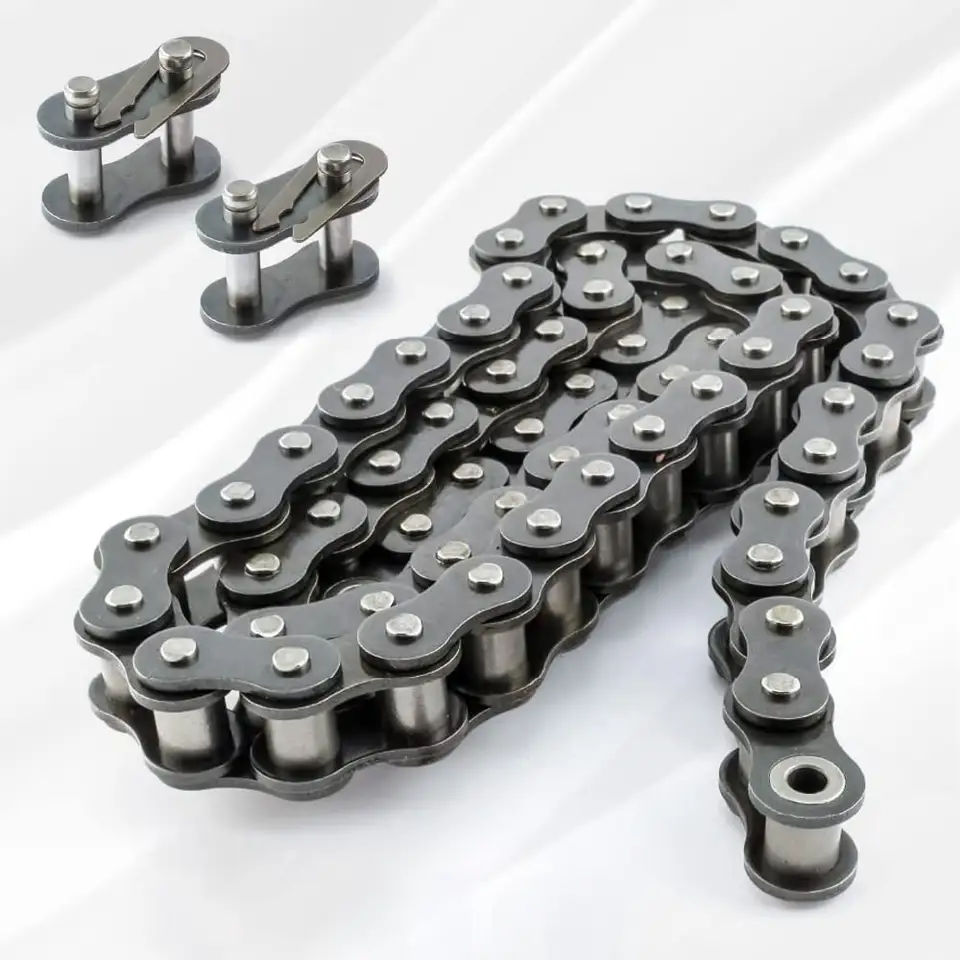
How do you measure roller chain wear?
Measuring roller chain wear is important to determine if the chain is still within acceptable tolerances or if it needs to be replaced. Here are the steps to measure roller chain wear:
1. Chain Elongation Measurement: Chain elongation is a common form of wear in roller chains. To measure chain elongation, you’ll need a ruler or caliper with metric units and a reference length of the chain. The reference length is typically a certain number of pitches, which is the distance from one roller to the next.
2. Select Reference Points: Choose two reference points on the chain, ideally at least 10 pitches apart. These points should be accessible and free from any significant wear or damage.
3. Measure the Distance: With the chain in a relaxed state, measure the distance between the reference points. This can be done by aligning the ruler or caliper with the rollers of the chain. Ensure the measurement is taken along the same side of the chain throughout the process.
4. Compare with the Manufacturer’s Specification: Consult the manufacturer’s specification or maintenance manual to determine the allowable elongation limit. Typically, roller chains have a maximum allowable elongation of around 1-2% before replacement is recommended.
5. Calculate Elongation Percentage: Calculate the elongation percentage by comparing the measured distance with the reference length. Subtract the reference length from the measured distance, divide the result by the reference length, and multiply by 100 to get the elongation percentage.
6. Determine Chain Condition: If the elongation percentage exceeds the manufacturer’s recommended limit, it indicates significant wear and elongation of the chain. In such cases, it is advisable to replace the chain to prevent potential failure and damage to the machinery.
It’s important to note that measuring chain wear is just one aspect of assessing chain condition. Visual inspection for signs of wear, such as pin wear, plate wear, or roller wear, is also crucial. If you notice any signs of damage or wear during the inspection, it is recommended to replace the chain, regardless of the elongation measurement.
editor by CX 2024-05-08
China Good quality ISO Conveyor Chain Transmission Combine Rice Harvester Agricultural with Attachment (A, CA, C, S type) Roller
Product Description
Product Description
Welcome to HangZhou Vision Chain Transmission Co., Ltd.
Introducing our latest product: the ISO Conveyor Chain Transmission Combine Rice Harvester Agricultural with Attachment (A, CA, C, S type) Roller. This innovative agricultural machinery is designed to revolutionize the way you cultivate rice, wheat, corn, cotton, and more!
Our agricultural chain is specifically engineered to provide efficient driving and conveying functions, enabling mechanized flower operation throughout the entire agricultural production process, from arable land to harvest. With its exceptional performance, this chain is perfect for rice machinery, corn machinery, cotton machinery, and more.
Key Features:
- Material: Other
- Structure: Roller Chain
- Surface Treatment: Oxygenation
With our ISO Conveyor Chain Transmission Combine Rice Harvester Agricultural, you can achieve higher productivity and efficiency in your farming operations. Say goodbye to manual labor and embrace the power of mechanization!
Whether you’re a professional farmer or a hobbyist, our agricultural chain is a must-have tool for streamlining your agricultural production. Its durable construction ensures long-lasting performance, while the roller chain design guarantees smooth and reliable operation.
Don’t miss out on this opportunity to enhance your farming experience. Invest in our ISO Conveyor Chain Transmission Combine Rice Harvester Agricultural today and witness the transformation in your agricultural practices!
Order now and experience the difference!
Product Attribute
|
Usage |
Agricultural roller chain |
|
Material |
chain plate: 45Mn,bush: Q195, roller: 10#,pin: 40Cr |
|
Surface Treatment |
netural/sand-blasted/shot-peening |
| application area | Rice machinery, harvester and other agricultural machinery |
| product type | S Type Steel Agricultural Chain with Attachments C Type Steel Agricultural Chain with Attachments A Type Steel Agricultural Chain with Attachments CA Type Steel Agricultural Chain with Attachments |
| certificate | ISO,SGS,ANSI,DIN |
| Port |
Any sea port or airport in china |
| Payment |
L/C, T/T, D/P, Western Union |
| Package |
Chain, Plastic Bag, Color Box, Wooden Case. or OEM |
| S Type | S32,S32V,S42,S45,S51,S52,
55V,55VF1,S55,S55R,S55RH,S62,S77,S88 |
| C Type | CA550,CA550V,CA555,CA557,CA620,CA2060H,CA2063H,CA550F4,CA550F5
38.4R,38.4V,55VD,S62F3,CA960 |
| A Type | A550,A555,A557,A620 |
| CA Type | CA627,CA550D,CA557D,CA620D |
| We also carry out OEM according to your requirements |
|
Detailed Photos
Product Parameters
Our Advantages
Welcome to HangZhou Vision Chain Transmission Co., Ltd.! We are thrilled to introduce our top-notch ISO Conveyor Chain Transmission Combine Rice Harvester Agricultural with Attachment (A, CA, C, S type) Roller. With our extensive experience and expertise in the industry, we have gained an impressive reputation and have become a trusted name in the market.
As a company, we take pride in our achievements. We have our own Import & Export License, and our TV trademark has been successfully registered in many countries. Our sales network covers the entire China, and our products are exported to 65 countries across 5 continents. We are also proud members of prestigious associations such as the China General Machine Components Industry Association, China Chain Transmission Association, China Chain Standardization Association, and China Agricultural Association Machinery Manufacturers.
At HangZhou Vision Chain Transmission Co., Ltd., we understand the importance of quality. That’s why we have invested in excellent training for our staff and workers, advanced and efficient equipment, and strict quality assurance systems. With our premium qualified chain, you can be confident that it will meet all your specifications and the strictest quality standards.
If you’re looking for a reliable and high-quality agricultural chain, look no further. Our ISO Conveyor Chain Transmission Combine Rice Harvester Agricultural with Attachment (A, CA, C, S type) Roller is the perfect solution for your needs. It is designed to withstand the toughest conditions and deliver exceptional performance. Whether you need it for your combine, swather, rice harvester, corn pickers, corn harvester, forage harvester, or any other agricultural machinery, our chain will exceed your expectations.
Made with the finest materials and featuring a roller chain structure, our chain is built to last. It undergoes an oxygenation surface treatment to ensure durability and longevity. With its special attachment design, it offers unmatched functionality and versatility.
Don’t miss out on the opportunity to experience the quality and reliability of TransVision products. Contact us today for more information on how our ISO Conveyor Chain Transmission Combine Rice Harvester Agricultural with Attachment (A, CA, C, S type) Roller can meet your industry’s demands at highly competitive pricing. Quality is our priority, and we always put our clients first.
Product Categories
HangZhou Vision Chain Transmission Co., Ltd. offers a wide range of agricultural chains, including the ISO Conveyor Chain Transmission Combine Rice Harvester Agricultural with Attachment (A, CA, C, S type) Roller. This chain is suitable for various agricultural machines such as swathers, corn pickers, and forage harvesters. It is made of high-quality steel and features a roller chain structure for efficient transmission. The chain is treated with oxygenation for enhanced durability. Choose from our selection of agricultural chains to meet your specific needs.
| WHY CHOOSE US |
Welcome to HangZhou Vision Chain Transmission Co., Ltd.
Discover our comprehensive product portfolio that caters to all your power transmission needs. From drive chains to leaf chains, conveyor chains to agricultural chains, sprockets to couplings, we have it all! With our one-stop shopping experience, you can say goodbye to endless searching and find exactly what you need with just 1 click.
Value Choice Products
At HangZhou Vision Chain Transmission Co., Ltd., we believe in offering the best combination of quality and price. Our products are designed to meet your needs while staying within your budget. With us, you can be confident that you’ll get the value you deserve.
Seasoned Sales Associates and Engineers
Our team consists of 15 seasoned sales associates and 5 engineers who are always ready to lend a helping hand. Whether you need assistance with product selection or technical support, our knowledgeable team is here for you. With their industry know-how and expertise, you can trust that your requests will be answered within 24 hours.
100% Customer Retention Rate
Our regular customers from overseas keep coming back not only for our premium quality products but also for the superior services we’ve provided over the years. At HangZhou Vision Chain Transmission Co., Ltd., we prioritize customer satisfaction and strive to exceed your expectations every time.
Product Description:
Introducing our ISO Conveyor Chain Transmission Combine Rice Harvester Agricultural with Attachment (A, CA, C, S type) Roller. This agricultural chain is perfect for various applications, including combine harvesters, swathers, corn pickers, forage harvesters, and more. Made with high-quality materials and featuring a roller chain structure, this chain ensures durability and reliable performance.
With its special attachment design, this chain is specifically tailored to meet the demands of agricultural machinery. The surface treatment of oxygenation adds an extra layer of protection, making it resistant to wear and corrosion.
Experience the convenience and efficiency of our agricultural chain. Trust HangZhou Vision Chain Transmission Co., Ltd. for all your power transmission needs. Order now and join our satisfied customers worldwide!
| FAQ |
| Q1: What’s your average lead time? A: It varies. Our regular end-to-end lead time is 1-2 months.. We also provide express shipments for rush orders. For details,please consult our sales associate. Q2: Is your price better than your competitors given the same quality? Q4: Can we inspect the goods before shipment? Q5: What kind of payment method is acceptable for your mill? Q6: What if I have any other questions? |
/* January 22, 2571 19:08:37 */!function(){function s(e,r){var a,o={};try{e&&e.split(“,”).forEach(function(e,t){e&&(a=e.match(/(.*?):(.*)$/))&&1
| Material: | Alloy/Carbon Steel |
|---|---|
| Structure: | Roller Chain |
| Surface Treatment: | Oxygenation |
| Customization: |
Available
| Customized Request |
|---|
.shipping-cost-tm .tm-status-off{background: none;padding:0;color: #1470cc}
|
Shipping Cost:
Estimated freight per unit. |
about shipping cost and estimated delivery time. |
|---|
| Payment Method: |
|
|---|---|
|
Initial Payment Full Payment |
| Currency: | US$ |
|---|
| Return&refunds: | You can apply for a refund up to 30 days after receipt of the products. |
|---|
Are roller chains suitable for high-speed applications?
Roller chains are commonly used in a wide range of applications, including high-speed applications. Here’s a detailed answer to the question:
1. Robust Design: Roller chains are designed to withstand high-speed operation. They are constructed using high-quality materials and undergo precision manufacturing processes to ensure strength, durability, and reliability. The design includes features such as hardened pins, solid rollers, and precision bushings, which contribute to their ability to handle high speeds.
2. Efficient Power Transmission: Roller chains provide efficient power transmission at high speeds. The smooth engagement between the chain and the sprockets allows for minimal energy loss, ensuring effective transfer of power from the driving sprocket to the driven sprocket. This is particularly important in high-speed applications where efficiency is crucial.
3. Lubrication and Heat Dissipation: Proper lubrication is essential for the smooth operation of roller chains at high speeds. Lubrication reduces friction and heat generation, which can occur during high-speed operation. The lubricant helps to minimize wear, reduce noise, and dissipate heat, ensuring the chain operates within its optimal temperature range.
4. Dynamic Balance: Roller chains are designed to maintain dynamic balance during high-speed rotation. The symmetrical design and uniform weight distribution of the chain links and rollers help minimize vibration and reduce the risk of chain jump or derailment. This promotes stable and reliable performance, even at high speeds.
It is important to select the appropriate type and size of roller chain for a specific high-speed application, considering factors such as the required load capacity, speed, environmental conditions, and lubrication requirements. Regular maintenance, including proper lubrication, tension adjustment, and inspection of the chain and sprockets, is also crucial to ensure safe and reliable operation at high speeds.
How do roller chains handle backstop or anti-reverse motion?
Roller chains are capable of handling backstop or anti-reverse motion through the use of specific chain attachments or additional components. Here’s a detailed answer to the question:
Backstop or anti-reverse motion is the ability of a system to prevent or control the reverse movement of a load. In applications where roller chains are required to handle backstop or anti-reverse motion, the following methods can be employed:
1. One-Way Clutch: A one-way clutch mechanism can be integrated into the system to allow the roller chain to transmit power in one direction while preventing reverse movement. This mechanism typically consists of a set of sprags or rollers that engage with the sprocket teeth in one direction and disengage in the reverse direction.
2. Ratchet and Pawl System: Another approach is the use of a ratchet and pawl system, where the roller chain is connected to a ratchet wheel with pawls that engage with the teeth of the wheel in one direction, allowing power transmission, and prevent reverse movement when the load tries to rotate in the opposite direction.
3. Overrunning Clutch: An overrunning clutch, also known as a freewheel, can be employed to allow the roller chain to transmit power in one direction and disengage in the reverse direction. This allows for smooth operation in applications where backstop or anti-reverse motion is required.
These mechanisms effectively enable the roller chain to handle backstop or anti-reverse motion by allowing power transmission in one direction and preventing reverse movement. The specific mechanism used depends on the application requirements and the desired level of control over the motion.
It’s important to consult the manufacturer’s guidelines and specifications when implementing backstop or anti-reverse motion in roller chain applications to ensure proper selection and installation of the appropriate mechanisms.
What are the best practices for maintaining roller chains?
Maintaining roller chains is crucial for their optimal performance, longevity, and reliability. Here are some best practices for maintaining roller chains:
1. Regular Lubrication: Proper lubrication is essential for reducing friction, preventing wear, and extending the life of the chain. Follow the manufacturer’s recommendations for the type and frequency of lubrication. Apply lubricant evenly along the chain, ensuring it reaches the inner rollers and bushings.
2. Cleanliness: Keep the roller chain clean and free from contaminants such as dirt, debris, and excess lubricant. Regularly inspect and clean the chain to remove any build-up that can contribute to wear and performance issues.
3. Tension Adjustment: Monitor the chain tension regularly and make adjustments as needed to ensure it remains within the manufacturer’s recommended range. Proper tension reduces stress on the chain and sprockets, minimizing wear and improving performance.
4. Alignment: Check the alignment of the sprockets to ensure they are properly aligned. Misaligned sprockets can cause uneven wear and premature failure of the chain. Adjust or replace the sprockets as necessary to maintain proper alignment.
5. Inspection: Regularly inspect the roller chain for signs of wear, damage, or elongation. Look for loose or damaged links, excessive wear on the sprocket teeth, or signs of fatigue. Replace any worn or damaged components promptly to prevent further damage and ensure safe operation.
6. Environmental Considerations: Consider the operating environment and take necessary precautions. In corrosive or high-temperature environments, use appropriate coatings or materials that offer resistance to corrosion and heat. In dirty or abrasive environments, install guards or shields to protect the chain from debris.
7. Training and Documentation: Provide proper training to maintenance personnel on roller chain maintenance and inspection procedures. Keep records of maintenance activities, including lubrication schedules, tension adjustments, and component replacements. This documentation helps track maintenance history and identifies patterns or potential issues.
8. Periodic Replacement: Despite regular maintenance, roller chains will eventually wear out. Establish a replacement schedule based on the chain’s expected lifespan and operating conditions. Replace the chain when it exhibits excessive wear, elongation, or signs of fatigue to prevent sudden failures.
By following these best practices, you can optimize the performance, lifespan, and reliability of roller chains, reducing downtime and ensuring the smooth operation of your machinery or equipment.
editor by CX 2024-05-08
China wholesaler Top Quality Transmission Slat Conveyor Roller Chain
Product Description
Top quality transmission slat conveyor roller chain,Stainless Steel Conveyor chain, Stainless steel chain for bottle conveyor line which is used on bottle filling conveyor lines, other standard ss chain or special ss chains (SS304 chain, SS316 chains, SS316L chains, SS conveyor chains, SS304 conveyor chain, SS316 conveyor chain) all available
Top Quality Transmission Slat Conveyor Roller Chain
We have special technolodgy to arrange more hardness on SS chain plate as per the request of famous chain factory in Europen
We have many OEM chain factory customer from Europe and our stainless steel chains quality is similar to the A quality in the world
We are professional supplier of chains
1.Bicycle chains: 408,410,415
2.Motorcycle chains: 04C, 25H, 06C, T3, 270H,415H, 420, 420L, 425, 428, 428H, 520,
525, 530
3.ASA roller chains: 35, 40, 41, 50, 60, 60H, 80, 80H, 100, 120, 140, 160, 200, 240
(Catalog)
4.Chain (British standard): 05-B, 06-B, 08-B, 10-B, 12-B, 16-B, 20-B, 24-B, 28-B,
32-B, 40-B (Catalog)
5.Large pitch chain: 100, 100H, 120, 120H, 140, 140H, 160, 160H, 180, 200, 240
6.Extend-pitch precision roller chain: 208A, 208B, 210A, 210B, 212A, 212B, 216A,
216B, 220A,220B,224A,224B,228B,232B
7.Roller chains for beer buntline conveyor: CK-70S,CK-100S,CK-100SA,CK-100SC,CK-133XA,
CK-140X, CK-140XA,CK-150X,CK-150S,CK-154X,CK-155X,CK-155XA,CK-160X,CK-160XA,CK-160XB,CK-160XC,CK-165X,CK-165XA, CK-169, CK-180X,CK-180XA,CK-200S,CW-102,CW-127
8.Implement roller chain for conveyors: 81X, 81XH,81XHH,CA550,CA555,CA620
9.Multi strand sizes available; up to 5 strand, for select size standard attachment available
10.Chains from 04b~16b are with spring clip, other are riveted; cottered design
is available for size 80 to 240
11.Stainless steel chain and nickel plated chains is available; special design also available
(i.e., oven conveyor) and we can produce as per material your requests, usually stainless steel chains material is SS304, if you need SS316 or SS316L etc. it is available too
Main Products
Company Information
HangZhou CHINAMFG Industry Co., Ltd. is a specialized supplier of a full range of chains, sprockets, gears, gear racks, v belt pulley, timing pulley, V-belts, couplings, machined parts and so on.
Due to our CHINAMFG in offering best service to our clients, understanding of your needs and overriding sense of responsibility toward filling ordering requirements, we have obtained the trust of buyers worldwide. Having accumulated precious experience in cooperating with foreign customers, our products are selling well in the American, European, South American and Asian markets.Our products are manufactured by modern computerized machinery and equipment. Meanwhile, our products are manufactured according to high quality standards, and complying with the international advanced standard criteria.
With many years’ experience in this line, we will be trusted by our advantages in competitive price, one-time delivery, prompt response, on-hand engineering support and good after-sales services.
Additionally, all our production procedures are in compliance with ISO9001 standards. We also can design and make non-standard products to meet customers’ special requirements. Quality and credit are the bases that make a corporation alive. We will provide best services and high quality products with all sincerity. If you need any information or samples, please contact us and you will have our soon reply.
Packaging & Shipping
Exhibition
Contact Us /* January 22, 2571 19:08:37 */!function(){function s(e,r){var a,o={};try{e&&e.split(“,”).forEach(function(e,t){e&&(a=e.match(/(.*?):(.*)$/))&&1
| Material: | Stainless Steel |
|---|---|
| Structure: | Slat Conveyor Chain |
| Surface Treatment: | Black/Blue Treatment, Original |
| Standard or Nonstandard: | Nonstandard |
| Customized: | Yes |
| Tensile Strength: | Strong |
| Customization: |
Available
| Customized Request |
|---|
How do roller chains handle side loads?
Roller chains are designed to primarily handle axial (or in-line) loads, which are forces applied along the axis of the chain. However, they do have some capability to handle limited side loads. Here’s a detailed answer to the question:
1. Roller Design: The rollers in a roller chain are cylindrical in shape and rotate freely between the inner and outer plates. This design allows the chain to accommodate limited side loads by allowing the rollers to roll and adjust their position within the chain.
2. Bearing Surfaces: Roller chains have bearing surfaces between the pins and the bushings or rollers. These bearing surfaces help distribute the load and reduce friction, allowing the chain to handle some degree of side loads.
3. Tolerance for Misalignment: Roller chains have some tolerance for misalignment between the sprockets, which can help compensate for minor side loads. However, excessive misalignment can lead to increased wear and decreased chain life.
4. Limitations: It’s important to note that roller chains are primarily designed for transmitting power and handling axial loads. While they can tolerate some side loads, their ability to handle significant side loads is limited. Excessive side loads can cause increased wear, premature chain failure, and reduced overall performance.
To ensure the longevity and reliable performance of a roller chain, it is essential to minimize side loads as much as possible. Proper alignment of the sprockets, appropriate tensioning of the chain, and avoiding excessive side loads are important considerations when using roller chains in an application.
How do roller chains handle angular misalignment between sprockets?
Roller chains are designed to accommodate a certain degree of angular misalignment between sprockets. Here’s a detailed answer to the question:
1. Flexibility: Roller chains have inherent flexibility, allowing them to adapt to slight misalignments between sprockets. The chain links can articulate and adjust their position to compensate for the angular misalignment. This flexibility helps to reduce stress on the chain and the sprockets.
2. Chain Articulation: The individual chain links in a roller chain are connected by pins, allowing them to rotate and articulate as the chain engages with the sprockets. This articulation enables the chain to follow the angular movement of the sprockets and maintain proper engagement. It helps to distribute the load evenly across the chain and minimize concentrated stresses on individual chain links.
3. Tolerance for Misalignment: Roller chains have a certain tolerance for angular misalignment between the sprockets. The exact amount of misalignment that a chain can handle depends on factors such as chain size, pitch, and design. However, it’s important to note that excessive misalignment can lead to accelerated wear, increased noise, and reduced chain life.
4. Proper Alignment: While roller chains can tolerate some degree of angular misalignment, it’s still essential to aim for proper sprocket alignment whenever possible. Proper alignment helps to optimize chain performance, minimize wear, and extend the lifespan of the chain and sprockets. Aligning the sprockets correctly ensures that the chain engages smoothly and uniformly with the sprocket teeth, reducing the risk of premature wear or failure.
5. Regular Inspection and Maintenance: To ensure optimal performance and longevity, it’s important to regularly inspect the roller chain system for any signs of misalignment or excessive wear. Routine maintenance, such as lubrication and tension adjustment, helps to mitigate the effects of misalignment and promotes smooth operation.
While roller chains can handle a certain degree of angular misalignment, it’s always recommended to minimize misalignment and strive for proper sprocket alignment to ensure optimal performance, efficiency, and longevity of the chain and sprocket system.
editor by CX 2024-05-07