Product Description
Professional Standard C216ALSS-I Type Conveyor Chain For Ice Cream
C216ALSS-I type chain is a transmission chain for ice cream production and conveying machinery. The pitch is 50.8mm. The roller material is made of reinforced nylon and machined. It is not injection molded and it is wear-resistant, low-temperature resistant, and not easy to break. The chain piece is made of stainless steel 304, with high hardness, low temperature resistance and not easy to break. The main parameters of the product comply with ISO, ANSI, DIN, BS, JIS standards
HangZhou CHINAMFG Industry Co., Ltd. is a specialized supplier of a full range of chains.
Due to our CHINAMFG in offering best service to our clients, understanding of your needs and overriding sense of responsibility toward filling ordering requirements, we have obtained the trust of buyers worldwide. Having accumulated precious experience in cooperating with foreign customers, our products are selling well in the American, European, South American and Asian markets.Our products are manufactured by modern computerized machinery and equipment. Meanwhile, our products are manufactured according to high quality standards, and complying with the international advanced standard criteria.
With many years’ experience in this line, we will be trusted by our advantages in competitive price, one-time delivery, prompt response, on-hand engineering support and good after-sales services.
Additionally, all our production procedures are in compliance with ISO9001 standards. We also can design and make non-standard products to meet customers’ special requirements. Quality and credit are the bases that make a corporation alive. We will provide best services and high quality products with all sincerity. If you need any information or samples, please contact us and you will have our soon reply.
FAQ:
Q1: Are you trading company or manufacturer ?
A: We are factory.
Q2: How long is your delivery time and shipment?
1.Sample Lead-times: generally 30 workdays.
2.Production Lead-times: 60 workdays after getting your deposit.
Q3. What is your terms of payment?
A: T/T 30% as deposit, and 70% before delivery.
We’ll show you the photos of the products and packages before you pay the balance.
Q4: What is your advantages?
1. Manufacturer,the most competitive price and good quality.
2. Perfect technical engineers give you the best support.
3. OEM is available.
4. Rich stock and quick delivery.
Q5. If you can’t find the product on our website,what do you next?
Please send us inquiry with product pictures and drawings by email or other ways and we’ll check
/* January 22, 2571 19:08:37 */!function(){function s(e,r){var a,o={};try{e&&e.split(“,”).forEach(function(e,t){e&&(a=e.match(/(.*?):(.*)$/))&&1
| Standard or Nonstandard: | Standard |
|---|---|
| Application: | Textile Machinery, Garment Machinery, Conveyer Equipment, Food Machinery |
| Surface Treatment: | Polishing |
| Samples: |
US$ 50/Meter
1 Meter(Min.Order) | Order Sample |
|---|
| Customization: |
Available
| Customized Request |
|---|
.shipping-cost-tm .tm-status-off{background: none;padding:0;color: #1470cc}
|
Shipping Cost:
Estimated freight per unit. |
about shipping cost and estimated delivery time. |
|---|
| Payment Method: |
|
|---|---|
|
Initial Payment Full Payment |
| Currency: | US$ |
|---|
| Return&refunds: | You can apply for a refund up to 30 days after receipt of the products. |
|---|
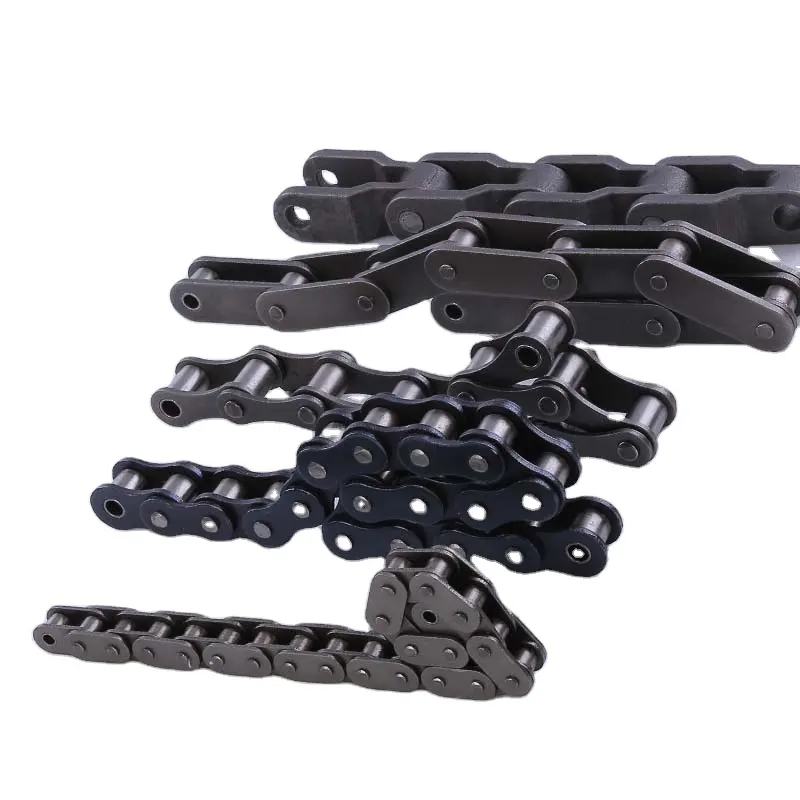
How do roller chains handle high torque loads?
Roller chains are designed to handle high torque loads effectively. Here’s a detailed answer to the question:
1. Robust Construction: Roller chains are constructed using high-quality materials and precise manufacturing techniques to ensure strength and durability. They are designed to withstand the forces generated by high torque loads without deformation or failure.
2. Load Distribution: Roller chains distribute the high torque load evenly across their links and pins. This even distribution helps prevent concentrated stress points and ensures that each link carries a portion of the load, reducing the risk of chain failure.
3. Fatigue Resistance: Roller chains are designed to resist fatigue caused by repeated stress cycles. They have sufficient strength and resilience to endure the high torque loads encountered during operation without experiencing premature wear or failure.
4. Proper Lubrication: Adequate lubrication is crucial for the smooth operation and longevity of roller chains under high torque loads. Lubrication reduces friction, minimizes wear, and helps dissipate heat generated by the increased forces. Proper lubrication ensures that the chain operates efficiently and extends its lifespan.
5. Tensile Strength: Roller chains are engineered to have high tensile strength, which allows them to withstand the tension created by high torque loads. The tensile strength of the chain ensures that it can handle the pulling force exerted by the rotating sprockets without elongation or failure.
6. Sprocket Selection: The choice of sprockets also plays a significant role in handling high torque loads. Sprockets should be matched appropriately with the roller chain to ensure proper engagement and efficient power transmission. Selecting sprockets with the appropriate tooth profile, material, and design helps optimize the performance and longevity of the chain under high torque conditions.
Roller chains have been extensively used in applications that require the transmission of high torque, such as heavy machinery, industrial equipment, and automotive systems. Their robust construction, load distribution capabilities, fatigue resistance, proper lubrication, high tensile strength, and compatibility with well-designed sprockets make them reliable and efficient in handling high torque loads.
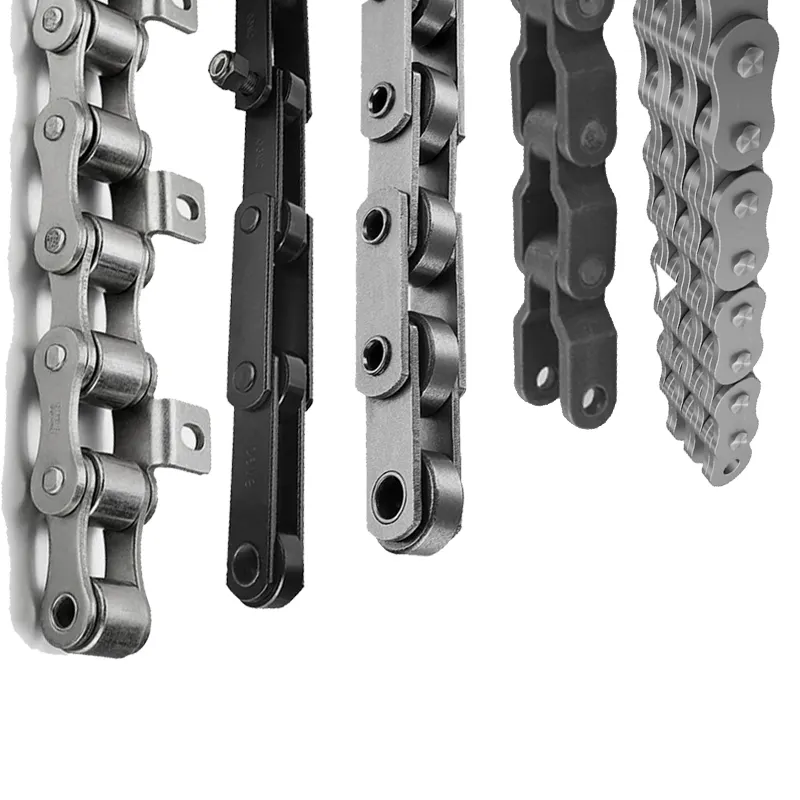
Can roller chains be used for power transmission in industrial equipment?
Yes, roller chains are widely used for power transmission in various industrial equipment and machinery. Here’s a detailed answer to the question:
1. Versatility: Roller chains are known for their versatility and can be used in a wide range of industrial applications. They are commonly employed in machinery such as conveyors, agitators, mixers, hoists, elevators, packaging equipment, material handling systems, and many other types of industrial equipment.
2. Power Transmission: Roller chains excel in transmitting power from one rotating shaft to another. They can efficiently transfer high torque and handle heavy loads, making them suitable for demanding industrial applications where power transmission is required.
3. Load Capacity: Roller chains are designed to withstand significant loads and provide reliable power transmission. They are available in various sizes and strengths, allowing for customization based on the specific load requirements of the industrial equipment.
4. Durability: Roller chains are built to be durable and withstand harsh operating conditions typically encountered in industrial environments. They are constructed using high-quality materials and undergo heat treatment processes to enhance their strength and resistance to wear, fatigue, and elongation.
5. Efficiency: Roller chains offer high transmission efficiency due to their positive engagement with the sprockets. The rollers on the chain engage with the sprocket teeth, minimizing slippage and ensuring reliable power transfer. This results in efficient operation and optimized performance of industrial equipment.
6. Easy Maintenance: Roller chains are relatively easy to maintain, especially when compared to other power transmission systems. Proper lubrication and periodic inspection are essential to ensure smooth operation and extend the chain’s lifespan. Regular maintenance routines can be implemented to keep the chains in optimal condition and minimize downtime.
7. Cost-Effectiveness: Roller chains are generally cost-effective compared to alternative power transmission methods. They offer a balance between performance, durability, and affordability, making them a popular choice for power transmission in industrial equipment.
In summary, roller chains are well-suited for power transmission in industrial equipment due to their versatility, load capacity, durability, efficiency, ease of maintenance, and cost-effectiveness. When selecting roller chains for industrial applications, it’s important to consider factors such as load requirements, speed, environmental conditions, and compatibility with the specific equipment to ensure optimal performance and longevity.
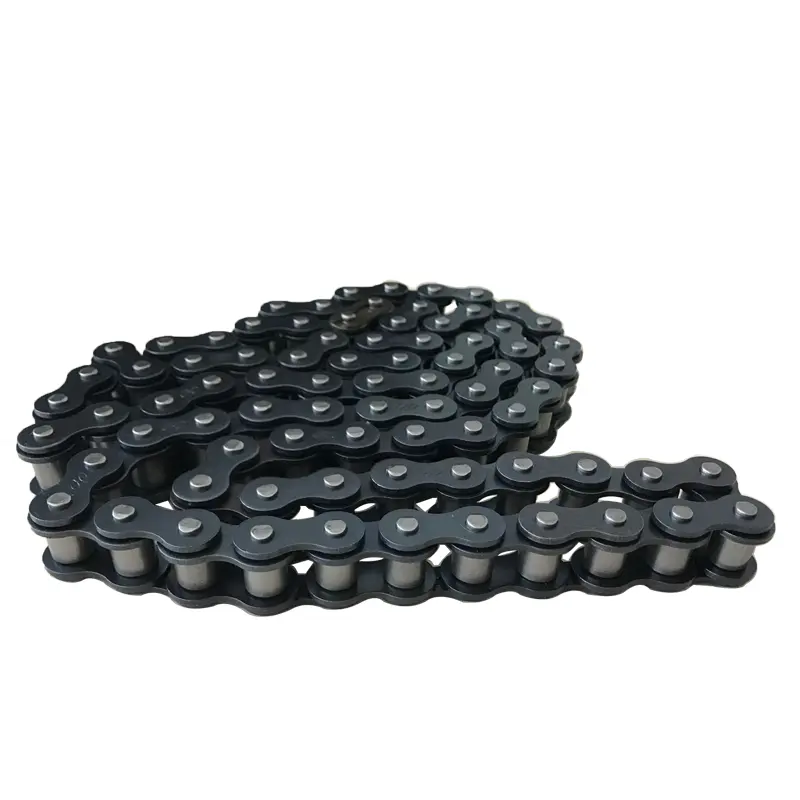
How do roller chains compare to belt drives in terms of efficiency?
Roller chains and belt drives are both widely used power transmission systems, but they differ in terms of efficiency. Here’s a detailed answer to the question:
1. Mechanical Efficiency: Roller chains generally have higher mechanical efficiency compared to belt drives. The engagement between the chain and sprockets provides a positive drive with minimal slippage, resulting in efficient power transfer. Belt drives, on the other hand, can experience some slip, especially in high-torque or heavy-load applications, leading to lower efficiency.
2. Size and Length: Roller chains are typically more compact and have a shorter pitch length compared to belt drives. This allows for more compact machine design and closer shaft spacing, reducing the overall size and weight of the power transmission system.
3. Load Capacity: Roller chains are known for their high load-carrying capacity, making them suitable for heavy-duty applications. They can handle high loads and transmit significant amounts of power without compromising performance. Belt drives have lower load-carrying capacity and are more commonly used in lighter-duty applications.
4. Speed and Torque: Roller chains are suitable for both high-speed and high-torque applications. They can operate at high rotational speeds while transmitting significant torque. Belt drives, on the other hand, may have limitations in terms of speed and torque capacity, especially in demanding applications.
5. Maintenance and Durability: Roller chains require regular lubrication and maintenance to ensure optimal performance and longevity. Belt drives, on the other hand, are generally considered maintenance-free. However, if a belt drive becomes misaligned or experiences excessive wear, it may need to be replaced entirely. Roller chains, with proper maintenance, can be more durable and have longer service life.
It’s important to note that the choice between roller chains and belt drives depends on various factors, including the specific application requirements, load conditions, speed requirements, and space constraints. Each system has its advantages and considerations, and selecting the most suitable option should be based on a careful evaluation of these factors.


editor by CX 2024-04-29
China Good quality High Quality Professional China Factory (ANSI, BS, DIN, JIS Standard) Motorcycle Hollow Pin Palm Oil Sugar Mill Stainless Steel Ice Cream Conveyor Roller Chain
Product Description
Professional Standard C216ALSS-I Type Conveyor Chain For Ice Cream
C216ALSS-I type chain is a transmission chain for ice cream production and conveying machinery. The pitch is 50.8mm. The roller material is made of reinforced nylon and machined. It is not injection molded and it is wear-resistant, low-temperature resistant, and not easy to break. The chain piece is made of stainless steel 304, with high hardness, low temperature resistance and not easy to break. The main parameters of the product comply with ISO, ANSI, DIN, BS, JIS standards
HangZhou CHINAMFG Industry Co., Ltd. is a specialized supplier of a full range of chains.
Due to our CHINAMFG in offering best service to our clients, understanding of your needs and overriding sense of responsibility toward filling ordering requirements, we have obtained the trust of buyers worldwide. Having accumulated precious experience in cooperating with foreign customers, our products are selling well in the American, European, South American and Asian markets.Our products are manufactured by modern computerized machinery and equipment. Meanwhile, our products are manufactured according to high quality standards, and complying with the international advanced standard criteria.
With many years’ experience in this line, we will be trusted by our advantages in competitive price, one-time delivery, prompt response, on-hand engineering support and good after-sales services.
Additionally, all our production procedures are in compliance with ISO9001 standards. We also can design and make non-standard products to meet customers’ special requirements. Quality and credit are the bases that make a corporation alive. We will provide best services and high quality products with all sincerity. If you need any information or samples, please contact us and you will have our soon reply.
FAQ:
Q1: Are you trading company or manufacturer ?
A: We are factory.
Q2: How long is your delivery time and shipment?
1.Sample Lead-times: generally 30 workdays.
2.Production Lead-times: 60 workdays after getting your deposit.
Q3. What is your terms of payment?
A: T/T 30% as deposit, and 70% before delivery.
We’ll show you the photos of the products and packages before you pay the balance.
Q4: What is your advantages?
1. Manufacturer,the most competitive price and good quality.
2. Perfect technical engineers give you the best support.
3. OEM is available.
4. Rich stock and quick delivery.
Q5. If you can’t find the product on our website,what do you next?
Please send us inquiry with product pictures and drawings by email or other ways and we’ll check
| Standard or Nonstandard: | Standard |
|---|---|
| Application: | Textile Machinery, Garment Machinery, Conveyer Equipment, Food Machinery |
| Surface Treatment: | Polishing |
| Samples: |
US$ 50/Meter
1 Meter(Min.Order) | Order Sample |
|---|
| Customization: |
Available
| Customized Request |
|---|
.shipping-cost-tm .tm-status-off{background: none;padding:0;color: #1470cc}
|
Shipping Cost:
Estimated freight per unit. |
about shipping cost and estimated delivery time. |
|---|
| Payment Method: |
|
|---|---|
|
Initial Payment Full Payment |
| Currency: | US$ |
|---|
| Return&refunds: | You can apply for a refund up to 30 days after receipt of the products. |
|---|
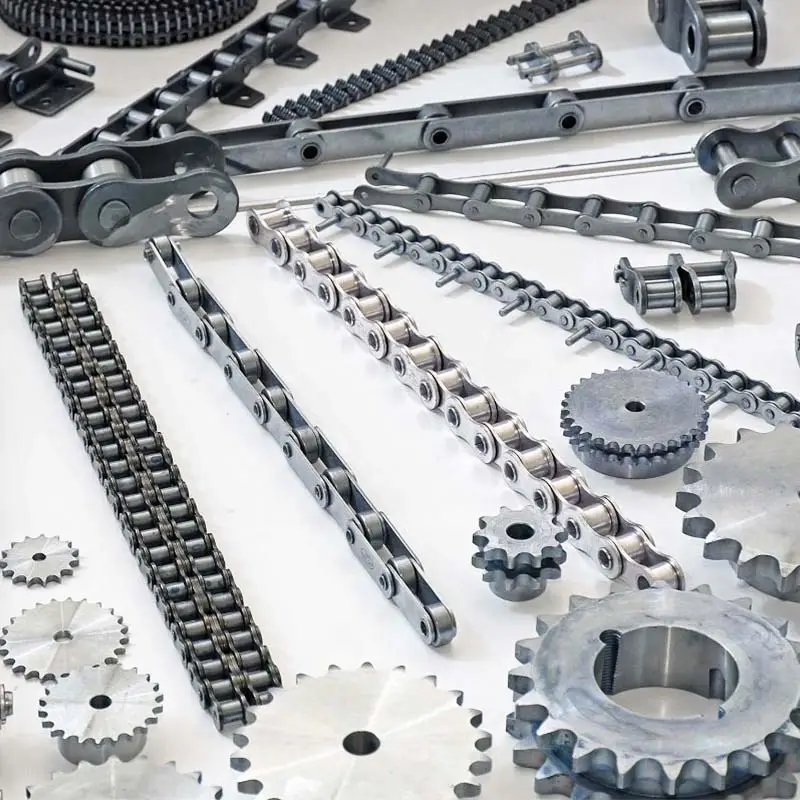
What are the benefits of using a roller chain in conveyor systems?
Roller chains offer numerous advantages when used in conveyor systems, making them a popular choice for material handling applications. Here’s a detailed answer to the question:
1. High Strength and Load Capacity: Roller chains are designed to withstand heavy loads and provide reliable power transmission in conveyor systems. They have excellent load-carrying capacity and can handle substantial weights, making them suitable for conveying bulk materials or heavy objects.
2. Smooth and Efficient Operation: Roller chains offer smooth and efficient operation in conveyor systems. The rollers on the chain engage with the sprockets, reducing friction and allowing the chain to move smoothly along the conveyor. This ensures efficient material transfer and minimizes energy consumption.
3. Wide Range of Sizes and Configurations: Roller chains are available in various sizes and configurations to accommodate different conveyor system designs and load requirements. This versatility allows for customization and ensures compatibility with different conveyor types, such as flat-top, slat, or apron conveyors.
4. Adaptability to Harsh Environments: Roller chains are capable of operating in harsh environments typically encountered in conveyor systems. They can withstand dust, dirt, moisture, and temperature variations, making them suitable for both indoor and outdoor applications. Additionally, roller chains can be made from corrosion-resistant materials or coated to enhance their durability in corrosive or abrasive environments.
5. Easy Maintenance and Replacement: Roller chains are relatively easy to maintain and replace in conveyor systems. Regular lubrication and inspection help extend the chain’s lifespan and prevent premature wear. If necessary, individual chain links or sections can be replaced without replacing the entire chain, minimizing downtime and maintenance costs.
6. Cost-Effectiveness: Roller chains are cost-effective compared to alternative conveyor systems. They offer a balance between performance, durability, and affordability, making them a cost-efficient choice for various industrial applications.
Overall, using a roller chain in conveyor systems provides high load capacity, smooth operation, adaptability to harsh environments, ease of maintenance, and cost-effectiveness. These benefits make roller chains an excellent choice for efficient material handling and transportation in industries such as manufacturing, distribution, logistics, and warehousing.
How do roller chains handle angular misalignment between sprockets?
Roller chains are designed to accommodate a certain degree of angular misalignment between sprockets. Here’s a detailed answer to the question:
1. Flexibility: Roller chains have inherent flexibility, allowing them to adapt to slight misalignments between sprockets. The chain links can articulate and adjust their position to compensate for the angular misalignment. This flexibility helps to reduce stress on the chain and the sprockets.
2. Chain Articulation: The individual chain links in a roller chain are connected by pins, allowing them to rotate and articulate as the chain engages with the sprockets. This articulation enables the chain to follow the angular movement of the sprockets and maintain proper engagement. It helps to distribute the load evenly across the chain and minimize concentrated stresses on individual chain links.
3. Tolerance for Misalignment: Roller chains have a certain tolerance for angular misalignment between the sprockets. The exact amount of misalignment that a chain can handle depends on factors such as chain size, pitch, and design. However, it’s important to note that excessive misalignment can lead to accelerated wear, increased noise, and reduced chain life.
4. Proper Alignment: While roller chains can tolerate some degree of angular misalignment, it’s still essential to aim for proper sprocket alignment whenever possible. Proper alignment helps to optimize chain performance, minimize wear, and extend the lifespan of the chain and sprockets. Aligning the sprockets correctly ensures that the chain engages smoothly and uniformly with the sprocket teeth, reducing the risk of premature wear or failure.
5. Regular Inspection and Maintenance: To ensure optimal performance and longevity, it’s important to regularly inspect the roller chain system for any signs of misalignment or excessive wear. Routine maintenance, such as lubrication and tension adjustment, helps to mitigate the effects of misalignment and promotes smooth operation.
While roller chains can handle a certain degree of angular misalignment, it’s always recommended to minimize misalignment and strive for proper sprocket alignment to ensure optimal performance, efficiency, and longevity of the chain and sprocket system.
How do you determine the appropriate size and pitch of a roller chain?
Determining the appropriate size and pitch of a roller chain requires considering several factors. Here’s a detailed answer to the question:
1. Power Requirements: The first step is to determine the power requirements of the application. This includes the required torque and speed. The power transmitted by the roller chain depends on its size, so understanding the power requirements is crucial in selecting the appropriate chain.
2. Design Guidelines: Roller chain manufacturers provide design guidelines and specifications that outline the maximum allowable loads and speeds for different chain sizes. These guidelines take into account factors such as the number of teeth on the sprockets, the chain’s strength, and its ability to withstand the anticipated loads and speeds.
3. Sprocket Selection: The size and pitch of the roller chain must match the corresponding sprockets. It’s important to consider the number of teeth, the diameter, and the tooth profile of the sprockets. The roller chain and sprockets should be selected as a matched set to ensure proper engagement and efficient power transmission.
4. Application Considerations: The specific application requirements and environmental conditions should also be taken into account. Factors such as operating temperature, presence of contaminants, and required maintenance intervals may influence the choice of roller chain size and pitch.
5. Consultation with Experts: If you are unsure about the appropriate size and pitch of a roller chain for your application, it’s recommended to consult with roller chain manufacturers or industry experts. They can provide guidance based on their expertise and experience in similar applications.
By considering these factors and following the guidelines provided by roller chain manufacturers, you can determine the appropriate size and pitch of a roller chain that will effectively meet the power transmission requirements of your specific application.
editor by CX 2023-11-28
China Professional High Quality Professional China Factory (ANSI, BS, DIN, JIS Standard) Motorcycle Hollow Pin Palm Oil Sugar Mill Stainless Steel Ice Cream Conveyor Roller Chain
Product Description
Professional Standard C216ALSS-I Type Conveyor Chain For Ice Cream
C216ALSS-I type chain is a transmission chain for ice cream production and conveying machinery. The pitch is 50.8mm. The roller material is made of reinforced nylon and machined. It is not injection molded and it is wear-resistant, low-temperature resistant, and not easy to break. The chain piece is made of stainless steel 304, with high hardness, low temperature resistance and not easy to break. The main parameters of the product comply with ISO, ANSI, DIN, BS, JIS standards
HangZhou CHINAMFG Industry Co., Ltd. is a specialized supplier of a full range of chains.
Due to our CHINAMFG in offering best service to our clients, understanding of your needs and overriding sense of responsibility toward filling ordering requirements, we have obtained the trust of buyers worldwide. Having accumulated precious experience in cooperating with foreign customers, our products are selling well in the American, European, South American and Asian markets.Our products are manufactured by modern computerized machinery and equipment. Meanwhile, our products are manufactured according to high quality standards, and complying with the international advanced standard criteria.
With many years’ experience in this line, we will be trusted by our advantages in competitive price, one-time delivery, prompt response, on-hand engineering support and good after-sales services.
Additionally, all our production procedures are in compliance with ISO9001 standards. We also can design and make non-standard products to meet customers’ special requirements. Quality and credit are the bases that make a corporation alive. We will provide best services and high quality products with all sincerity. If you need any information or samples, please contact us and you will have our soon reply.
FAQ:
Q1: Are you trading company or manufacturer ?
A: We are factory.
Q2: How long is your delivery time and shipment?
1.Sample Lead-times: generally 30 workdays.
2.Production Lead-times: 60 workdays after getting your deposit.
Q3. What is your terms of payment?
A: T/T 30% as deposit, and 70% before delivery.
We’ll show you the photos of the products and packages before you pay the balance.
Q4: What is your advantages?
1. Manufacturer,the most competitive price and good quality.
2. Perfect technical engineers give you the best support.
3. OEM is available.
4. Rich stock and quick delivery.
Q5. If you can’t find the product on our website,what do you next?
Please send us inquiry with product pictures and drawings by email or other ways and we’ll check
| Standard or Nonstandard: | Standard |
|---|---|
| Application: | Textile Machinery, Garment Machinery, Conveyer Equipment, Food Machinery |
| Surface Treatment: | Polishing |
| Samples: |
US$ 50/Meter
1 Meter(Min.Order) | Order Sample |
|---|
| Customization: |
Available
| Customized Request |
|---|
.shipping-cost-tm .tm-status-off{background: none;padding:0;color: #1470cc}
|
Shipping Cost:
Estimated freight per unit. |
about shipping cost and estimated delivery time. |
|---|
| Payment Method: |
|
|---|---|
|
Initial Payment Full Payment |
| Currency: | US$ |
|---|
| Return&refunds: | You can apply for a refund up to 30 days after receipt of the products. |
|---|
What are the factors that affect roller chain lifespan?
The lifespan of a roller chain can be influenced by several factors. Here’s a detailed answer to the question:
1. Load Capacity: The load capacity of a roller chain refers to its ability to handle the applied load without experiencing excessive stress or deformation. Using a roller chain that is properly sized and rated for the specific application’s load requirements is crucial for ensuring a longer lifespan.
2. Lubrication: Proper lubrication is essential for reducing friction and wear in a roller chain. Insufficient lubrication can lead to increased friction, heat generation, and accelerated wear. On the other hand, over-lubrication can attract contaminants and contribute to chain wear. Regular and proper lubrication based on the manufacturer’s recommendations is necessary to maximize chain lifespan.
3. Alignment: Proper alignment between the sprockets and the roller chain is critical for smooth operation and reduced wear. Misalignment can cause the chain to rub against the sprocket teeth, leading to increased friction and premature wear. Regular inspection and adjustment of the sprocket alignment can help extend the chain’s lifespan.
4. Environmental Conditions: The operating environment can have a significant impact on the lifespan of a roller chain. Factors such as temperature extremes, moisture, dust, chemicals, and abrasive contaminants can accelerate wear and corrosion. Using appropriate chain coatings, seals, and regular cleaning can help protect the chain and extend its lifespan.
5. Maintenance: Regular maintenance practices, including inspection, lubrication, and adjustment, are crucial for maximizing the lifespan of a roller chain. Periodic inspection for wear, damaged links, or other issues allows for timely replacement or repair, preventing further damage and potential chain failure.
6. Material Quality: The quality of the roller chain material affects its durability and resistance to wear. High-quality materials, such as alloy steel, with proper heat treatment and surface hardening, can enhance the chain’s strength and resistance to fatigue and wear.
7. Operational Conditions: The operating conditions, including speed, shock loads, and cycle frequency, can impact the chain’s lifespan. Excessive speeds, sudden changes in loads, or frequent starts and stops can put additional stress on the chain, leading to accelerated wear and potential failure.
By considering these factors and implementing proper maintenance and operating practices, the lifespan of a roller chain can be optimized, ensuring reliable and efficient performance over an extended period.
What are the benefits of using a roller chain in material handling systems?
Roller chains offer several benefits when used in material handling systems. Here’s a detailed answer to the question:
1. High Load Capacity: Roller chains are designed to handle heavy loads. They have the strength and durability to support the weight of materials being transported in material handling systems. The multiple contact points provided by the rollers distribute the load evenly, reducing stress concentrations and ensuring efficient load carrying.
2. Reliable Power Transmission: Roller chains provide reliable power transmission in material handling systems. They efficiently transfer power from the motor to the moving components, such as conveyors, lifts, and sorting systems. The precision engineering of roller chains ensures smooth and consistent power transfer, minimizing slippage and maximizing operational efficiency.
3. Flexibility and Versatility: Roller chains are available in various sizes, pitches, and configurations, offering flexibility in design and application. They can be easily adapted to different material handling system layouts and requirements. Roller chains can accommodate both horizontal and vertical movements, making them suitable for a wide range of material handling applications.
4. Durability and Longevity: Roller chains are known for their durability and resistance to wear. They are designed to withstand the demanding operating conditions typically encountered in material handling systems, such as high speeds, heavy loads, and exposure to dust, debris, and contaminants. Proper lubrication and maintenance can further enhance their longevity and reliability.
5. Easy Maintenance: Roller chains are relatively easy to maintain. Regular lubrication and periodic inspection can help ensure smooth operation and detect any signs of wear or damage. Chain tension can be easily adjusted to maintain optimal performance. In the event of chain wear or failure, individual chain links can be replaced, minimizing downtime and maintenance costs.
6. Cost-Effective Solution: Roller chains offer a cost-effective solution for power transmission in material handling systems. They are generally more affordable compared to alternative systems such as belts or gears. Additionally, their durability and longevity reduce the need for frequent replacements, resulting in cost savings over the system’s lifespan.
When selecting a roller chain for a material handling system, factors such as load capacity, speed, environmental conditions, and specific application requirements should be considered. Regular maintenance and inspection are essential to ensure optimal performance and to identify any potential issues that may require attention.
How do roller chains handle shock loads?
Roller chains are designed to handle a certain level of shock loads, but their ability to withstand and absorb shocks depends on several factors. Here’s a detailed answer to the question:
1. Chain Design: The design of roller chains includes various elements that contribute to their ability to handle shock loads. These elements include the shape and size of the rollers, the pitch of the chain, and the material used for construction. High-quality roller chains are engineered to provide durability and strength, allowing them to withstand sudden impacts and shocks.
2. Material Selection: The choice of materials for roller chains plays a significant role in their ability to handle shock loads. Chains made from high-quality alloy steels or special heat-treated steels offer better toughness and resistance to impact. The material properties, including hardness and tensile strength, are important considerations in determining the chain’s ability to handle shock loads.
3. Chain Tension: Proper chain tension is crucial for handling shock loads effectively. Adequate tension ensures the chain remains engaged with the sprockets during sudden changes in load or direction. Insufficient tension can lead to chain slippage or disengagement, resulting in increased shock loads on the chain links. Regular inspection and adjustment of chain tension help maintain optimal performance.
4. Lubrication and Maintenance: Proper lubrication is essential for reducing friction and wear, especially when dealing with shock loads. Adequate lubrication ensures smooth movement of the chain and minimizes the impact of shocks on the chain’s components. Regular maintenance, including cleaning and relubrication, helps prolong the chain’s lifespan and ensures its ability to handle shock loads.
While roller chains are designed to handle a certain level of shock loads, it is important to consider the specific requirements of the application. In situations where high shock loads are expected, additional measures such as using shock-absorbing devices, selecting chains with higher load capacities, or implementing buffering systems may be necessary to protect the chain and ensure reliable operation.
editor by CX 2023-10-20
China wholesaler High Quality Professional China Factory (ANSI, BS, DIN, JIS Standard) Motorcycle Hollow Pin Palm Oil Sugar Mill Stainless Steel Ice Cream Conveyor Roller Chain
Product Description
Professional Standard C216ALSS-I Type Conveyor Chain For Ice Cream
C216ALSS-I type chain is a transmission chain for ice cream production and conveying machinery. The pitch is 50.8mm. The roller material is made of reinforced nylon and machined. It is not injection molded and it is wear-resistant, low-temperature resistant, and not easy to break. The chain piece is made of stainless steel 304, with high hardness, low temperature resistance and not easy to break. The main parameters of the product comply with ISO, ANSI, DIN, BS, JIS standards
HangZhou CZPT Industry Co., Ltd. is a specialized supplier of a full range of chains.
Due to our CZPT in offering best service to our clients, understanding of your needs and overriding sense of responsibility toward filling ordering requirements, we have obtained the trust of buyers worldwide. Having accumulated precious experience in cooperating with foreign customers, our products are selling well in the American, European, South American and Asian markets.Our products are manufactured by modern computerized machinery and equipment. Meanwhile, our products are manufactured according to high quality standards, and complying with the international advanced standard criteria.
With many years’ experience in this line, we will be trusted by our advantages in competitive price, one-time delivery, prompt response, on-hand engineering support and good after-sales services.
Additionally, all our production procedures are in compliance with ISO9001 standards. We also can design and make non-standard products to meet customers’ special requirements. Quality and credit are the bases that make a corporation alive. We will provide best services and high quality products with all sincerity. If you need any information or samples, please contact us and you will have our soon reply.
FAQ:
Q1: Are you trading company or manufacturer ?
A: We are factory.
Q2: How long is your delivery time and shipment?
1.Sample Lead-times: generally 30 workdays.
2.Production Lead-times: 60 workdays after getting your deposit.
Q3. What is your terms of payment?
A: T/T 30% as deposit, and 70% before delivery.
We’ll show you the photos of the products and packages before you pay the balance.
Q4: What is your advantages?
1. Manufacturer,the most competitive price and good quality.
2. Perfect technical engineers give you the best support.
3. OEM is available.
4. Rich stock and quick delivery.
Q5. If you can’t find the product on our website,what do you next?
Please send us inquiry with product pictures and drawings by email or other ways and we’ll check
|
Shipping Cost:
Estimated freight per unit. |
To be negotiated |
|---|
| Standard or Nonstandard: | Standard |
|---|---|
| Application: | Textile Machinery, Garment Machinery, Conveyer Equipment, Food Machinery |
| Surface Treatment: | Polishing |
| Samples: |
US$ 50/Meter
1 Meter(Min.Order) | Order Sample |
|---|
| Customization: |
Available
| Customized Request |
|---|

What are the environmental considerations when using hollow pin chains?
When using hollow pin chains, several environmental considerations should be taken into account to ensure their performance and longevity in various applications.
- Moisture and Corrosion: In environments with high humidity or direct exposure to water, such as outdoor applications or food processing facilities with washdown procedures, the chains may be susceptible to corrosion. Choosing stainless steel or other corrosion-resistant materials for the chains can mitigate the impact of moisture and prolong their lifespan.
- Dust and Debris: Dust and debris can accumulate on the chain, affecting its operation and accelerating wear. In dusty or dirty environments, regular cleaning and maintenance are necessary to prevent particle buildup and ensure smooth operation.
- Chemical Exposure: Some industries involve exposure to chemicals that can potentially damage the chain. Acidic or alkaline substances, lubricants, and cleaning agents may impact the chain’s materials over time. Choosing a chain with suitable chemical resistance or implementing protective measures can mitigate these effects.
- Temperature Extremes: Extreme temperatures can affect chain performance. High temperatures may cause lubricants to break down faster, while low temperatures can make the chain more rigid and prone to failure. Selecting appropriate lubricants and chain materials that can withstand the operating temperatures is crucial.
- Outdoor Exposure: Chains used in outdoor applications are exposed to weather elements, including rain, snow, and sunlight. Proper protection, such as covering the chain or applying weather-resistant coatings, can help preserve their performance and prevent premature deterioration.
- Sanitary Requirements: In industries like food processing or pharmaceuticals, maintaining sanitary conditions is essential. Using chains with smooth surfaces, easy-to-clean materials, and adhering to proper hygiene protocols are vital to meet sanitary standards.
Addressing these environmental considerations can help extend the life of hollow pin chains, reduce maintenance requirements, and ensure reliable performance in various applications.

What are the common industries that utilize hollow pin chains?
Hollow pin chains are widely used in various industries due to their unique design and versatility. Some of the common industries that utilize hollow pin chains include:
- Agriculture: In the agricultural sector, hollow pin chains are commonly used in agricultural machinery and equipment. They are found in combine harvesters, grain conveyors, seeders, and other farming machinery. These chains are essential for efficient crop harvesting, transportation, and processing.
- Automotive: The automotive industry employs hollow pin chains in assembly lines and conveyor systems. These chains facilitate the smooth movement of automobile components during the manufacturing process. They are also utilized in automotive painting and finishing applications.
- Food and Beverage: Hollow pin chains play a crucial role in the food processing and beverage production industry. They are used in various stages of food processing, such as conveying raw materials, packaging, and bottling. Hollow pin chains are preferred in these applications due to their ability to accommodate attachments and accessories.
- Material Handling: Material handling is another sector where hollow pin chains find extensive use. Conveyor systems in warehouses, distribution centers, and manufacturing facilities rely on these chains for the movement of goods and products. Their design allows easy customization with attachments like rollers and cleats to suit specific material handling requirements.
- Printing and Packaging: In the printing and packaging industry, hollow pin chains are used in printing presses and various packaging machines. They are used to transport printed materials, cartons, and packages during the production process, ensuring smooth and precise movements.
- Textile: Hollow pin chains are commonly employed in the textile industry for applications in spinning and weaving machinery. These chains help in the efficient movement of yarns and fabrics, contributing to the overall productivity and quality of the textile manufacturing process.
- Woodworking: The woodworking industry uses hollow pin chains in various woodworking machines. These chains are instrumental in tasks such as panel cutting, shaping, and transporting wood materials. They provide stability and accuracy during the woodworking process.
Overall, hollow pin chains offer reliability, strength, and the ability to accommodate specialized attachments, making them indispensable in a wide range of industrial applications. Their design allows for easy maintenance, and they contribute to the smooth operation of machinery and equipment in these industries.

Can hollow pin chains handle heavy loads and high torque requirements?
Hollow pin chains are designed to handle a wide range of loads and torque requirements, making them suitable for various industrial applications. The ability to handle heavy loads and high torque is influenced by several factors:
- Material Strength: Hollow pin chains are typically constructed from high-quality materials, such as carbon steel or stainless steel. These materials provide excellent strength and durability, allowing the chains to withstand heavy loads and high torque without deformation or failure.
- Chain Size and Pitch: The size and pitch of the hollow pin chain play a crucial role in determining its load-carrying capacity and torque resistance. Larger chain sizes with greater pitch dimensions can handle heavier loads and transmit higher torque levels.
- Attachments: The addition of attachments to the chain can impact its load-carrying capacity and torque capabilities. Well-designed attachments evenly distribute the load and reduce stress concentrations, enhancing the chain’s performance in demanding applications.
- Lubrication and Maintenance: Proper lubrication and regular maintenance are essential for ensuring the smooth operation of hollow pin chains under heavy loads and high torque conditions. Adequate lubrication minimizes friction and wear, while maintenance helps identify and address potential issues before they escalate.
Overall, when correctly selected, installed, and maintained, hollow pin chains can reliably handle heavy loads and high torque requirements in applications such as material handling, conveying, and other industrial processes. It is essential to consider the specific demands of the application and choose the appropriate chain size, material, and attachments to optimize performance and ensure safe and efficient operation.
editor by CX 2023-08-14
China supplier High Quality Professional China Factory (ANSI, BS, DIN, JIS Standard) Motorcycle Hollow Pin Palm Oil Sugar Mill Stainless Steel Ice Cream Conveyor Roller Chain
Product Description
Professional Standard C216ALSS-I Type Conveyor Chain For Ice Cream
C216ALSS-I type chain is a transmission chain for ice cream production and conveying machinery. The pitch is 50.8mm. The roller material is made of reinforced nylon and machined. It is not injection molded and it is wear-resistant, low-temperature resistant, and not easy to break. The chain piece is made of stainless steel 304, with high hardness, low temperature resistance and not easy to break. The main parameters of the product comply with ISO, ANSI, DIN, BS, JIS standards
HangZhou CZPT Industry Co., Ltd. is a specialized supplier of a full range of chains.
Due to our CZPT in offering best service to our clients, understanding of your needs and overriding sense of responsibility toward filling ordering requirements, we have obtained the trust of buyers worldwide. Having accumulated precious experience in cooperating with foreign customers, our products are selling well in the American, European, South American and Asian markets.Our products are manufactured by modern computerized machinery and equipment. Meanwhile, our products are manufactured according to high quality standards, and complying with the international advanced standard criteria.
With many years’ experience in this line, we will be trusted by our advantages in competitive price, one-time delivery, prompt response, on-hand engineering support and good after-sales services.
Additionally, all our production procedures are in compliance with ISO9001 standards. We also can design and make non-standard products to meet customers’ special requirements. Quality and credit are the bases that make a corporation alive. We will provide best services and high quality products with all sincerity. If you need any information or samples, please contact us and you will have our soon reply.
FAQ:
Q1: Are you trading company or manufacturer ?
A: We are factory.
Q2: How long is your delivery time and shipment?
1.Sample Lead-times: generally 30 workdays.
2.Production Lead-times: 60 workdays after getting your deposit.
Q3. What is your terms of payment?
A: T/T 30% as deposit, and 70% before delivery.
We’ll show you the photos of the products and packages before you pay the balance.
Q4: What is your advantages?
1. Manufacturer,the most competitive price and good quality.
2. Perfect technical engineers give you the best support.
3. OEM is available.
4. Rich stock and quick delivery.
Q5. If you can’t find the product on our website,what do you next?
Please send us inquiry with product pictures and drawings by email or other ways and we’ll check
|
Shipping Cost:
Estimated freight per unit. |
To be negotiated |
|---|
| Standard or Nonstandard: | Standard |
|---|---|
| Application: | Textile Machinery, Garment Machinery, Conveyer Equipment, Food Machinery |
| Surface Treatment: | Polishing |
| Samples: |
US$ 50/Meter
1 Meter(Min.Order) | Order Sample |
|---|
| Customization: |
Available
| Customized Request |
|---|

Can hollow pin chains be used in waste management and recycling equipment?
Yes, hollow pin chains can be used in waste management and recycling equipment, and they offer several advantages for these applications.
- Strength and Load Capacity: Waste management and recycling equipment often handle heavy and bulky materials. Hollow pin chains, designed to handle moderate to heavy loads, are well-suited for these demanding applications.
- Attachment Options: Hollow pin chains can be equipped with various attachments, such as pushers or cleats, to assist in material handling and transfer during the waste sorting and recycling processes.
- Flexibility: Hollow pin chains have a certain degree of flexibility, allowing them to navigate around bends and sprockets smoothly. This feature is beneficial in waste management and recycling equipment that requires material conveyance through complex layouts.
- Reduced Weight: The hollow pin design reduces the weight of the chains, resulting in lower inertia during starts and stops. This feature allows for smoother and more efficient operation in waste management and recycling equipment.
- Corrosion Resistance: Waste management and recycling environments may involve exposure to moisture and potentially corrosive substances. Stainless steel hollow pin chains offer excellent corrosion resistance, ensuring durability and prolonged service life in such conditions.
- Easy Maintenance: Hollow pin chains are relatively easy to maintain, with accessible pins and links. Regular lubrication and inspection can help extend the chain’s life and ensure continuous operation in waste management and recycling equipment.
However, several factors should be considered when using hollow pin chains in waste management and recycling equipment:
- Contaminants: Waste materials can be abrasive and contain contaminants that may accelerate chain wear. Regular cleaning and maintenance are essential to prevent excessive wear and reduce the risk of premature chain failure.
- Impact Loads: Some waste management and recycling processes involve impact loads during material sorting and handling. Choosing a chain with robust construction and material strength can withstand these loads and minimize wear.
- Proper Chain Selection: Selecting the appropriate chain size, strength, and material is critical to ensure the chain can handle the specific requirements of the waste management and recycling equipment.
In conclusion, hollow pin chains are a suitable choice for waste management and recycling equipment, offering strength, flexibility, attachment options, reduced weight, corrosion resistance, and ease of maintenance. Proper chain selection, installation, and maintenance are essential to ensure the chain’s reliable performance in these challenging applications.

What are the limitations of using hollow pin chains in certain applications?
Hollow pin chains offer several advantages, but there are limitations to consider when using them in certain applications. Here are some of the key limitations:
- Heavy Shock Loads: While hollow pin chains are designed to handle moderate to heavy loads, they may not be suitable for applications with extremely heavy shock loads or sudden impacts. Such conditions can lead to accelerated wear and chain failure.
- High-Speed Applications: While hollow pin chains can handle moderate speeds effectively, they may not be the best choice for extremely high-speed applications. At very high speeds, the flexibility of the chain may result in vibration and decreased performance.
- Temperature Extremes: Hollow pin chains may not perform well in applications with extreme temperature variations. In high-temperature environments, the lubrication may degrade faster, leading to increased friction and wear. In very low temperatures, the chain’s flexibility may be reduced, affecting its performance.
- Chemical Exposure: In applications where the chain is exposed to aggressive chemicals or corrosive substances, careful material selection is essential. While stainless steel hollow pin chains offer some corrosion resistance, they may still be affected by certain chemicals and environments.
- High Precision Requirements: Hollow pin chains may not be suitable for applications with extremely high precision requirements. Their design allows for some degree of flexibility, which might not be ideal for applications where precise positioning is critical.
- Long Distance Conveyor Systems: In long-distance conveyor systems, where the chain spans over considerable lengths, elongation of the chain can become an issue over time, leading to the need for more frequent tension adjustments and maintenance.
It’s essential to thoroughly evaluate the specific requirements and conditions of an application before selecting hollow pin chains. While they offer many benefits in various scenarios, understanding their limitations can help make informed decisions and ensure the best chain choice for the intended use.

Can hollow pin chains be repaired or must they be completely replaced?
Hollow pin chains can often be repaired, depending on the extent of the damage and the specific chain design. However, the repairability of the chain may vary between manufacturers and chain types. Here are some considerations:
- Replacement of Individual Components: In some cases, only specific components of the hollow pin chain, such as pins, bushings, or rollers, may be damaged or worn. These individual components can be replaced without replacing the entire chain.
- Chain Elongation: If the chain has experienced significant elongation due to wear, it may not be repairable, and a complete replacement might be necessary.
- Manufacturer’s Guidelines: Refer to the manufacturer’s guidelines for the chain’s repairability and allowable limits for wear and elongation. Some manufacturers may provide specific instructions on when a chain should be repaired or replaced.
- Safety and Performance: Before deciding on repairs, consider the safety implications and the chain’s performance requirements. If repairs compromise the chain’s integrity or performance, replacement is the safer option.
- Professional Inspection: For critical applications or situations where the chain’s condition is uncertain, have the chain inspected by a qualified professional to determine if repairs are feasible.
In general, it is best to follow the manufacturer’s recommendations and industry best practices for maintenance and replacement. Regular inspection and maintenance can help identify issues early on and prevent further damage. When in doubt about the chain’s condition or repair options, consult with the manufacturer or an experienced professional to make the most appropriate decision for the specific situation.
editor by CX 2023-07-24
China 10mm 2rows VVS Pass Tester Moissanite Cuban Chain 925 Sterling Silver Gold Ice Out Hip Hop Chain Luxury Jewelry roller chain break
Design Quantity: C17994
Jewellery Main Material: 925 SILVER
Material Type: 925 Sterling Silver
Diamond form: Spherical Outstanding Cut
Gender: Unisex, Women’s, Men’s, Children’s
Major Stone: Moissanite
Jewelry Kind: NECKLACES
Necklaces Variety: Chokers Necklaces
Occasion: Anniversary, Engagement, Present, Wedding, Party, Other
Certification Type: Third Social gathering Appraisal
Chain Sort: Other
Plating: Gold Plated
Shapepattern: Other
Fashion: Hiphop, Stylish
Religious Sort: Other
Inlay technological innovation: Claw Location
Merchandise identify: Hip Hop Cuban Link Chain
Substance: Pure 925 Sterling Silver
Keyword: 925 Sterling Silve Necklaces
MOQ: 1pcs
Utilization: Jewellery Accessories
Stone: Moissanite Gemstone
OEM/ODM: Warmly Welcomed
Delivery time: 7-fifteen Times
Edge: twenty Many years Jewelry Experience
Packaging Specifics: Vacuum bag packing. Plastic box packing (>3mm)Soft paper packing (>6mm)
Products Description
| Item | Parameter |
| Material | 925 Silver 10K/14K/18K Moissanite Chain |
| Stone | Moissanite |
| Chain Duration | 16″ 18″ 20″ NMRV030 Worm Gearbox Speed Reducer Device 22″ 24″ 26″ |
| Stone shade | DEF |
| Clarity | VVS |
| Chain Width | 12mm |
| Customized | Welcome |
| Plated shade | White gold plated |
| MOQ | 1 PCS |
| Service | 1) OEM, ODM are appropriate 2) Engrave letters and numbers are workable. |
| Packing | 1. Wonderful Present or plastic box 2. Personalized packing. |
| Product quotation | Does not include customs clearance charges in the region of destination. |
How to choose a roller chain for a conveyor
When choosing a roller chain for your conveyor, the easiest way is to refer to the horsepower and RPM charts. The horsepower and rpm of the small drive sprocket will determine the size and number of teeth of the chain. Conveyor chains are available in a variety of options, including moving products horizontally, vertically, or around a bend radius. When choosing a conveyor chain, consider the purpose of the chain. For example, if you’re delivering products to customers’ doorsteps, you might choose chains that can move products up and down a hallway or warehouse.
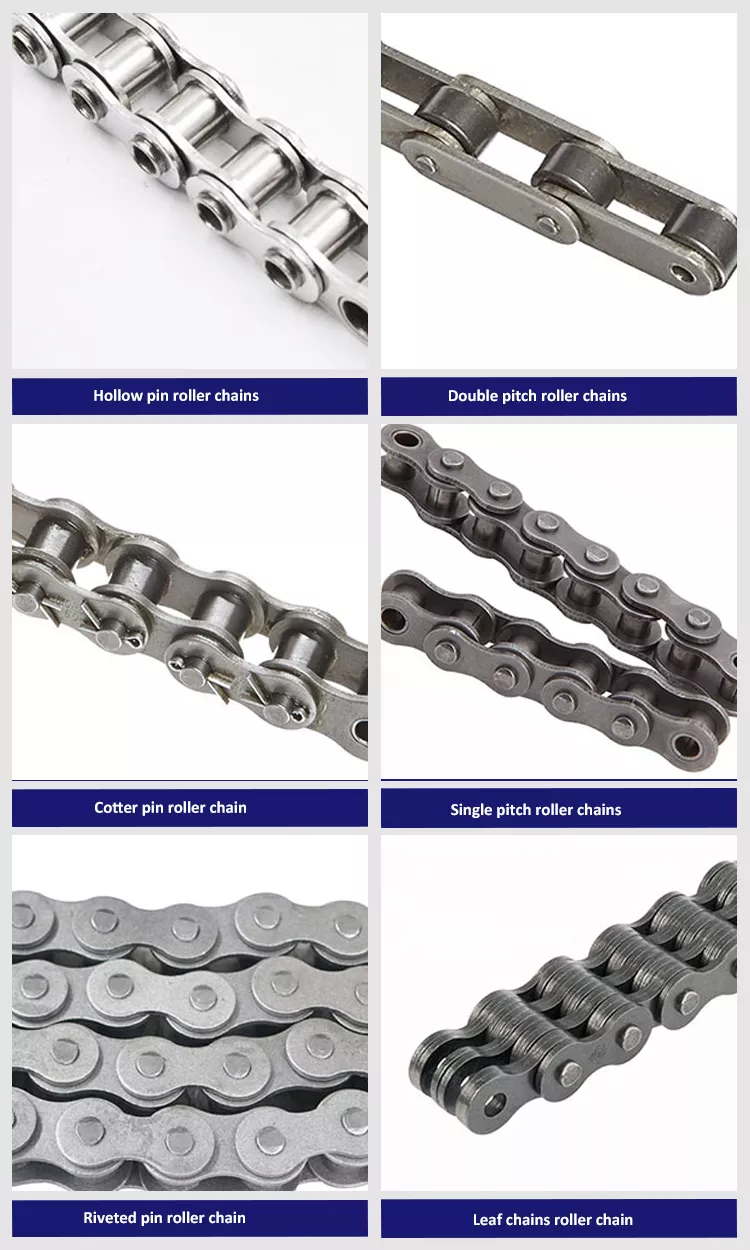
Double pitch
Double pitch roller chains are a popular way to drive agricultural equipment. It has twice the pitch of a standard roller chain and is ideal for light-duty drives. Extended pitch increases performance at lower speeds, but requires fewer components per foot than standard single-pitch chains. Compared to single-pitch roller chains, double-pitch chainplates are longer and are suitable for lighter loads. Read on to learn more about double pitch chains and how they can improve your operation.
The most common type of conveyor chain is double pitch. It is used in the auto parts industry, as well as in the precision machinery industry. It is made from the same components as the standard drive roller chain, except it has longer side plates. Double pitch chains are often used on slow-moving conveyors to reduce the stress placed on them. Industries that commonly use double pitch conveyor chains include airport equipment manufacturers, lumber mills, and fruit packing plants.
RS series roller chains are manufactured from high-quality stainless steel. It has excellent chemical and abrasion resistance and is available in a variety of cord lengths. RS sprockets have over 30 teeth. They contain all the necessary connection links for easy installation. PEER Chain offers double pitch roller chain attachments including pre-stretched chains, sprockets, and other attachments.
Double pitch roller chains have several advantages over standard chains. Double pitch chains have double the pitch, making them ideal for conveying applications such as conveyors. In addition to that, it also provides ANSI-compliant styles. These chains also have free connection links. When shopping for a double pitch roller chain, be sure to choose the one that fits your requirements and budget. They will last longer and save you money in the long run.
Double pitch roller chains to ANSI standards feature oversized rollers. These chains are best suited for applications where the product is mounted on top of the chain. They are ideal for agricultural applications where cotton is on top of the drum. Also, this type of chain is used in light-duty conveyors and agricultural applications. You can find double pitch roller chains in a variety of sizes and styles. And, as long as you know what you want, you’ll be happy with the results.
Self-lubricating
Self-lubricating roller chains eliminate the need for manual relubrication, providing long-lasting operation and reducing maintenance costs. These chains are particularly popular in industries such as the food and beverage industry, textiles, printing, and sawmills. They can also replace standard roller chain drives and conveyor chains. Manufactured to the specific standard ISO R606, these chains are ideal replacements for conventional chains. PC chains are particularly beneficial for food and beverage production and packaging applications due to their anti-corrosion properties.
Self-lubricating roller chains meet ISO, ASME/ANSI, and DIN standards. They are interchangeable with standard chains of the same size and shape and can be used in a variety of industrial applications. Self-lubricating chains have special oil-impregnated sleeves to reduce maintenance time. These chains are also suitable for applications where cleanliness is an issue.
Self-lubricating roller chains are manufactured with unique RS attachments. Rather than a traditional roller chain with an external lubricating ring, this type of chain retains the lubricant within its bushings. During operation, the application generates heat, heating the lubricant, which flows out of the pin and bushing area. Therefore, CZPT roller chains are ideal for certain food conveying applications.
In addition to self-lubricating roller chains, carbon steel, stainless steel or nickel-plated steel are also available. Self-lubricating roller chains are available in different sizes depending on the application, including 0.375″ wide profile straight-chain, extended pin chain, and four-link. In addition, these chains are also available in ANSI and BS chain specifications.
Accumulation
Whether you need to move large or small loads, accumulating roller chains are a viable solution. This chain conveyor is designed with low back pressure to transport large and bulky items with minimal noise. Free-running rollers within the chain help create a smooth build-up surface. These chains are available in a variety of options, including accumulating rollers of different pitches.
The accumulation and release roller chain 14 includes an upper part 15 and a lower part 16. The upper part 15 rests in the upper subspace 28, while the lower part 16 rests on the top side 20 of the profile. As the upper belt 15 rolls around the accumulation roller chain 14, it aligns with the lower chain 16 to form a continuous receiving space. This arrangement allows the accumulation roller chain 14 to rest on the top surface of the support profile 11.
A cumulative roller chain consists of many individual parts. Each section of the chain has an elongated cylindrical shape and is connected to each other by hinged joints. Each chain section also has an accumulation and release roller associated therewith. Each roller protrudes from the upper side 20 and the lower side 21 of the chain portion. The accumulation rollers are movable about an axis 22 extending transversely to the longitudinal axis of the chain.
A feature of the stacking and releasing roller chain is its simplicity. The conveyor has a profiled section that is permanently divided into two cross-sectional spaces. The bottom space is closed from all sides. The upper space accommodates the conveyor line. The contoured portion includes an opening that guides the bottom strap. A shunt can also be inserted between the two sections. The accumulating roller chain system is a convenient and versatile way to move bulky items.
There are many different types of accumulating roller chains. Some chains have offset rollers for optimal load distribution. Others have protection to prevent machine wear. Some run without lubricant, which is a safety advantage. In addition to protection, cumulative chains can also provide protection. The side bow version of the accumulation and release roller chain with offset accumulation and release rollers is designed for conveyor systems with very small bend radii.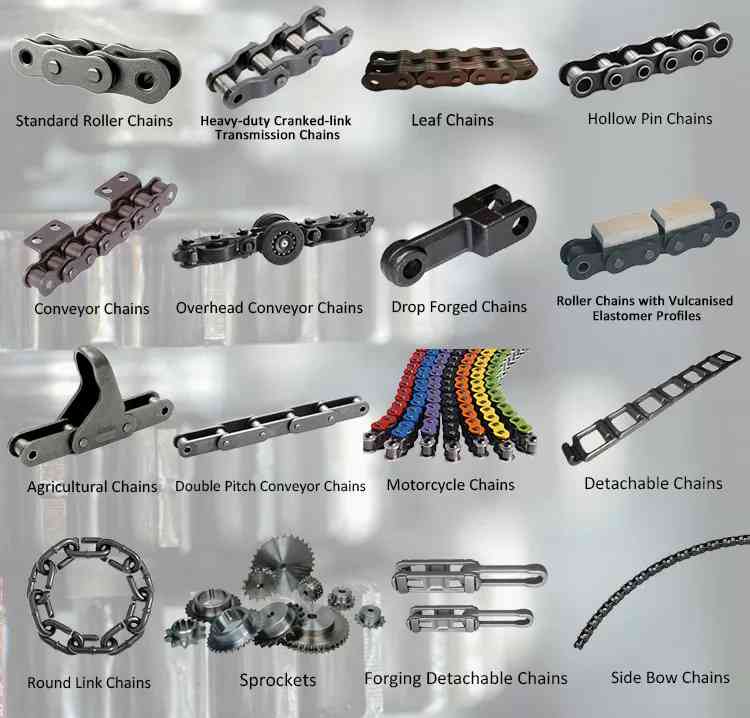
Without bushing
Bushless roller chains are the most common type of industrial chain. They are simple in design and require only regular maintenance. Regular maintenance includes lubricating, assessing wear, and replacing worn sprockets. For more information, please read the following information:
The outer chainplates and the inner chain plates are alternately arranged in pairs. The connecting pin extends through the hole in the inner link plate. The rollers thus positioned can be rotated on the connecting pins. Oil provided between the outer circumferential surfaces of each connecting pin serves to lubricate the chain. This system reduces noise and wears caused by collisions between inner chain plates and sprockets.
Compared to traditional roller chains, bushings roller chains have rollers around the bushing. These rollers are in rolling contact with the sprocket teeth, providing low friction and excellent wear resistance. To ensure smooth operation, bushings roller chains must be greased to prevent rust and keep the chain properly tensioned. Lubricated chains run smoother and last longer.
In a bushingless chain, the inner links are shaped like half bushings and ride on the rollers. The pins go through the outer plate and connect the inner links to the rollers. The outer plates overlap the inner links and open the pins. This system is also known as a heterochain. This type of chain is more common than traditional roller chains. If you are not sure which type of bushingless roller chain to choose, you may need to purchase an additional pair of inner chainplates.
Linerless roller chains may also include chain guides. In a bushingless roller chain, the outer and inner link plates conform to the surfaces of the guide rails. Thus, the large area of contact between the chain and the guide rail is eliminated, the friction loss is reduced, and the power transmission efficiency is improved. These properties make bushless roller chains more efficient and durable than traditional roller chains. It’s also less noisy. If you are looking for a chain with a lower noise level, a bushingless roller chain may be the right choice for you.
editor by Cx 2023-06-30