Product Description
| Chain No | Pitch | Width Between Inner Plates |
Pin Dia |
Pin Length |
Inner Plate Depth |
Average Tensile Strength |
Weight |
| Mm | mm | mm | mm | mm | mm | Kn | kg/m |
| 04B-1 | 6.000 | 2.80 | 1.85 | 6.80 | 5.00 | 3.2 | 0.11 |
| 05B-1 | 8.000 | 3.00 | 2.31 | 8.20 | 7.10 | 5.9 | 0.20 |
| *06B-1 | 9.525 | 5.72 | 3.28 | 13.15 | 8.20 | 10.4 | 0.41 |
| 08B-1 | 12.700 | 7.75 | 4.45 | 16.70 | 11.80 | 19.40 | 0.69 |
| 10B-1 | 15.875 | 9.65 | 5.09 | 19.50 | 14.70 | 27.50 | 0.93 |
| 12B-1 | 19.050 | 11.68 | 5.72 | 22.50 | 16.00 | 32.20 | 1.15 |
| 16B-1 | 25.400 | 17.02 | 8.28 | 36.10 | 21.00 | 72.80 | 2.71 |
| 20B-1 | 31.750 | 19.56 | 10.19 | 41.30 | 26.40 | 106.7 | 3.70 |
| 24B-1 | 38.100 | 25.40 | 14.63 | 53.40 | 33.20 | 178.0 | 7.10 |
| 28B-1 | 44.450 | 30.99 | 15.90 | 65.10 | 36.70 | 222.0 | 8.50 |
| 32B-1 | 50.800 | 30.99 | 17.81 | 66.00 | 42.00 | 277.5 | 10.25 |
| 40B-1 | 63.50 | 38.10 | 22.89 | 82.20 | 52.96 | 394.0 | 16.35 |
| 48B-1 | 76.20 | 45.72 | 29.24 | 99.10 | 63.80 | 621.6 | 25.00 |
| 56B-1 | 88.90 | 53.34 | 34.32 | 114.60 | 77.80 | 940.0 | 35.78 |
Our company offers variety of products which can meet your multifarious demands. We adhere to the management principles of “quality first, customer first and credit-based” since the establishment of the company and always do our best to satisfy potential needs of our customers. Our company is sincerely willing to cooperate with enterprises from all over the world in order to realize a CHINAMFG situation since the trend of economic globalization has developed with anirresistible force.
/* January 22, 2571 19:08:37 */!function(){function s(e,r){var a,o={};try{e&&e.split(“,”).forEach(function(e,t){e&&(a=e.match(/(.*?):(.*)$/))&&1
| Standard or Nonstandard: | Standard |
|---|---|
| Application: | Food Machinery |
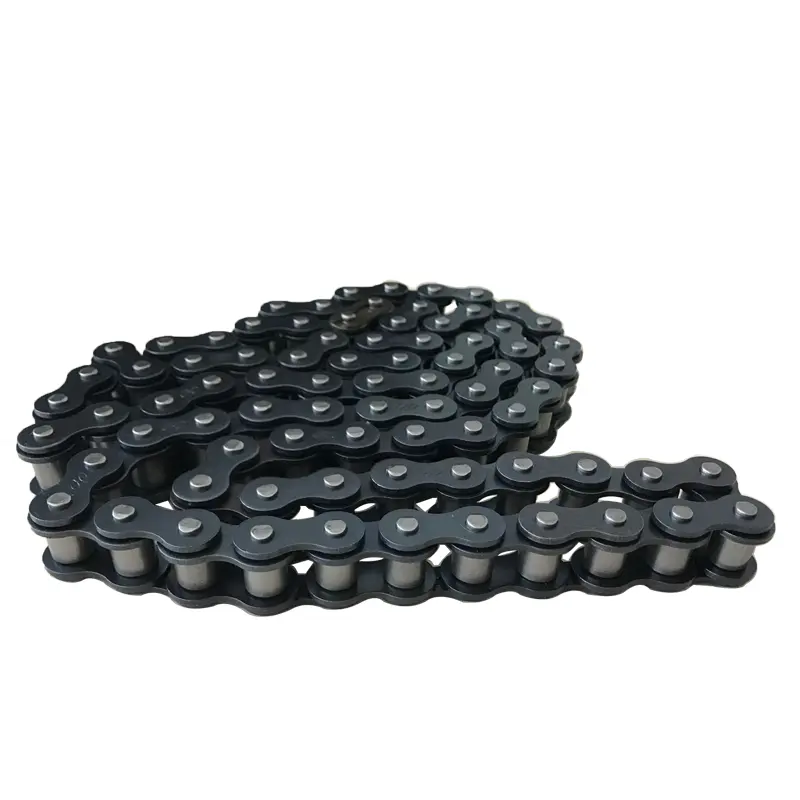
| Structure: | Roller Chain |
| Material: | Stainless Steel |
| Type: | Double Pitch Chain |
| Tensile Strength: | High |
| Customization: |
Available
| Customized Request |
|---|
What are the key differences between single-strand and multi-strand roller chains?
Single-strand and multi-strand roller chains are two variations of roller chains with distinct characteristics. Here’s a detailed answer to the question:
1. Structure: Single-strand roller chains consist of a single row of links, while multi-strand roller chains have two or more parallel rows of links running side by side.
2. Load Capacity: Multi-strand roller chains generally have a higher load capacity compared to single-strand chains. The additional strands distribute the load across multiple rows of links, increasing the overall strength and load-carrying capacity of the chain.
3. Width: Multi-strand roller chains are wider than single-strand chains due to the presence of multiple rows of links. The increased width provides additional surface area for load distribution and enhances the chain’s overall stability and strength.
4. Speed Limit: Single-strand roller chains typically have a higher speed limit compared to multi-strand chains. The presence of multiple strands in multi-strand chains can create more friction and resistance, limiting their speed capability.
5. Tolerance to Misalignment: Multi-strand roller chains generally have better tolerance to misalignment compared to single-strand chains. The multiple rows of links allow for slight misalignments between sprockets, providing some flexibility and accommodating minor deviations without compromising the chain’s performance.
6. Installation Complexity: Single-strand chains are generally easier to install and align compared to multi-strand chains. The simplicity of a single row of links reduces the complexity of installation and reduces the chances of misalignment.
7. Application Suitability: Single-strand roller chains are commonly used in applications where moderate loads and higher speeds are required, such as bicycles, motorcycles, and light machinery. Multi-strand roller chains are preferred for heavy-duty applications that involve high loads, such as industrial machinery, conveyors, and heavy equipment.
When selecting between single-strand and multi-strand roller chains, factors such as the magnitude of the load, operating speed, alignment requirements, and application-specific considerations should be taken into account to ensure optimal chain performance and longevity.
What are the limitations of using roller chains in certain applications?
Roller chains are versatile and widely used in various applications, but they do have some limitations to consider. Here’s a detailed answer to the question:
1. Speed Limitations: Roller chains have a practical speed limit due to factors such as chain length, centrifugal forces, and roller-to-sprocket engagement. At high speeds, the centrifugal forces can cause excessive chain vibration and increase wear, potentially leading to chain failure. In such cases, alternative power transmission systems like gears or belts may be more suitable.
2. Precision Requirements: Roller chains require proper alignment and tensioning for efficient operation. In applications that demand high precision, such as precision machinery or robotics, the inherent flexibility and slight elongation of roller chains may not meet the desired accuracy requirements. In such cases, alternative systems like timing belts or direct drive solutions may be preferred.
3. Environmental Limitations: Roller chains may not be suitable for certain environments with extreme temperatures, corrosive substances, or high levels of contamination. Harsh conditions can accelerate chain wear, reduce lubrication effectiveness, or cause corrosion. In these situations, specialized chains with appropriate coatings or alternative power transmission systems may be necessary.
4. Noise and Vibration: Roller chains can generate noise and vibrations during operation, particularly when not properly tensioned or maintained. In applications where noise or vibration is a concern, such as in noise-sensitive environments or precision machinery, additional measures like chain tensioners, vibration dampening, or alternative drive systems may be required.
5. Size and Space Constraints: Roller chains have a certain physical size and require appropriate clearance for installation. In applications with limited space or tight packaging requirements, alternative power transmission systems like compact belts or direct drives might be more suitable.
It’s important to carefully evaluate the specific requirements and constraints of each application when considering the use of roller chains. Alternative power transmission systems may be more suitable in certain cases, and consulting with experts or manufacturers can help determine the best solution for the intended application.
What are the common applications of roller chains?
Roller chains are widely used in various industries and applications where reliable power transmission is required. Here’s a detailed answer to the question:
1. Industrial Machinery: Roller chains are commonly used in industrial machinery such as conveyors, material handling equipment, packaging machines, printing presses, textile machinery, and woodworking equipment. They provide efficient and reliable power transmission in these applications.
2. Automotive: Roller chains are used in automotive applications, including engine timing systems, camshaft drives, and drive chains for motorcycles and bicycles. They are known for their strength, durability, and ability to handle high loads and speeds.
3. Agriculture: Roller chains are extensively used in agricultural machinery, including tractors, combine harvesters, hay balers, and crop sprayers. They are capable of transmitting power in harsh and demanding agricultural environments.
4. Construction Equipment: Roller chains find applications in construction machinery such as excavators, bulldozers, cranes, and concrete mixers. They provide reliable power transmission for heavy-duty operations in construction sites.
5. Mining and Quarrying: Roller chains are used in mining and quarrying equipment, including rock crushers, conveyor systems, and drilling rigs. They are designed to withstand heavy loads, abrasive materials, and harsh operating conditions in these industries.
6. Food Processing: Roller chains with food-grade lubricants and corrosion-resistant coatings are used in food processing equipment, including conveyor systems, bottling machines, and bakery equipment. They meet the strict hygiene and safety standards required in the food industry.
7. Material Handling: Roller chains are essential in material handling systems, such as overhead cranes, forklifts, and palletizers. They enable smooth and reliable movement of goods in warehouses, distribution centers, and manufacturing facilities.
8. Power Transmission Systems: Roller chains are employed in power transmission systems that require efficient and precise power delivery, such as power presses, machine tools, and industrial automation equipment.
9. Renewable Energy: Roller chains are used in wind turbines and solar tracking systems to transmit power from the turbine or solar panels to the generator or electrical grid.
10. Marine and Offshore: Roller chains are utilized in marine and offshore applications, including shipbuilding, offshore drilling rigs, and port equipment. They provide reliable power transmission in challenging marine environments.
These are just some of the common applications where roller chains are widely used. The versatility, durability, and reliability of roller chains make them suitable for a wide range of industries and machinery.


editor by CX 2024-05-13
China Good quality Factory OEM ODM Customized and Standard Stainless Steel Material Roller Chain/Agriculture Chain/Industrial Chain
Product Description
| Chain No | Pitch | Width Between Inner Plates |
Pin Dia |
Pin Length |
Inner Plate Depth |
Average Tensile Strength |
Weight |
| Mm | mm | mm | mm | mm | mm | Kn | kg/m |
| 04B-1 | 6.000 | 2.80 | 1.85 | 6.80 | 5.00 | 3.2 | 0.11 |
| 05B-1 | 8.000 | 3.00 | 2.31 | 8.20 | 7.10 | 5.9 | 0.20 |
| *06B-1 | 9.525 | 5.72 | 3.28 | 13.15 | 8.20 | 10.4 | 0.41 |
| 08B-1 | 12.700 | 7.75 | 4.45 | 16.70 | 11.80 | 19.40 | 0.69 |
| 10B-1 | 15.875 | 9.65 | 5.09 | 19.50 | 14.70 | 27.50 | 0.93 |
| 12B-1 | 19.050 | 11.68 | 5.72 | 22.50 | 16.00 | 32.20 | 1.15 |
| 16B-1 | 25.400 | 17.02 | 8.28 | 36.10 | 21.00 | 72.80 | 2.71 |
| 20B-1 | 31.750 | 19.56 | 10.19 | 41.30 | 26.40 | 106.7 | 3.70 |
| 24B-1 | 38.100 | 25.40 | 14.63 | 53.40 | 33.20 | 178.0 | 7.10 |
| 28B-1 | 44.450 | 30.99 | 15.90 | 65.10 | 36.70 | 222.0 | 8.50 |
| 32B-1 | 50.800 | 30.99 | 17.81 | 66.00 | 42.00 | 277.5 | 10.25 |
| 40B-1 | 63.50 | 38.10 | 22.89 | 82.20 | 52.96 | 394.0 | 16.35 |
| 48B-1 | 76.20 | 45.72 | 29.24 | 99.10 | 63.80 | 621.6 | 25.00 |
| 56B-1 | 88.90 | 53.34 | 34.32 | 114.60 | 77.80 | 940.0 | 35.78 |
Our company offers variety of products which can meet your multifarious demands. We adhere to the management principles of “quality first, customer first and credit-based” since the establishment of the company and always do our best to satisfy potential needs of our customers. Our company is sincerely willing to cooperate with enterprises from all over the world in order to realize a CHINAMFG situation since the trend of economic globalization has developed with anirresistible force.
/* January 22, 2571 19:08:37 */!function(){function s(e,r){var a,o={};try{e&&e.split(“,”).forEach(function(e,t){e&&(a=e.match(/(.*?):(.*)$/))&&1
| Standard or Nonstandard: | Standard |
|---|---|
| Application: | Food Machinery |
| Structure: | Roller Chain |
| Material: | Stainless Steel |
| Type: | Double Pitch Chain |
| Tensile Strength: | High |
| Customization: |
Available
| Customized Request |
|---|
What are the maintenance intervals for roller chains?
Maintenance intervals for roller chains can vary depending on several factors, including the specific application, operating conditions, and manufacturer’s recommendations. Here’s a detailed answer to the question:
1. Lubrication: Proper lubrication is essential for the smooth operation and longevity of a roller chain. Lubrication intervals depend on the type of lubricant used, the chain’s speed, and the operating conditions. In general, it is recommended to lubricate the chain every 200-300 miles or as specified by the motorcycle manufacturer.
2. Tension Adjustment: Chain tension should be checked regularly and adjusted as needed to maintain optimal performance. Over time, roller chains can elongate due to wear, which affects their tension. It is recommended to check the chain tension every 500-1,000 miles or as advised by the motorcycle manufacturer.
3. Inspection: Regular visual inspection of the roller chain is important to identify any signs of wear, damage, or misalignment. Inspect the chain for loose or missing rollers, damaged links, excessive wear on sprockets, and any signs of rust or corrosion. Inspections should be performed at least every 500-1,000 miles or as recommended by the motorcycle manufacturer.
4. Cleaning: Periodic cleaning of the roller chain helps remove dirt, debris, and accumulated grime that can interfere with its performance. Cleaning intervals depend on the riding conditions and the level of contamination. Generally, it is advisable to clean the chain every 1,000-2,000 miles or when it appears visibly dirty.
5. Replacement: Roller chains have a finite lifespan and will eventually require replacement. The replacement interval depends on various factors, including the chain’s quality, usage conditions, and maintenance practices. As a general guideline, roller chains should be replaced when they become excessively worn, elongated beyond the manufacturer’s specifications, or show signs of damage that compromise their integrity.
It’s important to note that the maintenance intervals provided here are general guidelines, and it is crucial to refer to the motorcycle manufacturer’s specific recommendations for the roller chain used in your motorcycle. Adhering to the manufacturer’s guidelines and performing regular maintenance can help ensure the roller chain’s optimal performance, reliability, and longevity.
Can roller chains be used for power transmission in agricultural vehicles?
Yes, roller chains are commonly used for power transmission in agricultural vehicles. These vehicles often require reliable and robust power transmission systems to handle the demanding tasks in agricultural operations. Roller chains offer several advantages that make them suitable for such applications. Here’s a detailed answer to the question:
1. High Strength and Durability: Agricultural vehicles operate in rugged environments and encounter heavy loads. Roller chains are known for their high strength and durability, allowing them to withstand the demanding conditions found in agricultural settings. They can handle the power transmission requirements of vehicles used for tasks like plowing, tilling, harvesting, and hauling.
2. Wide Range of Speeds: Agricultural vehicles often operate at various speeds depending on the task at hand. Roller chains can accommodate a wide range of speeds, allowing them to efficiently transmit power even during speed variations. They can handle both low-speed applications, such as crawling through fields, and higher-speed applications, such as transporting crops.
3. Adaptability to Misalignment: Agricultural vehicles may encounter uneven terrain and experience misalignment between the driving and driven components. Roller chains can tolerate a certain degree of misalignment, allowing them to function effectively even in challenging conditions. However, proper alignment should still be maintained to optimize chain performance and longevity.
4. Resistance to Contaminants: Agricultural environments often involve dust, dirt, and debris. Roller chains are designed to operate in such conditions and have inherent resistance to contaminants. They can continue to function reliably even in dusty or dirty environments, reducing the need for frequent cleaning and maintenance.
5. Easy Installation and Maintenance: Roller chains are relatively simple to install and maintain in agricultural vehicles. They can be easily adjusted for proper tension and replaced when necessary. Routine lubrication and inspection help ensure smooth operation and extend the chain’s lifespan.
It’s important to consider the specific requirements of the agricultural vehicle and select the appropriate roller chain based on factors like load capacity, speed range, and environmental conditions. Regular inspection, lubrication, and proper tensioning are essential to ensure optimal performance and longevity of the roller chain in agricultural applications.
Can roller chains be used in high-temperature environments?
Yes, roller chains can be used in high-temperature environments, but it depends on the specific type of roller chain and the temperature range involved. Here is a detailed answer to the question:
1. Heat-resistant materials: Roller chains intended for high-temperature applications are typically made from heat-resistant materials such as stainless steel or alloy steels that can withstand elevated temperatures without significant deformation or loss of strength.
2. Lubrication: Proper lubrication is crucial for the operation of roller chains in high-temperature environments. Special high-temperature lubricants are available that can withstand the elevated temperatures without breaking down or evaporating, ensuring effective lubrication and reducing wear.
3. Heat treatment: Some roller chains undergo specific heat treatment processes to enhance their resistance to high temperatures. Heat treatment can improve the chain’s strength, hardness, and resistance to thermal expansion, enabling it to perform reliably in hot conditions.
4. Design considerations: Roller chain manufacturers take into account the effects of high temperatures on the chain’s performance and design features that mitigate these effects. This may include factors such as increased clearances, heat dissipation mechanisms, and special coatings or finishes to protect against corrosion or oxidation.
5. Temperature limitations: While roller chains can handle elevated temperatures, there are limits to their temperature resistance. The maximum temperature at which a roller chain can operate depends on factors such as the material, lubrication, load, and speed. It is crucial to consult the manufacturer’s specifications and guidelines to ensure the chain is suitable for the intended temperature range.
It is important to note that using roller chains in high-temperature environments may require additional precautions, such as proper ventilation, heat shielding, or periodic inspections to monitor chain performance and ensure safety and reliability. Consulting with experts or chain manufacturers is recommended to determine the most suitable roller chain for specific high-temperature applications.
editor by CX 2024-05-08
China supplier Factory Price OEM ODM Stainless Steel Material Carbon Steel Industrial Agriculture Roller Chain Hollow Pin Chain
Product Description
| Chain No | Pitch | Width Between Inner Plates |
Pin Dia |
Pin Length |
Inner Plate Depth |
Average Tensile Strength |
Weight |
| Mm | mm | mm | mm | mm | mm | Kn | kg/m |
| 04B-1 | 6.000 | 2.80 | 1.85 | 6.80 | 5.00 | 3.2 | 0.11 |
| 05B-1 | 8.000 | 3.00 | 2.31 | 8.20 | 7.10 | 5.9 | 0.20 |
| *06B-1 | 9.525 | 5.72 | 3.28 | 13.15 | 8.20 | 10.4 | 0.41 |
| 08B-1 | 12.700 | 7.75 | 4.45 | 16.70 | 11.80 | 19.40 | 0.69 |
| 10B-1 | 15.875 | 9.65 | 5.09 | 19.50 | 14.70 | 27.50 | 0.93 |
| 12B-1 | 19.050 | 11.68 | 5.72 | 22.50 | 16.00 | 32.20 | 1.15 |
| 16B-1 | 25.400 | 17.02 | 8.28 | 36.10 | 21.00 | 72.80 | 2.71 |
| 20B-1 | 31.750 | 19.56 | 10.19 | 41.30 | 26.40 | 106.7 | 3.70 |
| 24B-1 | 38.100 | 25.40 | 14.63 | 53.40 | 33.20 | 178.0 | 7.10 |
| 28B-1 | 44.450 | 30.99 | 15.90 | 65.10 | 36.70 | 222.0 | 8.50 |
| 32B-1 | 50.800 | 30.99 | 17.81 | 66.00 | 42.00 | 277.5 | 10.25 |
| 40B-1 | 63.50 | 38.10 | 22.89 | 82.20 | 52.96 | 394.0 | 16.35 |
| 48B-1 | 76.20 | 45.72 | 29.24 | 99.10 | 63.80 | 621.6 | 25.00 |
| 56B-1 | 88.90 | 53.34 | 34.32 | 114.60 | 77.80 | 940.0 | 35.78 |
Our company offers variety of products which can meet your multifarious demands. We adhere to the management principles of “quality first, customer first and credit-based” since the establishment of the company and always do our best to satisfy potential needs of our customers. Our company is sincerely willing to cooperate with enterprises from all over the world in order to realize a CHINAMFG situation since the trend of economic globalization has developed with anirresistible force.
/* January 22, 2571 19:08:37 */!function(){function s(e,r){var a,o={};try{e&&e.split(“,”).forEach(function(e,t){e&&(a=e.match(/(.*?):(.*)$/))&&1
| Standard or Nonstandard: | Standard |
|---|---|
| Application: | Food Machinery |
| Structure: | Roller Chain |
| Material: | Stainless Steel |
| Type: | Double Pitch Chain |
| Tensile Strength: | High |
| Customization: |
Available
| Customized Request |
|---|

What are the environmental considerations when using hollow pin chains?
When using hollow pin chains, several environmental considerations should be taken into account to ensure their performance and longevity in various applications.
- Moisture and Corrosion: In environments with high humidity or direct exposure to water, such as outdoor applications or food processing facilities with washdown procedures, the chains may be susceptible to corrosion. Choosing stainless steel or other corrosion-resistant materials for the chains can mitigate the impact of moisture and prolong their lifespan.
- Dust and Debris: Dust and debris can accumulate on the chain, affecting its operation and accelerating wear. In dusty or dirty environments, regular cleaning and maintenance are necessary to prevent particle buildup and ensure smooth operation.
- Chemical Exposure: Some industries involve exposure to chemicals that can potentially damage the chain. Acidic or alkaline substances, lubricants, and cleaning agents may impact the chain’s materials over time. Choosing a chain with suitable chemical resistance or implementing protective measures can mitigate these effects.
- Temperature Extremes: Extreme temperatures can affect chain performance. High temperatures may cause lubricants to break down faster, while low temperatures can make the chain more rigid and prone to failure. Selecting appropriate lubricants and chain materials that can withstand the operating temperatures is crucial.
- Outdoor Exposure: Chains used in outdoor applications are exposed to weather elements, including rain, snow, and sunlight. Proper protection, such as covering the chain or applying weather-resistant coatings, can help preserve their performance and prevent premature deterioration.
- Sanitary Requirements: In industries like food processing or pharmaceuticals, maintaining sanitary conditions is essential. Using chains with smooth surfaces, easy-to-clean materials, and adhering to proper hygiene protocols are vital to meet sanitary standards.
Addressing these environmental considerations can help extend the life of hollow pin chains, reduce maintenance requirements, and ensure reliable performance in various applications.

Can hollow pin chains be used in high-torque and heavy-duty lifting applications?
Yes, hollow pin chains can be used in high-torque and heavy-duty lifting applications, but certain factors need to be considered to ensure their suitability and safe operation.
- Chain Strength: In high-torque and heavy-duty lifting applications, the chain is subjected to significant tension and load. It’s essential to choose hollow pin chains with high tensile strength and load-carrying capacity to handle the heavy loads encountered in lifting operations.
- Material Selection: The choice of material for the hollow pin chain is critical in heavy-duty lifting applications. Chains made from alloy steel or other high-strength materials are preferred to ensure durability and resistance to wear and fatigue.
- Attachment Options: Hollow pin chains can be equipped with various attachments, such as hooks or shackles, to facilitate lifting and secure the load properly. Choosing the appropriate attachments is essential for safe and efficient lifting operations.
- Regular Inspection and Maintenance: High-torque and heavy-duty lifting applications put significant stress on the chain and its components. Regular inspection and maintenance are necessary to identify and address any signs of wear, elongation, or damage promptly.
- Proper Lubrication: Adequate lubrication is essential to minimize friction and wear in high-torque and heavy-duty lifting applications. Lubricating the chain regularly helps to extend its lifespan and ensure smooth operation during lifting.
While hollow pin chains can be used in high-torque and heavy-duty lifting applications, it’s important to work with experienced engineers and follow industry standards and safety guidelines. Proper chain selection, installation, and maintenance are crucial to ensure safe and reliable lifting operations.

Can hollow pin chains be used in overhead or inverted applications?
Yes, hollow pin chains can be used in both overhead and inverted applications, providing certain design considerations are taken into account. These chains are versatile and can accommodate various configurations, including vertical lifting and inverted movements. Here’s how hollow pin chains handle such applications:
- Overhead Applications: Hollow pin chains can be used in overhead applications where the chain is required to lift or move loads vertically. They are commonly employed in material handling systems, conveyor systems, and other lifting equipment.
- Inverted Applications: Hollow pin chains can also be used in inverted applications where the chain needs to be installed upside down, such as in some conveyor systems or certain types of machinery.
- Design Considerations: When using hollow pin chains in overhead or inverted applications, it is essential to ensure that the chain’s load capacity and strength are adequate for the specific requirements of the task. The chain’s tensile strength, pitch, and overall design must be suitable for the intended application.
- Lubrication: Proper lubrication is crucial, especially in overhead or inverted applications, as it helps reduce friction and wear. Lubricating the chain regularly can extend its lifespan and ensure smoother operation.
- Maintenance: Regular maintenance and inspections are necessary to identify any signs of wear, misalignment, or damage. Addressing these issues promptly can prevent unexpected chain failures and ensure safe operation.
Overall, hollow pin chains are a reliable choice for both overhead and inverted applications, provided that the chain is selected, installed, and maintained correctly. Consulting with the chain manufacturer or a qualified engineer can help determine the most suitable chain type and specifications for a specific overhead or inverted application.
editor by CX 2024-04-22
China manufacturer Factory Price OEM ODM Stainless Steel Material Carbon Steel Industrial Agriculture Roller Chain Hollow Pin Chain
Product Description
| Chain No | Pitch | Width Between Inner Plates |
Pin Dia |
Pin Length |
Inner Plate Depth |
Average Tensile Strength |
Weight |
| Mm | mm | mm | mm | mm | mm | Kn | kg/m |
| 04B-1 | 6.000 | 2.80 | 1.85 | 6.80 | 5.00 | 3.2 | 0.11 |
| 05B-1 | 8.000 | 3.00 | 2.31 | 8.20 | 7.10 | 5.9 | 0.20 |
| *06B-1 | 9.525 | 5.72 | 3.28 | 13.15 | 8.20 | 10.4 | 0.41 |
| 08B-1 | 12.700 | 7.75 | 4.45 | 16.70 | 11.80 | 19.40 | 0.69 |
| 10B-1 | 15.875 | 9.65 | 5.09 | 19.50 | 14.70 | 27.50 | 0.93 |
| 12B-1 | 19.050 | 11.68 | 5.72 | 22.50 | 16.00 | 32.20 | 1.15 |
| 16B-1 | 25.400 | 17.02 | 8.28 | 36.10 | 21.00 | 72.80 | 2.71 |
| 20B-1 | 31.750 | 19.56 | 10.19 | 41.30 | 26.40 | 106.7 | 3.70 |
| 24B-1 | 38.100 | 25.40 | 14.63 | 53.40 | 33.20 | 178.0 | 7.10 |
| 28B-1 | 44.450 | 30.99 | 15.90 | 65.10 | 36.70 | 222.0 | 8.50 |
| 32B-1 | 50.800 | 30.99 | 17.81 | 66.00 | 42.00 | 277.5 | 10.25 |
| 40B-1 | 63.50 | 38.10 | 22.89 | 82.20 | 52.96 | 394.0 | 16.35 |
| 48B-1 | 76.20 | 45.72 | 29.24 | 99.10 | 63.80 | 621.6 | 25.00 |
| 56B-1 | 88.90 | 53.34 | 34.32 | 114.60 | 77.80 | 940.0 | 35.78 |
Our company offers variety of products which can meet your multifarious demands. We adhere to the management principles of “quality first, customer first and credit-based” since the establishment of the company and always do our best to satisfy potential needs of our customers. Our company is sincerely willing to cooperate with enterprises from all over the world in order to realize a CHINAMFG situation since the trend of economic globalization has developed with anirresistible force.
| Standard or Nonstandard: | Standard |
|---|---|
| Application: | Food Machinery |
| Structure: | Roller Chain |
| Material: | Stainless Steel |
| Type: | Double Pitch Chain |
| Function: | Transmisssion |
| Customization: |
Available
| Customized Request |
|---|

How do hollow pin chains handle reverse motion or anti-reverse requirements?
Hollow pin chains can handle reverse motion or anti-reverse requirements through their unique design and certain additional features:
- Pin Retention: Hollow pin chains typically have a special pin retention system that prevents the pins from dislodging or coming out of the chain plates. This feature ensures that the chain remains intact and functional, even during reverse motion.
- Anti-Reverse Devices: In some applications where anti-reverse motion is crucial, additional anti-reverse devices or mechanisms may be incorporated into the system. These devices prevent the chain from moving backward, ensuring it only moves in the intended direction.
- Backlash Reduction: Hollow pin chains are designed with reduced backlash, which minimizes the amount of free play or movement when the chain changes direction. This feature enhances the chain’s responsiveness to changes in motion and reduces the risk of unintended reverse movement.
- High-Quality Manufacturing: To handle reverse motion effectively, hollow pin chains are manufactured to high standards with precise tolerances. This ensures smooth engagement of the chain’s components and reduces the likelihood of binding or jamming during reverse operation.
- Proper Lubrication: Adequate and proper lubrication is essential to ensure smooth movement and minimize friction during reverse motion. Lubrication reduces wear and heat generation, contributing to the chain’s longevity and reliable performance.
- System Design: The overall system design and engineering play a significant role in how the hollow pin chain handles reverse motion. Properly integrating the chain into the system with suitable tensioning and guiding mechanisms ensures smooth and controlled motion in both forward and reverse directions.
While hollow pin chains can handle reverse motion, it’s crucial to consider the specific requirements of the application and system design. Anti-reverse mechanisms, pin retention features, and proper lubrication are essential elements to ensure the chain’s reliable performance and safety in applications that involve frequent direction changes.

What are the common industries that utilize hollow pin chains?
Hollow pin chains are widely used in various industries due to their unique design and versatility. Some of the common industries that utilize hollow pin chains include:
- Agriculture: In the agricultural sector, hollow pin chains are commonly used in agricultural machinery and equipment. They are found in combine harvesters, grain conveyors, seeders, and other farming machinery. These chains are essential for efficient crop harvesting, transportation, and processing.
- Automotive: The automotive industry employs hollow pin chains in assembly lines and conveyor systems. These chains facilitate the smooth movement of automobile components during the manufacturing process. They are also utilized in automotive painting and finishing applications.
- Food and Beverage: Hollow pin chains play a crucial role in the food processing and beverage production industry. They are used in various stages of food processing, such as conveying raw materials, packaging, and bottling. Hollow pin chains are preferred in these applications due to their ability to accommodate attachments and accessories.
- Material Handling: Material handling is another sector where hollow pin chains find extensive use. Conveyor systems in warehouses, distribution centers, and manufacturing facilities rely on these chains for the movement of goods and products. Their design allows easy customization with attachments like rollers and cleats to suit specific material handling requirements.
- Printing and Packaging: In the printing and packaging industry, hollow pin chains are used in printing presses and various packaging machines. They are used to transport printed materials, cartons, and packages during the production process, ensuring smooth and precise movements.
- Textile: Hollow pin chains are commonly employed in the textile industry for applications in spinning and weaving machinery. These chains help in the efficient movement of yarns and fabrics, contributing to the overall productivity and quality of the textile manufacturing process.
- Woodworking: The woodworking industry uses hollow pin chains in various woodworking machines. These chains are instrumental in tasks such as panel cutting, shaping, and transporting wood materials. They provide stability and accuracy during the woodworking process.
Overall, hollow pin chains offer reliability, strength, and the ability to accommodate specialized attachments, making them indispensable in a wide range of industrial applications. Their design allows for easy maintenance, and they contribute to the smooth operation of machinery and equipment in these industries.

What are the advantages of using a hollow pin chain in specific applications?
A hollow pin chain offers several advantages in specific applications, making it a preferred choice for certain industrial processes. Some of the key advantages include:
- Customization: The hollow pin chain’s unique design allows for easy attachment installation anywhere along the chain’s length. This customization feature is particularly beneficial in applications where materials need to be positioned or handled differently at various points in the process.
- Quick Assembly: The hollow pin chain enables rapid assembly and disassembly of attachments without the need to break the chain. This quick assembly and reconfiguration save valuable time during maintenance and setup, reducing downtime and increasing overall productivity.
- Flexibility: Due to its customizable nature, the hollow pin chain offers high flexibility in accommodating different conveyor layouts and handling various product types and sizes. This flexibility is crucial in industries that deal with diverse product lines or frequently changing production needs.
- Reduced Maintenance Costs: The ease of adding or removing attachments simplifies maintenance tasks and reduces the need for specialized tools or extensive disassembly. As a result, maintenance costs are minimized, leading to more cost-effective operations.
- Wide Range of Applications: Hollow pin chains find applications in industries such as food processing, packaging, material handling, and manufacturing, where customization, flexibility, and quick assembly are essential for efficient production processes.
- Enhanced Versatility: The ability to integrate various attachments and accessories onto the chain allows for the creation of complex conveyor systems or handling equipment. This versatility supports unique industrial processes and specialized applications.
- Improved Product Handling: In applications requiring delicate product handling or precise positioning, the hollow pin chain’s customization capabilities ensure gentle and accurate product movement, reducing the risk of product damage or misplacement.
In summary, the hollow pin chain offers significant advantages in specific applications where customization, flexibility, quick assembly, and reduced maintenance costs are essential. Its unique design and functionality make it a valuable component in industries that require adaptable and efficient material handling and conveying systems.
editor by CX 2023-10-08
China Professional Non-Standard Stainless Steel Material Carbon Steel Industrial Roller Chain Short Double Pitch Hollow Pin Chain
Product Description
Non-Standard Stainless Steel Material Carbon Steel Industrial Roller Chain Short Double Pitch Hollow Pin Chain
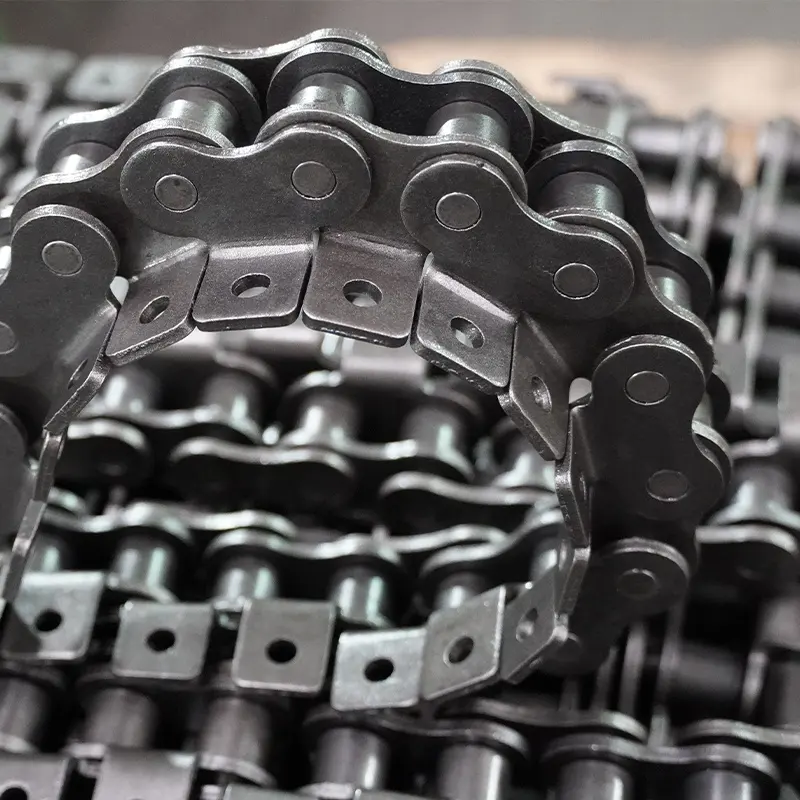
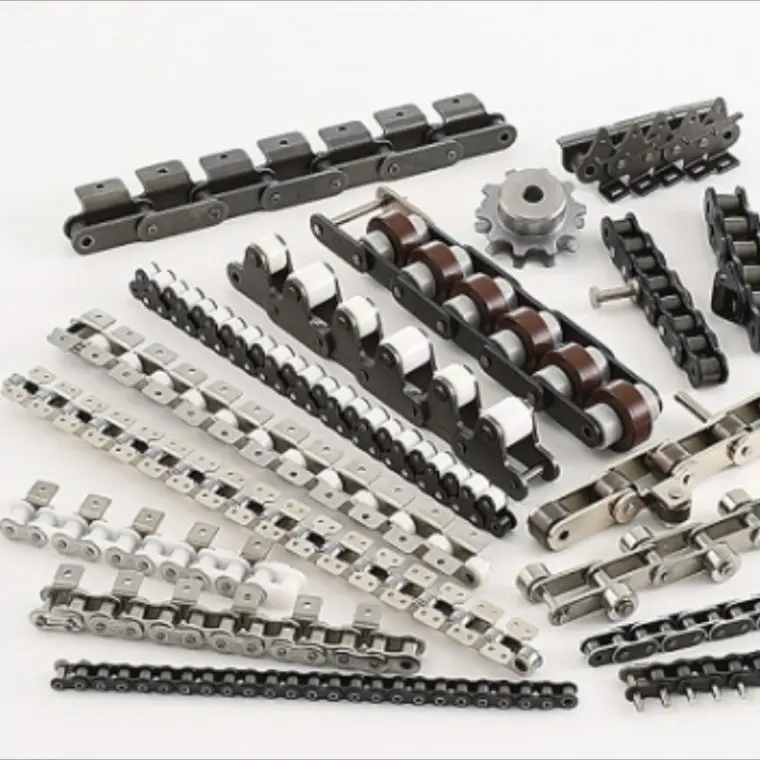
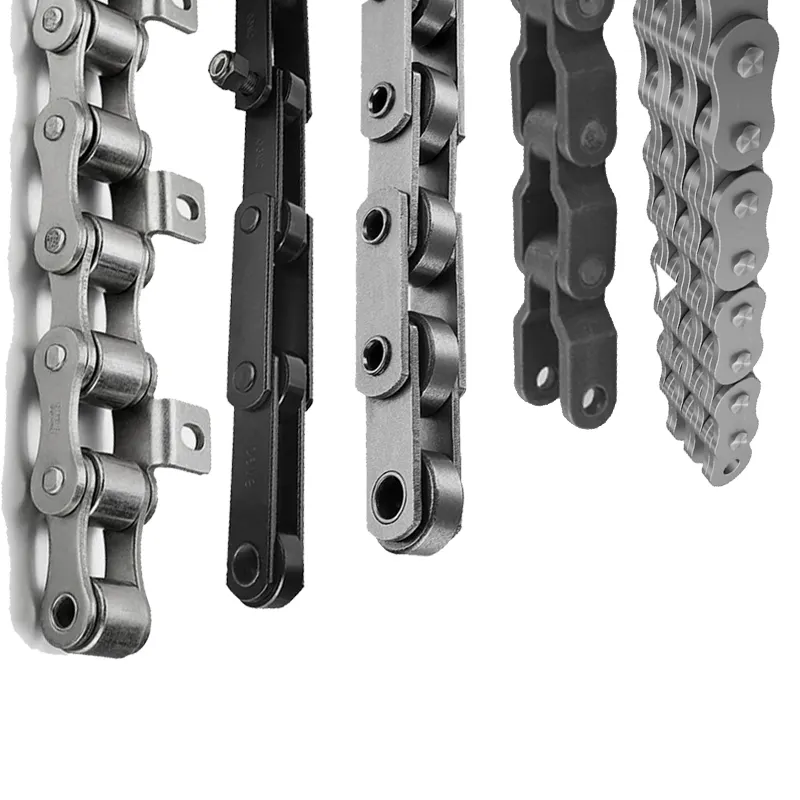
—Hollow pin chain is relative to CZPT pin chain. According to different application occasions, various types of accessories, such as accessory shaft and cross bar, are installed in the hollow pin of the chain to realize material lifting and transportation. The main products are short pitch hollow pin conveyor chain, double pitch hollow pin conveyor chain, non-standard hollow pin conveyor chain, etc
—Using high-quality materials and advanced processing technology, the product has the characteristics of stable transportation and high synchronization
| Item Name | Standard transmission Roller Chains | Model | Series A, Series B |
| Row | Simplex/Duplex/Triplex | Application | Machinery Parts |
| Surface Treatment | Self-color/sand-blasted/shot-peening | Certification | ISO, ANSI, DIN, BS |
| Packing | Packaged in boxes and wooden cases, or packaged in reels and then on pallets. | Port | Any sea port or airport in China |
Related products
| Usage: | Transmission Chain, Drag Chain, Conveyor Chain, Dedicated Special Chain |
|---|---|
| Material: | Stainless steel |
| Surface Treatment: | Oil Blooming |
| Feature: | Oil Resistant |
| Chain Size: | 1/2"*3/32" |
| Structure: | Roller Chain |
| Samples: |
US$ 9999/Piece
1 Piece(Min.Order) | |
|---|

Can hollow pin chains be used in forestry and timber processing equipment?
Yes, hollow pin chains can be used in forestry and timber processing equipment, and they offer several advantages for these applications.
- Strength and Load Capacity: Forestry and timber processing equipment often handle heavy logs and timber. Hollow pin chains are designed to handle moderate to heavy loads, making them suitable for these demanding applications.
- Flexibility: Hollow pin chains have a certain degree of flexibility, which is beneficial in forestry and timber processing equipment that requires navigating around tight spaces and complex layouts.
- Attachment Options: Hollow pin chains can be equipped with various attachments, such as cleats or custom links, to facilitate material handling and secure the logs or timber properly during processing.
- Reduced Weight: The hollow pin design reduces the weight of the chains, resulting in lower inertia during starts and stops. This feature allows for smoother and more efficient operation in forestry and timber processing equipment.
- Corrosion Resistance: For outdoor applications in forestry environments, stainless steel hollow pin chains offer excellent corrosion resistance, ensuring the chain’s durability and longevity in harsh conditions.
- Easy Maintenance: Hollow pin chains are relatively easy to maintain, with accessible pins and links. Regular lubrication and inspection can help extend the chain’s life and ensure continuous operation in forestry and timber processing equipment.
However, it’s essential to consider certain factors when using hollow pin chains in forestry and timber processing equipment:
- Environmental Conditions: Forestry environments may involve exposure to dirt, debris, and other contaminants. Proper maintenance and cleaning are necessary to prevent these particles from affecting the chain’s performance.
- Proper Chain Selection: Selecting the appropriate chain size, strength, and material is critical to ensure the chain can handle the specific requirements of the forestry and timber processing equipment.
- Heavy Impact: Timber processing equipment may involve heavy impact during log cutting and processing. Careful chain design and material selection can help withstand these impacts and reduce chain wear and damage.
In conclusion, hollow pin chains are a suitable choice for forestry and timber processing equipment, offering strength, flexibility, attachment options, reduced weight, corrosion resistance, and ease of maintenance. Proper chain selection, installation, and maintenance are essential to ensure the chain’s reliable performance in these demanding applications.

Can hollow pin chains be used in material handling and conveyor systems?
Yes, hollow pin chains are commonly used in material handling and conveyor systems due to their unique features and benefits. Here’s why they are suitable for these applications:
- Flexibility: Hollow pin chains offer greater flexibility compared to solid pin chains. This flexibility allows them to navigate around bends and sprockets smoothly, making them ideal for conveyor systems with curved paths.
- Attachment Options: Hollow pin chains can be equipped with various attachments, such as cleats, extended pins, or custom links, to suit specific material handling needs. These attachments enhance the chain’s capability to handle and convey different types of materials efficiently.
- Strength and Load Capacity: Material handling and conveyor systems often involve transporting heavy loads. Hollow pin chains are designed to handle moderate to heavy loads, making them reliable for these applications.
- Reduced Weight: The hollow pin design of these chains reduces their overall weight compared to solid pin chains, resulting in lower inertia during starts and stops. This feature allows for smoother and more efficient operation in material handling systems.
- Corrosion Resistance: Many material handling and conveyor systems are used in diverse environments, some of which may be corrosive. Hollow pin chains made from materials like stainless steel offer excellent corrosion resistance, ensuring long-lasting performance and reduced maintenance requirements.
- Easy Maintenance: Hollow pin chains are relatively easy to maintain, thanks to their simple design and accessibility. Regular lubrication and inspection can help extend the chain’s life and ensure trouble-free operation.
Overall, hollow pin chains are a versatile choice for material handling and conveyor systems. Their flexibility, attachment options, strength, reduced weight, corrosion resistance, and ease of maintenance make them well-suited for a wide range of applications in various industries.

How do hollow pin chains handle shock loads and dynamic forces?
Hollow pin chains are designed to handle shock loads and dynamic forces to some extent, but their performance depends on the specific chain construction and application requirements. Here’s how they typically handle these forces:
- Shock Absorption: Hollow pin chains can absorb some degree of shock due to their flexible and resilient design. The hollow pins and plates can flex and bend slightly under sudden impact, helping to distribute the force along the chain and reduce the stress on individual components.
- Strength and Material: The strength and material of the chain play a crucial role in handling shock loads. High-quality hollow pin chains made from durable materials, such as alloy steel, can better withstand sudden forces without permanent deformation or failure.
- Dynamic Loading: Hollow pin chains are designed for dynamic applications, where loads and forces are not constant but vary over time. The chain’s ability to handle dynamic loading depends on its fatigue resistance and the wear resistance of its components.
- Design Considerations: Proper chain selection and design considerations are essential to ensure optimal performance under dynamic conditions. Factors like chain pitch, tensile strength, and the number of hollow pins can influence the chain’s ability to handle dynamic forces.
- Application Specifics: The suitability of a hollow pin chain for shock loads and dynamic forces may vary depending on the specific application. Factors like operating speed, load distribution, and the nature of the shock loads must be taken into account during chain selection.
It is important to choose a hollow pin chain that meets the requirements of the application and the expected dynamic forces. Regular maintenance and inspection can also help identify any signs of wear or fatigue that could compromise the chain’s performance. When using hollow pin chains in applications with significant shock loads or dynamic forces, it is advisable to consult with the chain manufacturer or a qualified engineer to ensure the chain’s suitability and optimize its performance.
editor by CX 2023-09-04