Product Description
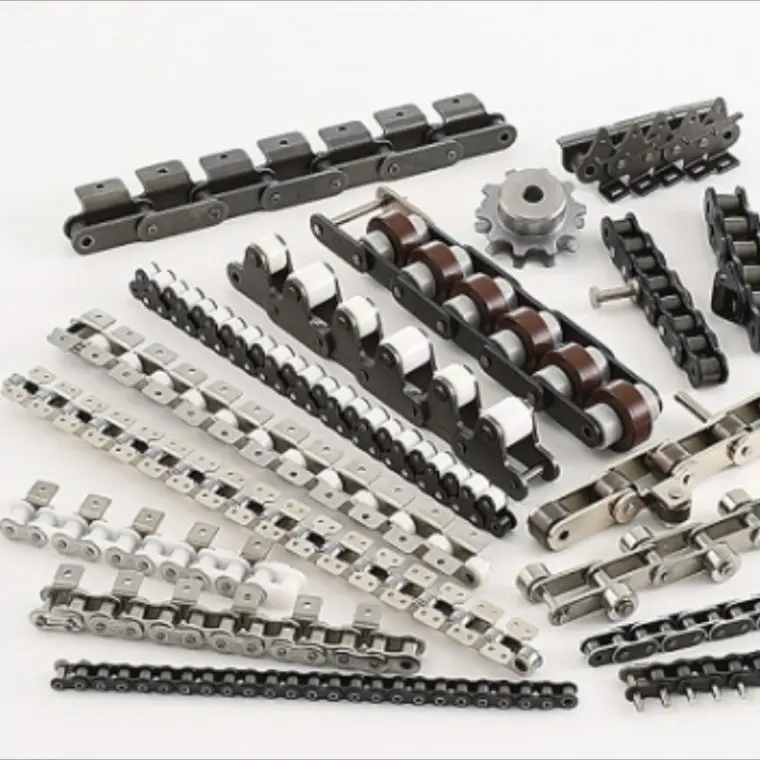
| Model NO. | 06C/08A/10A/12A/16A/20A/24A/28A/32A/40A/06B/08B/10B/12B/16B/20B/24B/28B/32B/40B-1/2/3 Heavy duty |
| Chain Model | Roller Chains |
| Structure (for Chain) | Roller Chain |
| Specification | GB/T, DIN, ANSI, ISO, BS, JIS. |
| Origin | HangZhou, ZheJiang |
| Color | Solid Color |
| Chain Color | Customized |
Our company
Wolff Chain Co. is 1 of the professional chain manufacturers in China. We focus on reseaching, manufacturing and trading of the chain drive with famous brands — “DOVON” and “DECHO”. We supply OEM services for many famous enterprises such as SUZUKI, XIHU (WEST LAKE) DIS., FAW, AGCO, JUMING as well.
Wolff mainly producing the Transmission chains,Conveyor chains,Dragging Chains,Silent chains,Leaf chains,Roller chains,Special chain and many other series of chain products. Our technicians a have improved the chains quality to the world-level. High quality material selection, powerful and precise heat-treatment technology and excellent assembly methods ensure Wolff chains meet the tough and strict requirements for machines and vehicles.
All of our products completely conform to the international standard such as ISO\DIN\ANSI\BS\JIS, etc. Wolff has been successfully certified by ISO9001 Quality Management System,SGS inspection and BV inspection. Wolff chains can be widely applied to many industries including automobile, motorcycle, forklift, wood processing machine, constructure machine, packing machine, food machine,tobacco machine and agricultural equipments. Wolff chains are popular in America,South America,Europe,Middle East, South East Asia and Africa markets.
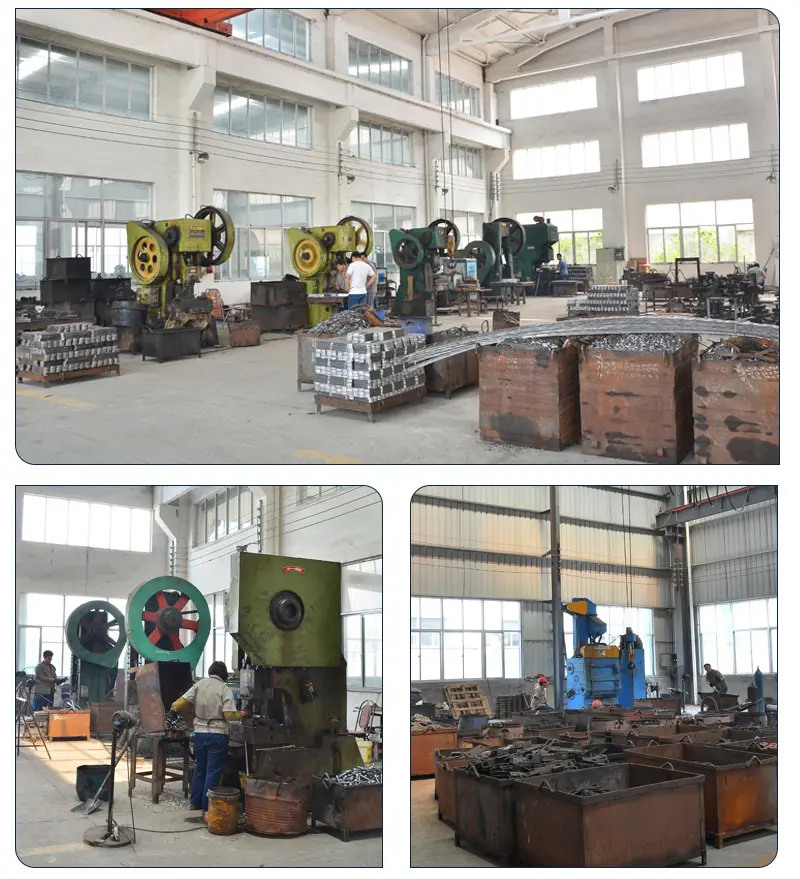
Our workshop
Our certification
Welcome to our exhibition
FAQ
Q1. What is your terms of packing?
A: Generally, we pack our goods in single color box. If you have special request about packing, pls negotiate with us in advance, we can pack the goods as your request.
Q2. What is your terms of payment?
A: T/T 30% as deposit, and 70% before delivery. We’ll show you the photos of the products and packages
before you pay the balance. Other payments terms, pls negotiate with us in advance, we can discuss.
Q3. What is your terms of delivery?
A: EXW, FOB, CFR, CIF.
Q4. How about your delivery time?
A: Generally, it will take 25 to 30 days after receiving your advance payment. The specific delivery time depends
on the items and the quantity of your order.
Q5. Can you produce according to the samples?
A: Yes, we can produce by your samples or technical drawings. We can build the molds and fixtures.
Q6. What is your sample policy?
A: We can supply the sample if we have ready parts in stock, but the customers have to pay the sample cost and
the courier cost.We welcome sample order.
Q7. Do you test all your goods before delivery?
A: Yes, we have 100% test before delivery
Q8: How do you make our business long-term and good relationship?
1. We keep good quality and competitive price to ensure our customers benefit ;
2. We respect every customer as our friend and we sincerely do business and make friends with them,
| Standard or Nonstandard: | Standard |
|---|---|
| Application: | Textile Machinery, Garment Machinery, Conveyer Equipment, Packaging Machinery, Food Machinery, Marine, Mining Equipment |
| Surface Treatment: | Oil Blooming |
| Structure: | Roller Chain |
| Material: | Carbon Steel |
| Type: | Short Pitch Chain |
| Samples: |
US$ 0/Piece
1 Piece(Min.Order) | |
|---|
| Customization: |
Available
| Customized Request |
|---|
What are the maintenance intervals for roller chains?
Maintenance intervals for roller chains can vary depending on several factors, including the specific application, operating conditions, and manufacturer’s recommendations. Here’s a detailed answer to the question:
1. Lubrication: Proper lubrication is essential for the smooth operation and longevity of a roller chain. Lubrication intervals depend on the type of lubricant used, the chain’s speed, and the operating conditions. In general, it is recommended to lubricate the chain every 200-300 miles or as specified by the motorcycle manufacturer.
2. Tension Adjustment: Chain tension should be checked regularly and adjusted as needed to maintain optimal performance. Over time, roller chains can elongate due to wear, which affects their tension. It is recommended to check the chain tension every 500-1,000 miles or as advised by the motorcycle manufacturer.
3. Inspection: Regular visual inspection of the roller chain is important to identify any signs of wear, damage, or misalignment. Inspect the chain for loose or missing rollers, damaged links, excessive wear on sprockets, and any signs of rust or corrosion. Inspections should be performed at least every 500-1,000 miles or as recommended by the motorcycle manufacturer.
4. Cleaning: Periodic cleaning of the roller chain helps remove dirt, debris, and accumulated grime that can interfere with its performance. Cleaning intervals depend on the riding conditions and the level of contamination. Generally, it is advisable to clean the chain every 1,000-2,000 miles or when it appears visibly dirty.
5. Replacement: Roller chains have a finite lifespan and will eventually require replacement. The replacement interval depends on various factors, including the chain’s quality, usage conditions, and maintenance practices. As a general guideline, roller chains should be replaced when they become excessively worn, elongated beyond the manufacturer’s specifications, or show signs of damage that compromise their integrity.
It’s important to note that the maintenance intervals provided here are general guidelines, and it is crucial to refer to the motorcycle manufacturer’s specific recommendations for the roller chain used in your motorcycle. Adhering to the manufacturer’s guidelines and performing regular maintenance can help ensure the roller chain’s optimal performance, reliability, and longevity.
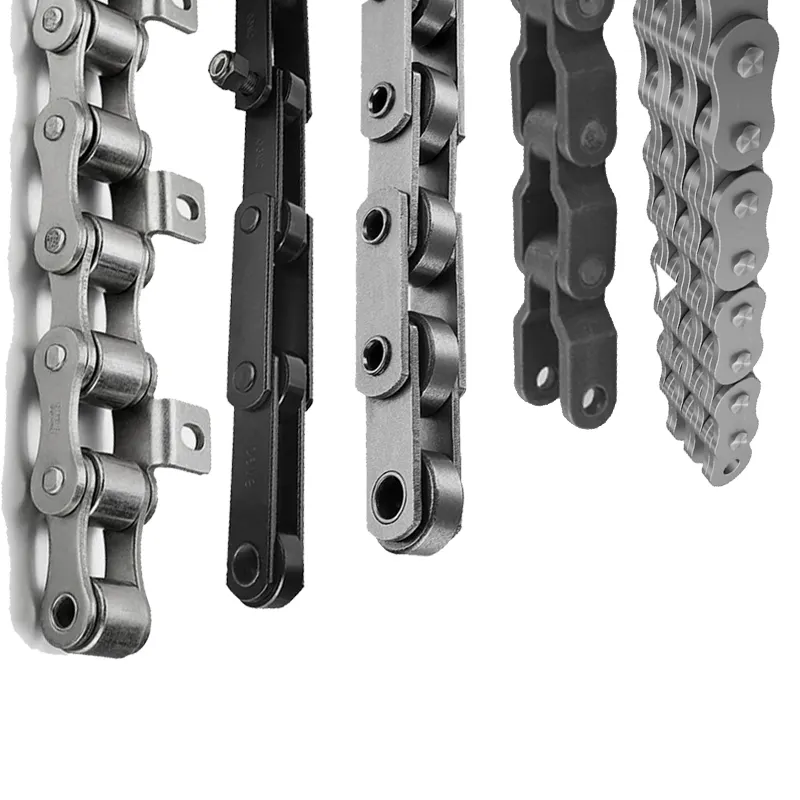
Can roller chains be used for power transmission in industrial equipment?
Yes, roller chains are widely used for power transmission in various industrial equipment and machinery. Here’s a detailed answer to the question:
1. Versatility: Roller chains are known for their versatility and can be used in a wide range of industrial applications. They are commonly employed in machinery such as conveyors, agitators, mixers, hoists, elevators, packaging equipment, material handling systems, and many other types of industrial equipment.
2. Power Transmission: Roller chains excel in transmitting power from one rotating shaft to another. They can efficiently transfer high torque and handle heavy loads, making them suitable for demanding industrial applications where power transmission is required.
3. Load Capacity: Roller chains are designed to withstand significant loads and provide reliable power transmission. They are available in various sizes and strengths, allowing for customization based on the specific load requirements of the industrial equipment.
4. Durability: Roller chains are built to be durable and withstand harsh operating conditions typically encountered in industrial environments. They are constructed using high-quality materials and undergo heat treatment processes to enhance their strength and resistance to wear, fatigue, and elongation.
5. Efficiency: Roller chains offer high transmission efficiency due to their positive engagement with the sprockets. The rollers on the chain engage with the sprocket teeth, minimizing slippage and ensuring reliable power transfer. This results in efficient operation and optimized performance of industrial equipment.
6. Easy Maintenance: Roller chains are relatively easy to maintain, especially when compared to other power transmission systems. Proper lubrication and periodic inspection are essential to ensure smooth operation and extend the chain’s lifespan. Regular maintenance routines can be implemented to keep the chains in optimal condition and minimize downtime.
7. Cost-Effectiveness: Roller chains are generally cost-effective compared to alternative power transmission methods. They offer a balance between performance, durability, and affordability, making them a popular choice for power transmission in industrial equipment.
In summary, roller chains are well-suited for power transmission in industrial equipment due to their versatility, load capacity, durability, efficiency, ease of maintenance, and cost-effectiveness. When selecting roller chains for industrial applications, it’s important to consider factors such as load requirements, speed, environmental conditions, and compatibility with the specific equipment to ensure optimal performance and longevity.
What are the advantages of using a roller chain in machinery?
A roller chain offers several advantages when used in machinery. Here’s a detailed answer to the question:
1. High Load Capacity: Roller chains are designed to handle high loads and transmit power efficiently. They are capable of carrying heavy loads and withstanding high torque, making them suitable for applications that require reliable power transmission.
2. Wide Speed Range: Roller chains can operate at a wide range of speeds, from low to high. They are capable of handling both slow-speed and high-speed applications, providing flexibility in machinery design and operation.
3. Durability and Longevity: Roller chains are known for their durability and long service life. They are constructed using high-quality materials and undergo precise manufacturing processes, resulting in chains that can withstand heavy use, harsh environments, and repetitive motions without premature failure.
4. Easy Installation and Maintenance: Roller chains are relatively easy to install and maintain. They have a simple design and can be quickly assembled onto sprockets. Routine maintenance involves lubrication, periodic inspections, and occasional tension adjustments, which are straightforward tasks.
5. Versatility: Roller chains are versatile and can be used in a wide range of machinery and equipment. They find applications in various industries, including automotive, agriculture, manufacturing, construction, and more. They can be customized to meet specific requirements by selecting the appropriate type, size, and configuration.
6. Efficient Power Transmission: Roller chains provide efficient power transmission between the driving and driven components. The rolling action of the chain on the sprockets reduces friction and energy losses, resulting in higher mechanical efficiency compared to other types of power transmission methods.
7. Compact Design: Roller chains have a compact design, which allows for efficient power transmission in tight spaces. They occupy less space compared to other types of power transmission systems, making them suitable for machinery with space constraints.
8. Cost-Effective Solution: Roller chains are a cost-effective solution for power transmission in machinery. They are relatively inexpensive compared to alternative power transmission methods and offer a high level of reliability and longevity, resulting in lower maintenance and replacement costs over time.
Overall, the advantages of using roller chains in machinery include their high load capacity, wide speed range, durability, ease of installation and maintenance, versatility, efficient power transmission, compact design, and cost-effectiveness. These factors make roller chains a popular choice for many machinery applications.


editor by CX 2023-09-05
China Custom ISO Conveyor Chain Transmission Combine Rice Harvester Agricultural with Attachment (A, CA, C, S type) Roller
Product Description
Product Description
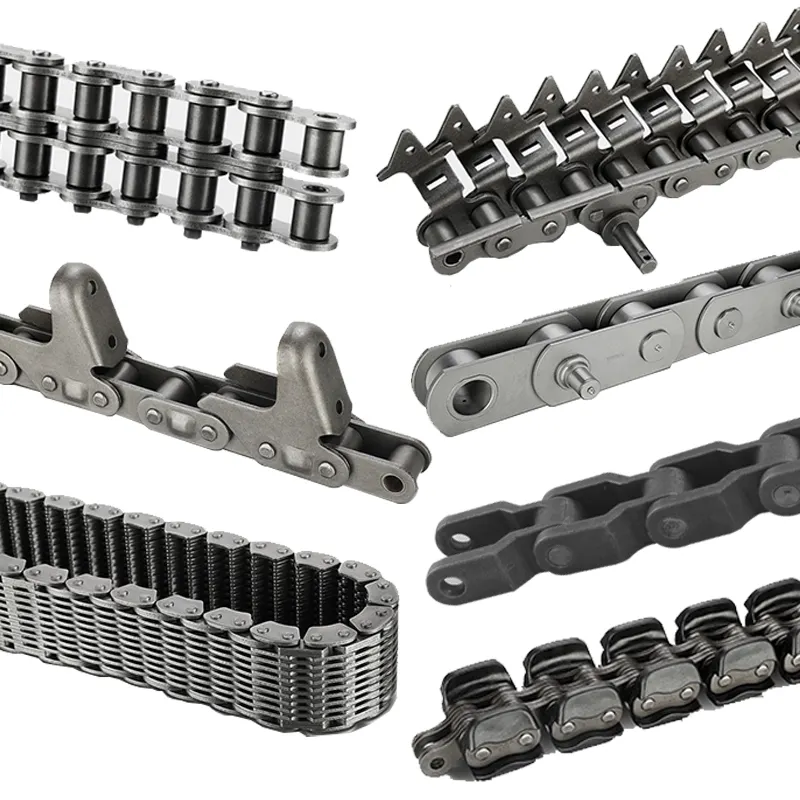
The chain of agricultural machinery industry is applied to rice, wheat, corn, cotton and other agricultural machinery, providing driving and conveying functions, and realizing mechanized flower operation in the whole process of agricultural production from arable land to harvest. It is mainly applied to rice machinery, corn machinery, cotton machinery, etc
Product Attribute
|
Usage |
Agricultural roller chain |
|
Material |
chain plate: 45Mn,bush: Q195, roller: 10#,pin: 40Cr |
|
Surface Treatment |
netural/sand-blasted/shot-peening |
| application area | Rice machinery, harvester and other agricultural machinery |
| product type | S Type Steel Agricultural Chain with Attachments C Type Steel Agricultural Chain with Attachments A Type Steel Agricultural Chain with Attachments CA Type Steel Agricultural Chain with Attachments |
| certificate | ISO,SGS,ANSI,DIN |
| Port |
Any sea port or airport in china |
| Payment |
L/C, T/T, D/P, Western Union |
| Package |
Chain, Plastic Bag, Color Box, Wooden Case. or OEM |
| S Type | S32,S32V,S42,S45,S51,S52,
55V,55VF1,S55,S55R,S55RH,S62,S77,S88 |
| C Type | CA550,CA550V,CA555,CA557,CA620,CA2060H,CA2063H,CA550F4,CA550F5
38.4R,38.4V,55VD,S62F3,CA960 |
| A Type | A550,A555,A557,A620 |
| CA Type | CA627,CA550D,CA557D,CA620D |
| We also carry out OEM according to your requirements |
|
Detailed Photos
Product Parameters
Our Advantages
Company Advantages:
Own Import & Export License, The TV trade mark registered successfully in many countries, Sales network spread all over China, Products export to 65 countries in 5 continents.
Membership:
1. The member of China General Machine Components Industry Association.
2. The member of China Chain Transmission Association.
3. The member of China Chain Standardization Association.
4. The member of China Agricultural Association Machinery Manufacturers.
With our excellent trained staffs and workers, advanced and efficient equipments, completely sales network, strict QA systems. You are confidence that our premium qualified chain can meet all customers’ specification and strictest quality standards.
Please do not hesitate to contact us for more information on how TransVision products can meet your industries demands at highly competitive pricing.
Quality First, Clients Uppermost.
Product Categories
| WHY CHOOSE US |
Comprehensive Product Portfolio We produce and supply a wide range of power transmission
products including drive chains, leaf chains, conveyor chains, agricultural chains, sprockets, and
couplings. This one-store-for-all shopping experience will significantly reduce your searching costs while
guarantee youfind what you want at 1 click.
Value Choice Products Our products are the best combination of quality and price, and you get what
you want within your budgets
Seasoned Sales Associates and Engineers We have 15 seasoned sales associates and 5 engineers;
on our team at your disposal any time when you need a helping hand. They are well trained with industry
know-now and will always respond to your requests within 24 hours.
100% Customer Retention Rate Our regular customers from overseas come back not just for our
premium quality products, but for the superior services that we’ve provided over the years.
| FAQ |
| Q1: What’s your average lead time? A: It varies. Our regular end-to-end lead time is 1-2 months.. We also provide express shipments for rush orders. For details,please consult our sales associate. Q2: Is your price better than your competitors given the same quality? Q4: Can we inspect the goods before shipment? Q5: What kind of payment method is acceptable for your mill? Q6: What if I have any other questions? |
|
Shipping Cost:
Estimated freight per unit. |
To be negotiated |
|---|
| Material: | Alloy/Carbon Steel |
|---|---|
| Structure: | Roller Chain |
| Surface Treatment: | Oxygenation |
| Customization: |
Available
| Customized Request |
|---|
How do roller chains handle high humidity environments?
Roller chains are designed to withstand a wide range of environmental conditions, including high humidity environments. Here’s a detailed answer to the question:
1. Corrosion Resistance: Roller chains can be manufactured using corrosion-resistant materials such as stainless steel or with special coatings that provide protection against rust and corrosion. These features help the chain withstand the effects of high humidity, which can cause moisture to come into contact with the chain surface.
2. Lubrication: Proper lubrication is essential in high humidity environments to prevent moisture from penetrating the chain and causing corrosion. Lubricants with water-resistant properties or specifically designed for humid conditions can be used to provide a protective barrier on the chain’s surfaces, minimizing the impact of moisture.
3. Seal Options: Some roller chains come with additional sealing elements, such as O-rings or X-rings, that provide an extra layer of protection against moisture ingress. These seals help keep the lubrication inside the chain and prevent contaminants from entering, reducing the risk of corrosion.
4. Maintenance Practices: Regular maintenance is crucial in high humidity environments to ensure the longevity of roller chains. Cleaning the chain to remove any accumulated moisture, dirt, or debris and applying appropriate lubrication at recommended intervals help mitigate the effects of humidity on the chain’s performance and lifespan.
5. Proper Storage: When not in use, roller chains should be stored in a dry and controlled environment to prevent prolonged exposure to high humidity. Using appropriate storage methods, such as sealed containers or dehumidified storage areas, can help preserve the chain’s integrity and minimize the risk of corrosion.
By considering these factors and implementing proper maintenance practices, roller chains can effectively handle high humidity environments, ensuring their reliable performance and extended lifespan.
Can roller chains be used for power transmission in pumps and compressors?
Yes, roller chains can be used for power transmission in pumps and compressors. Here’s a detailed answer to the question:
1. Power Transmission: Roller chains are widely used in various industries for transmitting power between rotating components. In pumps and compressors, roller chains can efficiently transfer power from the motor to the impeller or compressor wheel, enabling the pumping or compression action.
2. Versatility: Roller chains are available in different sizes, pitches, and configurations, making them suitable for various power transmission requirements. They can accommodate a wide range of power levels and speeds, allowing pumps and compressors to operate effectively in different applications and conditions.
3. Load Handling: Pumps and compressors typically involve dynamic loads due to the movement of fluids and gases. Roller chains are designed to handle these dynamic loads effectively. The multiple rollers and pins in the chain distribute the load evenly, minimizing stress concentrations and ensuring smooth power transmission.
4. Durability: Roller chains are known for their durability and resistance to wear. They are designed to withstand demanding operating conditions, including high speeds, fluctuating loads, and exposure to contaminants. Proper lubrication and maintenance further enhance their longevity and reliability in pump and compressor applications.
5. Easy Installation and Maintenance: Roller chains offer ease of installation and maintenance. They can be easily installed, adjusted, and tensioned to ensure proper alignment and operation. Routine maintenance tasks such as lubrication and inspection can help optimize chain performance and identify any potential issues.
It’s important to select the appropriate roller chain based on the specific requirements of the pump or compressor, considering factors such as power transmission capacity, speed, load characteristics, and environmental conditions. Regular inspection and maintenance are crucial to ensure optimal performance and to detect any signs of wear or damage that may require replacement or repair.
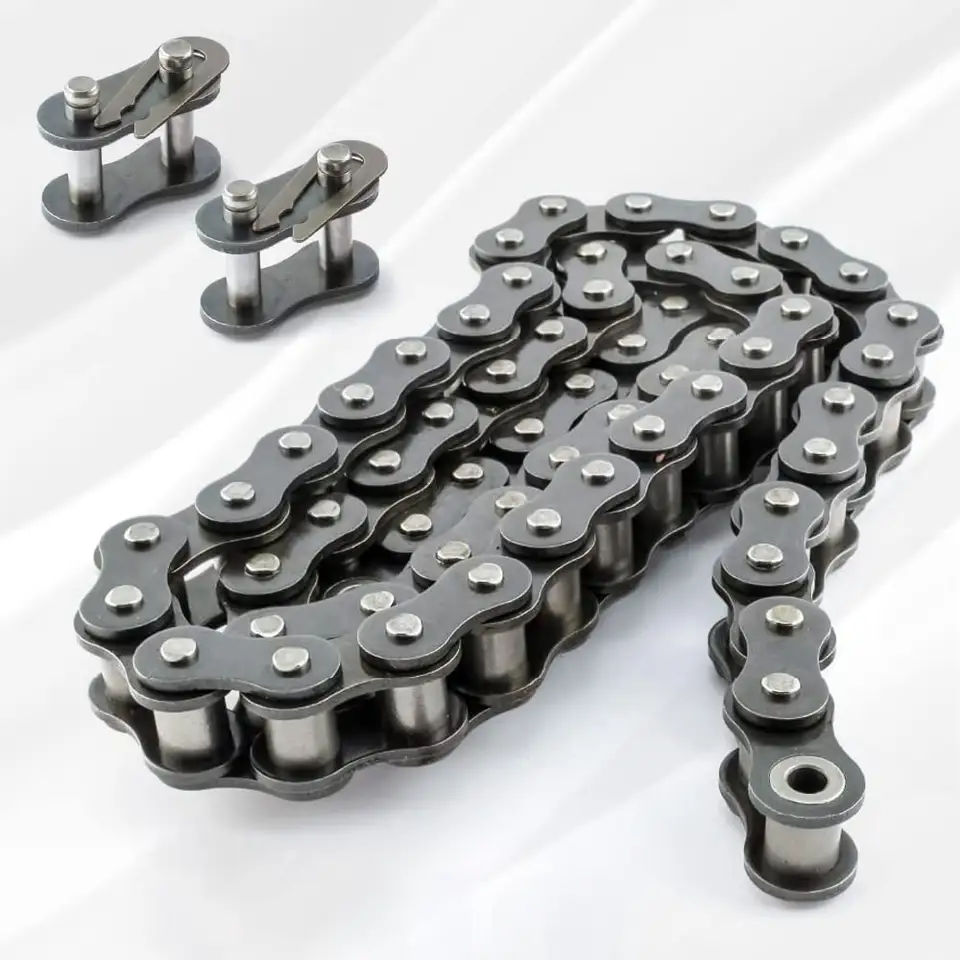
How do you measure roller chain wear?
Measuring roller chain wear is important to determine if the chain is still within acceptable tolerances or if it needs to be replaced. Here are the steps to measure roller chain wear:
1. Chain Elongation Measurement: Chain elongation is a common form of wear in roller chains. To measure chain elongation, you’ll need a ruler or caliper with metric units and a reference length of the chain. The reference length is typically a certain number of pitches, which is the distance from one roller to the next.
2. Select Reference Points: Choose two reference points on the chain, ideally at least 10 pitches apart. These points should be accessible and free from any significant wear or damage.
3. Measure the Distance: With the chain in a relaxed state, measure the distance between the reference points. This can be done by aligning the ruler or caliper with the rollers of the chain. Ensure the measurement is taken along the same side of the chain throughout the process.
4. Compare with the Manufacturer’s Specification: Consult the manufacturer’s specification or maintenance manual to determine the allowable elongation limit. Typically, roller chains have a maximum allowable elongation of around 1-2% before replacement is recommended.
5. Calculate Elongation Percentage: Calculate the elongation percentage by comparing the measured distance with the reference length. Subtract the reference length from the measured distance, divide the result by the reference length, and multiply by 100 to get the elongation percentage.
6. Determine Chain Condition: If the elongation percentage exceeds the manufacturer’s recommended limit, it indicates significant wear and elongation of the chain. In such cases, it is advisable to replace the chain to prevent potential failure and damage to the machinery.
It’s important to note that measuring chain wear is just one aspect of assessing chain condition. Visual inspection for signs of wear, such as pin wear, plate wear, or roller wear, is also crucial. If you notice any signs of damage or wear during the inspection, it is recommended to replace the chain, regardless of the elongation measurement.
editor by CX 2023-08-16