Product Description
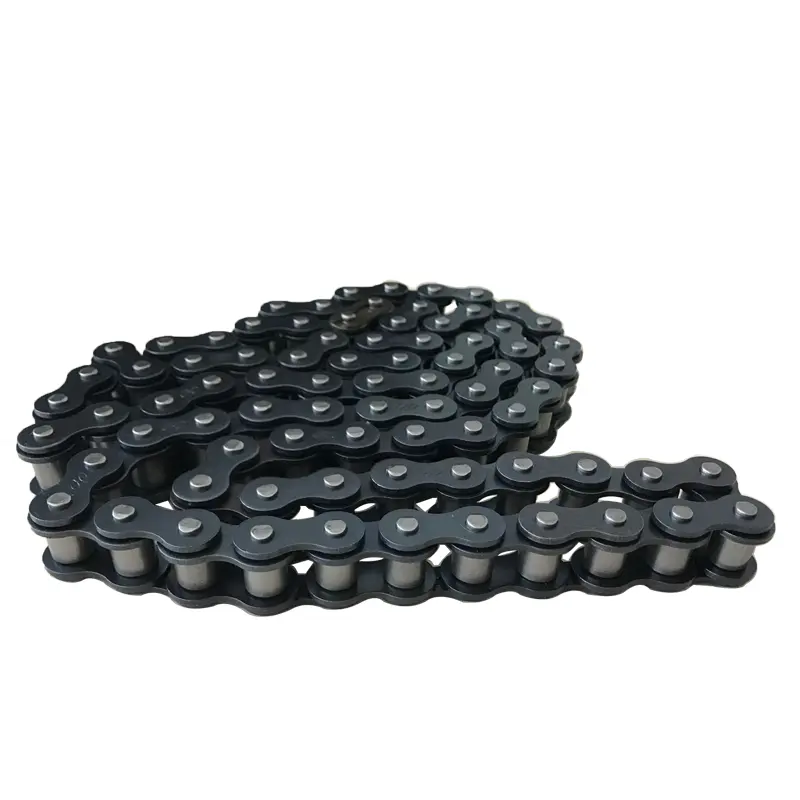
WH82 Welded Steel Chain ( For Steel Factory)
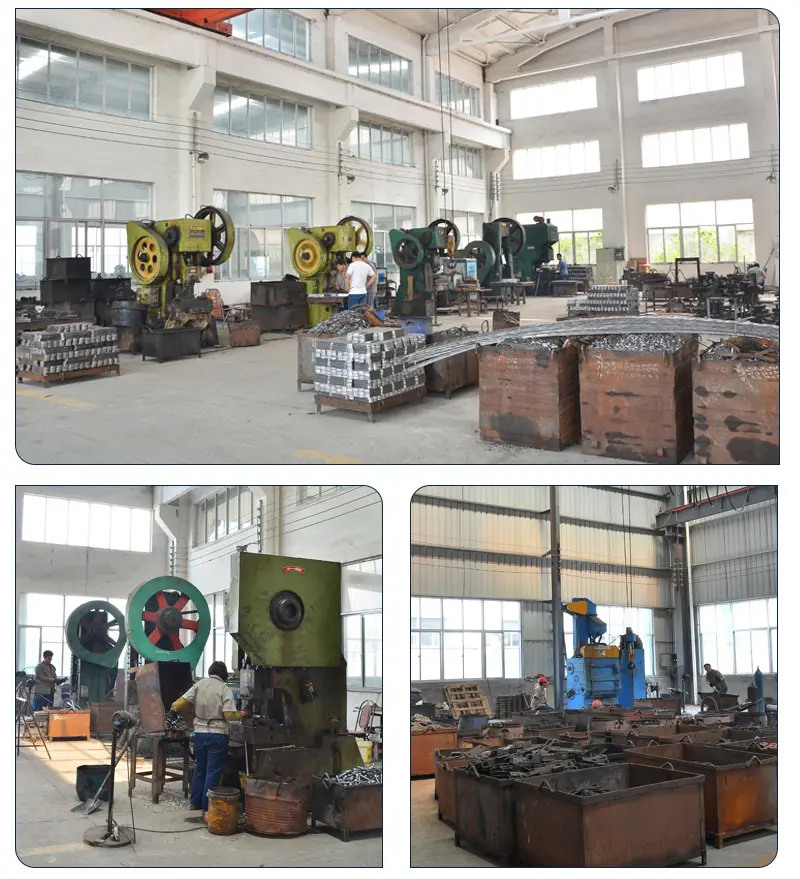
We own the sophisticated equipment and the advanced technology, such as:
1. CAD Designer
2. Wire Cutting Machine
3. Chain Running In Machine
4. Conveyor Furance
5. Ball Drift
6. Shot Peened Parts
7. Design Of Link Plate Waist
We have different models of welding chains, such as:
| Chain No
|
Pitch
(mm) |
Outside Barrel Dia
(mm) |
Pin Dia
(mm) |
Side Bar Height
(mm) |
Approx Tooth Face at pitch line
(mm) |
Length of Bearing
(mm) |
Plate Thickness
(mm) |
Ultimate tensile strength
(KN) |
Weight Approx
(Kg/FT) |
|
| WH82 | 78.1 | 26.97 | 14.35 | 31.8 | 38.1 | 57.4 | 6.4 | 132 | 2.28 |
|
We own the sophisticated equipment and the advanced technology, such as:
1. CAD Designer
2. Wire Cutting Machine
3. Chain Running In Machine
4. Conveyor Furance
5. Ball Drift
6. Shot Peened Parts
7. Design Of Link Plate Waist
Company Detail:
GOODUCK(TAI) is 1 of a professional exporter with exporting POWER TRANSMISSION PARTS: Roller chains,Conveyor chains,Stainless steel Chains, agricultural chains, steel detachable chains, special chains, sprockets, s. S. Sprockets, HRC couplings, pulleys, bushes etc. All these products have been supplied regularly to World Wide for over 15 years.
Welcome contact for more details.
Sofia Chen(Sales Manager)
HangZhou GOODLUCK TRANSMISSION TECHNOLOGY CO.,LTD
/* January 22, 2571 19:08:37 */!function(){function s(e,r){var a,o={};try{e&&e.split(“,”).forEach(function(e,t){e&&(a=e.match(/(.*?):(.*)$/))&&1
| Material: | Steel |
|---|---|
| Structure: | Welded Chain |
| Surface Treatment: | Polishing |
| Customization: |
Available
| Customized Request |
|---|
.shipping-cost-tm .tm-status-off{background: none;padding:0;color: #1470cc}
|
Shipping Cost:
Estimated freight per unit. |
about shipping cost and estimated delivery time. |
|---|
| Payment Method: |
|
|---|---|
|
Initial Payment Full Payment |
| Currency: | US$ |
|---|
| Return&refunds: | You can apply for a refund up to 30 days after receipt of the products. |
|---|
Are there any special considerations for installing roller chains?
Proper installation of roller chains is crucial to ensure their optimal performance and longevity. Here are some key considerations for installing roller chains:
1. Alignment: Ensure proper alignment of the sprockets to prevent side loading and premature wear. The sprockets should be aligned parallel to each other and positioned at the correct distance according to the chain’s pitch.
2. Tension: Proper chain tension is essential for smooth operation and to prevent excessive wear. Follow the manufacturer’s recommendations for the appropriate tension based on the specific chain type and application. It’s important to achieve the correct tension without over-tightening, as excessive tension can lead to increased stress and accelerated wear.
3. Lubrication: Apply the appropriate lubricant to the roller chain during installation. Lubrication helps reduce friction, wear, and heat generation. Follow the manufacturer’s recommendations for the type and frequency of lubrication based on the operating conditions and chain design. Ensure even distribution of lubricant along the chain’s length.
4. Sprocket Teeth Engagement: Check that the chain properly engages with the teeth of the sprockets. The chain should fit snugly into the sprocket teeth without excessive clearance or interference. Incorrect engagement can cause slippage, uneven wear, and premature failure.
5. Chain Length: Ensure that the chain length is appropriate for the application. Avoid excessive slack or excessive tension by adjusting the chain length accordingly. An incorrectly sized chain can lead to poor performance, increased wear, and potential damage to the chain and sprockets.
6. Protection: Consider using chain guards or covers to protect the roller chain from external contaminants such as dust, dirt, or debris. This helps minimize wear and extends the chain’s lifespan, particularly in harsh or dirty environments.
7. Regular Inspection: Regularly inspect the roller chain and sprockets for signs of wear, damage, or misalignment. Monitor the chain’s performance and address any issues promptly to avoid further damage and prevent unexpected downtime.
8. Proper Tools and Techniques: Use appropriate tools and techniques during installation to ensure accuracy and prevent damage to the chain or components. Follow the manufacturer’s guidelines or consult with experts for specific installation instructions.
By following these considerations and best practices, you can ensure proper installation of roller chains and maximize their performance and durability in your application.
What are the limitations of using roller chains in certain applications?
Roller chains are versatile and widely used in various applications, but they do have some limitations to consider. Here’s a detailed answer to the question:
1. Speed Limitations: Roller chains have a practical speed limit due to factors such as chain length, centrifugal forces, and roller-to-sprocket engagement. At high speeds, the centrifugal forces can cause excessive chain vibration and increase wear, potentially leading to chain failure. In such cases, alternative power transmission systems like gears or belts may be more suitable.
2. Precision Requirements: Roller chains require proper alignment and tensioning for efficient operation. In applications that demand high precision, such as precision machinery or robotics, the inherent flexibility and slight elongation of roller chains may not meet the desired accuracy requirements. In such cases, alternative systems like timing belts or direct drive solutions may be preferred.
3. Environmental Limitations: Roller chains may not be suitable for certain environments with extreme temperatures, corrosive substances, or high levels of contamination. Harsh conditions can accelerate chain wear, reduce lubrication effectiveness, or cause corrosion. In these situations, specialized chains with appropriate coatings or alternative power transmission systems may be necessary.
4. Noise and Vibration: Roller chains can generate noise and vibrations during operation, particularly when not properly tensioned or maintained. In applications where noise or vibration is a concern, such as in noise-sensitive environments or precision machinery, additional measures like chain tensioners, vibration dampening, or alternative drive systems may be required.
5. Size and Space Constraints: Roller chains have a certain physical size and require appropriate clearance for installation. In applications with limited space or tight packaging requirements, alternative power transmission systems like compact belts or direct drives might be more suitable.
It’s important to carefully evaluate the specific requirements and constraints of each application when considering the use of roller chains. Alternative power transmission systems may be more suitable in certain cases, and consulting with experts or manufacturers can help determine the best solution for the intended application.
How do roller chains compare to belt drives in terms of efficiency?
Roller chains and belt drives are both widely used power transmission systems, but they differ in terms of efficiency. Here’s a detailed answer to the question:
1. Mechanical Efficiency: Roller chains generally have higher mechanical efficiency compared to belt drives. The engagement between the chain and sprockets provides a positive drive with minimal slippage, resulting in efficient power transfer. Belt drives, on the other hand, can experience some slip, especially in high-torque or heavy-load applications, leading to lower efficiency.
2. Size and Length: Roller chains are typically more compact and have a shorter pitch length compared to belt drives. This allows for more compact machine design and closer shaft spacing, reducing the overall size and weight of the power transmission system.
3. Load Capacity: Roller chains are known for their high load-carrying capacity, making them suitable for heavy-duty applications. They can handle high loads and transmit significant amounts of power without compromising performance. Belt drives have lower load-carrying capacity and are more commonly used in lighter-duty applications.
4. Speed and Torque: Roller chains are suitable for both high-speed and high-torque applications. They can operate at high rotational speeds while transmitting significant torque. Belt drives, on the other hand, may have limitations in terms of speed and torque capacity, especially in demanding applications.
5. Maintenance and Durability: Roller chains require regular lubrication and maintenance to ensure optimal performance and longevity. Belt drives, on the other hand, are generally considered maintenance-free. However, if a belt drive becomes misaligned or experiences excessive wear, it may need to be replaced entirely. Roller chains, with proper maintenance, can be more durable and have longer service life.
It’s important to note that the choice between roller chains and belt drives depends on various factors, including the specific application requirements, load conditions, speed requirements, and space constraints. Each system has its advantages and considerations, and selecting the most suitable option should be based on a careful evaluation of these factors.


editor by CX 2024-04-23
China Good quality High Quality Factory Custom OEM Agricultural Transmission Roller Chain Harvester Chains of Carton Steel (415S)
Product Description
Harvester Chains of Carton Steel (415S)
PRODUCT SHOW
PRODUCT DETAILS
Product Parameters
| Standard | GB, ISO, ANSI, DIN |
| Type | Standard A and standard B precision roller chain, conveyor chain; |
| special chain with accessories, welding chain, leaf chain and sprocket | |
| ANSI chain No. | 40,50,60,80,100,120,140,160,180,200,240; |
| C40,C50,C60,C80,C100,C120,C140,C160; | |
| DIN/ISO chain No. | 08A,10A,12A,16A,20A,24A,28A,32A,36A,40A,48A; |
| C08A,C10A,C12A,C16A,C20A,C24A,C28A,C32A; | |
| Application | Food processing, pharmaceutical and chemical industries, electronics, machinery; |
| household appliances, automotive manufacturing, metallurgy, sewage treatment | |
| Series | A series, B series |
More Products
Advantage
Certifications
DETAILS ABOUT CHINAMFG CHAIN
Exhibition
Workshop
Application
Packaging Details
Shipping
FAQ
1. Are you a manufacturer or trade Company?
We are a factory founded in 1997 with a trade team for international service.
2. What terms of payment do you usually use?
T/T 30% deposit and 70% against document, Western Union, L/C at sight
3. What is your lead time for your goods?
Normally 35 days after confirmed order. 30 days could be available in the low season for some items (during May to July), and 45 days during the new year and hot season ( Jan to March).
4. Samples
For customers who need sample confirmation before ordering, please bear in mind that the following policy will be adopted:
1) All samples are free of charge with a maximum value not exceeding USD 100.
2) The courier cost for the first-time sample sending will be charged by the consignee. We will send the samples with freight to be collected. So please inform your account with FedEx, UPS, DHL, or TNT so that we can proceed promptly.
3) The first-time courier cost will be totally deducted from the contract value of the trial cooperation.
/* January 22, 2571 19:08:37 */!function(){function s(e,r){var a,o={};try{e&&e.split(“,”).forEach(function(e,t){e&&(a=e.match(/(.*?):(.*)$/))&&1
| Usage: | Transmission Chain, Conveyor Chain, Agricultural Machine |
|---|---|
| Material: | Alloy/Carbon Steel |
| Surface Treatment: | Polishing |
| Customization: |
Available
| Customized Request |
|---|
.shipping-cost-tm .tm-status-off{background: none;padding:0;color: #1470cc}
| Shipping Cost:
Estimated freight per unit. |
about shipping cost and estimated delivery time. |
|---|
| Payment Method: |
|
|---|---|
|
Initial Payment Full Payment |
| Currency: | US$ |
|---|
| Return&refunds: | You can apply for a refund up to 30 days after receipt of the products. |
|---|
What are the noise and vibration characteristics of roller chains?
Roller chains exhibit specific noise and vibration characteristics during operation. Here’s a detailed answer to the question:
1. Noise Generation: Roller chains can produce noise during operation, especially when operating under certain conditions. The primary sources of noise in roller chains include the interaction between the chain and the sprockets, as well as the impact between the chain pins and the chain guide. The noise level can vary depending on factors such as chain speed, tension, lubrication, alignment, and wear.
2. Vibration: Roller chains can also generate vibrations during operation. These vibrations can be caused by various factors, including the chain’s interaction with the sprockets, chain tension, misalignment, and uneven wear. Excessive vibration can affect the performance and lifespan of the chain and other components in the system. It is important to minimize vibration to ensure smooth and reliable operation.
3. Noise and Vibration Reduction Measures: To mitigate noise and vibration in roller chain systems, several measures can be taken:
- Proper Lubrication: Adequate lubrication reduces friction between the chain and the sprockets, minimizing noise and vibration caused by metal-to-metal contact.
- Alignment and Tension: Ensuring proper alignment and tension of the chain helps to reduce noise and vibration. Misalignment or incorrect tension can lead to increased noise and vibration levels.
- Sprocket Design: The design and condition of the sprockets can affect noise and vibration. Sprockets with worn or damaged teeth can cause increased noise and vibration levels.
- Noise Dampening Elements: Adding noise dampening elements, such as rubber pads or guides, can help reduce the noise generated by the chain’s impact with the chain guides or other components.
- System Design: The overall system design, including the selection of compatible components and proper installation, can contribute to minimizing noise and vibration levels.
It’s important to regularly inspect and maintain the roller chain system to identify and address any sources of noise or excessive vibration. Proper lubrication, alignment, tensioning, and regular replacement of worn components are essential to ensure optimal performance, reduce noise, and minimize vibration in roller chain applications.
How do roller chains handle abrasive environments?
Roller chains are designed to handle various operating conditions, including abrasive environments. Here’s a detailed answer to the question:
1. Material Selection: Roller chains are typically constructed using high-quality materials that offer good resistance to abrasion. Common materials used for roller chains include alloy steel, stainless steel, or specialized coatings that enhance wear resistance.
2. Surface Hardness: The components of a roller chain, such as the pins, bushings, and rollers, are heat-treated to achieve a high surface hardness. This hardness helps to resist wear caused by abrasive particles present in the environment.
3. Lubrication: Proper lubrication plays a crucial role in protecting roller chains from abrasive wear. Lubricants act as a barrier between the chain components and abrasive contaminants, reducing friction and minimizing wear. The lubricant also helps to flush away any abrasive particles that may come in contact with the chain.
4. Sealing and Protection: Roller chains can be equipped with seals or protective covers to provide an additional layer of defense against abrasive particles. These seals help to prevent contaminants from entering the chain and causing premature wear. Seals also help to retain lubrication within the chain, further enhancing its performance in abrasive environments.
5. Regular Maintenance: Regular inspection and maintenance are essential to ensure the longevity of roller chains in abrasive environments. This includes periodic cleaning to remove accumulated debris and checking for signs of wear or damage. Prompt replacement of worn components is necessary to prevent further deterioration and ensure reliable operation.
While roller chains are generally robust in abrasive environments, it’s important to consider the severity of the abrasion, as extremely abrasive conditions may require specialized chain materials or additional protective measures. Consulting with experts and selecting the appropriate chain design and materials based on the specific application requirements can help maximize the performance and lifespan of roller chains in abrasive environments.
What are some common misconceptions about roller chains?
There are several misconceptions about roller chains that are worth addressing. Here are some common ones:
1. Roller chains are maintenance-free: While some roller chains are designed for reduced maintenance, no chain is truly maintenance-free. All roller chains require regular inspection, lubrication, and occasional replacement to ensure optimal performance and longevity.
2. Roller chains are indestructible: Roller chains are durable and can handle significant loads, but they are not indestructible. Like any mechanical component, roller chains have their limits and can fail if subjected to excessive loads, poor lubrication, misalignment, or other adverse conditions.
3. Any lubricant can be used on roller chains: Using the wrong type or insufficient amount of lubricant can negatively impact the performance and lifespan of a roller chain. It is important to follow the manufacturer’s recommendations regarding lubrication to ensure proper chain operation and longevity.
4. All roller chains are the same: Roller chains come in various designs, sizes, and materials to suit different applications. It is essential to select the right chain for the specific application based on factors such as load capacity, speed, environment, and operating conditions.
5. Roller chains cannot handle high speeds: While roller chains may have speed limitations, advancements in design and materials have allowed for the development of high-speed roller chains. These chains are specifically engineered to withstand the demands of high-speed applications.
6. Roller chains are noisy: While poorly maintained or misaligned roller chains can produce noise, properly lubricated and aligned chains can operate quietly. Regular maintenance, including proper lubrication and tensioning, can minimize noise levels and ensure smooth chain operation.
7. Roller chains require constant adjustment: With proper installation and tensioning, roller chains should not require frequent adjustments. However, regular inspection and occasional adjustment are necessary to maintain proper tension and prevent excessive wear.
It is important to rely on accurate information and consult experts or manufacturers when it comes to roller chain selection, installation, maintenance, and troubleshooting to avoid falling prey to common misconceptions and ensure optimal chain performance.
editor by CX 2024-04-04
China Professional Factory Price Stainless Steel Conveyor Roller Chains Hollow Pin Chains with High Strength
Product Description
Product Description
Product Parameters
| Standard | GB, ISO, ANSI, DIN |
| Type | Standard A and standard B precision roller chain, conveyor chain; |
| special chain with accessories, welding chain, leaf chain and sprocket | |
| ANSI chain No. | 40,50,60,80,100,120,140,160,180,200,240; |
| C40,C50,C60,C80,C100,C120,C140,C160; | |
| DIN/ISO chain No. | 08A,10A,12A,16A,20A,24A,28A,32A,36A,40A,48A; |
| C08A,C10A,C12A,C16A,C20A,C24A,C28A,C32A; | |
| Application | Food processing, pharmaceutical and chemical industries, electronics, machinery; |
| household appliances, automotive manufacturing, metallurgy, sewage treatment | |
| Series | A series,B series |
More Products
Advantage
Certifications
DETAILS ABOUT CHINAMFG CHAIN
Exhibition
Workshop
Application
Packaging Details
Shipping
FAQ
1. Are you manufacturer or trade Company?
We are a factory founded in 1997 with trade team for international service.
2. What terms of payment you usually use?
T/T 30% deposit and 70% against document, Western Union, L/C at sight
3. What is your lead time for your goods?
Normally 35 days after confirmed order. 30 days could be available in low season for some items (during May to July), and 45 days during new year and hot season ( Jan to March).
4. Samples
For customers who need sample confirmation before ordering, please bear in mind that the following policy will be adopted:
1) All samples are free of charge with the maximum value not exceeding USD 100.
2) The courier cost for the first-time sample sending will be charged for by the consignee. We will send the samples with freight to be collected. So please inform your account with FedEx, UPS, DHL or TNT so that we can proceed promptly.
3) The first-time courier cost will be totally deducted from the contract value of the trial cooperation. /* March 10, 2571 17:59:20 */!function(){function s(e,r){var a,o={};try{e&&e.split(“,”).forEach(function(e,t){e&&(a=e.match(/(.*?):(.*)$/))&&1
| Usage: | Transmission Chain, Drag Chain, Conveyor Chain |
|---|---|
| Material: | Stainless steel |
| Surface Treatment: | Polishing |
| Feature: | Heat Resistant |
| Chain Size: | 1/2"*3/32" |
| Structure: | Roller Chain |
| Samples: |
US$ 0/Piece
1 Piece(Min.Order) | |
|---|
| Customization: |
Available
| Customized Request |
|---|

Can hollow pin chains be used in marine or underwater applications?
Yes, hollow pin chains can be used in marine or underwater applications, and they can offer several benefits for such uses.
- Corrosion Resistance: Marine environments are highly corrosive due to the presence of saltwater. Hollow pin chains made from stainless steel or other corrosion-resistant materials are well-suited for these conditions, as they can withstand the corrosive effects of seawater and ensure prolonged service life.
- Reduced Weight: The hollow pin design results in lighter chains, which can be advantageous in marine or underwater applications where reducing weight is desirable to minimize the load on equipment and improve overall efficiency.
- Attachment Options: Hollow pin chains can be equipped with various attachments, making them versatile for different marine applications, such as securing cargo, operating shipboard equipment, or marine propulsion systems.
- Resistance to Marine Organisms: Stainless steel hollow pin chains are less prone to fouling and buildup of marine organisms, such as algae and barnacles, compared to some other materials. This characteristic reduces maintenance requirements and helps maintain the chain’s performance in marine environments.
- Sealing and Protection: In underwater applications, some hollow pin chains can be equipped with additional seals or coatings to provide further protection against water ingress and enhance the chain’s durability.
However, there are specific considerations to keep in mind when using hollow pin chains in marine or underwater applications:
- Regular Inspection and Maintenance: Despite their corrosion resistance, regular inspection and maintenance are necessary to monitor the chain’s condition and address any issues promptly.
- Depth and Pressure: For deep-sea applications, the chain must be designed to withstand the increased water pressure at greater depths.
- Lubrication: Proper lubrication is crucial for smooth operation and to reduce friction in underwater conditions.
- Material Selection: Choosing the right material, such as stainless steel or other suitable alloys, is essential to ensure the chain’s performance and longevity in marine environments.
In conclusion, hollow pin chains made from corrosion-resistant materials, such as stainless steel, are suitable for marine and underwater applications. Their corrosion resistance, reduced weight, attachment options, and resistance to marine organisms make them valuable for various marine-related uses, provided proper maintenance and material selection considerations are taken into account.

What are the common industries that utilize hollow pin chains?
Hollow pin chains are widely used in various industries due to their unique design and versatility. Some of the common industries that utilize hollow pin chains include:
- Agriculture: In the agricultural sector, hollow pin chains are commonly used in agricultural machinery and equipment. They are found in combine harvesters, grain conveyors, seeders, and other farming machinery. These chains are essential for efficient crop harvesting, transportation, and processing.
- Automotive: The automotive industry employs hollow pin chains in assembly lines and conveyor systems. These chains facilitate the smooth movement of automobile components during the manufacturing process. They are also utilized in automotive painting and finishing applications.
- Food and Beverage: Hollow pin chains play a crucial role in the food processing and beverage production industry. They are used in various stages of food processing, such as conveying raw materials, packaging, and bottling. Hollow pin chains are preferred in these applications due to their ability to accommodate attachments and accessories.
- Material Handling: Material handling is another sector where hollow pin chains find extensive use. Conveyor systems in warehouses, distribution centers, and manufacturing facilities rely on these chains for the movement of goods and products. Their design allows easy customization with attachments like rollers and cleats to suit specific material handling requirements.
- Printing and Packaging: In the printing and packaging industry, hollow pin chains are used in printing presses and various packaging machines. They are used to transport printed materials, cartons, and packages during the production process, ensuring smooth and precise movements.
- Textile: Hollow pin chains are commonly employed in the textile industry for applications in spinning and weaving machinery. These chains help in the efficient movement of yarns and fabrics, contributing to the overall productivity and quality of the textile manufacturing process.
- Woodworking: The woodworking industry uses hollow pin chains in various woodworking machines. These chains are instrumental in tasks such as panel cutting, shaping, and transporting wood materials. They provide stability and accuracy during the woodworking process.
Overall, hollow pin chains offer reliability, strength, and the ability to accommodate specialized attachments, making them indispensable in a wide range of industrial applications. Their design allows for easy maintenance, and they contribute to the smooth operation of machinery and equipment in these industries.

What is a hollow pin chain and how is it used in various industries?
A hollow pin chain is a type of roller chain that features hollow pins, allowing easy installation of attachments or cross-rods at any point along the chain’s length. The chain’s design enables flexibility in various industrial applications, making it a popular choice in different industries. Here’s how hollow pin chains are used in various sectors:
- Conveyor Systems: In material handling and conveyor systems, hollow pin chains are used to transport goods, products, and materials from one location to another efficiently. The hollow pins allow easy mounting of custom attachments or buckets for specific conveying needs.
- Food Processing: Hollow pin chains are commonly used in the food processing industry, where products like biscuits, candies, and bakery items are moved through production lines. The chains can be customized with attachments to hold and transport the products gently and securely.
- Packaging Machinery: Hollow pin chains find applications in packaging equipment, such as filling machines, capping machines, and labeling machines. The chains’ flexibility allows for the integration of various attachments to facilitate packaging processes.
- Printing Industry: In printing presses and equipment, hollow pin chains are utilized to feed paper and other printing materials through the machines accurately. Attachments on the chains can be adjusted to match the requirements of different printing tasks.
- Automotive Manufacturing: Hollow pin chains are used in automotive assembly lines to move car components through various stages of production. The chains’ versatility allows the incorporation of specialized attachments for handling different parts.
- Textile Industry: In textile machinery, hollow pin chains play a role in the production of fabrics and textiles. They are used to control the movement of yarns and threads during the weaving and knitting processes.
- Agricultural Equipment: Hollow pin chains are used in some agricultural machinery, such as in grain handling and processing equipment. The chains’ ability to accommodate attachments makes them suitable for specific agricultural applications.
- Woodworking: In woodworking applications, hollow pin chains are employed in equipment such as sawmills and wood processing machinery. The chains can be customized with attachments to handle wood materials efficiently.
In summary, a hollow pin chain is a versatile roller chain used in various industries for its flexibility and easy attachment capabilities. Its applications range from conveyor systems to food processing, packaging, automotive manufacturing, and more. The ability to incorporate attachments makes hollow pin chains adaptable to specific industrial processes, contributing to enhanced productivity and efficiency in different sectors.
editor by CX 2024-02-08
China Best Sales Factory Price Stainless Steel Conveyor Roller Chains Hollow Pin Chains with High Strength
Product Description
Product Description
Product Parameters
| Standard | GB, ISO, ANSI, DIN |
| Type | Standard A and standard B precision roller chain, conveyor chain; |
| special chain with accessories, welding chain, leaf chain and sprocket | |
| ANSI chain No. | 40,50,60,80,100,120,140,160,180,200,240; |
| C40,C50,C60,C80,C100,C120,C140,C160; | |
| DIN/ISO chain No. | 08A,10A,12A,16A,20A,24A,28A,32A,36A,40A,48A; |
| C08A,C10A,C12A,C16A,C20A,C24A,C28A,C32A; | |
| Application | Food processing, pharmaceutical and chemical industries, electronics, machinery; |
| household appliances, automotive manufacturing, metallurgy, sewage treatment | |
| Series | A series,B series |
More Products
Advantage
Certifications
DETAILS ABOUT CHINAMFG CHAIN
Exhibition
Workshop
Application
Packaging Details
Shipping
FAQ
1. Are you manufacturer or trade Company?
We are a factory founded in 1997 with trade team for international service.
2. What terms of payment you usually use?
T/T 30% deposit and 70% against document, Western Union, L/C at sight
3. What is your lead time for your goods?
Normally 35 days after confirmed order. 30 days could be available in low season for some items (during May to July), and 45 days during new year and hot season ( Jan to March).
4. Samples
For customers who need sample confirmation before ordering, please bear in mind that the following policy will be adopted:
1) All samples are free of charge with the maximum value not exceeding USD 100.
2) The courier cost for the first-time sample sending will be charged for by the consignee. We will send the samples with freight to be collected. So please inform your account with FedEx, UPS, DHL or TNT so that we can proceed promptly.
3) The first-time courier cost will be totally deducted from the contract value of the trial cooperation. /* March 10, 2571 17:59:20 */!function(){function s(e,r){var a,o={};try{e&&e.split(“,”).forEach(function(e,t){e&&(a=e.match(/(.*?):(.*)$/))&&1
| Usage: | Transmission Chain, Drag Chain, Conveyor Chain |
|---|---|
| Material: | Stainless steel |
| Surface Treatment: | Polishing |
| Feature: | Heat Resistant |
| Chain Size: | 1/2"*3/32" |
| Structure: | Roller Chain |
| Samples: |
US$ 0/Piece
1 Piece(Min.Order) | |
|---|
| Customization: |
Available
| Customized Request |
|---|
Can hollow pin chains be used in marine or underwater applications?
Yes, hollow pin chains can be used in marine or underwater applications, and they can offer several benefits for such uses.
- Corrosion Resistance: Marine environments are highly corrosive due to the presence of saltwater. Hollow pin chains made from stainless steel or other corrosion-resistant materials are well-suited for these conditions, as they can withstand the corrosive effects of seawater and ensure prolonged service life.
- Reduced Weight: The hollow pin design results in lighter chains, which can be advantageous in marine or underwater applications where reducing weight is desirable to minimize the load on equipment and improve overall efficiency.
- Attachment Options: Hollow pin chains can be equipped with various attachments, making them versatile for different marine applications, such as securing cargo, operating shipboard equipment, or marine propulsion systems.
- Resistance to Marine Organisms: Stainless steel hollow pin chains are less prone to fouling and buildup of marine organisms, such as algae and barnacles, compared to some other materials. This characteristic reduces maintenance requirements and helps maintain the chain’s performance in marine environments.
- Sealing and Protection: In underwater applications, some hollow pin chains can be equipped with additional seals or coatings to provide further protection against water ingress and enhance the chain’s durability.
However, there are specific considerations to keep in mind when using hollow pin chains in marine or underwater applications:
- Regular Inspection and Maintenance: Despite their corrosion resistance, regular inspection and maintenance are necessary to monitor the chain’s condition and address any issues promptly.
- Depth and Pressure: For deep-sea applications, the chain must be designed to withstand the increased water pressure at greater depths.
- Lubrication: Proper lubrication is crucial for smooth operation and to reduce friction in underwater conditions.
- Material Selection: Choosing the right material, such as stainless steel or other suitable alloys, is essential to ensure the chain’s performance and longevity in marine environments.
In conclusion, hollow pin chains made from corrosion-resistant materials, such as stainless steel, are suitable for marine and underwater applications. Their corrosion resistance, reduced weight, attachment options, and resistance to marine organisms make them valuable for various marine-related uses, provided proper maintenance and material selection considerations are taken into account.

Can hollow pin chains be used in mining and heavy equipment applications?
Yes, hollow pin chains can be used in mining and heavy equipment applications, but their suitability depends on several factors and considerations.
1. Strength and Load Capacity: Mining and heavy equipment applications often involve transporting heavy loads and enduring high impact and shock forces. Hollow pin chains need to be specifically designed and manufactured to handle these demanding conditions. Chains with high tensile strength and load-carrying capacity are required to ensure reliable and safe operation.
2. Material Selection: The choice of materials for hollow pin chains is crucial in mining and heavy equipment applications. Chains are typically made from alloy steel or other high-strength materials that can withstand abrasive environments and resist wear and corrosion. Selecting the appropriate material ensures the longevity and performance of the chains in these tough conditions.
3. Wear Resistance: Mining operations and heavy equipment applications often involve abrasive materials and harsh environments. Hollow pin chains used in these settings should have excellent wear resistance to prevent premature wearing of pins, bushings, and rollers, which could lead to chain failure and costly downtime.
4. Lubrication and Maintenance: Proper lubrication and regular maintenance are essential to keep hollow pin chains functioning optimally in mining and heavy equipment applications. Dust, dirt, and debris can accumulate in the chain, affecting its performance and lifespan. Regular inspection, cleaning, and lubrication are necessary to minimize wear and prevent chain failure.
5. Attachment Options: Mining and heavy equipment applications often require chains with specific attachments for carrying or handling materials. Hollow pin chains can be customized with various attachments, such as cleats or extended pins, to meet the specific needs of these applications.
6. Environmental Considerations: Mining operations may be exposed to harsh weather conditions, extreme temperatures, and chemicals. The chosen hollow pin chains should be able to withstand these environmental factors and remain reliable under such circumstances.
Overall, while hollow pin chains can be used in mining and heavy equipment applications, it is crucial to select chains that are designed and manufactured to meet the specific requirements of these industries. Proper maintenance and care are also vital to ensure the longevity and performance of the chains in these challenging environments.

How do hollow pin chains handle shock loads and dynamic forces?
Hollow pin chains are designed to handle shock loads and dynamic forces to some extent, but their performance depends on the specific chain construction and application requirements. Here’s how they typically handle these forces:
- Shock Absorption: Hollow pin chains can absorb some degree of shock due to their flexible and resilient design. The hollow pins and plates can flex and bend slightly under sudden impact, helping to distribute the force along the chain and reduce the stress on individual components.
- Strength and Material: The strength and material of the chain play a crucial role in handling shock loads. High-quality hollow pin chains made from durable materials, such as alloy steel, can better withstand sudden forces without permanent deformation or failure.
- Dynamic Loading: Hollow pin chains are designed for dynamic applications, where loads and forces are not constant but vary over time. The chain’s ability to handle dynamic loading depends on its fatigue resistance and the wear resistance of its components.
- Design Considerations: Proper chain selection and design considerations are essential to ensure optimal performance under dynamic conditions. Factors like chain pitch, tensile strength, and the number of hollow pins can influence the chain’s ability to handle dynamic forces.
- Application Specifics: The suitability of a hollow pin chain for shock loads and dynamic forces may vary depending on the specific application. Factors like operating speed, load distribution, and the nature of the shock loads must be taken into account during chain selection.
It is important to choose a hollow pin chain that meets the requirements of the application and the expected dynamic forces. Regular maintenance and inspection can also help identify any signs of wear or fatigue that could compromise the chain’s performance. When using hollow pin chains in applications with significant shock loads or dynamic forces, it is advisable to consult with the chain manufacturer or a qualified engineer to ensure the chain’s suitability and optimize its performance.
editor by CX 2024-01-11
China Professional High Quality Factory Manufacturer Riveting Custom OEM Agricultural Chain Transmission Chain Roller Chain Combine Harvester Chains of Carton Steel (415S)
Product Description
| Model NO. | 06C/08A/10A/12A/16A/20A/24A/28A/32A/40A/06B/08B/10B/12B/16B/20B/24B/28B/32B/40B-1/2/3 Heavy duty |
| Chain Model | Roller Chains |
| Structure (for Chain) | Roller Chain |
| Specification | GB/T, DIN, ANSI, ISO, BS, JIS. |
| Origin | HangZhou, ZheJiang |
| Color | Solid Color |
| Chain Color | Customized |
Our company
Wolff Chain Co. is 1 of the professional chain manufacturers in China. We focus on reseaching, manufacturing and trading of the chain drive with famous brands — “DOVON” and “DECHO”. We supply OEM services for many famous enterprises such as SUZUKI, XIHU (WEST LAKE) DIS., FAW, AGCO, JUMING as well.
Wolff mainly producing the Transmission chains,Conveyor chains,Dragging Chains,Silent chains,Leaf chains,Roller chains,Special chain and many other series of chain products. Our technicians a have improved the chains quality to the world-level. High quality material selection, powerful and precise heat-treatment technology and excellent assembly methods ensure Wolff chains meet the tough and strict requirements for machines and vehicles.
All of our products completely conform to the international standard such as ISO\DIN\ANSI\BS\JIS, etc. Wolff has been successfully certified by ISO9001 Quality Management System,SGS inspection and BV inspection. Wolff chains can be widely applied to many industries including automobile, motorcycle, forklift, wood processing machine, constructure machine, packing machine, food machine,tobacco machine and agricultural equipments. Wolff chains are popular in America,South America,Europe,Middle East, South East Asia and Africa markets.
Our workshop
Our certification
Welcome to our exhibition
FAQ
Q1. What is your terms of packing?
A: Generally, we pack our goods in single color box. If you have special request about packing, pls negotiate with us in advance, we can pack the goods as your request.
Q2. What is your terms of payment?
A: T/T 30% as deposit, and 70% before delivery. We’ll show you the photos of the products and packages
before you pay the balance. Other payments terms, pls negotiate with us in advance, we can discuss.
Q3. What is your terms of delivery?
A: EXW, FOB, CFR, CIF.
Q4. How about your delivery time?
A: Generally, it will take 25 to 30 days after receiving your advance payment. The specific delivery time depends
on the items and the quantity of your order.
Q5. Can you produce according to the samples?
A: Yes, we can produce by your samples or technical drawings. We can build the molds and fixtures.
Q6. What is your sample policy?
A: We can supply the sample if we have ready parts in stock, but the customers have to pay the sample cost and
the courier cost.We welcome sample order.
Q7. Do you test all your goods before delivery?
A: Yes, we have 100% test before delivery
Q8: How do you make our business long-term and good relationship?
1. We keep good quality and competitive price to ensure our customers benefit ;
2. We respect every customer as our friend and we sincerely do business and make friends with them,
/* March 10, 2571 17:59:20 */!function(){function s(e,r){var a,o={};try{e&&e.split(“,”).forEach(function(e,t){e&&(a=e.match(/(.*?):(.*)$/))&&1
| Standard or Nonstandard: | Standard |
|---|---|
| Application: | Textile Machinery, Garment Machinery, Conveyer Equipment, Packaging Machinery, Food Machinery, Marine, Mining Equipment |
| Surface Treatment: | Oil Blooming |
| Structure: | Roller Chain |
| Material: | Carbon Steel |
| Type: | Short Pitch Chain |
| Samples: |
US$ 0/Piece
1 Piece(Min.Order) | |
|---|
| Customization: |
Available
| Customized Request |
|---|
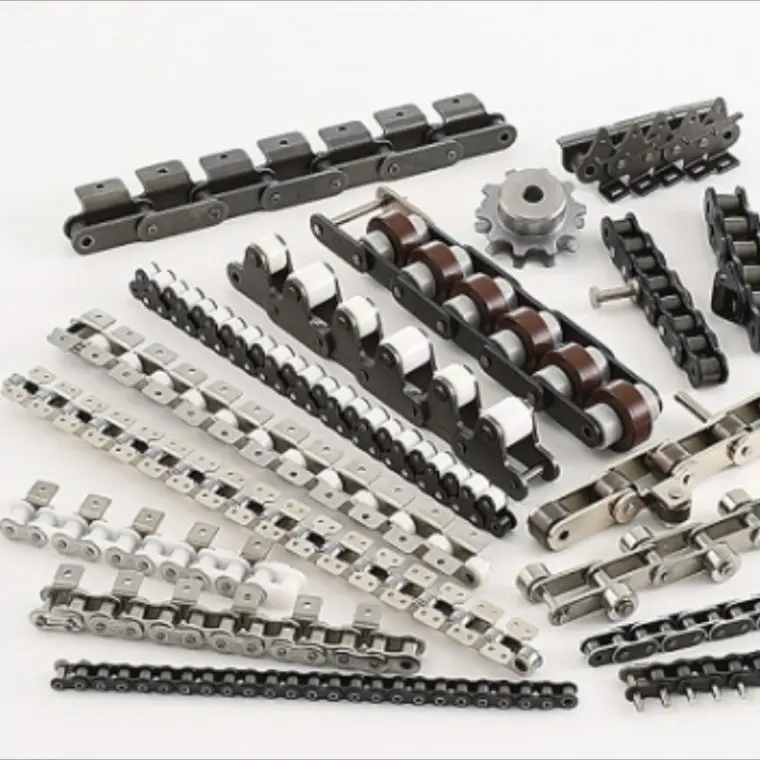
Can roller chains be used in food processing or pharmaceutical industries?
Roller chains can be used in certain food processing and pharmaceutical applications, but there are specific considerations and requirements to ensure compliance with industry standards and regulations. Here’s a detailed answer to the question:
1. Food Grade Materials: In food processing and pharmaceutical industries, it is essential to use roller chains made from food-grade materials. These materials are non-toxic, corrosion-resistant, and designed to meet the hygiene and cleanliness requirements of these industries. Stainless steel chains or chains with special food-grade coatings are commonly used.
2. Lubrication: Proper lubrication is crucial in food processing and pharmaceutical applications to prevent contamination. Food-grade lubricants that are safe for consumption or lubrication-free chains are often used to meet the industry standards and regulations. It’s important to ensure that the lubricants used are compatible with the specific chain material and application requirements.
3. Cleanliness and Sanitization: The equipment and chains used in food processing and pharmaceutical industries must be designed for easy cleaning and sanitization. Smooth surfaces, without crevices or pockets that can trap food particles or bacteria, are preferred. Regular cleaning and maintenance procedures should be implemented to ensure proper hygiene and prevent the risk of contamination.
4. FDA and Regulatory Compliance: Roller chains used in food processing and pharmaceutical industries must comply with the regulations set by the Food and Drug Administration (FDA) or other relevant regulatory bodies. These regulations specify the acceptable materials, lubricants, and cleanliness standards for equipment used in these industries.
5. Hazard Analysis and Critical Control Points (HACCP): The Hazard Analysis and Critical Control Points system is commonly implemented in the food processing industry to identify and control potential hazards. When using roller chains in food processing, it’s important to assess the risks and implement appropriate measures to prevent contamination, such as installing guards to protect the chain from direct contact with food products.
While roller chains can be used in food processing and pharmaceutical industries, it is crucial to consult industry-specific guidelines and work with suppliers or manufacturers experienced in supplying chains for these applications. Adhering to industry standards and regulations ensures the safe and reliable use of roller chains in such sensitive environments.
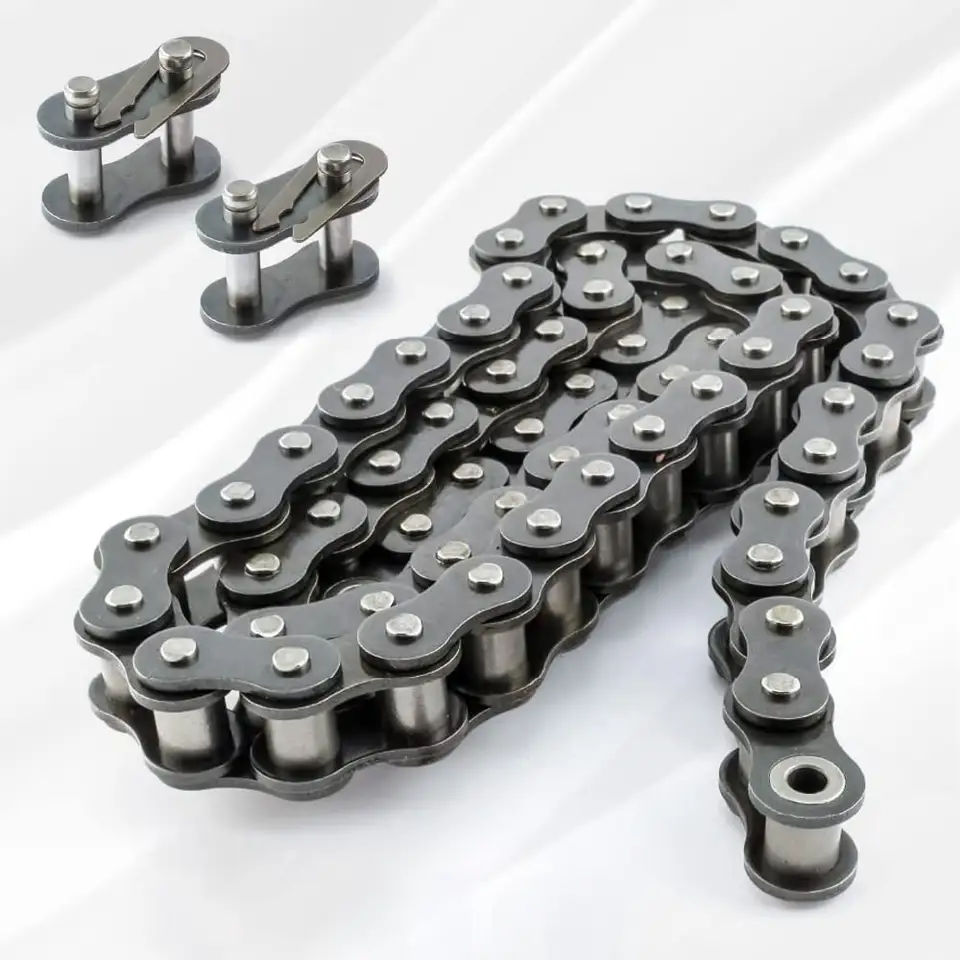
Can roller chains be used in underwater applications?
Roller chains are not typically recommended for direct use in underwater applications due to the potential for corrosion and water ingress. However, with appropriate modifications and additional protective measures, roller chains can be adapted for certain underwater applications. Here’s a detailed answer to the question:
1. Corrosion Resistance: In underwater environments, corrosion is a significant concern. Roller chains can be manufactured from corrosion-resistant materials such as stainless steel or coated with anti-corrosion treatments to mitigate the effects of exposure to water and moisture.
2. Sealing and Waterproofing: Special seals, O-rings, or protective covers can be installed to prevent water ingress into the chain’s internal components. These seals help to maintain lubrication and protect against corrosion, ensuring reliable operation even in wet conditions.
3. Lubrication Selection: Choosing the appropriate lubricant is crucial for underwater applications. Lubricants with excellent water resistance and corrosion protection properties should be selected to provide long-lasting lubrication in the submerged environment.
4. Maintenance and Inspection: Regular maintenance and inspection are essential to monitor the condition of the roller chain in underwater applications. This includes checking for signs of corrosion, lubricant degradation, or seal damage. Prompt replacement of worn or damaged components is necessary to prevent chain failure and ensure optimal performance.
It’s important to consult with experts or manufacturers experienced in underwater applications to determine the suitability of roller chains for specific underwater environments. They can provide guidance on the necessary modifications, materials, and maintenance practices to ensure the safe and reliable operation of roller chains in such conditions.
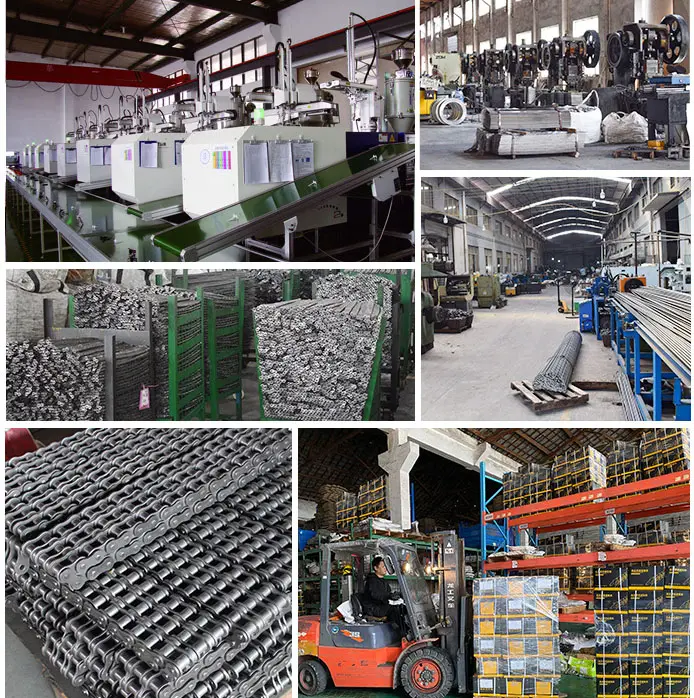
What are the different types of roller chains available?
Roller chains come in various types and configurations to suit different applications and requirements. Here’s a detailed answer to the question:
1. Standard Roller Chain: This is the most common type of roller chain and is widely used in general-purpose applications. It consists of inner and outer plates, rollers, and pins.
2. Double Pitch Roller Chain: Double pitch roller chains have twice the pitch length of standard roller chains. They are commonly used in applications where slower speeds and lighter loads are present, such as conveyor systems.
3. Heavy-Duty Roller Chain: Heavy-duty roller chains are designed to withstand higher loads and more demanding operating conditions. They feature thicker plates, larger rollers, and stronger pins, offering increased strength and durability.
4. Stainless Steel Roller Chain: Stainless steel roller chains are made from corrosion-resistant stainless steel material. They are suitable for applications where resistance to moisture, chemicals, and harsh environments is required, such as food processing, pharmaceutical, and marine industries.
5. Nickel-Plated Roller Chain: Nickel-plated roller chains have a layer of nickel plating on the outer plates, providing additional corrosion resistance. They are often used in applications where protection against rust and wear is essential.
6. O-Ring Roller Chain: O-ring roller chains have O-ring seals between the outer plates and rollers. The O-rings help retain lubrication and prevent contamination, resulting in reduced maintenance requirements and extended chain life.
7. Lube-Free Roller Chain: Lube-free roller chains incorporate self-lubricating bushings or rollers that eliminate the need for external lubrication. They are suitable for applications where maintenance-free operation and clean environments are required.
8. Attachment Roller Chain: Attachment roller chains have special attachments on the outer plates, allowing for the attachment of various accessories or components. They are commonly used in applications such as conveying, lifting, or indexing systems.
9. Silent Chain: Silent chains, also known as inverted tooth chains, have tooth-shaped links that engage with the sprockets. They offer smooth and quiet operation and are often used in applications where noise reduction is critical, such as timing drives.
10. Leaf Chain: Leaf chains consist of interlocking links with large flat plates connected by pins. They are commonly used in applications requiring high strength and durability, such as forklifts and lifting devices.
Each type of roller chain has its own unique features and advantages. The selection of the appropriate type depends on factors such as load capacity, speed, environment, and specific application requirements.
editor by CX 2024-01-10
China Best Sales Factory Direct Sales Industrial Transmission Roller Chain 304 Stainless Steel Hollow Pin Chains
Product Description
Product Description
Product Parameters
| Standard | GB, ISO, ANSI, DIN |
| Type | Standard A and standard B precision roller chain, conveyor chain; |
| special chain with accessories, welding chain, leaf chain and sprocket | |
| ANSI chain No. | 40,50,60,80,100,120,140,160,180,200,240; |
| C40,C50,C60,C80,C100,C120,C140,C160; | |
| DIN/ISO chain No. | 08A,10A,12A,16A,20A,24A,28A,32A,36A,40A,48A; |
| C08A,C10A,C12A,C16A,C20A,C24A,C28A,C32A; | |
| Application | Food processing, pharmaceutical and chemical industries, electronics, machinery; |
| household appliances, automotive manufacturing, metallurgy, sewage treatment | |
| Series | A series,B series |
More Products
Advantage
Certifications
DETAILS ABOUT CZPT CHAIN
Exhibition
Workshop
Application
Packaging Details
Shipping
FAQ
1. Are you manufacturer or trade Company?
We are a factory founded in 1997 with trade team for international service.
2. What terms of payment you usually use?
T/T 30% deposit and 70% against document, Western Union, L/C at sight
3. What is your lead time for your goods?
Normally 35 days after confirmed order. 30 days could be available in low season for some items (during May to July), and 45 days during new year and hot season ( Jan to March).
4. Samples
For customers who need sample confirmation before ordering, please bear in mind that the following policy will be adopted:
1) All samples are free of charge with the maximum value not exceeding USD 100.
2) The courier cost for the first-time sample sending will be charged for by the consignee. We will send the samples with freight to be collected. So please inform your account with FedEx, UPS, DHL or TNT so that we can proceed promptly.
3) The first-time courier cost will be totally deducted from the contract value of the trial cooperation.
| Usage: | Transmission Chain, Drag Chain, Conveyor Chain |
|---|---|
| Material: | Stainless steel |
| Surface Treatment: | Polishing |
| Feature: | Heat Resistant |
| Chain Size: | 1/2"*3/32" |
| Structure: | Roller Chain |
| Samples: |
US$ 0/Piece
1 Piece(Min.Order) | |
|---|
| Customization: |
Available
| Customized Request |
|---|

Can hollow pin chains be used in agricultural machinery and equipment?
Yes, hollow pin chains can be used in agricultural machinery and equipment, and they offer several advantages for these applications.
- Strength and Load Capacity: Agricultural machinery often handles heavy loads, such as in combines, balers, and grain elevators. Hollow pin chains are designed to handle moderate to heavy loads, making them suitable for these demanding agricultural applications.
- Attachment Options: Hollow pin chains can be equipped with various attachments, such as slats or custom links, to facilitate material handling and transfer during agricultural processes.
- Flexibility: Hollow pin chains have a certain degree of flexibility, which is beneficial in agricultural machinery and equipment that requires navigating around tight spaces and complex layouts.
- Reduced Weight: The hollow pin design reduces the weight of the chains, resulting in lower inertia during starts and stops. This feature allows for smoother and more efficient operation in agricultural machinery.
- Corrosion Resistance: In agricultural environments, the equipment may be exposed to moisture, fertilizers, and other corrosive substances. Stainless steel hollow pin chains offer excellent corrosion resistance, ensuring durability and prolonged service life in such conditions.
- Easy Maintenance: Hollow pin chains are relatively easy to maintain, with accessible pins and links. Regular lubrication and inspection can help extend the chain’s life and ensure continuous operation in agricultural machinery.
However, it’s essential to consider certain factors when using hollow pin chains in agricultural machinery and equipment:
- Contaminants: Agricultural processes may involve exposure to dirt, dust, and other contaminants. Regular cleaning and maintenance are essential to prevent excessive wear and reduce the risk of premature chain failure.
- Impact Loads: Some agricultural equipment, such as combine harvesters, may experience impact loads during harvesting. Choosing a chain with robust construction and material strength can withstand these loads and minimize wear.
- Proper Chain Selection: Selecting the appropriate chain size, strength, and material is critical to ensure the chain can handle the specific requirements of the agricultural machinery and equipment.
In conclusion, hollow pin chains are a suitable choice for agricultural machinery and equipment, offering strength, flexibility, attachment options, reduced weight, corrosion resistance, and ease of maintenance. Proper chain selection, installation, and maintenance are essential to ensure the chain’s reliable performance in these demanding agricultural applications.

Can hollow pin chains be used in automotive manufacturing and assembly lines?
Yes, hollow pin chains can be used in automotive manufacturing and assembly lines, and they offer several advantages for these applications.
- Precision and Accuracy: Automotive manufacturing and assembly lines often require precise and accurate movements to ensure proper alignment and fitment of components. Hollow pin chains, with their precise manufacturing and reduced backlash, can provide the level of precision needed for these processes.
- Flexibility: Hollow pin chains are designed to be flexible, making them well-suited for navigating around tight spaces and complex assembly line layouts. Their ability to negotiate bends and sprockets smoothly allows for efficient material handling and component transfer.
- Attachment Options: Hollow pin chains can be equipped with various attachments to accommodate specific automotive assembly requirements. These attachments can assist in material handling, part transfer, and positioning, enhancing the efficiency of the assembly line.
- Reduced Weight: The hollow pin design reduces the weight of the chains, resulting in lower inertia during starts and stops. This feature allows for smoother and more efficient operation in automotive assembly lines.
- Corrosion Resistance: Automotive manufacturing environments may involve exposure to oils, lubricants, and other substances. Hollow pin chains made from stainless steel or other corrosion-resistant materials can withstand such conditions and offer extended service life.
- Easy Maintenance: Hollow pin chains are relatively easy to maintain, with accessible pins and links. Regular lubrication and inspection can help extend the chain’s life and ensure continuous operation in the assembly line.
Overall, hollow pin chains are a reliable choice for automotive manufacturing and assembly lines due to their precision, flexibility, attachment options, reduced weight, corrosion resistance, and ease of maintenance. When properly selected and maintained, hollow pin chains can contribute to the smooth and efficient operation of automotive production processes.

How do you select the right size and pitch for a hollow pin chain?
Selecting the correct size and pitch for a hollow pin chain is crucial to ensure optimal performance and longevity in a given application. Here are the key steps to guide you in the selection process:
- Identify the Application Requirements: Understand the specific requirements of the application, including the type of load, operating environment, speed, and temperature.
- Calculate the Chain Load: Determine the maximum load the chain will need to handle during operation. Consider both the static and dynamic loads to account for any sudden or impact loads.
- Calculate the Chain Speed: Determine the speed at which the chain will operate. Higher speeds may require special considerations for chain selection.
- Calculate the Pitch: The pitch of a chain refers to the distance between adjacent pins. Calculate the pitch required for your application based on the drive sprocket’s teeth and the desired speed and ratio.
- Consider the Roller Diameter: The roller diameter is essential for smooth engagement with the sprockets. Larger rollers typically offer better performance and higher load-carrying capacity.
- Check for Attachment Points: If your application requires attachments or special configurations, ensure that the hollow pin chain you choose has the necessary attachment points to accommodate them.
- Verify the Material: Select a hollow pin chain made from the appropriate material based on factors like environmental conditions, chemical exposure, and temperature range.
- Consult Manufacturer Guidelines: Always refer to the manufacturer’s specifications and guidelines for the specific hollow pin chain series or type you intend to use.
- Consider Safety Factors: Applying a safety factor to your calculations ensures the chain can handle unexpected overloads or variations in operating conditions.
By carefully considering these factors and calculations, you can confidently select the right size and pitch for a hollow pin chain that will meet the demands of your application and provide reliable performance over time.
editor by CX 2023-09-07
China Standard High Quality Factory Manufacturer Riveting Custom OEM Agricultural Chain Transmission Chain Roller Chain Combine Harvester Chains of Carton Steel (415S)
Product Description
| Model NO. | 06C/08A/10A/12A/16A/20A/24A/28A/32A/40A/06B/08B/10B/12B/16B/20B/24B/28B/32B/40B-1/2/3 Heavy duty |
| Chain Model | Roller Chains |
| Structure (for Chain) | Roller Chain |
| Specification | GB/T, DIN, ANSI, ISO, BS, JIS. |
| Origin | HangZhou, ZheJiang |
| Color | Solid Color |
| Chain Color | Customized |
Our company
Wolff Chain Co. is 1 of the professional chain manufacturers in China. We focus on reseaching, manufacturing and trading of the chain drive with famous brands — “DOVON” and “DECHO”. We supply OEM services for many famous enterprises such as SUZUKI, XIHU (WEST LAKE) DIS., FAW, AGCO, JUMING as well.
Wolff mainly producing the Transmission chains,Conveyor chains,Dragging Chains,Silent chains,Leaf chains,Roller chains,Special chain and many other series of chain products. Our technicians a have improved the chains quality to the world-level. High quality material selection, powerful and precise heat-treatment technology and excellent assembly methods ensure Wolff chains meet the tough and strict requirements for machines and vehicles.
All of our products completely conform to the international standard such as ISO\DIN\ANSI\BS\JIS, etc. Wolff has been successfully certified by ISO9001 Quality Management System,SGS inspection and BV inspection. Wolff chains can be widely applied to many industries including automobile, motorcycle, forklift, wood processing machine, constructure machine, packing machine, food machine,tobacco machine and agricultural equipments. Wolff chains are popular in America,South America,Europe,Middle East, South East Asia and Africa markets.
Our workshop
Our certification
Welcome to our exhibition
FAQ
Q1. What is your terms of packing?
A: Generally, we pack our goods in single color box. If you have special request about packing, pls negotiate with us in advance, we can pack the goods as your request.
Q2. What is your terms of payment?
A: T/T 30% as deposit, and 70% before delivery. We’ll show you the photos of the products and packages
before you pay the balance. Other payments terms, pls negotiate with us in advance, we can discuss.
Q3. What is your terms of delivery?
A: EXW, FOB, CFR, CIF.
Q4. How about your delivery time?
A: Generally, it will take 25 to 30 days after receiving your advance payment. The specific delivery time depends
on the items and the quantity of your order.
Q5. Can you produce according to the samples?
A: Yes, we can produce by your samples or technical drawings. We can build the molds and fixtures.
Q6. What is your sample policy?
A: We can supply the sample if we have ready parts in stock, but the customers have to pay the sample cost and
the courier cost.We welcome sample order.
Q7. Do you test all your goods before delivery?
A: Yes, we have 100% test before delivery
Q8: How do you make our business long-term and good relationship?
1. We keep good quality and competitive price to ensure our customers benefit ;
2. We respect every customer as our friend and we sincerely do business and make friends with them,
| Standard or Nonstandard: | Standard |
|---|---|
| Application: | Textile Machinery, Garment Machinery, Conveyer Equipment, Packaging Machinery, Food Machinery, Marine, Mining Equipment |
| Surface Treatment: | Oil Blooming |
| Structure: | Roller Chain |
| Material: | Carbon Steel |
| Type: | Short Pitch Chain |
| Samples: |
US$ 0/Piece
1 Piece(Min.Order) | |
|---|
| Customization: |
Available
| Customized Request |
|---|
What are the maintenance intervals for roller chains?
Maintenance intervals for roller chains can vary depending on several factors, including the specific application, operating conditions, and manufacturer’s recommendations. Here’s a detailed answer to the question:
1. Lubrication: Proper lubrication is essential for the smooth operation and longevity of a roller chain. Lubrication intervals depend on the type of lubricant used, the chain’s speed, and the operating conditions. In general, it is recommended to lubricate the chain every 200-300 miles or as specified by the motorcycle manufacturer.
2. Tension Adjustment: Chain tension should be checked regularly and adjusted as needed to maintain optimal performance. Over time, roller chains can elongate due to wear, which affects their tension. It is recommended to check the chain tension every 500-1,000 miles or as advised by the motorcycle manufacturer.
3. Inspection: Regular visual inspection of the roller chain is important to identify any signs of wear, damage, or misalignment. Inspect the chain for loose or missing rollers, damaged links, excessive wear on sprockets, and any signs of rust or corrosion. Inspections should be performed at least every 500-1,000 miles or as recommended by the motorcycle manufacturer.
4. Cleaning: Periodic cleaning of the roller chain helps remove dirt, debris, and accumulated grime that can interfere with its performance. Cleaning intervals depend on the riding conditions and the level of contamination. Generally, it is advisable to clean the chain every 1,000-2,000 miles or when it appears visibly dirty.
5. Replacement: Roller chains have a finite lifespan and will eventually require replacement. The replacement interval depends on various factors, including the chain’s quality, usage conditions, and maintenance practices. As a general guideline, roller chains should be replaced when they become excessively worn, elongated beyond the manufacturer’s specifications, or show signs of damage that compromise their integrity.
It’s important to note that the maintenance intervals provided here are general guidelines, and it is crucial to refer to the motorcycle manufacturer’s specific recommendations for the roller chain used in your motorcycle. Adhering to the manufacturer’s guidelines and performing regular maintenance can help ensure the roller chain’s optimal performance, reliability, and longevity.
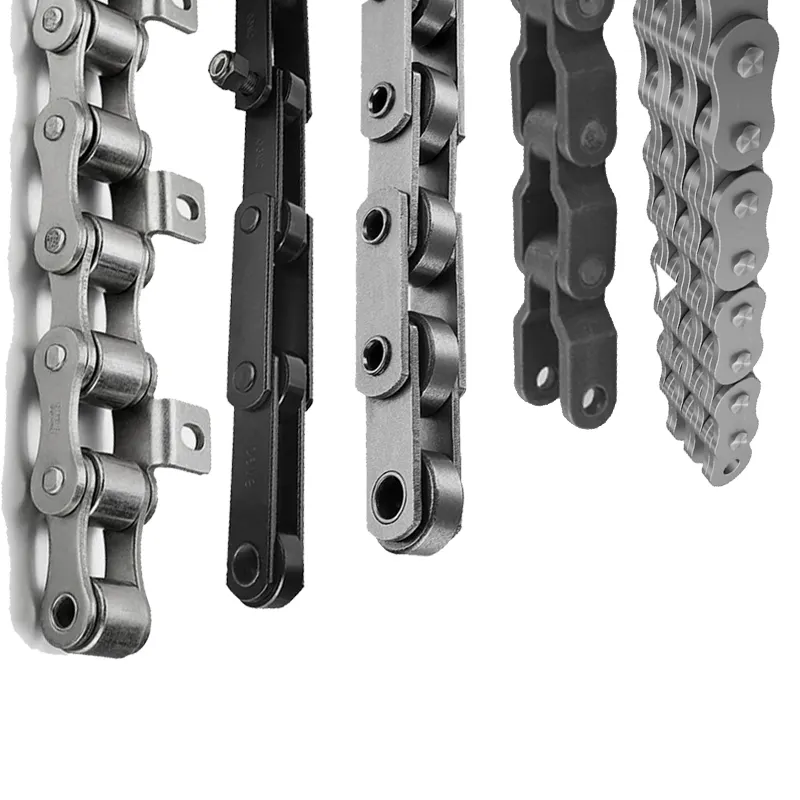
Can roller chains be used for power transmission in industrial equipment?
Yes, roller chains are widely used for power transmission in various industrial equipment and machinery. Here’s a detailed answer to the question:
1. Versatility: Roller chains are known for their versatility and can be used in a wide range of industrial applications. They are commonly employed in machinery such as conveyors, agitators, mixers, hoists, elevators, packaging equipment, material handling systems, and many other types of industrial equipment.
2. Power Transmission: Roller chains excel in transmitting power from one rotating shaft to another. They can efficiently transfer high torque and handle heavy loads, making them suitable for demanding industrial applications where power transmission is required.
3. Load Capacity: Roller chains are designed to withstand significant loads and provide reliable power transmission. They are available in various sizes and strengths, allowing for customization based on the specific load requirements of the industrial equipment.
4. Durability: Roller chains are built to be durable and withstand harsh operating conditions typically encountered in industrial environments. They are constructed using high-quality materials and undergo heat treatment processes to enhance their strength and resistance to wear, fatigue, and elongation.
5. Efficiency: Roller chains offer high transmission efficiency due to their positive engagement with the sprockets. The rollers on the chain engage with the sprocket teeth, minimizing slippage and ensuring reliable power transfer. This results in efficient operation and optimized performance of industrial equipment.
6. Easy Maintenance: Roller chains are relatively easy to maintain, especially when compared to other power transmission systems. Proper lubrication and periodic inspection are essential to ensure smooth operation and extend the chain’s lifespan. Regular maintenance routines can be implemented to keep the chains in optimal condition and minimize downtime.
7. Cost-Effectiveness: Roller chains are generally cost-effective compared to alternative power transmission methods. They offer a balance between performance, durability, and affordability, making them a popular choice for power transmission in industrial equipment.
In summary, roller chains are well-suited for power transmission in industrial equipment due to their versatility, load capacity, durability, efficiency, ease of maintenance, and cost-effectiveness. When selecting roller chains for industrial applications, it’s important to consider factors such as load requirements, speed, environmental conditions, and compatibility with the specific equipment to ensure optimal performance and longevity.
What are the advantages of using a roller chain in machinery?
A roller chain offers several advantages when used in machinery. Here’s a detailed answer to the question:
1. High Load Capacity: Roller chains are designed to handle high loads and transmit power efficiently. They are capable of carrying heavy loads and withstanding high torque, making them suitable for applications that require reliable power transmission.
2. Wide Speed Range: Roller chains can operate at a wide range of speeds, from low to high. They are capable of handling both slow-speed and high-speed applications, providing flexibility in machinery design and operation.
3. Durability and Longevity: Roller chains are known for their durability and long service life. They are constructed using high-quality materials and undergo precise manufacturing processes, resulting in chains that can withstand heavy use, harsh environments, and repetitive motions without premature failure.
4. Easy Installation and Maintenance: Roller chains are relatively easy to install and maintain. They have a simple design and can be quickly assembled onto sprockets. Routine maintenance involves lubrication, periodic inspections, and occasional tension adjustments, which are straightforward tasks.
5. Versatility: Roller chains are versatile and can be used in a wide range of machinery and equipment. They find applications in various industries, including automotive, agriculture, manufacturing, construction, and more. They can be customized to meet specific requirements by selecting the appropriate type, size, and configuration.
6. Efficient Power Transmission: Roller chains provide efficient power transmission between the driving and driven components. The rolling action of the chain on the sprockets reduces friction and energy losses, resulting in higher mechanical efficiency compared to other types of power transmission methods.
7. Compact Design: Roller chains have a compact design, which allows for efficient power transmission in tight spaces. They occupy less space compared to other types of power transmission systems, making them suitable for machinery with space constraints.
8. Cost-Effective Solution: Roller chains are a cost-effective solution for power transmission in machinery. They are relatively inexpensive compared to alternative power transmission methods and offer a high level of reliability and longevity, resulting in lower maintenance and replacement costs over time.
Overall, the advantages of using roller chains in machinery include their high load capacity, wide speed range, durability, ease of installation and maintenance, versatility, efficient power transmission, compact design, and cost-effectiveness. These factors make roller chains a popular choice for many machinery applications.
editor by CX 2023-09-05
China wholesaler Source Factory Transmission Stainless Steel 304 316 Standard Conveyor Roller Chains
Product Description
Product Description
|
HRSY Roller Chain Profile |
|||
|
Standard: |
ANSI, DIN, ISO |
||
|
Type: |
Drive chains, Conveyor chains, Engineering chains, Agricultural chains, Traction chains, Escalator chains |
||
|
Drive chain |
Short pitch precision roller chain (A series, B series, Hevey duty series roller chain) High strength short pitch roller chains Self-lubrication roller chain O-Ring chains Oil filed chains Heavy duty cranked-link transmission chains Double pitch transmission chains Inverted tooth chains Motorcycle chains Other (Driver chains) |
||
|
Conveyor chains |
Conveying roller chains Rubber attached plate chains Printing iron drying room line chains Double hinged conveyor chains Metric (M type) conveyor chains FV series conveyor chains Wooden conveyor chains Chains for food packaging machinery Conveyor chains for paper roll |
||
|
Engineering chains |
Conveying chains for cement industry Scraper conveyor chains Conveyor chains for coal washer Rubber gloves carrier chains Steel sleeve chain for engineering Welded-steel-type mill chains Sugar machine chains Conveyor chains for steel mill |
||
|
Agricultural chains |
Agricultural machinery drive chains Steel pintle chains ZGS38 combine harvester chains Rice harvester chains S type C type Others |
||
|
Traction chains |
Plate chains Leaf chains for sky stacker Traction chains Others |
||
|
Escalator chains |
Escalator step chains Escalator driver chains |
||
|
Material |
40Mn, 45Mn, SS316, SS304, SS201 |
||
|
Advantage |
We have competitive price and high quality. Our stock standard length: 5ft each piece, 10ft each piece. Custom length: We can custom according to your demand. We can accept your Logo, accept ODM, OEM. |
||
Detailed Photos
Packaging & Shipping
Company Profile
ZheJiang Haorongshengye Electrical Equipment Co., Ltd.
1. Was founded in 2008
2. Our Principle:
“Credibility Supremacy, and Customer First”
3. Our Promise:
“High quality products, and Excellent Service”
4. Our Value:
“Being Honesty, Doing the Best, and Long-lasting Development”
5. Our Aim:
“Develop to be a leader in the power transmission parts industry in the world”
|
6.Our services: |
1).Competitive price |
|||
|
2).High quality products |
||||
|
3).OEM service or can customized according to your drawings |
||||
|
4).Reply your inquiry in 24 hours |
||||
|
5).Professional technical team 24 hours online service |
||||
|
6).Provide sample service |
||||
Main products
Machines
Exbihition
| Standard or Nonstandard: | Standard |
|---|---|
| Application: | Textile Machinery, Garment Machinery, Conveyer Equipment, Packaging Machinery, Electric Cars, Motorcycle, Food Machinery, Marine, Mining Equipment, Agricultural Machinery, Car |
| Surface Treatment: | Oil Blooming |
| Structure: | Roller Chain |
| Material: | Stainless Steel |
| Type: | Short Pitch Chain |
| Samples: |
US$ 50/Meter
1 Meter(Min.Order) | |
|---|
| Customization: |
Available
| Customized Request |
|---|
What are the factors to consider when selecting a roller chain for an application?
Choosing the right roller chain for an application involves considering several important factors. Here’s a detailed answer to the question:
1. Load Capacity: The load capacity of the roller chain should match or exceed the maximum anticipated load in the application. Consider the weight and type of the load, as well as any shock loads or dynamic forces that may be present.
2. Speed and RPM: Determine the required speed and RPM (revolutions per minute) of the roller chain. High-speed applications may require special high-speed chains with improved heat dissipation and reduced centrifugal forces.
3. Environment: Assess the operating environment of the application. Consider factors such as temperature, humidity, dust, dirt, chemicals, and exposure to corrosive substances. Choose a roller chain with appropriate corrosion resistance, sealing, lubrication, or protective coatings based on the specific environmental conditions.
4. Length and Pitch: Determine the required length and pitch of the roller chain based on the distance between the sprockets and the desired positioning of the driven and driving components.
5. Maintenance Requirements: Consider the desired maintenance level for the application. Some roller chains may require regular lubrication, while others offer maintenance-free or self-lubricating options. Assess the availability of maintenance resources and the impact of downtime on the overall operation.
6. Compatibility: Ensure compatibility between the roller chain and the sprockets used in the application. The roller chain and sprockets should have matching pitch, tooth profile, and number of teeth to ensure proper engagement and smooth operation.
7. Certification and Standards: In certain industries, compliance with specific certifications or standards may be required. Consider whether the roller chain meets industry-specific requirements such as ISO, ANSI, or industry-specific regulations.
8. Cost and Availability: Evaluate the cost and availability of the roller chain, including factors such as initial purchase price, long-term maintenance costs, and the availability of spare parts or replacement chains.
By carefully considering these factors and consulting with experts or manufacturers, you can select the most suitable roller chain for your specific application, ensuring reliable and efficient power transmission.
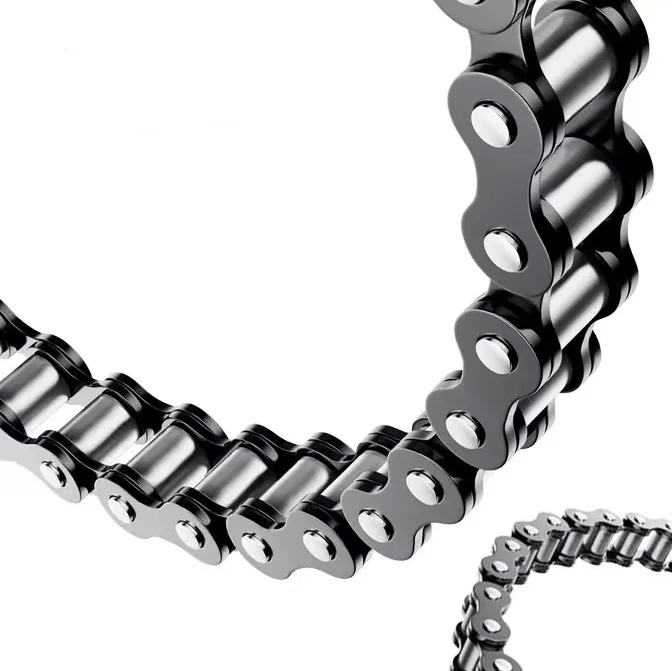
What are the advantages of using a roller chain over a timing belt?
Roller chains and timing belts are both commonly used for power transmission in various applications. Here’s a detailed answer to the question:
Advantages of using a roller chain:
1. Higher Load Capacity: Roller chains are capable of handling higher loads compared to timing belts. They are designed to transmit power in heavy-duty applications where high torque and shock loads are present.
2. Flexibility in Power Transmission: Roller chains are more versatile in terms of power transmission. They can transmit power over longer distances and are suitable for applications that require multiple shafts and complex power transmission routes.
3. Tolerance to Misalignment: Roller chains can tolerate more misalignment between the driving and driven sprockets compared to timing belts. They can accommodate slight angular misalignments and axial movements, making them suitable for applications where alignment precision is challenging.
4. Resistance to Harsh Environments: Roller chains are generally more resistant to contaminants, such as dirt, dust, and debris, compared to timing belts. They are commonly used in applications where exposure to harsh environments, such as high temperatures, chemicals, or abrasive particles, is expected.
5. Easy Maintenance and Replacement: Roller chains are relatively easy to maintain and replace. Regular lubrication, tension adjustment, and periodic inspection can help prolong their lifespan. In case of wear or damage, individual chain links can be replaced without the need for replacing the entire chain, making maintenance more cost-effective.
It’s important to note that the choice between a roller chain and a timing belt depends on various factors, including the specific application requirements, load conditions, speed, accuracy, and environmental considerations. Consulting with experts and considering the specific needs of the application can help determine the most suitable power transmission solution.
How do you measure roller chain wear?
Measuring roller chain wear is important to determine if the chain is still within acceptable tolerances or if it needs to be replaced. Here are the steps to measure roller chain wear:
1. Chain Elongation Measurement: Chain elongation is a common form of wear in roller chains. To measure chain elongation, you’ll need a ruler or caliper with metric units and a reference length of the chain. The reference length is typically a certain number of pitches, which is the distance from one roller to the next.
2. Select Reference Points: Choose two reference points on the chain, ideally at least 10 pitches apart. These points should be accessible and free from any significant wear or damage.
3. Measure the Distance: With the chain in a relaxed state, measure the distance between the reference points. This can be done by aligning the ruler or caliper with the rollers of the chain. Ensure the measurement is taken along the same side of the chain throughout the process.
4. Compare with the Manufacturer’s Specification: Consult the manufacturer’s specification or maintenance manual to determine the allowable elongation limit. Typically, roller chains have a maximum allowable elongation of around 1-2% before replacement is recommended.
5. Calculate Elongation Percentage: Calculate the elongation percentage by comparing the measured distance with the reference length. Subtract the reference length from the measured distance, divide the result by the reference length, and multiply by 100 to get the elongation percentage.
6. Determine Chain Condition: If the elongation percentage exceeds the manufacturer’s recommended limit, it indicates significant wear and elongation of the chain. In such cases, it is advisable to replace the chain to prevent potential failure and damage to the machinery.
It’s important to note that measuring chain wear is just one aspect of assessing chain condition. Visual inspection for signs of wear, such as pin wear, plate wear, or roller wear, is also crucial. If you notice any signs of damage or wear during the inspection, it is recommended to replace the chain, regardless of the elongation measurement.
editor by CX 2023-08-23
China OEM Factory Sales High Strength/Heavy Duty/Black Painting/Galvanized/Carburized Lifting Link Welded Alloy Steel Traction Chains with CE/ISO for Mining Use/Hoisting bulk roller chain
Product Description
Product introduction
1. Size 6mm to 22mm, alloy steel 25MnV or 20MN2,
24mm to 42mm using imported German 23MnNiMoCr54 alloy steel
2. Surface: self-coloring, painted black; Plastic coated galvanized
3. Safety factor :4:1
4. Comply with EN818-2 standard
5. Standard CZPT or customer requirements, at least 1 meter apart
6. Serial number printed on high power round steel chain;
All production and certification dates are also recorded. Mark once per Meter run.
Lifting and rigging chain has been 1 of the most popular rigging products on the market for many years, mainly due to its strength, durability, and ease of use. All our alloy steel rigging and lifting chain is heat treated to offer industry leading load capacity and durability. Some steel rigging chains are approved for overhead lifting, while others are not, so it is important to always know what type of lifting chain your specific rigging application requires
Product specification
| Product name | 10mm Grade 80 Chain Lift Anchor Transport Welded Alloy Carbon Stainless Steel Heavy Duty Lifting Chain with Hook |
| Grade | Grade 80 Grade 100 or as your request |
| Size | 4/5/6/7/8/10/11/12/13/16/19/20/22/28/32mm or as your request |
| Color | Black , Self color ,Yellow , Red or As your request |
| Length | Custom |
| Material | Alloy steel, 20Mn2A, Stainless steel , high carbon steel . |
| Surface treatment | Blacken finished ,Hot dip galvanized , electroplating , powder coating ,black painted . |
| Structure | Welded chain |
| Process | Fully automatic deburring |
| Sample | Support |
| OEM&ODM | Support |
| MOQ | 2T |
| Standards | G30 G43 G70 CZPT chains NACM/SATM chains |
| Certificate | ISO9001 & CE |
| Method of payment | T/T ,Western Union. |
| Key words | 10mm Grade80 Chain Lift Anchor Transport Welded Alloy Carbon Stainless Steel Heavy Duty lifting chain ;Single Leg CZPT G100 EN818 polished Electric hot dip galvanized black finished painted lifting chain;Us standard black self color plated zinc strong chromate coating 1leg 2legs 3legs 4legs lifting chain |
HangZhou CZPT CO, Ltd. The company is located in ZheJiang province on the east coast of China. As a professional chain manufacturer, QRE focuses on the production and technology of carbon steel, alloy and stainless steel chains, and has established a good reputation and reputation in the local market.
1. High quality alloy material, strong and durable.
2.Thick and bulky, not decoupling, carrying capacity is stronger. Any combination of rigging to meet different use requirements
3. Finishing is not only smooth surface, but also improve its wear resistance, corrosion resistance, rust resistance to obtain high hardness.
4. All kinds of hooks, rings, widely used in vehicles and boats, machinery, mines, ports and other lifting places.
Purpose of use
High strength chain for carrying heavy loads
Used for heavy lifting in mines and construction sites
Grade CZPT lifting chain is an indispensable lifting device when lifting heavy objects. It is made of high-quality alloy steel(manganese steel,etc.),and the quality is strictly controlled throughout the whole process. Only in this way can the lifting chain reach Grade 80 international standard.
Company Profile
Founded in 1998, HangZhou Fuster Rigging Co., Ltd., formerly known as Xihu (West Lake) Dis. Chain Factory, is located in Xihu (West Lake) Dis. County of ZheJiang Province known as “The Gem City of China”, and specializes in producing and marketing chain and rigging related products at home and abroad.
Our company has independent import and export operating rights, and can handle the certifications of CCS, LR, DNV and other famous classification societies for products. Our products are sold to dozens of countries such as Europe, America and Middle East as well as more than 10 provincial and municipal regions in China, and are widely applied to the fields of ships, steel, petrochemical industry, coal mine, etc.
In the principle of “Quality-honoring & Promise-keeping”, our company meets the requirements of all the customers through service innovation, changes the original production state through technical innovation, improves the product quality through process innovation, and continuously goes to standardization, elaboration, process and scientification through the business thought of constant innovation.
Absolute CZPT will move a heart of stone. Our company is willing to cooperate with domestic and foreign new/old customers in utmost sincerity, to create a common future!
The production process
How do we control quality:
a) Pay attention to adaptation for manufacture process
b) Approval report for shipment
c) Third party inspection is accepted
d) Keeping quality guarantee for a long period
e) Guaranteeing quality inspection of each product before assembly and packing.
f) Comply with ISO 9001
Packing and transportation
Why choose us?
1.Stable Brand Cooperation
2.High Quality Production
3.Excellent Service
4.High Quality Product
FAQ
1.How long is your delivery time?
A: Generally it is 5-10 work days if the goods are in stock. or it is 15-20 work days if the goods are not in stock, it is according to quantity.
2.What is your terms of payment ?
A: Payment=1000USD, 30% T/T in advance ,balance before shippment.
3.What products do you supply?
As mentioned above, HangZhou CZPT Factory is capable of supplying:
√All kinds of marine supplies
√Chains
√Rigging hardwares
√Fasteners
√related hardwares
4.How do I receive the goods?
With our professional transport agents, we are capable of delivery products to most ports all over the world.Door-to-door service is also supported.
FOB, C&F, CIF are most commonly used trade terms.
5.Can you give warranty of your products?
A: Yes, we extend a 100% satisfaction guarantee on all items. Please feel free to feedback immediately if you are not pleased with our quality or service.
6.Where are you? Can I visit you?
A: Sure,welcome to you visit our factory at any time.
Certificate
Our team
Our foreign trade staff are all senior staff with more than 10 years of experience, and our foreign trade manager has more than 20 years of experience in foreign trade. In addition to providing you with the best products, we can also provide you with the best service
|
Shipping Cost:
Estimated freight per unit. |
To be negotiated |
|---|
| Usage: | Transmission Chain, Drag Chain, Conveyor Chain, Dedicated Special Chain, Lifting Chain |
|---|---|
| Material: | Alloy |
| Surface Treatment: | Baking Paint |
| Samples: |
US$ 0/Meter
1 Meter(Min.Order) | Order Sample |
|---|
| Customization: |
Available
| Customized Request |
|---|
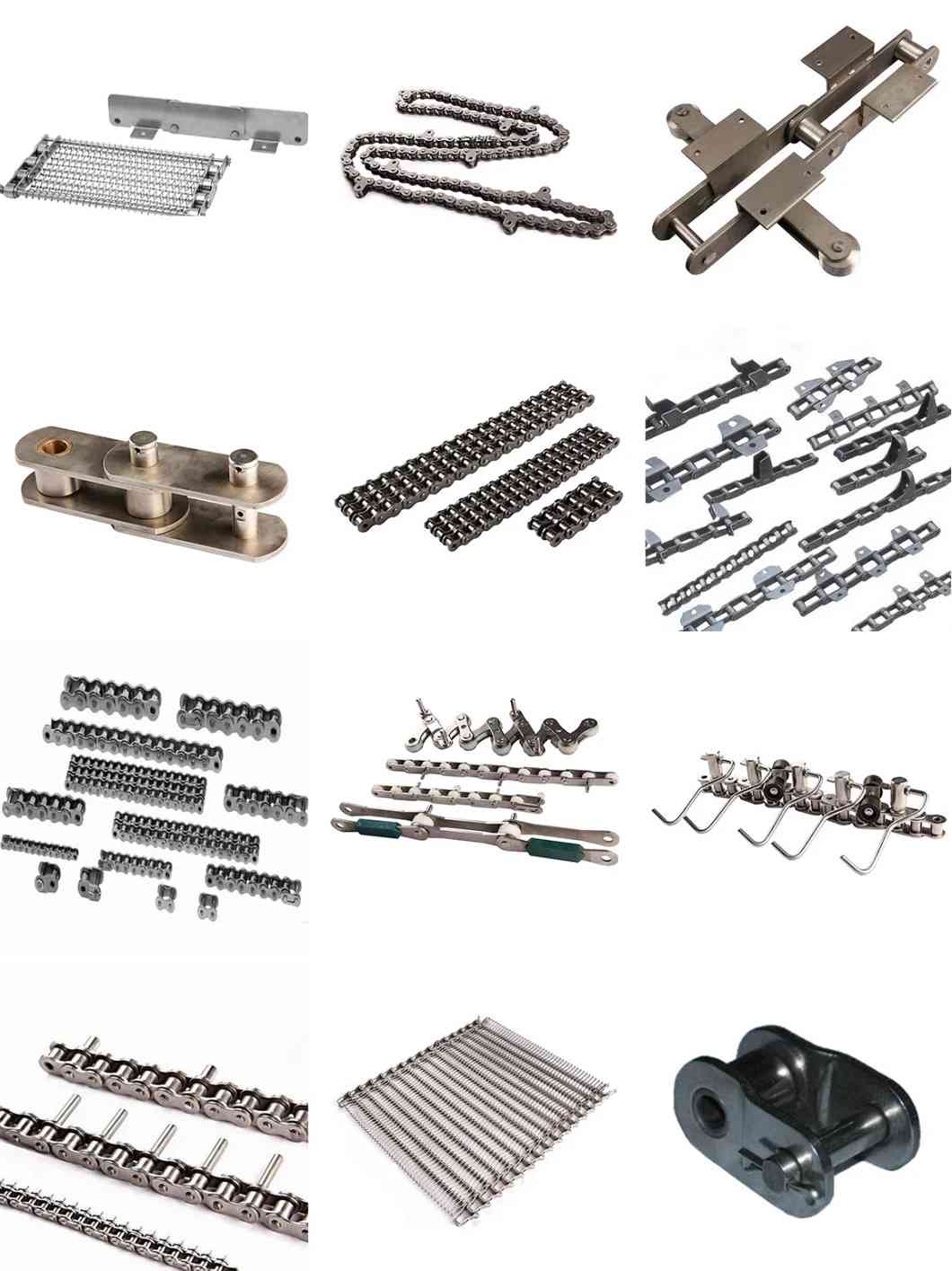
How to choose a drive chain
The process of manufacturing a drive chain starts with bushing. Both inner and outer diameters are strictly measured to ensure tight tolerances. The roundness of the bushing is critical as irregular surfaces in the contact area can cause accelerated wear and shorten chain life. That’s why the CZPT manufacturing process is carefully designed to optimize the wear performance of the chain. There are several types of bushings including roller, forged rivetless, flat top, and timing.
roller chain
The tensile strength of a roller chain is the number of pounds it can withstand before breaking. Fatigue strength is equally important, although the two do not necessarily go hand in hand. Fatigue strength depends on several factors, including the quality of steel used in manufacturing, the quality of the pitch holes, the type of shot peening used, and the thickness and design of the link plates. Here are some things to consider when choosing a roller chain for a drive chain.
When sizing a chain, first determine how much power will be delivered. Then, determine how many teeth you need for the drive sprocket. The gear ratio is approximately 2:1. The number of sprocket teeth depends on the size of the motor. A chain with a higher tooth count requires fewer teeth than a smaller chain. The size of the drive sprocket also depends on the horsepower of the motor.
Before installing rollers or conveyor chains, make sure the drive system is properly aligned. If the drive chain is misaligned, the load on other components will be uneven. This can cause excessive wear on the sprocket or roller chain. Also, check that the sprocket is as close to the bearing as possible. Connecting links can be secured using openings or spring clips.
Different manufacturing processes can affect the performance of the roller chain. Some manufacturers have chains pre-installed at the factory to minimize initial stretch. Others build chains by preloading sprockets and ensuring consistent precision heat treatment. The final product may have greater elongation or less wear than previous products. It is best to follow the manufacturer’s recommendations to extend the life of the roller chain. If you are interested in purchasing a new drive chain, please contact a trusted supplier in your area.
Drop forged rivetless chain
Forged rivetless drive chains are ideal for applications where flexibility and strength are critical. The chain consists of forged steel components for high strength and lightweight. These chain assemblies are easy to assemble without the use of tools and are commonly used on carts, assembly lines, and drag conveyors. They are also compatible with related chain, drive, and accessory products. They have a short turning radius and therefore high flexibility and strength.
The X-348 Forged Rivetless Chain is an example of such a drive chain. This chain is perfect for automated machines that run late at night. It is available in a variety of weight limits and sizes. The chain is pre-stressed after assembly, and a two-year parts replacement warranty is standard. Its durability is also enhanced by the inclusion of push dogs that engage the front floating dogs on the leading free cart.
In addition to this type of chain, CZPT also offers a full line of Caterpillar Drive chains. They are designed to provide fatigue-free operation. The drive jaws are one-piece forged induction hardened steel compatible with forged rivetless chains. There are many special custom chains to choose from. These forged chains can be installed on Caterpillars as well as other types of tractors for maximum durability and efficiency.
Distributors of forged chain products offer a variety of sizes, pitches, and materials for material handling and conveying systems. Typically, this type of chain is used in conveyor and lifting applications and ranges from 3 inches to 9 inches. Depending on size and thickness, it is ideal for a variety of industries including automotive, food, paper, and steel mills. In addition, the chain is corrosion-resistant and corrosion-free.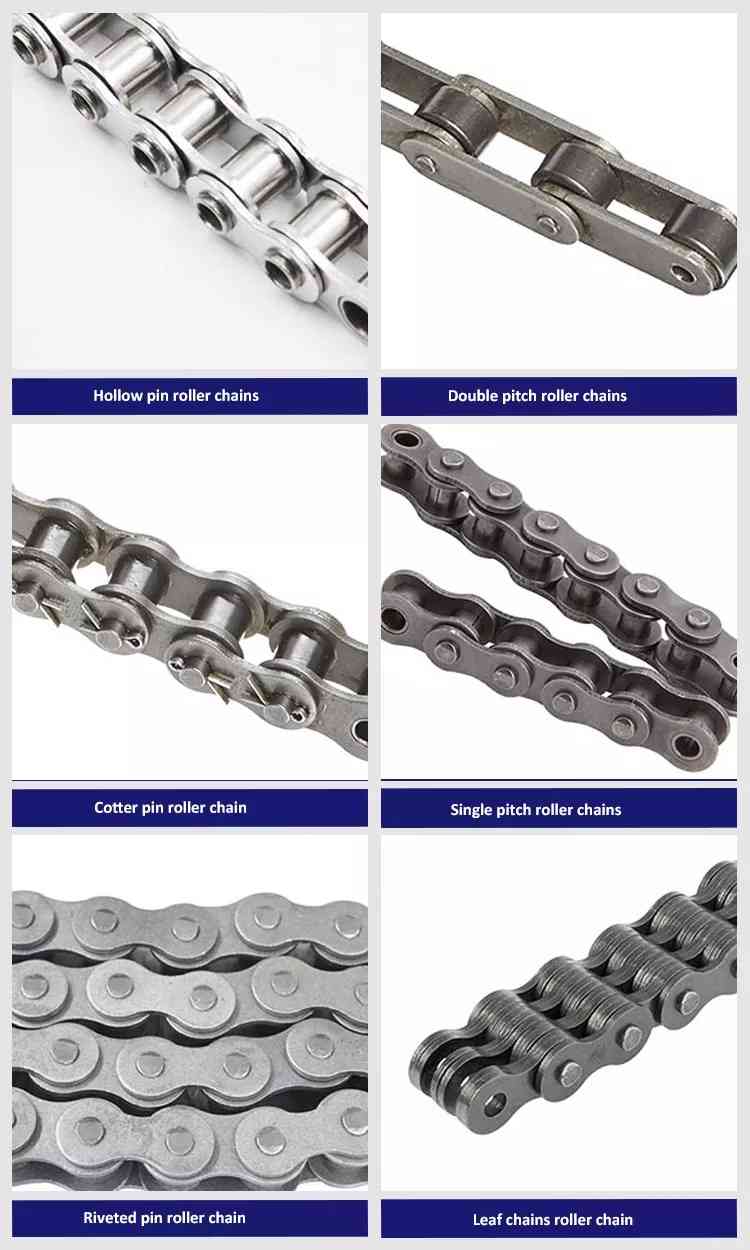
flat top chain
The flat-top drive chain is used for conveying large and medium workpiece pallets. These chains are available in a variety of materials and designs, including plastic, steel, and stainless steel. The steel flat top chain provides high wear resistance and excellent noise reduction. Steel flat-top chains are suitable for applications requiring high loads and excellent workmanship. HD profiles are compatible with steel flat-top chains and are highly recommended for extreme applications.
CZPT produces two types of flat-top chains. Tabletop chains are similar to wing door hinges, while MatTop chains are assembled using full-width pins. Both types are available in standard widths of 3.25 to 12 inches and are shipped in 10-foot sections. Both types can be shaped according to the width of the chain.
Double hinge pin flat-top chains are available with a variety of hinge pins. There are TAB and standard hinge pins for different machines and drive methods. A flat-top chain with dual-hinge pins will provide higher load carrying capacity, but be aware of the hinge pin size and style required for your application. The hinge pins should be long enough to ensure a smooth and smooth delivery. Double hinge pin flat top drive chains are available in a variety of sizes and designs.
Using standardized components and modules, the flat-top chain conveyor system is highly adaptable and can be seamlessly integrated into any production process. It can also be extended to handle a wider range of containers. Using a single drive, the CZPT system can be extended to a length of 40 meters. Its versatility makes it the choice of many industries. There is also a wide variety of flat-top drive chains to choose from.
time chain
The drive chain is a critical component of any internal combustion engine. They transmit the rotation of the crankshaft to the camshaft via the timing chain. These chains have been standard in cars since the turn of the 20th century, and while toothed belts have become a more cost-effective alternative, manufacturers such as Mercedes-Benz and BMW remain loyal to traditional chain drives.
Timing chains come in many shapes and sizes, with different designs depending on the type of load they must carry. Roller chains are the most common and offer an excellent balance of strength and NVH performance. Its design is similar to a bicycle chain, and the inner link consists of two blades pressed into the holes of the sprocket. Roller chains can also pass through smaller diameter sprockets, and roller chains take up less space than chain links.
The length of the chain allows it to stretch over time. In addition, improper oil maintenance can lead to premature timing chain damage. Without an oil change, the chain is not lubricated, causing the rollers and links to rub against each other. This can cause excessive chain wear and eventually chain breakage. To avoid premature timing chain failure, it is advisable to have your vehicle inspected by a mechanic.
For automotive timing chains, the CZPT website offers the best prices for the timing chain you need. You can find the right timing chain for your car by registering on this website. You can also contact a mechanic to get the parts you need. If you don’t know how to diagnose your timing mechanism, you can always check the owner’s manual or the manufacturer’s website. It is critical to follow the manufacturer’s recommendations to avoid catastrophic failure.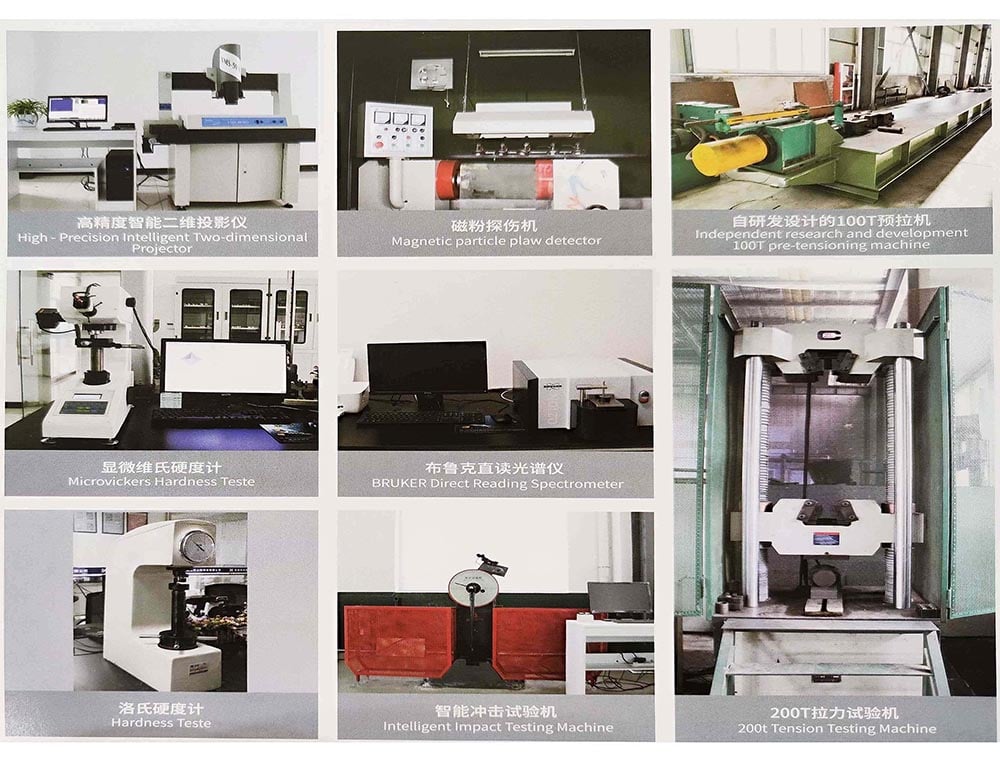
Oil-impregnated bushing
Oil-impregnated bushings for drive chains are an excellent solution to drive chain lubrication problems. Usually, drive chains require additional lubrication, but by adding special oil-impregnated bushings, the chain can run without lubrication. Oil-immersed bushings, such as those of the CZPT brand for CZPT, are specially manufactured for this purpose. They capture oil during operation and release it onto the bearing surfaces, returning it to the bushing by capillary action.
Since their introduction to the automotive industry, engineered composite plastic bushings have been shown to provide longer service life and save up to 40% in maintenance costs. They have replaced bronze in thousands of applications, including pumps, medical equipment, and food processing machinery. Because oil-impregnated bronze bearings rely on capillary action, they must rotate to maintain a complete lubricating film. However, several factors prevent this film from fully forming, including low speeds and intermittent use.
During the manufacturing process, oil-impregnated bushings are manufactured to meet the wear resistance requirements of the drive chain. The sintered density of the oil-impregnated sintered bushing determines its mechanical strength. The larger sintered density increases the wear resistance of the oil-impregnated bushing but reduces the mechanical strength.
Whether or not a drive chain is lubricated will determine its overall life. Proper lubrication can extend chain life by 100% compared to a chain without proper lubrication. Proper lubrication means using high-quality oils without additives and oils that flow freely at prevailing temperatures. Indirect heating is required by immersing the drive chain in the molten pool as certain additives prevent oil from entering the chain joint.
editor by CX 2023-05-17
China wholesaler Factory Sales High Strength/Heavy Duty/Black Painting/Galvanized/Carburized Lifting Link Welded Alloy Steel Traction Chains with CE/ISO for Mining Use/Hoisting bush roller chain drive
Product Description
Product introduction
1. Size 6mm to 22mm, alloy steel 25MnV or 20MN2,
24mm to 42mm using imported German 23MnNiMoCr54 alloy steel
2. Surface: self-coloring, painted black; Plastic coated galvanized
3. Safety factor :4:1
4. Comply with EN818-2 standard
5. Standard CZPT or customer requirements, at least 1 meter apart
6. Serial number printed on high power round steel chain;
All production and certification dates are also recorded. Mark once per Meter run.
Lifting and rigging chain has been 1 of the most popular rigging products on the market for many years, mainly due to its strength, durability, and ease of use. All our alloy steel rigging and lifting chain is heat treated to offer industry leading load capacity and durability. Some steel rigging chains are approved for overhead lifting, while others are not, so it is important to always know what type of lifting chain your specific rigging application requires
Product specification
| Product name | 10mm Grade 80 Chain Lift Anchor Transport Welded Alloy Carbon Stainless Steel Heavy Duty Lifting Chain with Hook |
| Grade | Grade 80 Grade 100 or as your request |
| Size | 4/5/6/7/8/10/11/12/13/16/19/20/22/28/32mm or as your request |
| Color | Black , Self color ,Yellow , Red or As your request |
| Length | Custom |
| Material | Alloy steel, 20Mn2A, Stainless steel , high carbon steel . |
| Surface treatment | Blacken finished ,Hot dip galvanized , electroplating , powder coating ,black painted . |
| Structure | Welded chain |
| Process | Fully automatic deburring |
| Sample | Support |
| OEM&ODM | Support |
| MOQ | 2T |
| Standards | G30 G43 G70 CZPT chains NACM/SATM chains |
| Certificate | ISO9001 & CE |
| Method of payment | T/T ,Western Union. |
| Key words | 10mm Grade80 Chain Lift Anchor Transport Welded Alloy Carbon Stainless Steel Heavy Duty lifting chain ;Single Leg CZPT G100 EN818 polished Electric hot dip galvanized black finished painted lifting chain;Us standard black self color plated zinc strong chromate coating 1leg 2legs 3legs 4legs lifting chain |
HangZhou CZPT CO, Ltd. The company is located in ZheJiang province on the east coast of China. As a professional chain manufacturer, QRE focuses on the production and technology of carbon steel, alloy and stainless steel chains, and has established a good reputation and reputation in the local market.
1. High quality alloy material, strong and durable.
2.Thick and bulky, not decoupling, carrying capacity is stronger. Any combination of rigging to meet different use requirements
3. Finishing is not only smooth surface, but also improve its wear resistance, corrosion resistance, rust resistance to obtain high hardness.
4. All kinds of hooks, rings, widely used in vehicles and boats, machinery, mines, ports and other lifting places.
Purpose of use
High strength chain for carrying heavy loads
Used for heavy lifting in mines and construction sites
Grade CZPT lifting chain is an indispensable lifting device when lifting heavy objects. It is made of high-quality alloy steel(manganese steel,etc.),and the quality is strictly controlled throughout the whole process. Only in this way can the lifting chain reach Grade 80 international standard.
Company Profile
Founded in 1998, HangZhou Fuster Rigging Co., Ltd., formerly known as Xihu (West Lake) Dis. Chain Factory, is located in Xihu (West Lake) Dis. County of ZheJiang Province known as “The Gem City of China”, and specializes in producing and marketing chain and rigging related products at home and abroad.
Our company has independent import and export operating rights, and can handle the certifications of CCS, LR, DNV and other famous classification societies for products. Our products are sold to dozens of countries such as Europe, America and Middle East as well as more than 10 provincial and municipal regions in China, and are widely applied to the fields of ships, steel, petrochemical industry, coal mine, etc.
In the principle of “Quality-honoring & Promise-keeping”, our company meets the requirements of all the customers through service innovation, changes the original production state through technical innovation, improves the product quality through process innovation, and continuously goes to standardization, elaboration, process and scientification through the business thought of constant innovation.
Absolute CZPT will move a heart of stone. Our company is willing to cooperate with domestic and foreign new/old customers in utmost sincerity, to create a common future!
The production process
How do we control quality:
a) Pay attention to adaptation for manufacture process
b) Approval report for shipment
c) Third party inspection is accepted
d) Keeping quality guarantee for a long period
e) Guaranteeing quality inspection of each product before assembly and packing.
f) Comply with ISO 9001
Packing and transportation
Why choose us?
1.Stable Brand Cooperation
2.High Quality Production
3.Excellent Service
4.High Quality Product
FAQ
1.How long is your delivery time?
A: Generally it is 5-10 work days if the goods are in stock. or it is 15-20 work days if the goods are not in stock, it is according to quantity.
2.What is your terms of payment ?
A: Payment=1000USD, 30% T/T in advance ,balance before shippment.
3.What products do you supply?
As mentioned above, HangZhou CZPT Factory is capable of supplying:
√All kinds of marine supplies
√Chains
√Rigging hardwares
√Fasteners
√related hardwares
4.How do I receive the goods?
With our professional transport agents, we are capable of delivery products to most ports all over the world.Door-to-door service is also supported.
FOB, C&F, CIF are most commonly used trade terms.
5.Can you give warranty of your products?
A: Yes, we extend a 100% satisfaction guarantee on all items. Please feel free to feedback immediately if you are not pleased with our quality or service.
6.Where are you? Can I visit you?
A: Sure,welcome to you visit our factory at any time.
Certificate
Our team
Our foreign trade staff are all senior staff with more than 10 years of experience, and our foreign trade manager has more than 20 years of experience in foreign trade. In addition to providing you with the best products, we can also provide you with the best service
|
Shipping Cost:
Estimated freight per unit. |
To be negotiated |
|---|
| Usage: | Transmission Chain, Drag Chain, Conveyor Chain, Dedicated Special Chain, Lifting Chain |
|---|---|
| Material: | Alloy |
| Surface Treatment: | Baking Paint |
| Samples: |
US$ 0/Meter
1 Meter(Min.Order) | Order Sample |
|---|
| Customization: |
Available
| Customized Request |
|---|
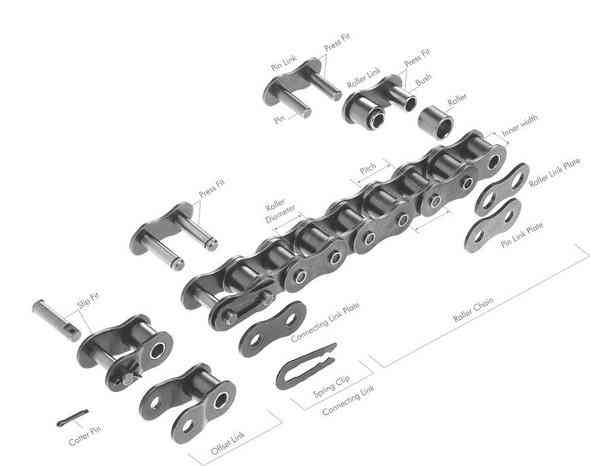
Roller Chain Basics
Before choosing the right roller chain for your machine, it is necessary to learn some basics. Learn about sprockets, tensile strength, pitch, and width. Read this article to learn more. It will help you make an informed decision. Getting the right product is critical, but it’s not always as simple as choosing a brand name. You need to choose a company that supports its products and provides good service.
Roller sprocket
If you are planning to purchase roller sprockets for your application, you should first look at the various types available. Sprockets available for single-strand roller chains are manufactured by Boston Steel – Type B sprockets are drilled to size. They are available in 1/4, 3/8, 1/2, 5/8, 3/4 and 1″ pitch sizes.
The diameter of the sprocket is important when choosing the right sprocket for your application. Using a caliper to measure the diameter of a toothless plate is a good way to determine the exact size of the sprocket. A caliper is the diameter of a plate without teeth. On Type B and C sprockets, the hub diameter measures the thickness of the hub.
Another type of sprocket is the steel split sprocket, which is split in diameter. This type is easy to install and remove, and is held together by bolts in the hub. Typically, split sprockets have chain pitches ranging from 40 to 240 and bores ranging from 3/4″ to 6″. The split sprockets are designed with one pointing towards the ceiling and the other two parallel to the floor.
When shopping for sprockets, it is important to remember that they are designed specifically for a specific chain. All chains are manufactured to specific standards. In the United States, the most common standard is ANSI. The chain pitch is the distance between the center of each pin and the center of the next pin. In the US, the standard is always measured in eight-inch intervals.
In addition to sprocket size, sprocket pitch and the surface area also affect chain life. Unlike belt sprockets, which are made of forged steel, the teeth on roller sprockets are stamped from steel sheet or pressed from powdered metal. The harder the teeth, the longer the chain will last.
Roller chain pitch
The pitch of a roller chain is the distance between the sprocket and the pin. The smaller the thread pitch, the smaller the bushing wear. Generally speaking, the smaller the pitch, the longer the life of the chain. For best performance and longest life, manufacturers recommend a minimum chain pitch of 2% to 3%. Chain pitch is important to ensure proper performance, and the manufacturer recommends that you replace the chain when it reaches 2% to 3% of normal.
To determine the correct chain pitch for a particular chain, first determine the sprocket size and pitch. Pitch is the distance between pin centers, measured in 1/8 inch increments. The pin diameter of the chain is also important. If you’re not sure about the pin diameter of your chain, measure a few links to get a good average reading. Alternatively, use a caliper to measure the inside diameter of the sprocket and count the number of teeth.
When sizing a sprocket, measure the chain between the gears with a caliper and compare it to the measurements on the chain size chart. Make sure you have checked all the specs and checked the correct chain pitch. Then, choose the correct chain pitch for your needs. This is a critical step in choosing the right chain. So get the correct pitch for your roller chain. Correct pitch helps ensure maximum performance and safety.
To identify a specific type of roller chain, measure its tensile strength. This represents the amount of load the chain can withstand before breaking. Another key parameter to consider is fatigue strength. Chains with high fatigue strength are more resistant to rust and wear than chains with low fatigue strength. The numbers on the right in the standard numbering represent normal or light duty chains, while the numbers on the left represent the pitch of heavy-duty chains.
Double pitch roller chains are a variant of single pitch chains. They are manufactured according to ISO 606 and meet the same standards as single pitch chains. They are mainly used in applications with lower requirements for speed and power transmission. The plates of double pitch roller chains are also longer than single pitch chains. The double pitch drive series is also used for elevator and long conveyor drives. There are three main types of roller chains: single-pitch chains, double-pitch carriers, and oversized rollers.
Roller chain width
When buying a roller chain, one of the first decisions you must make is its width. To make this determination, you need to measure the overall width of the chain, the diameter, and the width of each roller. You must also know the height and thickness of the board. After taking these measurements, you can start shopping for the perfect roller chain. But before you buy a new chain, it’s important to know what to expect from the chain itself.
There are many different types of roller chains. These chains are available for ANSI and metric measurements. They come in single-stranded and double-stranded variants. They are usually used for power transmission. Other types include agricultural, automotive, conveyor, multi-strand, and four-strand chains. These charts also include a chart so you can easily see the exact size you need. Listed below are some of the benefits of buying a roller chain.
Roller diameter and pin diameter are important factors in choosing the correct chain width. The width of the chain is the nearest binary fraction of 5/8 of an inch. It should be at least half the thickness of the sprocket, and the plate thickness is one-eighth the width of the chain. Overweight chains are indicated with the suffix H. The pitch and width of the chain are determined by the working load and machine speed.
The outer links of the roller chain are called pin links. These pins are inserted into the bushings of the adjacent roller links. They are held in place by cotter pins. Pin links are usually pressed into the pins of heavy-duty chains. These pins are used to hold the rollers in place. However, these pin chains can reduce the power rating of roller chains by up to 20%.
The ANSI 29.1 Steel Chain Specification specifies a minimum pitch in inches and ultimate strength of 12,500 x pitch in inches. At the same time, the O-ring chain greatly reduces wear due to its lubricating effect. O-ring and X-ring chains contain a lubricant injected by vacuum when riveting the chain together. Transmission chains are tested and governed by standards bodies such as ANSI. In 2011, the American Society of Mechanical Engineers developed a standard for precision power transmission chains.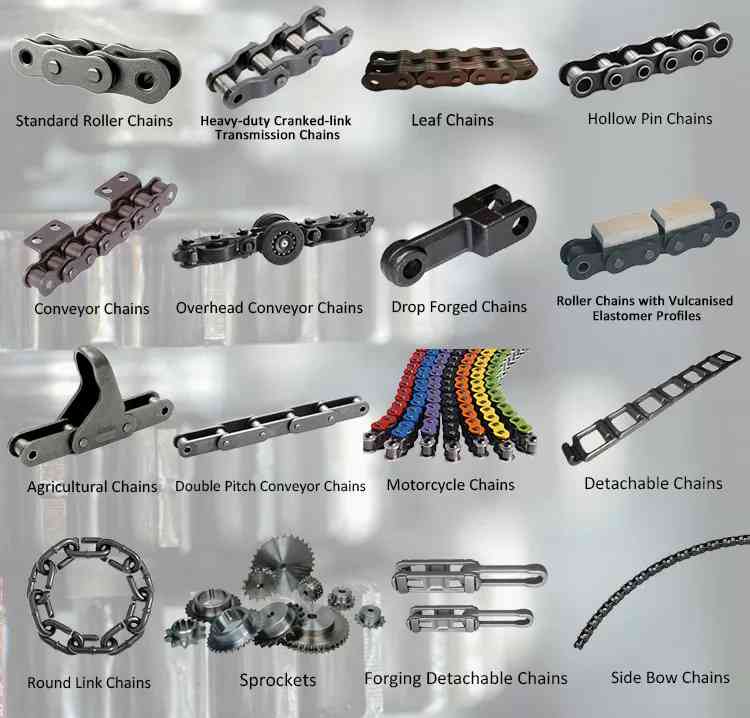
Roller chain tensile strength
One of the most important indicators of roller chain strength is tensile strength. This measurement refers to the amount of load the chain can withstand before breaking. Another measure, called fatigue strength, refers to the maximum load a chain can withstand before it breaks. The strength of a roller chain depends on its size, the quality of the steel used in its construction, and the heat treatment. There are also differences in the types of shot peening used to treat steel, pitch holes, and link plates.
When choosing a roller chain, the workload is critical. This is the maximum load the chain can withstand before fatigue failure occurs. This measurement is critical because it helps determine the type of load applied to the chain. When deciding which roller chain to buy, be sure to consider the mechanical type and desired strength. Then, make sure it meets strength and load-carrying capacity requirements.
The ultimate tensile strength of a roller chain is based on the manufacturer’s recommended maximum tensile strength. However, the actual tensile strength may be higher or lower than this value. The working load limit of a roller chain can also be calculated by multiplying the chain diameter by the grade. The working load limit of a chain is the highest tension it can withstand before breaking. This value is usually expressed in points.
The maximum tensile strength of roller chains varies by chain type. The single-strand heavy chain has thick side plates for higher shock loads. Single strand heavy-duty roller chains, also known as “bushing” roller chains, are also available. Double-stranded heavy chains are structurally similar, but they have two layers of steel connected by pins that are nearly twice as strong as standard roller chains.
The tensile strength of a single-strand roller chain is approximately 500 tons. In comparison, a single-chain blockchain has a tensile strength of 900. The tensile strength of the two is similar, and it is not recommended to choose one or the other. Although steel and titanium chains are considered the strongest materials for roller chains, these materials are not magnetic.
editor by CX 2023-05-16