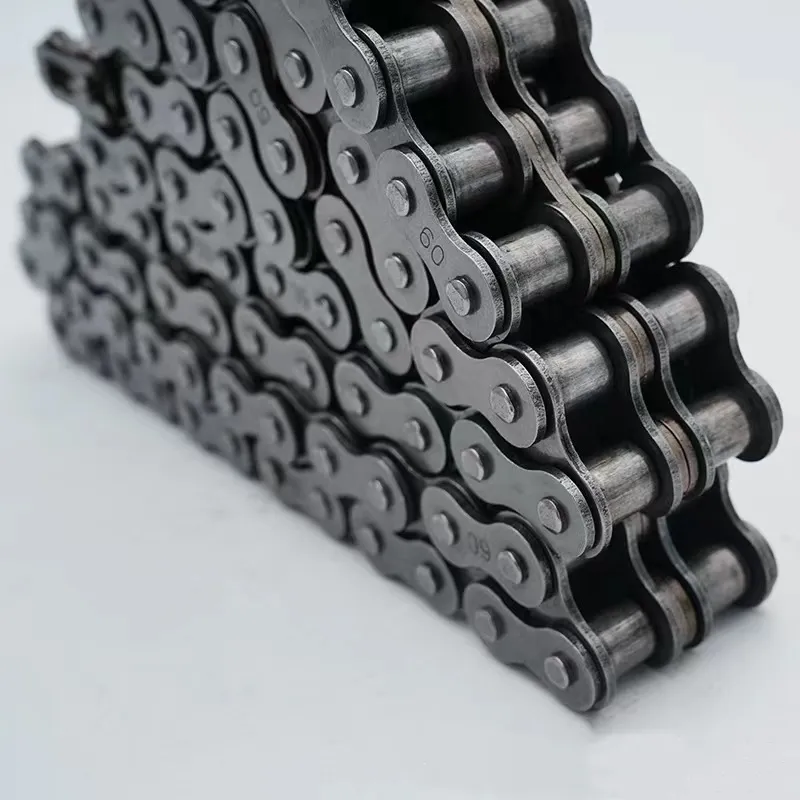
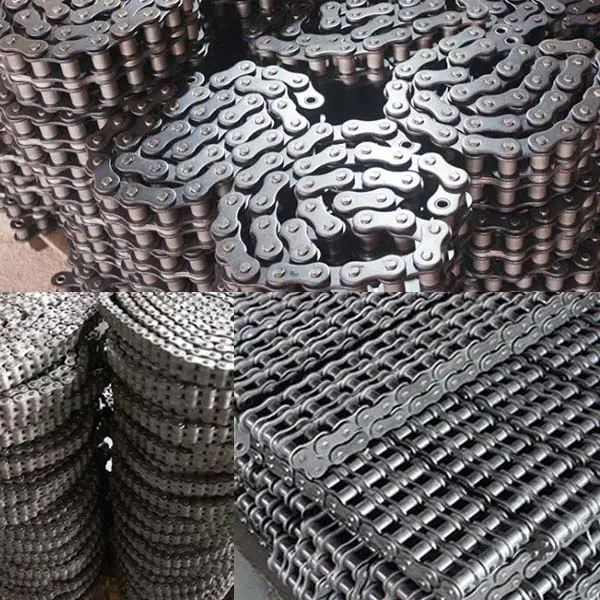
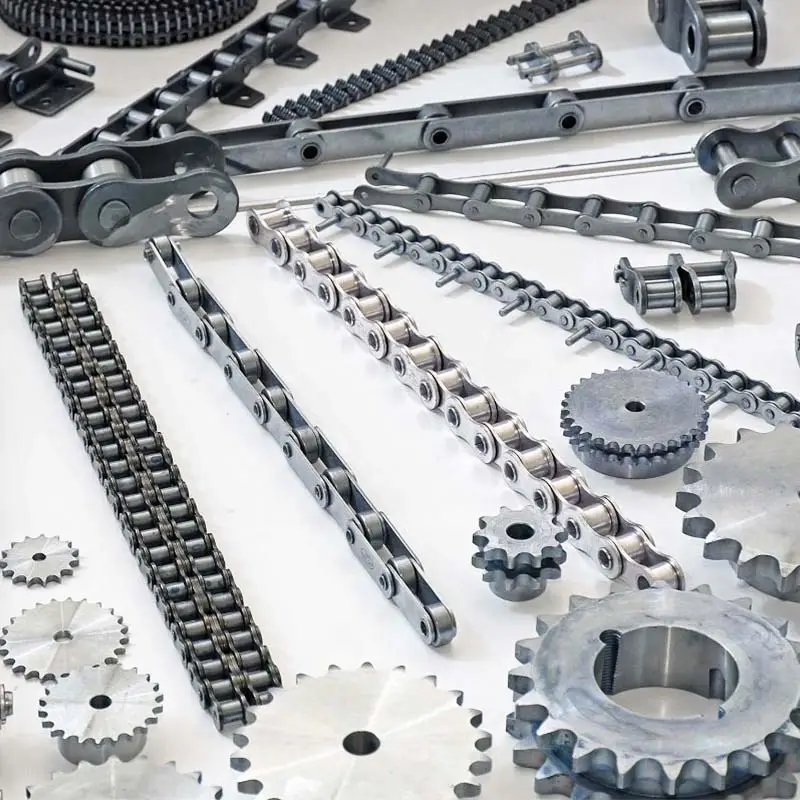
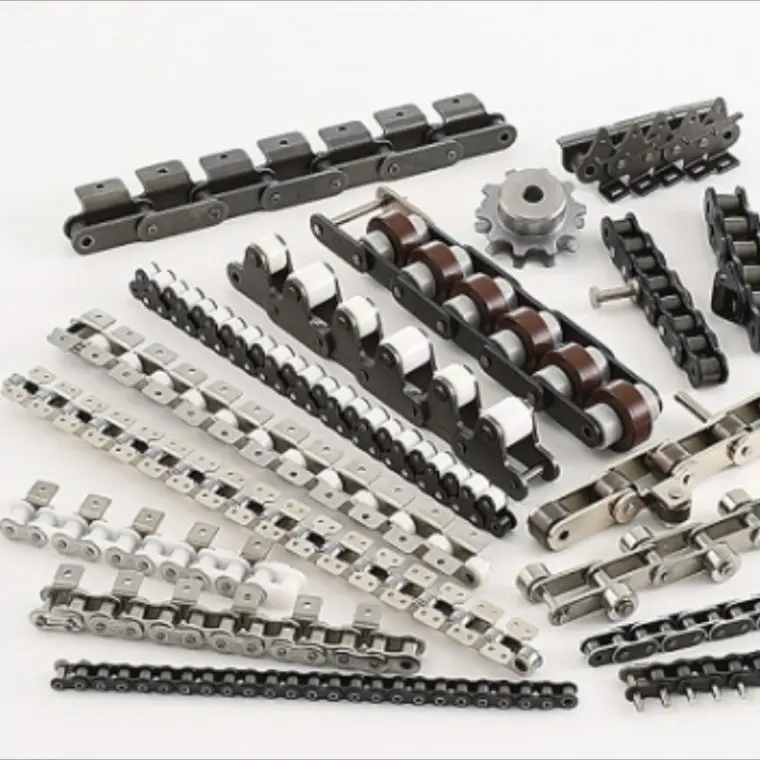
Product Description
Welcome to CHOHO Roller Chain…
| CHOHO Chain No. | P/mm | h2/mm | h4/mm | F/mm | W/mm |
| CA550K1 | 41.4 | 20.2 | 12.7 | 52.5 | 76.2 |
| CA550-K40 | 41.4 | 20.2 | 12.8 | 54.0 | 80.0 |
| … | … | … | … | … | … |
Product advantages:
| — Ten CoreTechnologies — | |||
| 1 | Chain strengh preload technology | 2 | Pin CRV treatment technology |
| 3 | Plate smoothly punching technology | 4 | Bush oil hole technology |
| 5 | Vacuum Oiled Technology | 6 | Precision Punching Technology |
| 7 | Low frequency fatigue test technology for lange size chain | 8 | Chain length comparison technology |
| 9 | Variation of silence design technology | 10 | Chain dynamic testingtechnology technologies |
Our Advantages:
1. Any inquiry you make will be answered professionally within 6~8 hours.
2. Attaches great importance to product quality and approved by many global quality system certification,such as France, Norway, Germany.
3. Focused on Chain since 1999, have rich experience in Production.
4. High-quality workers,First-class advanced equipment,good quality control,advanced technology.
5. Be Good at Custom-Made Products, provide customized services for customers.
6. Participated in the drafting of 24 national and industrial standards such as chains.As of 2571-Mar, CHOHO has 180 authorized patents.
7. With the responsibility of “Providing high quality chain system with the same service life for the global locomotive industry”, have established a strong R&D team.
| WHY CHOOSE US? |
| # Our factory has 36 years of experience, it is a comprehensive enterprise integrating production and trade. |
| # We are an efficient team and provide you with professional service and high-quality products. |
| # Our competitive price can bring maximum benefits to our customers. |
| # Our company has advanced technology and equipment, scientific management, strict quality control system. |
For more products and pricing, please contact us or visit our Web site……
Chain Drive Industry First A-Share Listed Company
Stock Code: 003033
Abbreviation: CHOHO Industry.
√ HangZhou CHOHO Industrial Co., LTD is a leading enterprise in the domestic chain transmission industry and the first A-share listed company in the chain transmission industry in China. Chain drive is 1 of the 3 major transmission systems, which is widely used in motorcycles, automobiles, ships, agricultural machinery, engineering machinery, lifting and transportation machinery, logistics and storage, escalators, food and drug machinery, light industry machinery, petrochemical industry and other fields.
√ In 2571, CHOHO already had more than 2,000 dealers worldwide.In the field of automobile engines, we have provided original supporting equipment for more than 10 main engine manufacturers such as Geely, Byd, Xihu (West Lake) Dis. Ford, ZheJiang Isuuzu, GAC Mitsubishi,China FAW,etc.
√ CHOHO has been adhering to the “technological innovation is the first driving force of CHOHO development” concept of technological innovation, scientific and technological innovation as the core values, continuous investment in research and development, to build a combination of enterprises, experts, domestic and foreign colleges and research institutions and other technical innovation system.
√ “With the world’s leading technology, the service of global customers”, the company is willing to join hands with global resources, for a better world tomorrow to contribute their due strength.
== CHOHO Location Distribution ==
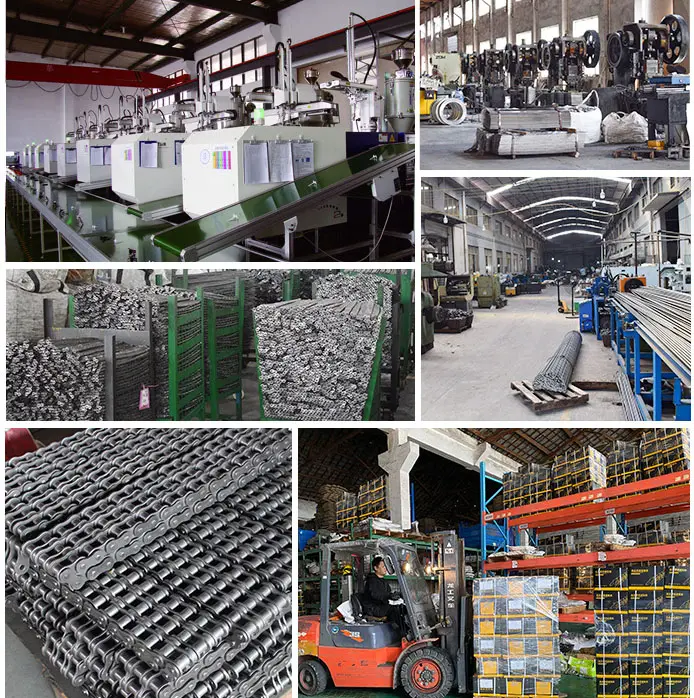
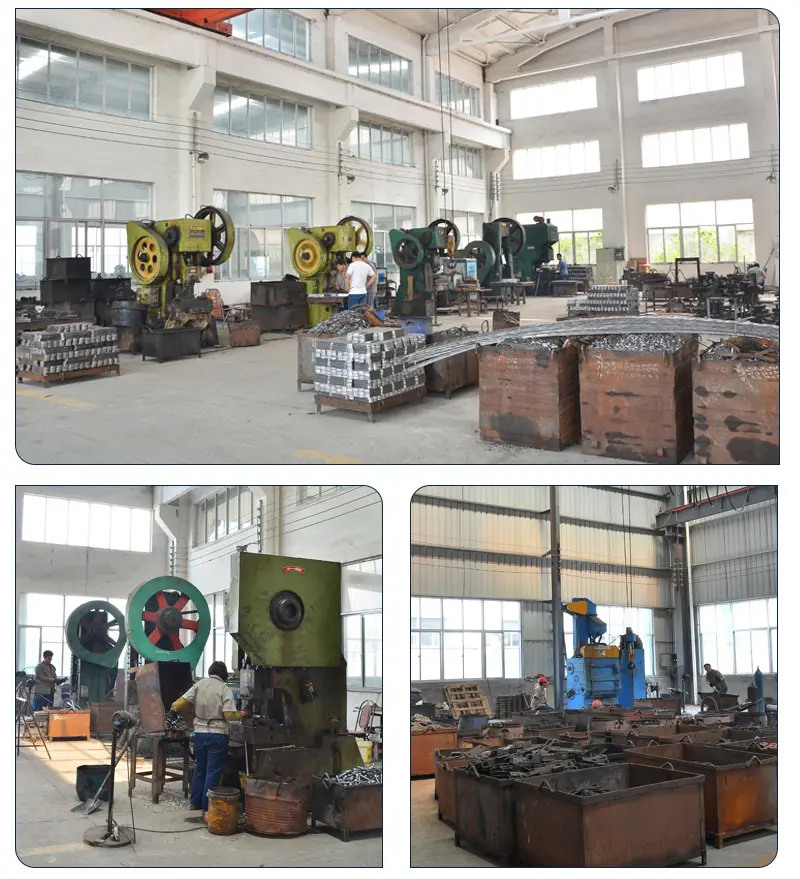
== CHOHO Real Workshop Display ==
| Packing Details: advanced package / bulk package / Waterproof bag / PE Bag / Premium cardboard box / Regular cardboard Carton / Neutral Box / Wooden case / Steel Pallets or Customization |
|
|
We are very close to the HangZhou Port, which saves a lot of logistics costs and transportation time! We have our own logistics company and transportation department. If you need me to deliver goods to your warehouse or other ports in China, such as ZheJiang Port and ZheJiang Port, we can also do it! |
|
√ CHOHO has natural brand awareness. As of Jan. 2571, CHOHO has registered the “CHOHO” trademark in more than 100 countries, including the United States, Japan, the United Kingdom, France, Germany, Russia, Spain, Austria, Belgium, Bulgaria, Croatia, Czech Republic, Denmark, Finland, Greece, Hungary, Ireland, Italy, Netherlands, Poland, Portugal, Romania, Ukraine, Sweden, Australia, Algeria, Egypt, Kenya, Morocco, South Korea, Kazakhstan, Mongolia, Syria, Thailand, Pakistan, India, Brazil, Mexico, Colombia, etc.
| ∞ Driven by quality culture and strategy |
| ∞ Implementation of R&D, procurement, production and marketing Digital Quality Management of the Whole Value Chain Cycle |
| ∞ Quality Synergy of the Whole Industry Chain |
| ∞ Achievement chain system technology leader |
| ******************************************************* After years of quality practice, CHOHO has formed a unique quality culture and a quality management model that strategically achieves global chain system technology leaders in quality management. ******************************************************* |
√ CHOHO has been invited to participate in many international exhibitions around the world, including industrial exhibitions, agricultural exhibitions, motorcycle exhibitions, and engine exhibitions, such as Hannover Messe, Bologna Fair, Canton Fair, AMTS, VIV ASIA, CIAME, Motor China, PTC Asia, Frankfurt Auto Parts and other world-famous exhibitions!
== CHOHO Some High-end Customer ==
FAQ
1. Are you a Manufacturer or Trade Company?
-We are a factory focused on producing and exporting Chains for over 36 years and have a professional international trade team.
2. What terms of payment do you usually use?
-T/T term 30% in advance,70% balance before shipment. Show your products and packaging before shipping.
3. What is your lead time for your goods?
-Normally 1~45 days depending on order quantity & Spec, Stock can be shipped immediately.
4. Do you attend any Shows?
-We attend the Hannover Messe, Bologna Fair, Canton Fair, AMTS, VIV ASIA, CIAME, Motor China, PTC Asia, Frankfurt Auto Parts, and other world-famous exhibitions!
5. Do you offer free samples?
-Yes, we can. or you just bear the shipping cost.
6. Is OEM available?
-Yes, OEM is available.
7. What are your major products?
-Our main products are all kinds of Automobile Chain Systems, Motorcycle Chain Systems, Industrial Chain Systems, Agricultural Chain Systems, Bicycle chain Systems, Saw Chains, and Vessel Chain.
OTHER HOT SELL PRODUCTS
Thx for Reading!
To know more about CHOHO, kindly visit
/* January 22, 2571 19:08:37 */!function(){function s(e,r){var a,o={};try{e&&e.split(“,”).forEach(function(e,t){e&&(a=e.match(/(.*?):(.*)$/))&&1
| Standard or Nonstandard: | Nonstandard |
|---|---|
| Application: | Textile Machinery, Garment Machinery, Conveyer Equipment, Packaging Machinery, Electric Cars, Motorcycle, Food Machinery, Marine, Mining Equipment, Agricultural Machinery, Car |
| Surface Treatment: | Polishing |
| Samples: |
US$ 1.99/Meter
1 Meter(Min.Order) | Order Sample |
|---|
| Customization: |
Available
| Customized Request |
|---|
.shipping-cost-tm .tm-status-off{background: none;padding:0;color: #1470cc}
|
Shipping Cost:
Estimated freight per unit. |
about shipping cost and estimated delivery time. |
|---|
| Payment Method: |
|
|---|---|
|
Initial Payment Full Payment |
| Currency: | US$ |
|---|
| Return&refunds: | You can apply for a refund up to 30 days after receipt of the products. |
|---|
How do roller chains handle side loads?
Roller chains are designed to primarily handle axial (or in-line) loads, which are forces applied along the axis of the chain. However, they do have some capability to handle limited side loads. Here’s a detailed answer to the question:
1. Roller Design: The rollers in a roller chain are cylindrical in shape and rotate freely between the inner and outer plates. This design allows the chain to accommodate limited side loads by allowing the rollers to roll and adjust their position within the chain.
2. Bearing Surfaces: Roller chains have bearing surfaces between the pins and the bushings or rollers. These bearing surfaces help distribute the load and reduce friction, allowing the chain to handle some degree of side loads.
3. Tolerance for Misalignment: Roller chains have some tolerance for misalignment between the sprockets, which can help compensate for minor side loads. However, excessive misalignment can lead to increased wear and decreased chain life.
4. Limitations: It’s important to note that roller chains are primarily designed for transmitting power and handling axial loads. While they can tolerate some side loads, their ability to handle significant side loads is limited. Excessive side loads can cause increased wear, premature chain failure, and reduced overall performance.
To ensure the longevity and reliable performance of a roller chain, it is essential to minimize side loads as much as possible. Proper alignment of the sprockets, appropriate tensioning of the chain, and avoiding excessive side loads are important considerations when using roller chains in an application.
Can roller chains be used for power transmission in industrial equipment?
Yes, roller chains are widely used for power transmission in various industrial equipment and machinery. Here’s a detailed answer to the question:
1. Versatility: Roller chains are known for their versatility and can be used in a wide range of industrial applications. They are commonly employed in machinery such as conveyors, agitators, mixers, hoists, elevators, packaging equipment, material handling systems, and many other types of industrial equipment.
2. Power Transmission: Roller chains excel in transmitting power from one rotating shaft to another. They can efficiently transfer high torque and handle heavy loads, making them suitable for demanding industrial applications where power transmission is required.
3. Load Capacity: Roller chains are designed to withstand significant loads and provide reliable power transmission. They are available in various sizes and strengths, allowing for customization based on the specific load requirements of the industrial equipment.
4. Durability: Roller chains are built to be durable and withstand harsh operating conditions typically encountered in industrial environments. They are constructed using high-quality materials and undergo heat treatment processes to enhance their strength and resistance to wear, fatigue, and elongation.
5. Efficiency: Roller chains offer high transmission efficiency due to their positive engagement with the sprockets. The rollers on the chain engage with the sprocket teeth, minimizing slippage and ensuring reliable power transfer. This results in efficient operation and optimized performance of industrial equipment.
6. Easy Maintenance: Roller chains are relatively easy to maintain, especially when compared to other power transmission systems. Proper lubrication and periodic inspection are essential to ensure smooth operation and extend the chain’s lifespan. Regular maintenance routines can be implemented to keep the chains in optimal condition and minimize downtime.
7. Cost-Effectiveness: Roller chains are generally cost-effective compared to alternative power transmission methods. They offer a balance between performance, durability, and affordability, making them a popular choice for power transmission in industrial equipment.
In summary, roller chains are well-suited for power transmission in industrial equipment due to their versatility, load capacity, durability, efficiency, ease of maintenance, and cost-effectiveness. When selecting roller chains for industrial applications, it’s important to consider factors such as load requirements, speed, environmental conditions, and compatibility with the specific equipment to ensure optimal performance and longevity.
What are the advantages of using a roller chain in machinery?
A roller chain offers several advantages when used in machinery. Here’s a detailed answer to the question:
1. High Load Capacity: Roller chains are designed to handle high loads and transmit power efficiently. They are capable of carrying heavy loads and withstanding high torque, making them suitable for applications that require reliable power transmission.
2. Wide Speed Range: Roller chains can operate at a wide range of speeds, from low to high. They are capable of handling both slow-speed and high-speed applications, providing flexibility in machinery design and operation.
3. Durability and Longevity: Roller chains are known for their durability and long service life. They are constructed using high-quality materials and undergo precise manufacturing processes, resulting in chains that can withstand heavy use, harsh environments, and repetitive motions without premature failure.
4. Easy Installation and Maintenance: Roller chains are relatively easy to install and maintain. They have a simple design and can be quickly assembled onto sprockets. Routine maintenance involves lubrication, periodic inspections, and occasional tension adjustments, which are straightforward tasks.
5. Versatility: Roller chains are versatile and can be used in a wide range of machinery and equipment. They find applications in various industries, including automotive, agriculture, manufacturing, construction, and more. They can be customized to meet specific requirements by selecting the appropriate type, size, and configuration.
6. Efficient Power Transmission: Roller chains provide efficient power transmission between the driving and driven components. The rolling action of the chain on the sprockets reduces friction and energy losses, resulting in higher mechanical efficiency compared to other types of power transmission methods.
7. Compact Design: Roller chains have a compact design, which allows for efficient power transmission in tight spaces. They occupy less space compared to other types of power transmission systems, making them suitable for machinery with space constraints.
8. Cost-Effective Solution: Roller chains are a cost-effective solution for power transmission in machinery. They are relatively inexpensive compared to alternative power transmission methods and offer a high level of reliability and longevity, resulting in lower maintenance and replacement costs over time.
Overall, the advantages of using roller chains in machinery include their high load capacity, wide speed range, durability, ease of installation and maintenance, versatility, efficient power transmission, compact design, and cost-effectiveness. These factors make roller chains a popular choice for many machinery applications.


editor by CX 2024-05-07
China Professional ISO ANSI DIN Stainless Steel Short Double Pitch Transmission Conveyor Agricultural Drop Forged Hollow Pin Flat Top Leaf Motorcycle Steel Roller Chain
Product Description
TRANSMISSION ROLLER CHAIN
Feature
. Long-life duration and high strength
. Good performance of anti-rusty
. Pre-stretching and running for each roll before delivery
. All the chain parts are of complete heat-treatment and controlled within the standarded tolerance
. Can produce any nonstandarded chain according to the drawing or sample
Production Range
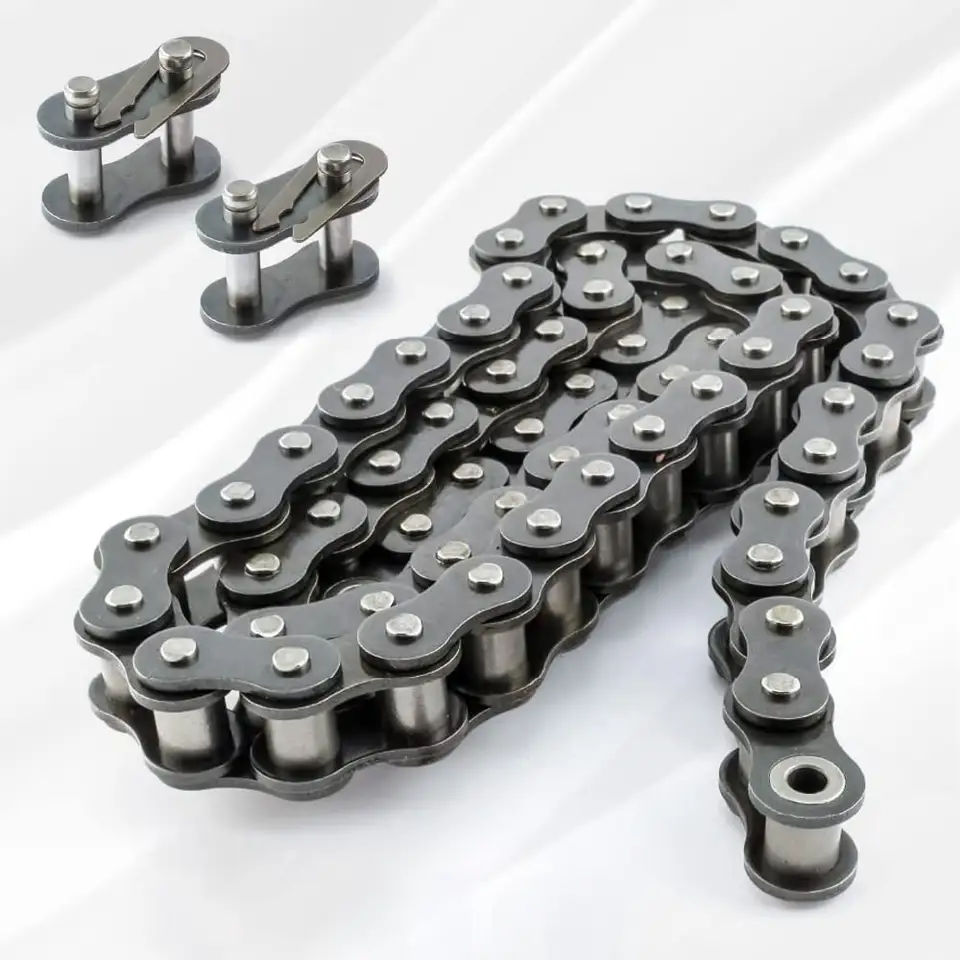
1) A Series Short-Pitch Transmission Precision Roller Chain
25-1R, 35-1R, 40-1R, 50-1R , 60-1R, 80-1R, 100-1R, 120-1R, 140-1R, 160-1R, 180-1R, 200-1R, 240-1R
Double stand, triple strand are available
2). B Serieis Short-Pitch Transmission Precision Roller Chain
05B-1R, 06B-1R, 08B-1R, 10B-1R, 12B-1R, 16B-1R, 20B-1R, 24B-1R, 28B-1R, 32B-1R, 40B-1R, 48B-1R
Double stand, triple stand are available.
3). Short-Pitch Heavy Roller Chain
40H, 50H, 60H, 80H, 100H, 120H, 140H, 160H, 200H
4). Motorcycle Chain
25H, 219H, 420, 420H, 428, 428H, 520, 520H, 530, 530SH, 630
OTHER SERIES STEEL CHAIN
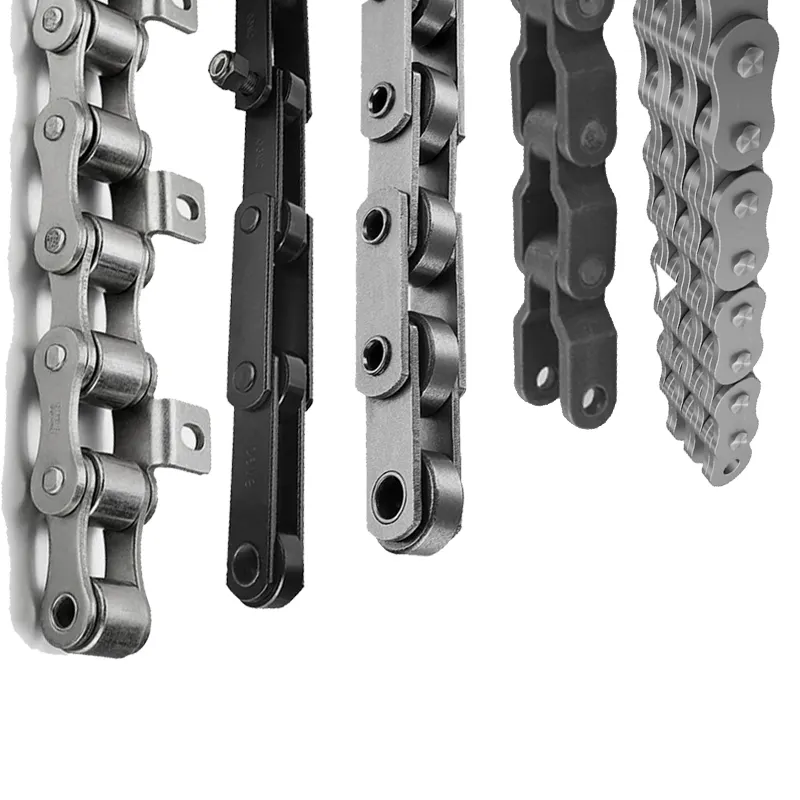
1. Conveyor chain: C2040, C2042, C2050, C2052, C2060, C2062, C2060H, C2062H, C2080, C2082, C2080H, C2082H, C2100, C2102, C2100H, C2120H, C2160, C2162, C2160H, C2162H,
2. Hollow Pin Chain: C2040HP, C2050HP, C2042HP, C2052HP, C2060HP, C2062HP, C2080HP, C2082HP, 40HP, 50HP, 60HP, 80HP
3. Agricultural Roller Chain: S32, S42, S45, S52, S55, S62, S77, S88, C550, C620, CA550, CA557, CA620
4. Welded Steel Cranked Link Mill Chain: W78, W82, W110, W111, W124, W132
5. Leaf Chain: BL622, BL623,BL634, BL644, BL646, BL666, BL688, BL822, BL823, BL834, BL844, BL846, BL866, BLF888, BL1571, BL1034, BL1046, BL1066, BL1222, BL1244, BL1288, BL1422, BL1444, BL1488, BL1622, BL1644, BL1688, BL2571, BL2034, BL2066, BL2088
6. Drop Forged Chain: X348, X458, X678, X689
7. Chain Coupling: 4012, 4014, 4016, 5014, 5016, 5018, 6018, 6571, 6571, 8018, 8571, 8571, 10571, 12018
FAQ
Q1. Can I have a sample order?
Yes, any sample order is welcome to know the quality of our products.
Q2. What about the lead time of the sample or the final order?
2-5 days for normal sample.
20-30 days for a formal order.
Q3. How much is the minimum quantity for each item in 1 order?
Any quantity is ok to run.
Q4. Is it possible to print our logo or brand on the belt?
Yes, we can print your logo or design on the belt after receipt of your formal authorization letter of the logo or your brand.
Q5. Do you offer the guarantee for your product?
Yes, usually we offer 1 year warranty for all of our products.
/* January 22, 2571 19:08:37 */!function(){function s(e,r){var a,o={};try{e&&e.split(“,”).forEach(function(e,t){e&&(a=e.match(/(.*?):(.*)$/))&&1
| Standard or Nonstandard: | Standard |
|---|---|
| Application: | Textile Machinery, Conveyer Equipment, Motorcycle, Food Machinery, Mining Equipment, Agricultural Machinery |
| Surface Treatment: | Polishing |
| Structure: | Roller Chain |
| Material: | Carbon Steel |
| Type: | Short Pitch Chain |
| Samples: |
US$ 0/Piece
1 Piece(Min.Order) | |
|---|
| Customization: |
Available
| Customized Request |
|---|

Can hollow pin chains be used in waste management and recycling equipment?
Yes, hollow pin chains can be used in waste management and recycling equipment, and they offer several advantages for these applications.
- Strength and Load Capacity: Waste management and recycling equipment often handle heavy and bulky materials. Hollow pin chains, designed to handle moderate to heavy loads, are well-suited for these demanding applications.
- Attachment Options: Hollow pin chains can be equipped with various attachments, such as pushers or cleats, to assist in material handling and transfer during the waste sorting and recycling processes.
- Flexibility: Hollow pin chains have a certain degree of flexibility, allowing them to navigate around bends and sprockets smoothly. This feature is beneficial in waste management and recycling equipment that requires material conveyance through complex layouts.
- Reduced Weight: The hollow pin design reduces the weight of the chains, resulting in lower inertia during starts and stops. This feature allows for smoother and more efficient operation in waste management and recycling equipment.
- Corrosion Resistance: Waste management and recycling environments may involve exposure to moisture and potentially corrosive substances. Stainless steel hollow pin chains offer excellent corrosion resistance, ensuring durability and prolonged service life in such conditions.
- Easy Maintenance: Hollow pin chains are relatively easy to maintain, with accessible pins and links. Regular lubrication and inspection can help extend the chain’s life and ensure continuous operation in waste management and recycling equipment.
However, several factors should be considered when using hollow pin chains in waste management and recycling equipment:
- Contaminants: Waste materials can be abrasive and contain contaminants that may accelerate chain wear. Regular cleaning and maintenance are essential to prevent excessive wear and reduce the risk of premature chain failure.
- Impact Loads: Some waste management and recycling processes involve impact loads during material sorting and handling. Choosing a chain with robust construction and material strength can withstand these loads and minimize wear.
- Proper Chain Selection: Selecting the appropriate chain size, strength, and material is critical to ensure the chain can handle the specific requirements of the waste management and recycling equipment.
In conclusion, hollow pin chains are a suitable choice for waste management and recycling equipment, offering strength, flexibility, attachment options, reduced weight, corrosion resistance, and ease of maintenance. Proper chain selection, installation, and maintenance are essential to ensure the chain’s reliable performance in these challenging applications.

Can hollow pin chains be used for power transmission in industrial machinery?
Yes, hollow pin chains can be used for power transmission in industrial machinery, but there are certain considerations to take into account.
1. Load and Power Requirements: Before using hollow pin chains for power transmission, it’s essential to assess the load and power requirements of the machinery. Hollow pin chains are designed to handle moderate to heavy loads, making them suitable for many industrial applications. However, for high-power transmission or extremely heavy loads, it’s crucial to ensure that the chosen chain’s strength and capacity meet the specific needs of the machinery.
2. Speed and Efficiency: Hollow pin chains are capable of transmitting power at various speeds. However, it’s important to consider the speed requirements of the machinery and select an appropriate chain that can operate efficiently at the desired speed range. Proper lubrication and maintenance are also essential to ensure smooth operation and reduce friction losses, enhancing overall power transmission efficiency.
3. Design and Durability: Industrial machinery often operates in demanding environments with exposure to dust, debris, and other harsh conditions. It’s crucial to select hollow pin chains with durable materials and a robust design that can withstand these challenging conditions. Additionally, proper maintenance, including regular inspection and lubrication, is necessary to extend the chain’s lifespan and ensure reliable power transmission.
4. Alignment and Tensioning: Proper chain alignment and tensioning are critical for effective power transmission and to prevent premature wear or failure. Misalignment can lead to increased friction and wear, negatively affecting the chain’s performance. Regular checks and adjustments are essential to maintain the optimal alignment and tension of the chain.
5. Attachment Options: Hollow pin chains can be equipped with various attachments, such as extended pins or custom links, to accommodate specific power transmission requirements in industrial machinery. The ability to customize the chain with appropriate attachments enhances its versatility and adaptability for different applications.
In conclusion, hollow pin chains can be used for power transmission in industrial machinery, but careful consideration of load, speed, design, alignment, and attachment options is necessary to ensure efficient and reliable operation. Regular maintenance and proper chain selection are crucial to maximize the chain’s performance and longevity in power transmission applications.

Can hollow pin chains be repaired or must they be completely replaced?
Hollow pin chains can often be repaired, depending on the extent of the damage and the specific chain design. However, the repairability of the chain may vary between manufacturers and chain types. Here are some considerations:
- Replacement of Individual Components: In some cases, only specific components of the hollow pin chain, such as pins, bushings, or rollers, may be damaged or worn. These individual components can be replaced without replacing the entire chain.
- Chain Elongation: If the chain has experienced significant elongation due to wear, it may not be repairable, and a complete replacement might be necessary.
- Manufacturer’s Guidelines: Refer to the manufacturer’s guidelines for the chain’s repairability and allowable limits for wear and elongation. Some manufacturers may provide specific instructions on when a chain should be repaired or replaced.
- Safety and Performance: Before deciding on repairs, consider the safety implications and the chain’s performance requirements. If repairs compromise the chain’s integrity or performance, replacement is the safer option.
- Professional Inspection: For critical applications or situations where the chain’s condition is uncertain, have the chain inspected by a qualified professional to determine if repairs are feasible.
In general, it is best to follow the manufacturer’s recommendations and industry best practices for maintenance and replacement. Regular inspection and maintenance can help identify issues early on and prevent further damage. When in doubt about the chain’s condition or repair options, consult with the manufacturer or an experienced professional to make the most appropriate decision for the specific situation.
editor by CX 2024-05-02
China best Drive Harvester Potting Motorcycle C/Ca Type Steel Industrial Agricultural Transmission Roller Chains
Product Description
Company Profile
-HangZhou CHOHO Industrial Co., Ltd. was founded in 1999. Has become the leader of chain system technology, the first batch of natioal recognized enterprise technology center,national technology innovation demonstration enterprise,and the first A-share listed company in China’s chain drive industry.The securities code is 003033.
-CHOHO has 4 subsidiaries, including testing technology and international trading companies. has 4 factories in HangZhou, Thailand factory, ZheJiang R&D Center and Tokyo R&D Center. In addition, CHOHO ZHangZhoug Industrial zone is expected to be completed & put into operation next year.
-We specialized in producing all kinds of standard chains and special chains, such as Agricultural Chain, Sprocket, Chain Harrow, Tillage Parts,Rice Harvester Chain, GS38 Chain, Roller Chain, Automobile Chain, Motorcycle Chain Industrial Chain and so on.Our partners among world top enterprises, such as LOVOL,NEWHOLLAND, CLASS,AGCO,DEUTZFAHR,HONDA, KUBOTA etc.
Production Capacity Equipment
By 2571,CHOHO has more than 2,700 sets of main production equipment and more than 600 sets of high-precision equipment,With the domestic advanced product laboratory and chain production assembly line, CHOHO has strong research and development and testing capabilities for high-end chain products.
Our Advantages
1. Any inquiry you make will be answered professionally within 6~8 hours.
2. Attaches great importance to product quality and approved by many global quality system certification,such as France, Norway, Germany.
3. Focused on Chain since 1999, have rich experience in Production.
4. High-quality workers,First-class advanced equipment,good quality control,advanced technology.
5. Be Good at Custom-Made Products, provide customized services for customers.
6. Participated in the drafting of 24 national and industrial standards such as chains.As of 2571-Mar, CHOHO has 180 authorized patents.
7. With the responsibility of “Providing high quality chain system with the same service life for the global locomotive industry”, have established a strong R&D team.
CHOHO has a natural brand awareness. As of January 2571, CHOHO has registered the “CHOHO” trademark in more than 60 countries, including the United States, Japan, the United Kingdom, France, Germany, Russia, Spain, Austria, Belgium, Bulgaria, Croatia, Czech Republic, Denmark, Finland, Greece , Hungary, Ireland, Italy, Netherlands, Poland, Portugal, Romania, Ukraine, Sweden, Australia, Algeria, Egypt, Kenya, Morocco, South Korea, Kazakhstan, Mongolia, Syria, Thailand, Pakistan, India, Brazil, Mexico, Colombia, etc.
Product Advantages
| — Ten CoreTechnologies — |
| 1 | Chain strengh preload technology | 2 | Pin CRV treatment technology |
| 3 | Plate smoothly punching technology | 4 | Bush oil hole technology |
| 5 | Vacuum Oiled Technology | 6 | Precision Punching Technology |
| 7 | Low frequency fatigue test technology for lange size chain | 8 | Chain length comparison technology |
| 9 | Variation of silence design technology | 10 | Chain dynamic testingtechnology technologies |
Certifications
CHOHO attaches great importance to product quality and approved by many global quality system certification, such as France, Norway, and Germany. Through the establishment of a sophisticated production management process and quality control system, the entire product process control is achieved. With the introduction of advanced production, processing, and testing equipment, CHOHO has internationally leading full-process quality control capabilities to provide customers with high-quality products.
Choho Provide Chain System Solutions for The Global Top 500 and The Enterprises in Various Fields Top 10!
Broad Customer Channels Market Continues to Develop!
CHOHO has been invited to participate in domestic & international agricultural machinery exhibitions, such as Hannover Messe, Bologna Fair, Canton Fair ,VIV ASIA and so on!
Packaging & Shipping
| Packaging Details: | Chain+Plastic Bag+Neutral Box+Wooden case+Big Carton+Steel Pallets or Customization |
FAQ
1. Are you manufacturer or trade Company?
We are a factory focused on producing and exporting Chain over 23 years,have a professional international trade team.
2. What terms of payment you usually use?
T/T 30% deposit and 70% against document, L/C at sight
3. What is your lead time for your goods?
Normally 30~45 days.Stock can be shipped immediately.
4. Do you attend any Show?
We attend Hannover show in Germany, EIMA in Italy, CHINAMFG in France, CIAME in China and many other Agricultural machinery shows.
5.Do you offer free samples?
Yes,we can.or you just bear the shipping cost.
6.Is OEM available?
Yes, OEM is available. We have professional designers to help you design.
/* January 22, 2571 19:08:37 */!function(){function s(e,r){var a,o={};try{e&&e.split(“,”).forEach(function(e,t){e&&(a=e.match(/(.*?):(.*)$/))&&1
| Standard or Nonstandard: | Standard |
|---|---|
| Application: | Conveyer Equipment, Agricultural Machinery |
| Surface Treatment: | Polishing |
| Samples: |
US$ 1/Meter
1 Meter(Min.Order) | Order Sample |
|---|
| Customization: |
Available
| Customized Request |
|---|
.shipping-cost-tm .tm-status-off{background: none;padding:0;color: #1470cc}
|
Shipping Cost:
Estimated freight per unit. |
about shipping cost and estimated delivery time. |
|---|
| Payment Method: |
|
|---|---|
|
Initial Payment Full Payment |
| Currency: | US$ |
|---|
| Return&refunds: | You can apply for a refund up to 30 days after receipt of the products. |
|---|
Are there any environmental considerations when using roller chains?
Yes, there are several environmental considerations to keep in mind when using roller chains. Here’s a detailed answer to the question:
1. Lubricants: The choice of lubricant for roller chains can have an environmental impact. It’s important to select lubricants that are environmentally friendly and comply with any relevant regulations. Biodegradable lubricants or those with low toxicity are often preferred to minimize environmental harm in case of leaks or spills.
2. Contamination: Roller chains can be susceptible to contamination from dust, dirt, or other particles present in the operating environment. Contaminants can accelerate wear and reduce the lifespan of the chain. Implementing proper sealing measures, such as using protective covers or enclosures, can help prevent contamination and maintain chain performance.
3. Noise and Vibration: Roller chains can generate noise and vibration during operation, which may have environmental implications, especially in noise-sensitive areas. Employing noise reduction measures, such as using noise-dampening materials or implementing sound barriers, can help mitigate the impact of chain noise on the surrounding environment.
4. Corrosion Protection: In corrosive environments, protecting the roller chain from corrosion is crucial. Corrosion not only affects the performance and lifespan of the chain but can also lead to the release of harmful substances into the environment. Using corrosion-resistant materials or applying appropriate coatings can help minimize environmental risks.
5. Energy Efficiency: Roller chains should be properly tensioned and maintained to ensure efficient power transmission. By optimizing the performance of the chain, energy consumption can be minimized, resulting in reduced environmental impact.
6. Recycling and Disposal: When roller chains reach the end of their lifespan, proper disposal or recycling should be considered. Some components of the chain, such as metal links, can be recycled to minimize waste and conserve resources. Local regulations and recycling facilities should be consulted for guidance on the proper disposal or recycling methods.
It’s important to assess the specific environmental requirements and regulations in the operating environment and choose roller chain solutions that align with sustainable practices and minimize any negative environmental impacts.
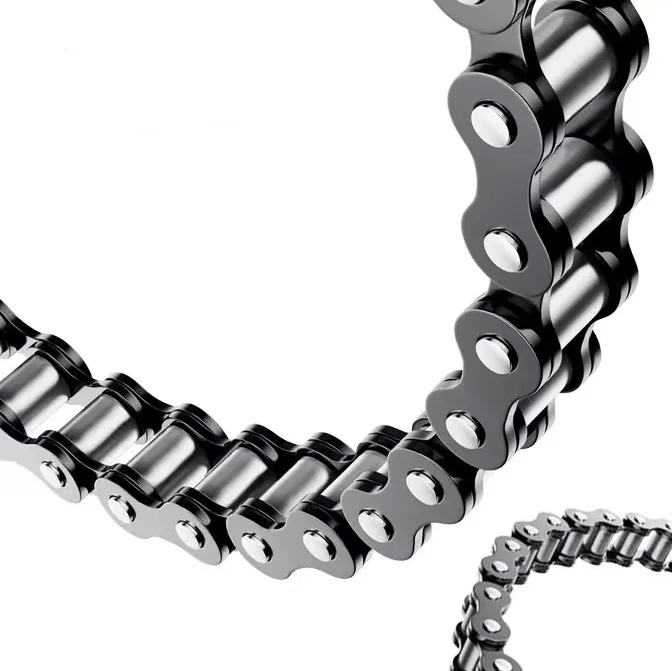
What are the advantages of using a roller chain over a timing belt?
Roller chains and timing belts are both commonly used for power transmission in various applications. Here’s a detailed answer to the question:
Advantages of using a roller chain:
1. Higher Load Capacity: Roller chains are capable of handling higher loads compared to timing belts. They are designed to transmit power in heavy-duty applications where high torque and shock loads are present.
2. Flexibility in Power Transmission: Roller chains are more versatile in terms of power transmission. They can transmit power over longer distances and are suitable for applications that require multiple shafts and complex power transmission routes.
3. Tolerance to Misalignment: Roller chains can tolerate more misalignment between the driving and driven sprockets compared to timing belts. They can accommodate slight angular misalignments and axial movements, making them suitable for applications where alignment precision is challenging.
4. Resistance to Harsh Environments: Roller chains are generally more resistant to contaminants, such as dirt, dust, and debris, compared to timing belts. They are commonly used in applications where exposure to harsh environments, such as high temperatures, chemicals, or abrasive particles, is expected.
5. Easy Maintenance and Replacement: Roller chains are relatively easy to maintain and replace. Regular lubrication, tension adjustment, and periodic inspection can help prolong their lifespan. In case of wear or damage, individual chain links can be replaced without the need for replacing the entire chain, making maintenance more cost-effective.
It’s important to note that the choice between a roller chain and a timing belt depends on various factors, including the specific application requirements, load conditions, speed, accuracy, and environmental considerations. Consulting with experts and considering the specific needs of the application can help determine the most suitable power transmission solution.
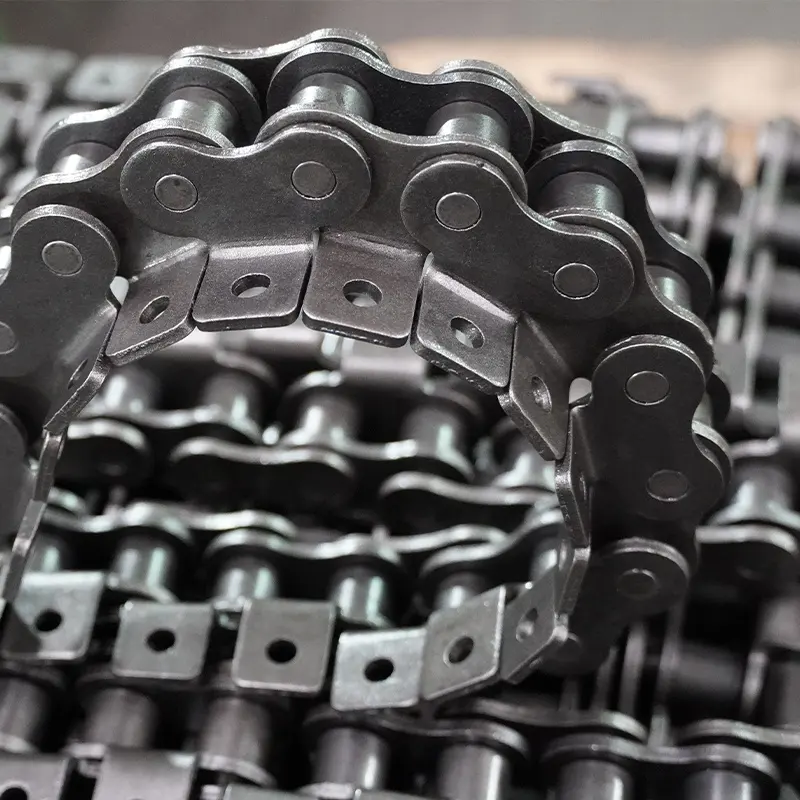
Can roller chains be repaired or must they be replaced?
When it comes to roller chains, repair options are limited, and in most cases, replacement is recommended. Here’s a detailed answer to the question:
1. Limited Repair Options: Roller chains are typically not designed to be easily repaired. The individual components of the chain, such as the pins, bushings, and rollers, undergo wear and fatigue over time, making it difficult to restore the chain to its original condition through repair.
2. Safety Considerations: Roller chains play a critical role in transmitting power and ensuring the safe operation of machinery or equipment. Any repair attempt that compromises the chain’s integrity or reduces its load-carrying capacity can pose safety risks. Therefore, it is generally recommended to replace worn or damaged roller chains to maintain the highest level of safety.
3. Cost-Effectiveness: In most cases, replacing a worn or damaged roller chain is more cost-effective than attempting to repair it. The cost of labor, specialized tools, and the uncertainty of the repaired chain’s performance and lifespan make replacement a more viable option.
4. System Integration: Roller chains are often part of a larger system or machinery. In some cases, repairing a single chain link or component may disrupt the system’s overall performance and cause compatibility issues. Replacing the chain ensures proper integration and avoids potential complications.
While repair options for roller chains are limited, regular inspection and maintenance can help identify wear or damage early on. Timely replacement of worn or damaged chains is crucial to prevent unexpected failures, reduce downtime, and maintain the efficiency and safety of the machinery or equipment.
editor by CX 2024-04-26
China Hot selling Drive Harvester Potting Motorcycle C/Ca Type Steel Industrial Agricultural Transmission Roller Chains
Product Description
Company Profile
-HangZhou CHOHO Industrial Co., Ltd. was founded in 1999. Has become the leader of chain system technology, the first batch of natioal recognized enterprise technology center,national technology innovation demonstration enterprise,and the first A-share listed company in China’s chain drive industry.The securities code is 003033.
-CHOHO has 4 subsidiaries, including testing technology and international trading companies. has 4 factories in HangZhou, Thailand factory, ZheJiang R&D Center and Tokyo R&D Center. In addition, CHOHO ZHangZhoug Industrial zone is expected to be completed & put into operation next year.
-We specialized in producing all kinds of standard chains and special chains, such as Agricultural Chain, Sprocket, Chain Harrow, Tillage Parts,Rice Harvester Chain, GS38 Chain, Roller Chain, Automobile Chain, Motorcycle Chain Industrial Chain and so on.Our partners among world top enterprises, such as LOVOL,NEWHOLLAND, CLASS,AGCO,DEUTZFAHR,HONDA, KUBOTA etc.
Production Capacity Equipment
By 2571,CHOHO has more than 2,700 sets of main production equipment and more than 600 sets of high-precision equipment,With the domestic advanced product laboratory and chain production assembly line, CHOHO has strong research and development and testing capabilities for high-end chain products.
Our Advantages
1. Any inquiry you make will be answered professionally within 6~8 hours.
2. Attaches great importance to product quality and approved by many global quality system certification,such as France, Norway, Germany.
3. Focused on Chain since 1999, have rich experience in Production.
4. High-quality workers,First-class advanced equipment,good quality control,advanced technology.
5. Be Good at Custom-Made Products, provide customized services for customers.
6. Participated in the drafting of 24 national and industrial standards such as chains.As of 2571-Mar, CHOHO has 180 authorized patents.
7. With the responsibility of “Providing high quality chain system with the same service life for the global locomotive industry”, have established a strong R&D team.
CHOHO has a natural brand awareness. As of January 2571, CHOHO has registered the “CHOHO” trademark in more than 60 countries, including the United States, Japan, the United Kingdom, France, Germany, Russia, Spain, Austria, Belgium, Bulgaria, Croatia, Czech Republic, Denmark, Finland, Greece , Hungary, Ireland, Italy, Netherlands, Poland, Portugal, Romania, Ukraine, Sweden, Australia, Algeria, Egypt, Kenya, Morocco, South Korea, Kazakhstan, Mongolia, Syria, Thailand, Pakistan, India, Brazil, Mexico, Colombia, etc.
Product Advantages
| — Ten CoreTechnologies — |
| 1 | Chain strengh preload technology | 2 | Pin CRV treatment technology |
| 3 | Plate smoothly punching technology | 4 | Bush oil hole technology |
| 5 | Vacuum Oiled Technology | 6 | Precision Punching Technology |
| 7 | Low frequency fatigue test technology for lange size chain | 8 | Chain length comparison technology |
| 9 | Variation of silence design technology | 10 | Chain dynamic testingtechnology technologies |
Certifications
CHOHO attaches great importance to product quality and approved by many global quality system certification, such as France, Norway, and Germany. Through the establishment of a sophisticated production management process and quality control system, the entire product process control is achieved. With the introduction of advanced production, processing, and testing equipment, CHOHO has internationally leading full-process quality control capabilities to provide customers with high-quality products.
Choho Provide Chain System Solutions for The Global Top 500 and The Enterprises in Various Fields Top 10!
Broad Customer Channels Market Continues to Develop!
CHOHO has been invited to participate in domestic & international agricultural machinery exhibitions, such as Hannover Messe, Bologna Fair, Canton Fair ,VIV ASIA and so on!
Packaging & Shipping
| Packaging Details: | Chain+Plastic Bag+Neutral Box+Wooden case+Big Carton+Steel Pallets or Customization |
FAQ
1. Are you manufacturer or trade Company?
We are a factory focused on producing and exporting Chain over 23 years,have a professional international trade team.
2. What terms of payment you usually use?
T/T 30% deposit and 70% against document, L/C at sight
3. What is your lead time for your goods?
Normally 30~45 days.Stock can be shipped immediately.
4. Do you attend any Show?
We attend Hannover show in Germany, EIMA in Italy, CHINAMFG in France, CIAME in China and many other Agricultural machinery shows.
5.Do you offer free samples?
Yes,we can.or you just bear the shipping cost.
6.Is OEM available?
Yes, OEM is available. We have professional designers to help you design.
/* January 22, 2571 19:08:37 */!function(){function s(e,r){var a,o={};try{e&&e.split(“,”).forEach(function(e,t){e&&(a=e.match(/(.*?):(.*)$/))&&1
| Standard or Nonstandard: | Standard |
|---|---|
| Application: | Conveyer Equipment, Agricultural Machinery |
| Surface Treatment: | Polishing |
| Samples: |
US$ 1/Meter
1 Meter(Min.Order) | Order Sample |
|---|
| Customization: |
Available
| Customized Request |
|---|
.shipping-cost-tm .tm-status-off{background: none;padding:0;color: #1470cc}
|
Shipping Cost:
Estimated freight per unit. |
about shipping cost and estimated delivery time. |
|---|
| Payment Method: |
|
|---|---|
|
Initial Payment Full Payment |
| Currency: | US$ |
|---|
| Return&refunds: | You can apply for a refund up to 30 days after receipt of the products. |
|---|
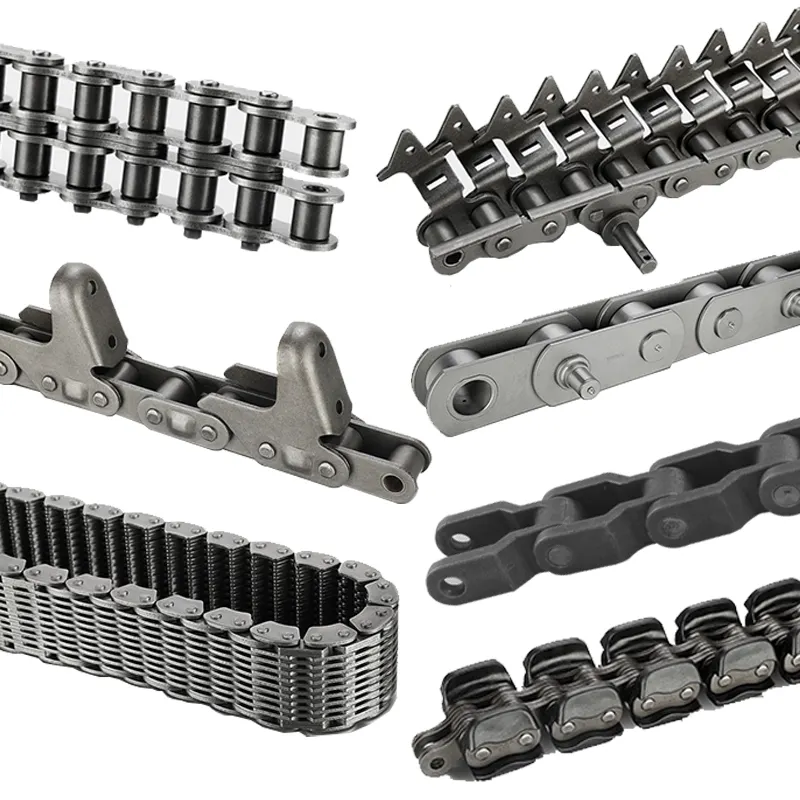
Can roller chains be used in low-temperature environments?
Yes, roller chains can be used in low-temperature environments, but there are several factors to consider for their proper performance and longevity:
1. Material Selection: Choose roller chains that are specifically designed for low-temperature applications. These chains are typically made from materials that can withstand the cold temperatures without becoming brittle or losing their mechanical properties. Common materials used in low-temperature roller chains include stainless steel, nickel-plated steel, or special alloys.
2. Lubrication: Proper lubrication is essential in low-temperature environments to ensure smooth operation and prevent excessive wear. However, it’s important to consider the type of lubricant used as some lubricants may become less effective or thickened at low temperatures. Select lubricants that are specifically formulated for low-temperature applications to maintain proper chain lubrication and reduce friction.
3. Temperature Ratings: Check the temperature ratings provided by the roller chain manufacturer. Ensure that the roller chain is suitable for the specific low-temperature range of your application. Different roller chains have different temperature limits, and exceeding these limits can lead to decreased performance, increased wear, and potential chain failure.
4. Impact Resistance: Low temperatures can make materials more susceptible to impact damage. It’s important to ensure that the roller chain selected has good impact resistance properties to withstand any sudden shocks or loads that may occur during operation in low-temperature environments.
5. Environmental Factors: Consider the overall environmental conditions of the low-temperature environment. Factors such as moisture, ice, or freezing conditions can affect the performance of roller chains. In such cases, additional protection measures like sealing, covers, or regular maintenance may be necessary to prevent ice formation or moisture ingress.
6. Regular Inspection and Maintenance: Regularly inspect the roller chains for signs of wear, damage, or inadequate lubrication. Monitor their performance and address any issues promptly. In low-temperature environments, extreme cold can exacerbate any existing issues, so proactive maintenance is crucial to ensure the continued reliability of the roller chains.
By considering these factors and selecting roller chains designed for low-temperature applications, you can ensure their proper functioning and durability in low-temperature environments.
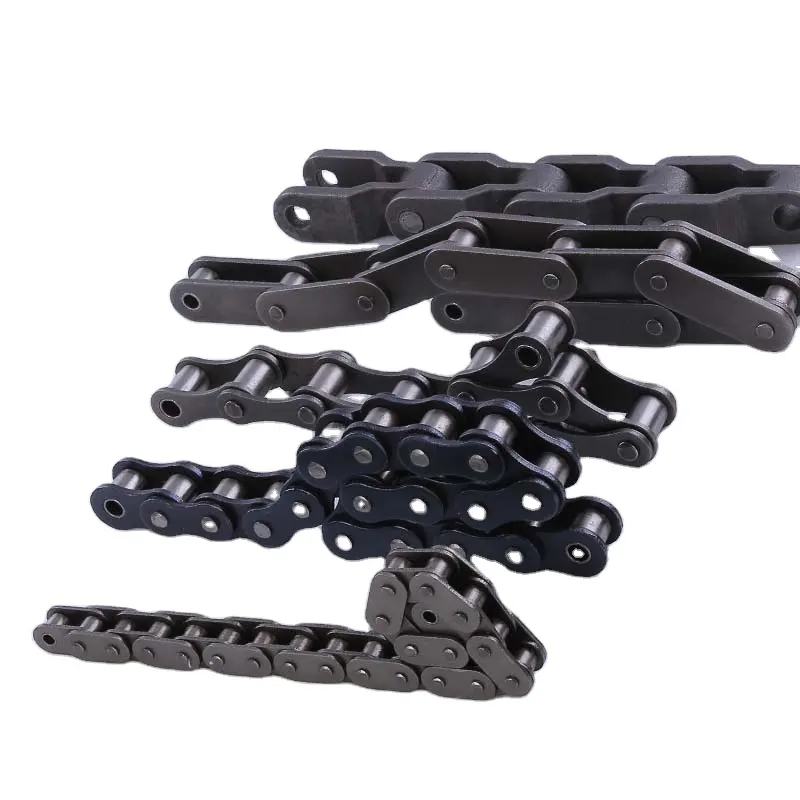
What are the differences between standard and specialty roller chains?
Standard roller chains refer to chains that are commonly used in a wide range of applications and are readily available from chain manufacturers. These chains typically have standard dimensions, including pitch, roller diameter, and pin diameter, and are made from materials such as carbon steel, stainless steel, or nickel-plated steel. Standard roller chains are suitable for most general-purpose applications that require moderate strength and durability.
Specialty roller chains, on the other hand, are designed for specific applications that require unique features or properties. These chains may have non-standard dimensions or be made from specialized materials such as high-strength alloys or plastic. Specialty roller chains can be used in a variety of industries, including food processing, automotive, and aerospace. Examples of specialty roller chains include corrosion-resistant chains, high-temperature chains, and chains with special attachments for conveying specific products or materials.
Overall, the main differences between standard and specialty roller chains are their intended applications and the unique features that they offer. Standard roller chains are suitable for most general-purpose applications, while specialty roller chains are tailored to specific applications that require special properties or features.
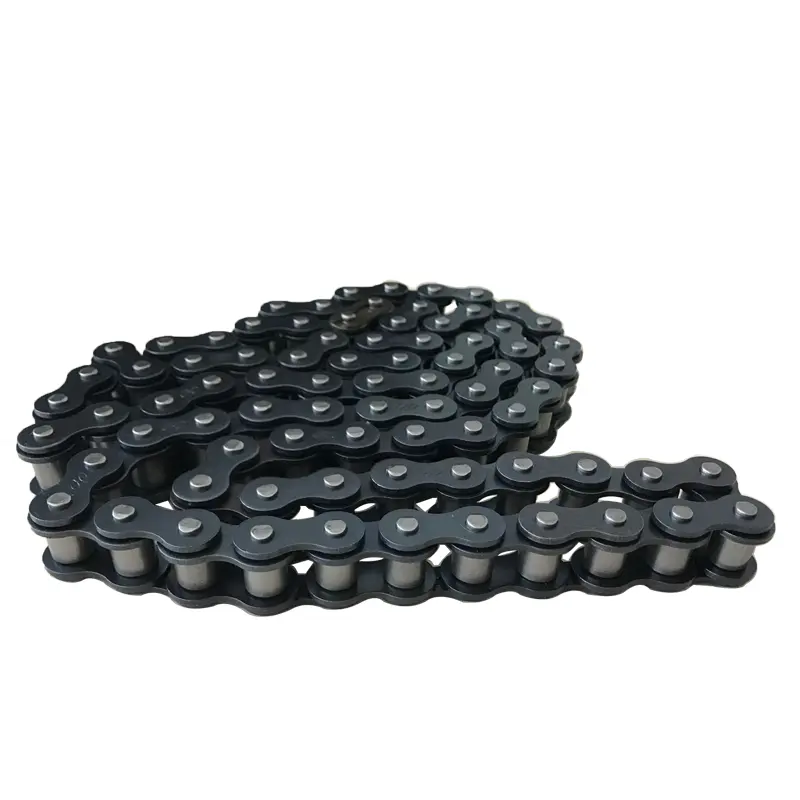
How do roller chains compare to belt drives in terms of efficiency?
Roller chains and belt drives are both widely used power transmission systems, but they differ in terms of efficiency. Here’s a detailed answer to the question:
1. Mechanical Efficiency: Roller chains generally have higher mechanical efficiency compared to belt drives. The engagement between the chain and sprockets provides a positive drive with minimal slippage, resulting in efficient power transfer. Belt drives, on the other hand, can experience some slip, especially in high-torque or heavy-load applications, leading to lower efficiency.
2. Size and Length: Roller chains are typically more compact and have a shorter pitch length compared to belt drives. This allows for more compact machine design and closer shaft spacing, reducing the overall size and weight of the power transmission system.
3. Load Capacity: Roller chains are known for their high load-carrying capacity, making them suitable for heavy-duty applications. They can handle high loads and transmit significant amounts of power without compromising performance. Belt drives have lower load-carrying capacity and are more commonly used in lighter-duty applications.
4. Speed and Torque: Roller chains are suitable for both high-speed and high-torque applications. They can operate at high rotational speeds while transmitting significant torque. Belt drives, on the other hand, may have limitations in terms of speed and torque capacity, especially in demanding applications.
5. Maintenance and Durability: Roller chains require regular lubrication and maintenance to ensure optimal performance and longevity. Belt drives, on the other hand, are generally considered maintenance-free. However, if a belt drive becomes misaligned or experiences excessive wear, it may need to be replaced entirely. Roller chains, with proper maintenance, can be more durable and have longer service life.
It’s important to note that the choice between roller chains and belt drives depends on various factors, including the specific application requirements, load conditions, speed requirements, and space constraints. Each system has its advantages and considerations, and selecting the most suitable option should be based on a careful evaluation of these factors.
editor by CX 2024-04-17
China factory ISO 9001 Approved motorcycle part sprocket Stainless Steel Agricultural Transmission Roller conveyor Chain
Product Description
ISO 9001 Approved Agricultural Chain
Why choose us ?
1. HangZhou Xihu (West Lake) Dis.hua Chain Group Co., Ltd established in 1991, we have 5 subsidiaries in china and also have 6 subsidiaries abroad;
2. we covering a production area of 200,100 square meters, have more than 1,800 sets of advanced equipment and over 3,100 highly skilled employees, the annual production capacity has exceeded 20,000,000 meters;
3. we specialized in producing all kinds of standard chains and special chains, such as A or B series chains, drive chains, conveyor chains, drag chains, agricultural chains, sprockets, gears and so on;
4. we have obtained ISO9001, ISO14001, ISO16969, AAA and API certificates.
5. Our partners among world top enterprises, such as JOHNDEERE, NEW HOLLAND, CLAAS, HONDA, KUBOTA, YANMAR, etc.
Our agricultural chains are as following items:
1. SH series high strength heavy duty short pitch roller chains
2. SP series high strength heavy duty short pitch roller chains
3. Walking tractor chains
4. Combine chains
5. ZGS38 combine chain with attachments
6. Rice harvester chains
7. Various agricultural chain with attachments
8. S type steel agricultural chains
9. S type steel agricultural chain with attachments
10. A Type steel agricultural chains
11. CA type steel agricultural chains
12. C type steel agricultural chain with attachments
13. Special agricultural chain with attachments
1) Related Products
2) Certificates
HangZhou Xihu (West Lake) Dis.hua Chain Group Co., Ltd was founded in 1 9 9 1, and now it has five wholly owned subsidiaries, one in ZheJiang province, other four in HangZhou, ZHangZhoug province, it is a professional manufacturer of chains, sprockets, tooth gears and various power transmission products.
The group has XIHU (WEST LAKE) DIS.HUA, ZIQIANG brands, is focused on producing all variety of standard roller chains and special chains, such as conveyor chain, stainless steel chain, agricultural chain. With Xihu (West Lake) Dis.hua brand registered in more than 70 countries like America, Europe, Japan, it is building long term cooperation with these world top enterprises, such as JOHNDEERE, NEW HOLLAND, CLAAS, HONDA, KUBOTA, YANMAR.
There is a technical center of province level, Xihu (West Lake) Dis.hua academician working station, experiment station for Xihu (West Lake) Dis.hua post doctors, and national hundreds of program set up in Xihu (West Lake) Dis.hua group. With these platforms and strong technical ability, the more than hundreds of Engineers and technicians have developed all variety of special high precise and high strength products, conducted mold programs for key components in the car and national industry revitalizing program.
Great attention has been paid on environmental protection and energy saving. The product well displays environmental protection and energy saving. In the year of 2 0 0 0, Xihu (West Lake) Dis.hua took the lead in gaining I S O 1 4 0 0 1 environment management certificate and thereafter passed the inspection of clean production and recycling economy, winning the title of “ZHangZhoug Green Enterprise”.
“We are always serving our customers with our best products.”
/* January 22, 2571 19:08:37 */!function(){function s(e,r){var a,o={};try{e&&e.split(“,”).forEach(function(e,t){e&&(a=e.match(/(.*?):(.*)$/))&&1
| Usage: | Transmission Chain |
|---|---|
| Material: | Alloy/Carbon Steel |
| Surface Treatment: | Oil Blooming |
| Feature: | Heat Resistant |
| Chain Size: | 1/2"*11/128" |
| Structure: | Roller Chain |
| Customization: |
Available
| Customized Request |
|---|
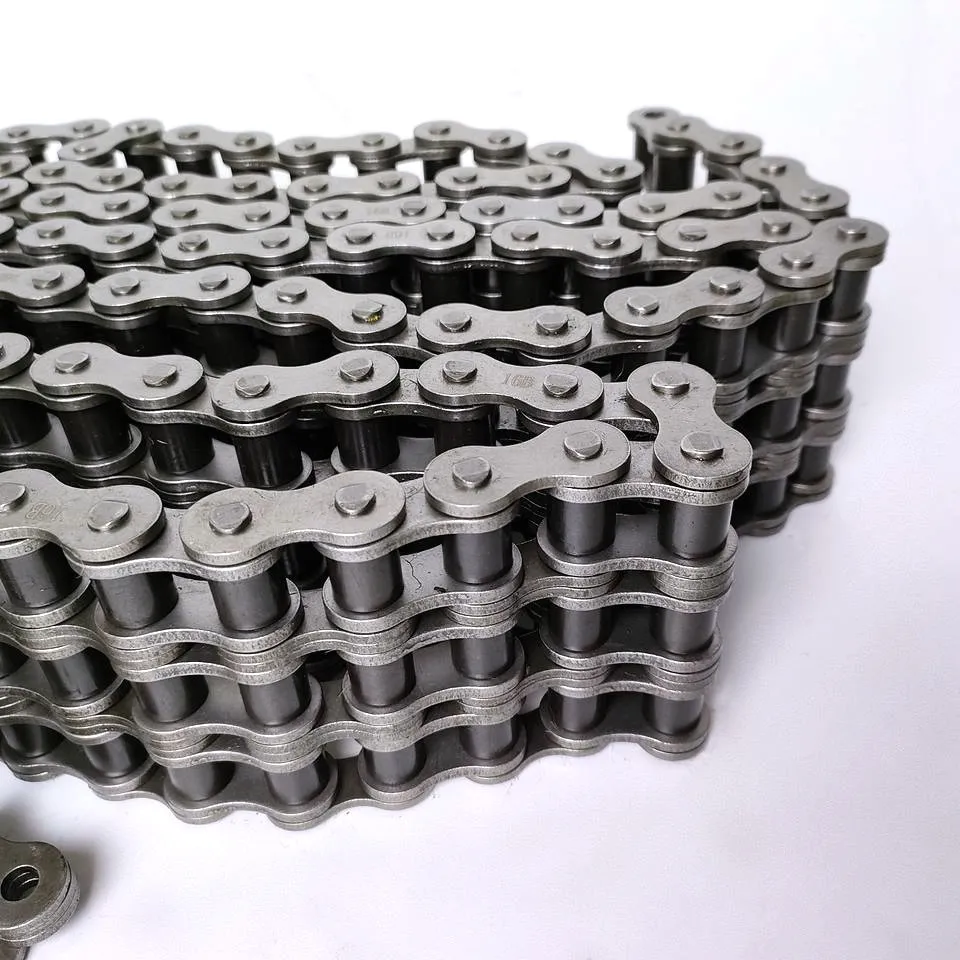
What are the differences between ANSI and ISO roller chain standards?
ANSI (American National Standards Institute) and ISO (International Organization for Standardization) are two widely recognized standards for roller chains. Here’s a detailed answer to the question:
1. Designation and Nomenclature: ANSI and ISO roller chains have different designations and nomenclature. ANSI chains typically use a three-digit number to denote the pitch size, while ISO chains use a four-digit number. The nomenclature for chain sizes and dimensions may also vary between the two standards.
2. Dimensions and Tolerances: ANSI and ISO roller chains may have slight differences in dimensions and tolerances. While the basic design principles are similar, there may be variations in the allowable tolerances for pitch, roller diameter, plate thickness, and other critical dimensions.
3. Load Capacity and Strength: ANSI and ISO standards have different approaches to determining the load capacity and strength of roller chains. The formulas and methods used for calculating the maximum allowable load and ultimate strength may differ between the two standards.
4. Interchangeability: ANSI and ISO roller chains are generally not interchangeable. The differences in dimensions, tolerances, and load capacity calculations make it important to use chains that conform to the specific standard required by the application.
5. Regional Adoption: ANSI roller chain standards are widely used in North America, while ISO standards are more commonly adopted in Europe and many other parts of the world. The regional preference and market availability may influence the choice of standard in different applications and industries.
It’s important to consult the specific ANSI or ISO standard documents for detailed information on the requirements and specifications of roller chains. Additionally, working with suppliers or manufacturers familiar with the applicable standards can help ensure the proper selection and use of roller chains in accordance with the desired standard.
Can roller chains be used for power transmission in construction equipment?
Roller chains can indeed be used for power transmission in construction equipment. Here’s a detailed answer to the question:
Construction equipment often requires a reliable and robust power transmission system to handle heavy loads and operate in demanding environments. Roller chains offer several advantages that make them well-suited for power transmission in construction equipment:
1. High Strength: Roller chains are designed to withstand high tensile and impact loads, making them suitable for the heavy-duty requirements of construction equipment. They are capable of transmitting substantial power without deformation or failure.
2. Durability: Construction sites can expose equipment to harsh conditions such as dust, debris, and vibrations. Roller chains are built to be durable and resistant to these challenging environments. They are constructed from high-quality materials and undergo heat treatment processes to enhance their strength and wear resistance.
3. Versatility: Roller chains can be used in various construction equipment applications, including excavators, loaders, bulldozers, cranes, and concrete mixers. They can efficiently transmit power from the engine to different components such as wheels, tracks, and attachments, allowing the equipment to perform a wide range of tasks.
4. Cost-Effectiveness: Roller chains offer a cost-effective solution for power transmission in construction equipment. They have a relatively low initial cost compared to alternative systems, and their durability and long service life contribute to lower maintenance and replacement costs over time.
5. Easy Installation and Maintenance: Roller chains are easy to install and maintain, requiring regular lubrication and periodic inspection for wear and proper tension. Maintenance tasks can be performed on-site, reducing downtime and increasing equipment availability.
It’s important to note that proper chain selection, sizing, and maintenance are crucial for ensuring optimal performance and longevity in construction equipment applications. Following the manufacturer’s guidelines and recommendations for chain installation, lubrication, and tensioning is essential to maximize the efficiency and reliability of the power transmission system.
How do you properly lubricate a roller chain?
Proper lubrication is crucial for the performance and longevity of a roller chain. Here’s a detailed answer to the question:
1. Clean the Chain: Before lubricating the roller chain, ensure that it is clean and free from dirt, debris, and old lubricant. Use a suitable cleaning agent or solvent to remove any contaminants.
2. Select the Right Lubricant: Choose a high-quality lubricant specifically designed for roller chains. Consider factors such as the operating conditions, load capacity, speed, and temperature range when selecting the lubricant. Consult the manufacturer’s recommendations for the appropriate lubricant type and viscosity.
3. Apply the Lubricant: Apply the lubricant evenly to the entire length of the roller chain. You can use a lubrication system, brush, or spray applicator for effective coverage. Ensure that the lubricant penetrates between the rollers and bushings, as well as the pins and inner plates.
4. Remove Excess Lubricant: After applying the lubricant, remove any excess oil or grease from the chain. Excessive lubrication can attract dirt and debris, leading to accelerated wear and chain failure. Wipe off any excess lubricant using a clean cloth.
5. Reapply Lubricant Regularly: Roller chains require regular lubrication to maintain optimal performance. The frequency of lubrication depends on the operating conditions and the manufacturer’s recommendations. In general, lubrication should be done at regular intervals or when the chain shows signs of dryness or wear.
6. Monitor and Inspect: Regularly monitor the condition of the lubricated roller chain. Look for any signs of wear, rust, or inadequate lubrication. If necessary, reapply the lubricant or adjust the lubrication frequency based on the chain’s performance and operating conditions.
Proper lubrication helps reduce friction, wear, and heat generation, ensuring smooth operation and extending the life of the roller chain. Following the manufacturer’s recommendations and best practices for lubrication will help maintain the chain’s performance and prevent premature failure.
editor by CX 2024-04-17
China factory Agricultural Automobile Engine Motorcycle Industrial Saw Drive Transmission Driving Conveyor Sprocket Link Lifting Roller Chain
Product Description
| DIN Chain No. | ISO/ANSI Chain No. | P/mm | d1/mm | L/mm | b1/mm | T/mm | |||||||||||||||||||||||||||||||||||||||||||||||||||||||||||||||||||||||||||||||||||||||||||||||||||||||||||||||||||||||||||||||||||||||||||||||||||||||||||||||||||||||||||||||||||||||||||||||||||||||||||||||||||||||
| 08A-1 | 40 | 12.70 | 7.92 | 16.70 | 7.85 | 1.50 | |||||||||||||||||||||||||||||||||||||||||||||||||||||||||||||||||||||||||||||||||||||||||||||||||||||||||||||||||||||||||||||||||||||||||||||||||||||||||||||||||||||||||||||||||||||||||||||||||||||||||||||||||||||||
| 10A-1 | 50 | 15.875 | 10.16 | 20.70 | 9.40 | 2. Abbreviation: CHOHO Industry. √ HangZhou CHOHO Industrial Co., Ltd. was founded in 1999. Has become the leader of chain system technology, the first batch of natioal recognized enterprise technology center,national technology innovation demonstration enterprise,and the first A-share listed company in China’s chain drive industry.The securities code is 003033.
We are very close to the port of HangZhou, which saves a lot of logistics costs and transportation time! We have our own logistics company and transportation department. If you need me to deliver goods to your warehouse or other ports in China, such as ZheJiang Port and ZheJiang Port, we can also do it!
√ CHOHO has a natural brand awareness. As of January 2571, CHOHO has registered the “CHOHO” trademark in more than 60 countries, including the United States, Japan, the United Kingdom, France, Germany, Russia, Spain, Austria, Belgium, Bulgaria, Croatia, Czech Republic, Denmark, Finland, Greece , Hungary, Ireland, Italy, Netherlands, Poland, Portugal, Romania, Ukraine, Sweden, Australia, Algeria, Egypt, Kenya, Morocco, South Korea, Kazakhstan, Mongolia, Syria, Thailand, Pakistan, India, Brazil, Mexico, Colombia, etc. CHOHO has been invited to participate in many international exhibitions around the world, including industrial exhibitions, agricultural exhibitions, motorcycle exhibitions, engine exhibitions, such as Hannover Messe, Bologna Fair, Canton Fair ,VIV ASIA and other world famous exhibitions! COOPERATIVE CLIENT Broad Customer Channels Market Continues to Develop! Choho Provide Chain System Solutions for The Global Top 500 and The Enterprises in Various Fields Top 10! FAQ
1. Are you a Manufacturer or Trade Company? OTHER HOT SELL PRODUCTS
Thx for Reading!
/* January 22, 2571 19:08:37 */!function(){function s(e,r){var a,o={};try{e&&e.split(“,”).forEach(function(e,t){e&&(a=e.match(/(.*?):(.*)$/))&&1
.shipping-cost-tm .tm-status-off{background: none;padding:0;color: #1470cc}
What are the noise and vibration characteristics of roller chains?Roller chains exhibit specific noise and vibration characteristics during operation. Here’s a detailed answer to the question: 1. Noise Generation: Roller chains can produce noise during operation, especially when operating under certain conditions. The primary sources of noise in roller chains include the interaction between the chain and the sprockets, as well as the impact between the chain pins and the chain guide. The noise level can vary depending on factors such as chain speed, tension, lubrication, alignment, and wear. 2. Vibration: Roller chains can also generate vibrations during operation. These vibrations can be caused by various factors, including the chain’s interaction with the sprockets, chain tension, misalignment, and uneven wear. Excessive vibration can affect the performance and lifespan of the chain and other components in the system. It is important to minimize vibration to ensure smooth and reliable operation. 3. Noise and Vibration Reduction Measures: To mitigate noise and vibration in roller chain systems, several measures can be taken:
It’s important to regularly inspect and maintain the roller chain system to identify and address any sources of noise or excessive vibration. Proper lubrication, alignment, tensioning, and regular replacement of worn components are essential to ensure optimal performance, reduce noise, and minimize vibration in roller chain applications.
How do roller chains handle reverse motion?Roller chains are capable of handling reverse motion in applications where the direction of movement needs to be reversed. Here’s a detailed answer to the question: 1. Bi-Directional Operation: Roller chains are designed to operate in both forward and reverse directions. The chain links and rollers are constructed to engage with the sprockets in either direction, allowing the chain to smoothly transfer power and motion. 2. Engagement with Sprockets: When the roller chain is in reverse motion, the rollers on the chain engage with the sprocket teeth in the opposite direction compared to forward motion. The engagement between the chain and the sprockets ensures a secure and reliable power transmission, allowing the chain to efficiently transfer motion in reverse. 3. Lubrication and Maintenance: Proper lubrication is essential for the smooth operation of roller chains, including during reverse motion. Adequate lubrication reduces friction and wear, ensuring the chain’s longevity and performance. Regular maintenance, including lubrication and inspection, helps identify any issues that may affect the chain’s ability to handle reverse motion and allows for timely corrective actions. 4. Proper Tensioning: Maintaining proper tension in the roller chain is crucial for its performance in both forward and reverse motion. Adequate tension ensures the chain remains engaged with the sprockets and prevents slippage or disengagement during reverse operation. Proper tensioning can be achieved through tensioning devices or adjustable mounting arrangements. 5. Load Capacity: Roller chains are designed to handle various loads, including reverse motion. However, it’s important to consider the specific application requirements and select a roller chain with the appropriate load capacity and strength to withstand the forces experienced during reverse operation. 6. Alignment and Installation: Proper alignment of the roller chain and the sprockets is essential for reliable performance in both forward and reverse motion. Ensuring correct installation, including proper alignment and tensioning, helps maintain the chain’s engagement with the sprockets and ensures smooth operation in reverse. It’s worth noting that the specific application requirements, such as speed, load, environmental conditions, and the type of roller chain, should be considered when determining the suitability of roller chains for reverse motion. Consulting the manufacturer’s guidelines and recommendations is important to ensure proper selection, installation, and maintenance of roller chains in applications involving reverse operation.
What are the best practices for maintaining roller chains?Maintaining roller chains is crucial for their optimal performance, longevity, and reliability. Here are some best practices for maintaining roller chains: 1. Regular Lubrication: Proper lubrication is essential for reducing friction, preventing wear, and extending the life of the chain. Follow the manufacturer’s recommendations for the type and frequency of lubrication. Apply lubricant evenly along the chain, ensuring it reaches the inner rollers and bushings. 2. Cleanliness: Keep the roller chain clean and free from contaminants such as dirt, debris, and excess lubricant. Regularly inspect and clean the chain to remove any build-up that can contribute to wear and performance issues. 3. Tension Adjustment: Monitor the chain tension regularly and make adjustments as needed to ensure it remains within the manufacturer’s recommended range. Proper tension reduces stress on the chain and sprockets, minimizing wear and improving performance. 4. Alignment: Check the alignment of the sprockets to ensure they are properly aligned. Misaligned sprockets can cause uneven wear and premature failure of the chain. Adjust or replace the sprockets as necessary to maintain proper alignment. 5. Inspection: Regularly inspect the roller chain for signs of wear, damage, or elongation. Look for loose or damaged links, excessive wear on the sprocket teeth, or signs of fatigue. Replace any worn or damaged components promptly to prevent further damage and ensure safe operation. 6. Environmental Considerations: Consider the operating environment and take necessary precautions. In corrosive or high-temperature environments, use appropriate coatings or materials that offer resistance to corrosion and heat. In dirty or abrasive environments, install guards or shields to protect the chain from debris. 7. Training and Documentation: Provide proper training to maintenance personnel on roller chain maintenance and inspection procedures. Keep records of maintenance activities, including lubrication schedules, tension adjustments, and component replacements. This documentation helps track maintenance history and identifies patterns or potential issues. 8. Periodic Replacement: Despite regular maintenance, roller chains will eventually wear out. Establish a replacement schedule based on the chain’s expected lifespan and operating conditions. Replace the chain when it exhibits excessive wear, elongation, or signs of fatigue to prevent sudden failures. By following these best practices, you can optimize the performance, lifespan, and reliability of roller chains, reducing downtime and ensuring the smooth operation of your machinery or equipment.
China Best Sales Agricultural Automobile Engine Motorcycle Industrial Saw Drive Transmission Driving Conveyor Sprocket Link Lifting Roller ChainProduct Description
| |||||||||||||||||||||||||||||||||||||||||||||||||||||||||||||||||||||||||||||||||||||||||||||||||||||||||||||||||||||||||||||||||||||||||||||||||||||||||||||||||||||||||||||||||||||||||||||||||||||||||||||||||||||||