Product Description
Product Description
Specification
|
Product Name |
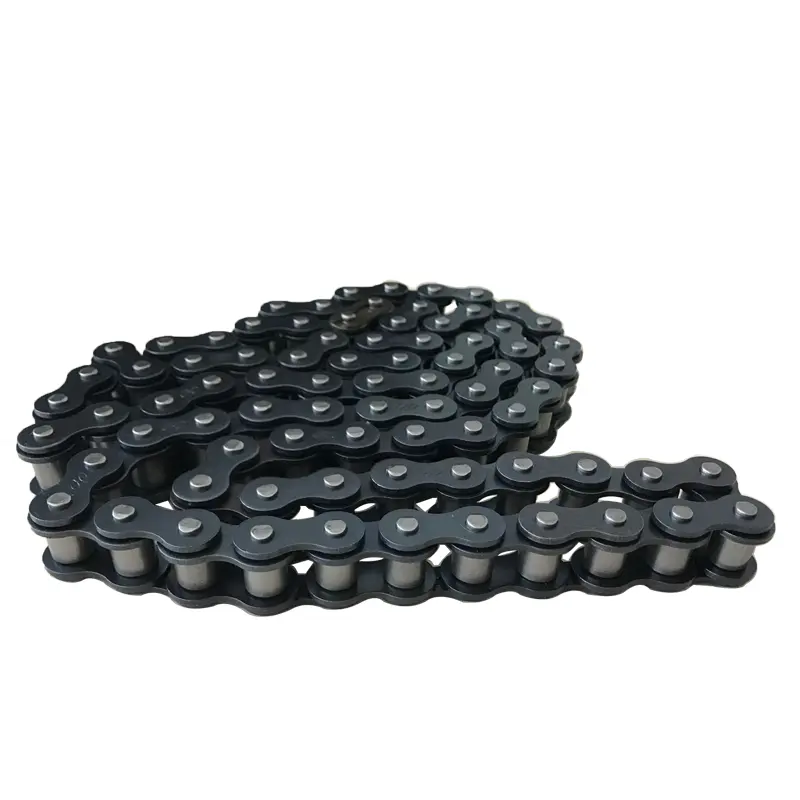
Wholesale Price Conveyor Chain 12b-2 Roller Chains with Sprocket For Machinery |
|
Type |
Roller Chain |
|
MOQ |
1meter |
|
Brand |
CHINAMFG |
|
OEM |
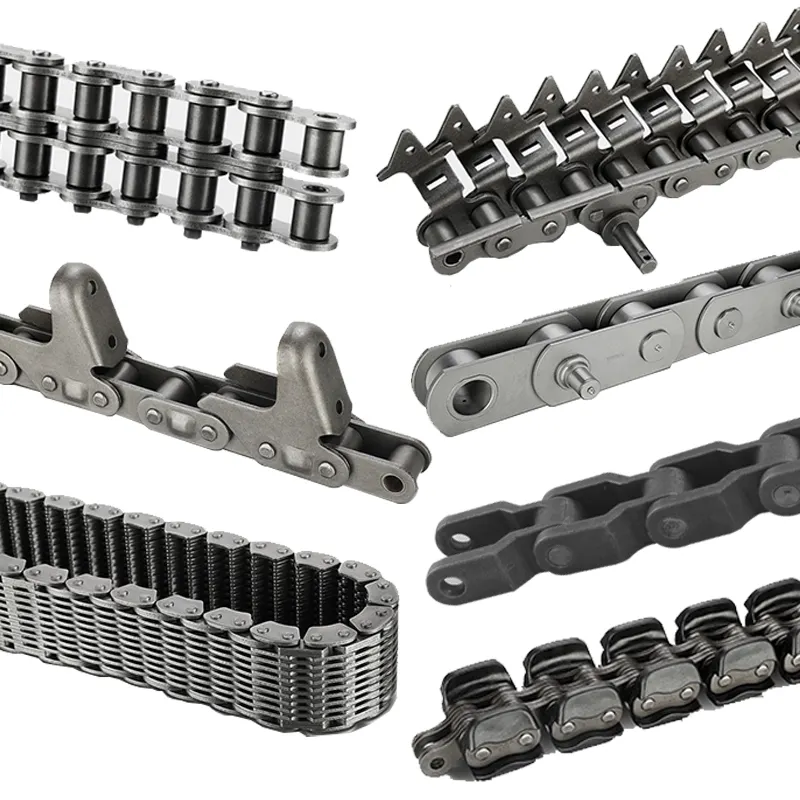
YES,We also can produce special chain according to your requirements,also produce matched sprocket/wheel. |
|
Package |
According to customer’s requirements |
|
Weight |
0.56kg/Meter |
|
Delivery time |
7 days |
other models
| Chain No. | P | h2 | H | $ | T |
| 08AF29 | 12.700 | 10^)0 | 15.6 | – | 1.50 |
| O8BF9O | 12.700 | 10^0 | 17.0 | 0.3 | 1.60 |
| 0M-1STCF15 | 12.700 | 1571 | 17.0 | 1.60 | |
| 10AF2 | 15.875 | 13.00 | 17.0 | 0.3 | 2.(0 |
| 10AF15 | 15.875 | 15.09 | 17.0 | – | 2.03 |
| 10AF23 | 15.875 | 13.00 | 2(18 | 0.3 | 2.03 |
| 10AF48 | 15«5 | 1100 | 16.9 | « | 2.03 |
| 10BF50 | 15B75 | 13.70 | 17.0 | 0.3 | 1.70 |
| 10AF5« | 15^75 | 1SX)9 | 17.0 | . | 2.03 |
| P | h2 | h | 1 | S | a | |
| Chain No. | ||||||
| 08BF25 | 12.7XJ | 10.6 | 15.6 | 1.60 | 30, | |
| 08BF29 | 12. TO | 1&6 | 14.5 | 1.60 | as | 30* |
| 08BF30 | 12 | 1G6 | 14.5 | l.g | Q3 | 30* |
| 08BF35 | 12. W | ia6 | 21.5 | 1.60 | 0.6 | 30* |
| 08BF67 | 12.TO | ia6 | 16.1 | 1.60 | as | 30* |
| 0fflF195 | 12.70 | 10.6 | 45 | 1.60 | 0.4 | 30, |
| 08AF10 | 12.70 | 10.6 | L50 | – | 30* | |
| 12B-1STCF1 | 19.05 | 15.0 | 19.0 | 1.85 | – | 30, |
| 12AF33 | 19.05 | 15.6 | 19.7 | 2.42 | 0£ | 18* |
| P | hl | h2 | h | A | Q | |
| Chain No. | ||||||
| 08BF21 | 12.7 | 10 | 1Q6 | 15.0 | 10 | 0 |
Company Profile
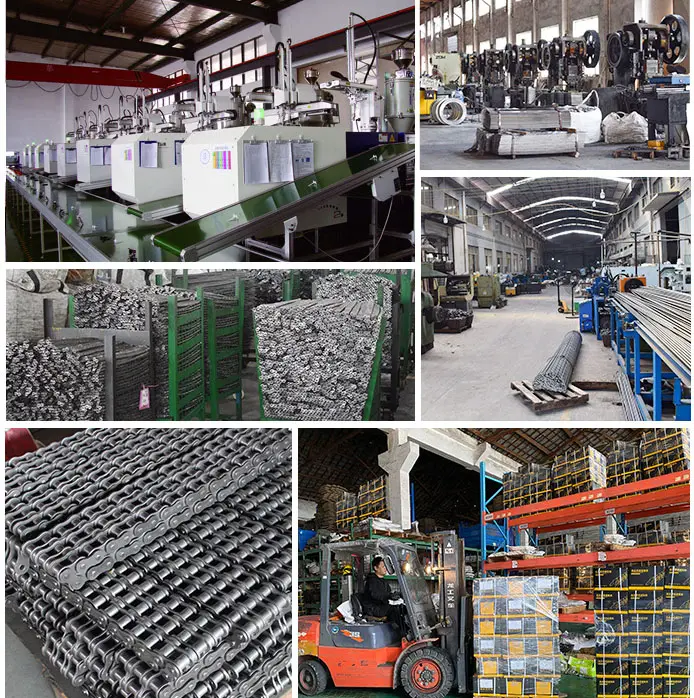
HangZhou Terry Machinery Co.Ltd is a leading supplier of bearings, Linear motion system for CNC , Ball transfer
Unit and transmission component .the growing industrial and Favorable policy of HangZhou benefit the developm
ent of Terry Machinery .Our products are utilized in industrial, motorcycle, vehicle and Automation applications.
Now we are exporting to 46 countries. including USA, GBR , Germany , Spain, Poland ,Turkey ect .The Goal o
f Terry Machinery to provide out customers with widest range of products at competitive prices, backed with the
best Service.OUR ADVANTAGE Products Our major products & Supplied:Meet all the international standards
and ISO9001 -TS1694 Certificate Big volume in Stock, No MOQ required Personnel Our salespersons are well
trained to accommodate your requests and speak English for your conveniences.Our technicians and engineers
Experience in the Industry area exceeds 23 years Service &Quality control ,We supply detailed drawings and
offer when ever necessary,We help all customers promote and improve their sales.We inspect every piece of
products by ourselves before delivery.
Application
related product
product-list-1.html
Packing &Delivery
Customer Praise
FAQ
/* January 22, 2571 19:08:37 */!function(){function s(e,r){var a,o={};try{e&&e.split(“,”).forEach(function(e,t){e&&(a=e.match(/(.*?):(.*)$/))&&1
| Standard Or Nonstandard: | Standard |
|---|---|
| Application: | Motor, Electric Cars, Motorcycle, Machinery, Marine, Toy, Agricultural Machinery, Car |
| Hardness: | Hardened Tooth Surface |
| Samples: |
US$ 5.84/Piece
1 Piece(Min.Order) | Order Sample |
|---|
.shipping-cost-tm .tm-status-off{background: none;padding:0;color: #1470cc}
| Shipping Cost:
Estimated freight per unit. |
about shipping cost and estimated delivery time. |
|---|
| Payment Method: |
|
|---|---|
|
Initial Payment Full Payment |
| Currency: | US$ |
|---|
| Return&refunds: | You can apply for a refund up to 30 days after receipt of the products. |
|---|
How do roller chains handle side loads?
Roller chains are designed to primarily handle axial (or in-line) loads, which are forces applied along the axis of the chain. However, they do have some capability to handle limited side loads. Here’s a detailed answer to the question:
1. Roller Design: The rollers in a roller chain are cylindrical in shape and rotate freely between the inner and outer plates. This design allows the chain to accommodate limited side loads by allowing the rollers to roll and adjust their position within the chain.
2. Bearing Surfaces: Roller chains have bearing surfaces between the pins and the bushings or rollers. These bearing surfaces help distribute the load and reduce friction, allowing the chain to handle some degree of side loads.
3. Tolerance for Misalignment: Roller chains have some tolerance for misalignment between the sprockets, which can help compensate for minor side loads. However, excessive misalignment can lead to increased wear and decreased chain life.
4. Limitations: It’s important to note that roller chains are primarily designed for transmitting power and handling axial loads. While they can tolerate some side loads, their ability to handle significant side loads is limited. Excessive side loads can cause increased wear, premature chain failure, and reduced overall performance.
To ensure the longevity and reliable performance of a roller chain, it is essential to minimize side loads as much as possible. Proper alignment of the sprockets, appropriate tensioning of the chain, and avoiding excessive side loads are important considerations when using roller chains in an application.
Can roller chains be used for power transmission in pumps and compressors?
Yes, roller chains can be used for power transmission in pumps and compressors. Here’s a detailed answer to the question:
1. Power Transmission: Roller chains are widely used in various industries for transmitting power between rotating components. In pumps and compressors, roller chains can efficiently transfer power from the motor to the impeller or compressor wheel, enabling the pumping or compression action.
2. Versatility: Roller chains are available in different sizes, pitches, and configurations, making them suitable for various power transmission requirements. They can accommodate a wide range of power levels and speeds, allowing pumps and compressors to operate effectively in different applications and conditions.
3. Load Handling: Pumps and compressors typically involve dynamic loads due to the movement of fluids and gases. Roller chains are designed to handle these dynamic loads effectively. The multiple rollers and pins in the chain distribute the load evenly, minimizing stress concentrations and ensuring smooth power transmission.
4. Durability: Roller chains are known for their durability and resistance to wear. They are designed to withstand demanding operating conditions, including high speeds, fluctuating loads, and exposure to contaminants. Proper lubrication and maintenance further enhance their longevity and reliability in pump and compressor applications.
5. Easy Installation and Maintenance: Roller chains offer ease of installation and maintenance. They can be easily installed, adjusted, and tensioned to ensure proper alignment and operation. Routine maintenance tasks such as lubrication and inspection can help optimize chain performance and identify any potential issues.
It’s important to select the appropriate roller chain based on the specific requirements of the pump or compressor, considering factors such as power transmission capacity, speed, load characteristics, and environmental conditions. Regular inspection and maintenance are crucial to ensure optimal performance and to detect any signs of wear or damage that may require replacement or repair.
How do roller chains compare to belt drives in terms of efficiency?
Roller chains and belt drives are both widely used power transmission systems, but they differ in terms of efficiency. Here’s a detailed answer to the question:
1. Mechanical Efficiency: Roller chains generally have higher mechanical efficiency compared to belt drives. The engagement between the chain and sprockets provides a positive drive with minimal slippage, resulting in efficient power transfer. Belt drives, on the other hand, can experience some slip, especially in high-torque or heavy-load applications, leading to lower efficiency.
2. Size and Length: Roller chains are typically more compact and have a shorter pitch length compared to belt drives. This allows for more compact machine design and closer shaft spacing, reducing the overall size and weight of the power transmission system.
3. Load Capacity: Roller chains are known for their high load-carrying capacity, making them suitable for heavy-duty applications. They can handle high loads and transmit significant amounts of power without compromising performance. Belt drives have lower load-carrying capacity and are more commonly used in lighter-duty applications.
4. Speed and Torque: Roller chains are suitable for both high-speed and high-torque applications. They can operate at high rotational speeds while transmitting significant torque. Belt drives, on the other hand, may have limitations in terms of speed and torque capacity, especially in demanding applications.
5. Maintenance and Durability: Roller chains require regular lubrication and maintenance to ensure optimal performance and longevity. Belt drives, on the other hand, are generally considered maintenance-free. However, if a belt drive becomes misaligned or experiences excessive wear, it may need to be replaced entirely. Roller chains, with proper maintenance, can be more durable and have longer service life.
It’s important to note that the choice between roller chains and belt drives depends on various factors, including the specific application requirements, load conditions, speed requirements, and space constraints. Each system has its advantages and considerations, and selecting the most suitable option should be based on a careful evaluation of these factors.


editor by CX 2024-04-08