Product Description
|
Product |
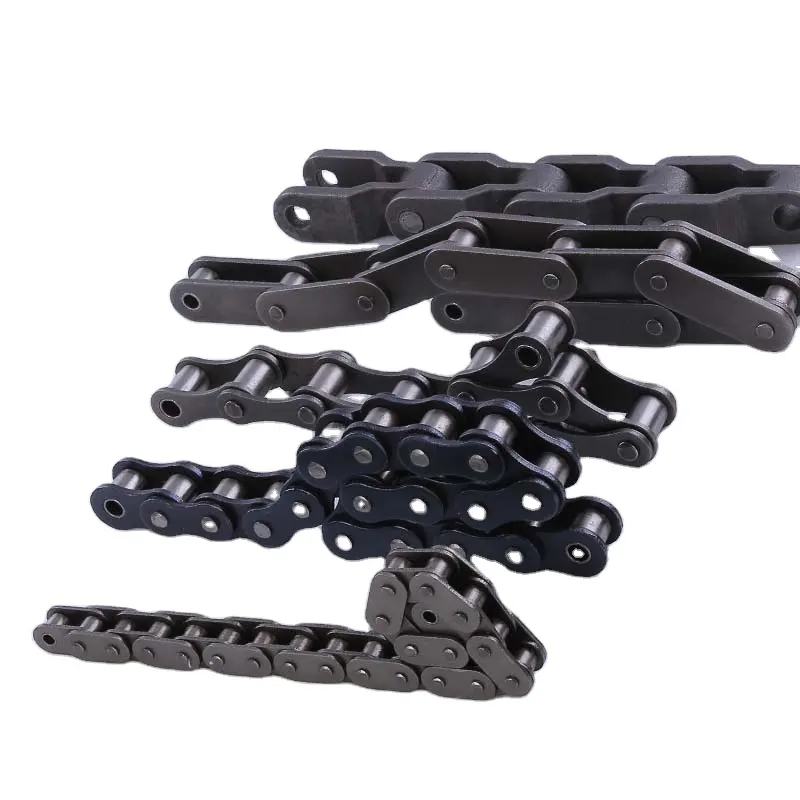
Standard Double Pitch Roller chain |
||
|
Material |
40Mn steel,304 stainless steel, 316 stainless steel and 201 stainless steel. |
||
|
Types |
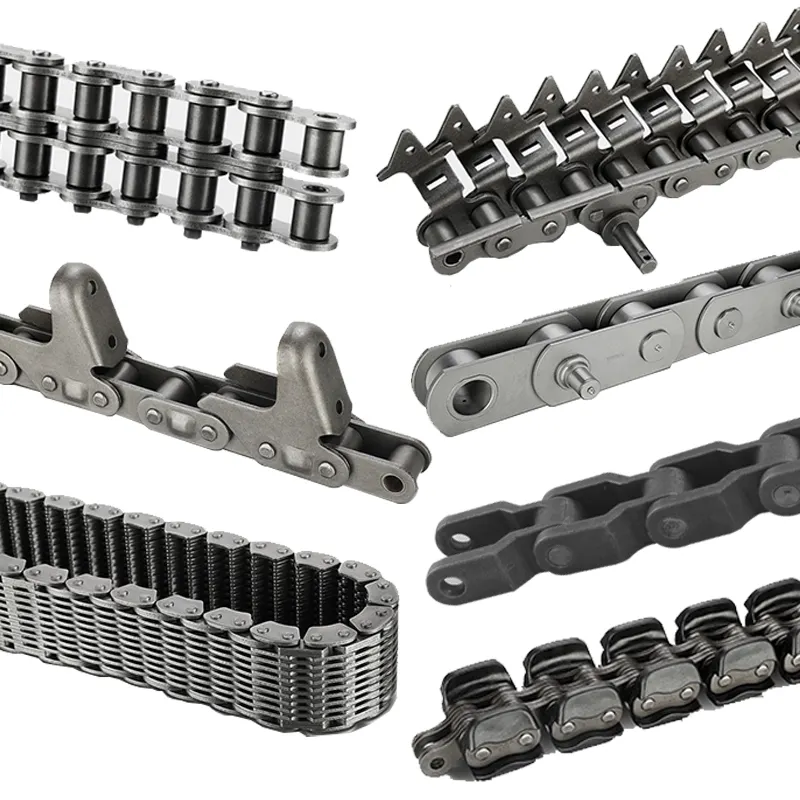
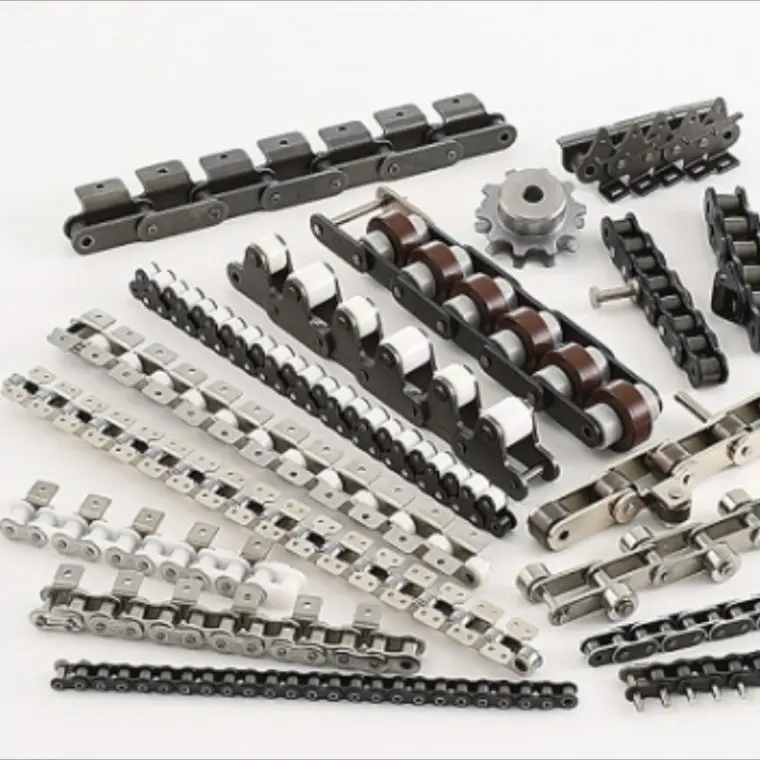
Standard chains and special chains, such as A or B series chains, roller chains, driving chains, conveyor chains, hoisting chains, agricultural chains, sprockets, gears, wheels and so on. |
||
|
Series |
A series(12.7-50.8mm pitches),B series (9.525-50.8mm pitches)and the heavy series. |
||
|
Short pitch precision roller chain |
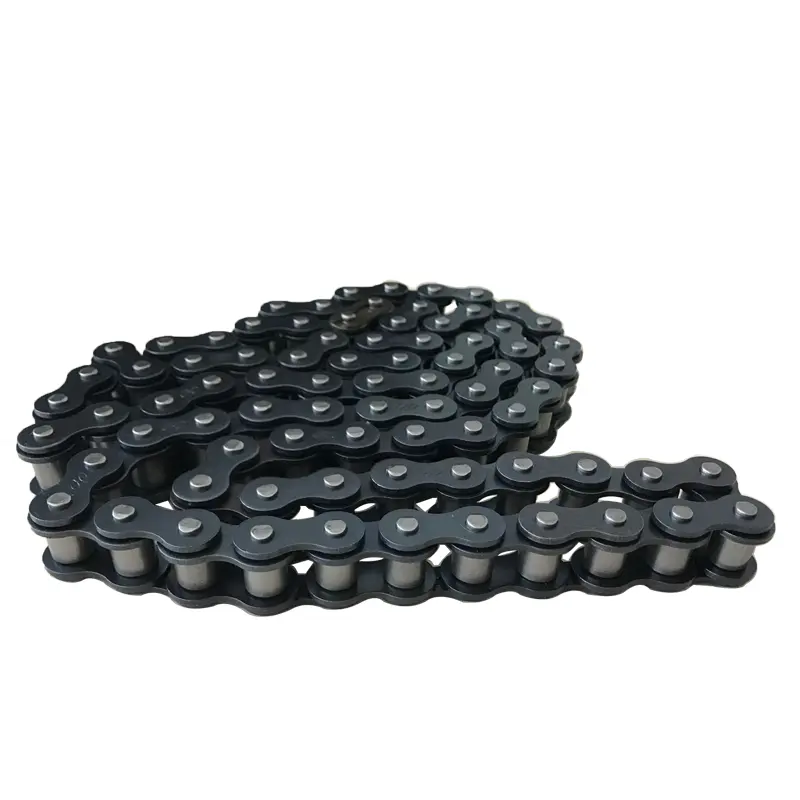
Simplex Roller Chains&Bushing Chains: 04C-1,06C-1,085-1,08A-1,10A-1,12A-1,16A-1,20A-1,24A-1,28A-1,32A-1,36A-1,40A-1,48A-1 04C-2,06C-2,085-2,08A-2,10A-2,12A-2,16A-2,20A-2,24A-2,28A-2,32A-2,36A-2,40A-2,48A-2 04C-3,06C-2,085-3,08A-3,10A-3,12A-3,16A-3,20A-3,24A-3,28A-3,32A-3,36A-3,40A-3,48A-3 |
||
|
Chain link type |
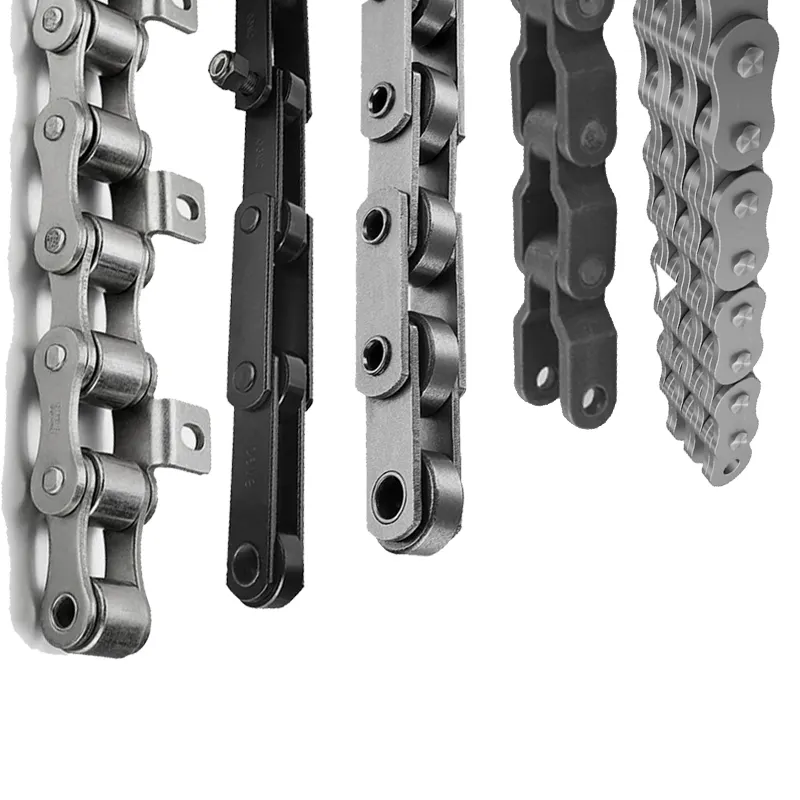
Standard links (without attachment) and non-standard links (with attachment).
A1: One-side,one hole cranked attachments. |
||
|
Our Products Advantage |
1. Every step from production order to the packing process has a strict quality inspection. |
||
1.Fast delivery: Standard products can be delivered in as fast as 20 days
2.Good service: timely reply, prompt quotation, responsible for the product
3.High cost performance: can maintain price stability for a certain period of time, bringing greater profits to customers
4.Good quality: production and testing have corresponding supervision to ensure product quality and get high praise from customers
5.OEM service: products can be customized according to drawings and requirements
We are responsible for the ordered products. We are very confident in the products we produce. Of course, if you have any problems after receiving the goods, you can contact us directly. We will confirm and negotiate in time to solve your difficulties.
/* January 22, 2571 19:08:37 */!function(){function s(e,r){var a,o={};try{e&&e.split(“,”).forEach(function(e,t){e&&(a=e.match(/(.*?):(.*)$/))&&1
| Standard or Nonstandard: | Standard |
|---|---|
| Application: | Textile Machinery, Garment Machinery, Conveyer Equipment, Packaging Machinery, Electric Cars, Motorcycle, Food Machinery, Mining Equipment, Agricultural Machinery, Car |
| Surface Treatment: | Oil Blooming |
| Structure: | Roller Chain |
| Material: | Alloy |
| Type: | Short Pitch Chain |
| Samples: |
US$ 35/kg
1 kg(Min.Order) | |
|---|
| Customization: |
Available
| Customized Request |
|---|
Can roller chains be used in low-temperature environments?
Yes, roller chains can be used in low-temperature environments, but there are several factors to consider for their proper performance and longevity:
1. Material Selection: Choose roller chains that are specifically designed for low-temperature applications. These chains are typically made from materials that can withstand the cold temperatures without becoming brittle or losing their mechanical properties. Common materials used in low-temperature roller chains include stainless steel, nickel-plated steel, or special alloys.
2. Lubrication: Proper lubrication is essential in low-temperature environments to ensure smooth operation and prevent excessive wear. However, it’s important to consider the type of lubricant used as some lubricants may become less effective or thickened at low temperatures. Select lubricants that are specifically formulated for low-temperature applications to maintain proper chain lubrication and reduce friction.
3. Temperature Ratings: Check the temperature ratings provided by the roller chain manufacturer. Ensure that the roller chain is suitable for the specific low-temperature range of your application. Different roller chains have different temperature limits, and exceeding these limits can lead to decreased performance, increased wear, and potential chain failure.
4. Impact Resistance: Low temperatures can make materials more susceptible to impact damage. It’s important to ensure that the roller chain selected has good impact resistance properties to withstand any sudden shocks or loads that may occur during operation in low-temperature environments.
5. Environmental Factors: Consider the overall environmental conditions of the low-temperature environment. Factors such as moisture, ice, or freezing conditions can affect the performance of roller chains. In such cases, additional protection measures like sealing, covers, or regular maintenance may be necessary to prevent ice formation or moisture ingress.
6. Regular Inspection and Maintenance: Regularly inspect the roller chains for signs of wear, damage, or inadequate lubrication. Monitor their performance and address any issues promptly. In low-temperature environments, extreme cold can exacerbate any existing issues, so proactive maintenance is crucial to ensure the continued reliability of the roller chains.
By considering these factors and selecting roller chains designed for low-temperature applications, you can ensure their proper functioning and durability in low-temperature environments.
How do roller chains handle lateral loads?
Roller chains are primarily designed to handle axial loads, which are loads acting in the direction of the chain’s axis. However, roller chains can also tolerate a certain degree of lateral loads, which are loads acting perpendicular to the chain’s axis. Here’s a detailed answer to the question:
1. Sprocket Alignment: Proper sprocket alignment is crucial for roller chains to effectively handle lateral loads. The sprockets must be aligned in a parallel and concentric manner to ensure that the chain tracks properly and experiences minimal lateral force. Misaligned sprockets can cause the chain to derail or experience excessive wear due to uneven loading.
2. Tolerance for Lateral Misalignment: Roller chains have some tolerance for lateral misalignment between the sprockets. This means that the chain can tolerate a slight deviation from a perfectly straight line between the sprockets. The chain’s side plates and rollers are designed to provide some flexibility, allowing the chain to adjust to minor lateral forces without significant problems.
3. Guide Rails or Flanges: In applications where lateral loads are more significant, guide rails or flanges can be employed to help keep the roller chain aligned and prevent excessive lateral movement. These additional components act as guides and help control the chain’s lateral displacement, ensuring that it remains on the sprockets and operates smoothly.
4. Chain Tension: Proper chain tension is crucial for handling lateral loads. A well-tensioned chain minimizes slack and reduces the chances of lateral movement. It helps keep the chain engaged with the sprockets and ensures that the load is evenly distributed across the chain’s width.
It’s important to note that roller chains have a primary function of transmitting power and handling axial loads. While they can handle some lateral loads within their design limits, excessive lateral forces can lead to chain derailment, increased wear, and reduced performance. Therefore, it’s essential to design the system properly, consider the anticipated lateral loads, and ensure proper alignment and tension to maintain the chain’s integrity and performance.
Can roller chains be used for vertical lifting applications?
Yes, roller chains can be used for vertical lifting applications in certain circumstances. However, it is important to consider various factors to ensure safe and efficient operation. Here’s a detailed answer to the question:
Roller chains are primarily designed for transmitting power and motion in horizontal or slightly inclined applications. When used for vertical lifting, additional considerations must be taken into account:
1. Load Capacity: Roller chains have a rated load capacity that indicates the maximum weight they can safely lift. It is crucial to select a roller chain with a sufficient load capacity for the specific lifting application. Factors such as the weight of the load, acceleration, and dynamic forces should be considered to ensure the chain can handle the load without excessive stress.
2. Safety Measures: Vertical lifting applications require appropriate safety measures to prevent accidents or chain failure. These may include the use of safety devices such as overload protection mechanisms, emergency stops, and redundant systems. Safety standards and regulations specific to the lifting industry should be followed to ensure compliance and mitigate potential hazards.
3. Lubrication and Maintenance: Proper lubrication is critical for the smooth and reliable operation of roller chains in any application, including vertical lifting. Regular lubrication and maintenance help reduce wear, friction, and the risk of chain failure. It is important to follow the manufacturer’s recommendations for lubrication intervals and use the appropriate lubricant for the specific operating conditions.
4. Chain Tension: Maintaining proper chain tension is crucial for the safe and efficient operation of roller chains in vertical lifting applications. Adequate tension ensures proper engagement with the sprockets and minimizes the risk of chain slippage or disengagement. Regular inspection and adjustment of chain tension are necessary to ensure reliable performance.
While roller chains can be used for vertical lifting, it is important to consult with industry experts or engineers experienced in lifting applications to determine the suitability of roller chains for a specific vertical lifting task. They can provide guidance on selecting the appropriate chain size, design, and safety measures to ensure the lifting operation is safe, efficient, and compliant with applicable regulations.


editor by CX 2024-04-30
China Custom High Precision Machinery Parts ISO Standard Simplex Transmission Roller Chain 16b
Product Description
|
Product |
Standard Double Pitch Roller chain |
||
|
Material |
40Mn steel,304 stainless steel, 316 stainless steel and 201 stainless steel. |
||
|
Types |
Standard chains and special chains, such as A or B series chains, roller chains, driving chains, conveyor chains, hoisting chains, agricultural chains, sprockets, gears, wheels and so on. |
||
|
Series |
A series(12.7-50.8mm pitches),B series (9.525-50.8mm pitches)and the heavy series. |
||
|
Short pitch precision roller chain |
Simplex Roller Chains&Bushing Chains: 04C-1,06C-1,085-1,08A-1,10A-1,12A-1,16A-1,20A-1,24A-1,28A-1,32A-1,36A-1,40A-1,48A-1 04C-2,06C-2,085-2,08A-2,10A-2,12A-2,16A-2,20A-2,24A-2,28A-2,32A-2,36A-2,40A-2,48A-2 04C-3,06C-2,085-3,08A-3,10A-3,12A-3,16A-3,20A-3,24A-3,28A-3,32A-3,36A-3,40A-3,48A-3 |
||
|
Chain link type |
Standard links (without attachment) and non-standard links (with attachment).
A1: One-side,one hole cranked attachments. |
||
|
Our Products Advantage |
1. Every step from production order to the packing process has a strict quality inspection. |
||
1.Fast delivery: Standard products can be delivered in as fast as 20 days
2.Good service: timely reply, prompt quotation, responsible for the product
3.High cost performance: can maintain price stability for a certain period of time, bringing greater profits to customers
4.Good quality: production and testing have corresponding supervision to ensure product quality and get high praise from customers
5.OEM service: products can be customized according to drawings and requirements
We are responsible for the ordered products. We are very confident in the products we produce. Of course, if you have any problems after receiving the goods, you can contact us directly. We will confirm and negotiate in time to solve your difficulties.
| Standard or Nonstandard: | Standard |
|---|---|
| Application: | Textile Machinery, Garment Machinery, Conveyer Equipment, Packaging Machinery, Electric Cars, Motorcycle, Food Machinery, Mining Equipment, Agricultural Machinery, Car |
| Surface Treatment: | Oil Blooming |
| Structure: | Roller Chain |
| Material: | Alloy |
| Type: | Short Pitch Chain |
| Samples: |
US$ 35/kg
1 kg(Min.Order) | |
|---|
| Customization: |
Available
| Customized Request |
|---|
Can roller chains be used in food processing or pharmaceutical industries?
Roller chains can be used in certain food processing and pharmaceutical applications, but there are specific considerations and requirements to ensure compliance with industry standards and regulations. Here’s a detailed answer to the question:
1. Food Grade Materials: In food processing and pharmaceutical industries, it is essential to use roller chains made from food-grade materials. These materials are non-toxic, corrosion-resistant, and designed to meet the hygiene and cleanliness requirements of these industries. Stainless steel chains or chains with special food-grade coatings are commonly used.
2. Lubrication: Proper lubrication is crucial in food processing and pharmaceutical applications to prevent contamination. Food-grade lubricants that are safe for consumption or lubrication-free chains are often used to meet the industry standards and regulations. It’s important to ensure that the lubricants used are compatible with the specific chain material and application requirements.
3. Cleanliness and Sanitization: The equipment and chains used in food processing and pharmaceutical industries must be designed for easy cleaning and sanitization. Smooth surfaces, without crevices or pockets that can trap food particles or bacteria, are preferred. Regular cleaning and maintenance procedures should be implemented to ensure proper hygiene and prevent the risk of contamination.
4. FDA and Regulatory Compliance: Roller chains used in food processing and pharmaceutical industries must comply with the regulations set by the Food and Drug Administration (FDA) or other relevant regulatory bodies. These regulations specify the acceptable materials, lubricants, and cleanliness standards for equipment used in these industries.
5. Hazard Analysis and Critical Control Points (HACCP): The Hazard Analysis and Critical Control Points system is commonly implemented in the food processing industry to identify and control potential hazards. When using roller chains in food processing, it’s important to assess the risks and implement appropriate measures to prevent contamination, such as installing guards to protect the chain from direct contact with food products.
While roller chains can be used in food processing and pharmaceutical industries, it is crucial to consult industry-specific guidelines and work with suppliers or manufacturers experienced in supplying chains for these applications. Adhering to industry standards and regulations ensures the safe and reliable use of roller chains in such sensitive environments.
Can roller chains be used for power transmission in construction equipment?
Roller chains can indeed be used for power transmission in construction equipment. Here’s a detailed answer to the question:
Construction equipment often requires a reliable and robust power transmission system to handle heavy loads and operate in demanding environments. Roller chains offer several advantages that make them well-suited for power transmission in construction equipment:
1. High Strength: Roller chains are designed to withstand high tensile and impact loads, making them suitable for the heavy-duty requirements of construction equipment. They are capable of transmitting substantial power without deformation or failure.
2. Durability: Construction sites can expose equipment to harsh conditions such as dust, debris, and vibrations. Roller chains are built to be durable and resistant to these challenging environments. They are constructed from high-quality materials and undergo heat treatment processes to enhance their strength and wear resistance.
3. Versatility: Roller chains can be used in various construction equipment applications, including excavators, loaders, bulldozers, cranes, and concrete mixers. They can efficiently transmit power from the engine to different components such as wheels, tracks, and attachments, allowing the equipment to perform a wide range of tasks.
4. Cost-Effectiveness: Roller chains offer a cost-effective solution for power transmission in construction equipment. They have a relatively low initial cost compared to alternative systems, and their durability and long service life contribute to lower maintenance and replacement costs over time.
5. Easy Installation and Maintenance: Roller chains are easy to install and maintain, requiring regular lubrication and periodic inspection for wear and proper tension. Maintenance tasks can be performed on-site, reducing downtime and increasing equipment availability.
It’s important to note that proper chain selection, sizing, and maintenance are crucial for ensuring optimal performance and longevity in construction equipment applications. Following the manufacturer’s guidelines and recommendations for chain installation, lubrication, and tensioning is essential to maximize the efficiency and reliability of the power transmission system.
Can roller chains be used for vertical lifting applications?
Yes, roller chains can be used for vertical lifting applications in certain circumstances. However, it is important to consider various factors to ensure safe and efficient operation. Here’s a detailed answer to the question:
Roller chains are primarily designed for transmitting power and motion in horizontal or slightly inclined applications. When used for vertical lifting, additional considerations must be taken into account:
1. Load Capacity: Roller chains have a rated load capacity that indicates the maximum weight they can safely lift. It is crucial to select a roller chain with a sufficient load capacity for the specific lifting application. Factors such as the weight of the load, acceleration, and dynamic forces should be considered to ensure the chain can handle the load without excessive stress.
2. Safety Measures: Vertical lifting applications require appropriate safety measures to prevent accidents or chain failure. These may include the use of safety devices such as overload protection mechanisms, emergency stops, and redundant systems. Safety standards and regulations specific to the lifting industry should be followed to ensure compliance and mitigate potential hazards.
3. Lubrication and Maintenance: Proper lubrication is critical for the smooth and reliable operation of roller chains in any application, including vertical lifting. Regular lubrication and maintenance help reduce wear, friction, and the risk of chain failure. It is important to follow the manufacturer’s recommendations for lubrication intervals and use the appropriate lubricant for the specific operating conditions.
4. Chain Tension: Maintaining proper chain tension is crucial for the safe and efficient operation of roller chains in vertical lifting applications. Adequate tension ensures proper engagement with the sprockets and minimizes the risk of chain slippage or disengagement. Regular inspection and adjustment of chain tension are necessary to ensure reliable performance.
While roller chains can be used for vertical lifting, it is important to consult with industry experts or engineers experienced in lifting applications to determine the suitability of roller chains for a specific vertical lifting task. They can provide guidance on selecting the appropriate chain size, design, and safety measures to ensure the lifting operation is safe, efficient, and compliant with applicable regulations.
editor by CX 2023-10-31
China Professional High Precision Machinery Parts ISO Standard Simplex Transmission Roller Chain 16b
Product Description
|
Product |
Standard Double Pitch Roller chain |
||
|
Material |
40Mn steel,304 stainless steel, 316 stainless steel and 201 stainless steel. |
||
|
Types |
Standard chains and special chains, such as A or B series chains, roller chains, driving chains, conveyor chains, hoisting chains, agricultural chains, sprockets, gears, wheels and so on. |
||
|
Series |
A series(12.7-50.8mm pitches),B series (9.525-50.8mm pitches)and the heavy series. |
||
|
Short pitch precision roller chain |
Simplex Roller Chains&Bushing Chains: 04C-1,06C-1,085-1,08A-1,10A-1,12A-1,16A-1,20A-1,24A-1,28A-1,32A-1,36A-1,40A-1,48A-1 04C-2,06C-2,085-2,08A-2,10A-2,12A-2,16A-2,20A-2,24A-2,28A-2,32A-2,36A-2,40A-2,48A-2 04C-3,06C-2,085-3,08A-3,10A-3,12A-3,16A-3,20A-3,24A-3,28A-3,32A-3,36A-3,40A-3,48A-3 |
||
|
Chain link type |
Standard links (without attachment) and non-standard links (with attachment).
A1: One-side,one hole cranked attachments. |
||
|
Our Products Advantage |
1. Every step from production order to the packing process has a strict quality inspection. |
||
1.Fast delivery: Standard products can be delivered in as fast as 20 days
2.Good service: timely reply, prompt quotation, responsible for the product
3.High cost performance: can maintain price stability for a certain period of time, bringing greater profits to customers
4.Good quality: production and testing have corresponding supervision to ensure product quality and get high praise from customers
5.OEM service: products can be customized according to drawings and requirements
We are responsible for the ordered products. We are very confident in the products we produce. Of course, if you have any problems after receiving the goods, you can contact us directly. We will confirm and negotiate in time to solve your difficulties.
| Standard or Nonstandard: | Standard |
|---|---|
| Application: | Textile Machinery, Garment Machinery, Conveyer Equipment, Packaging Machinery, Electric Cars, Motorcycle, Food Machinery, Mining Equipment, Agricultural Machinery, Car |
| Surface Treatment: | Oil Blooming |
| Structure: | Roller Chain |
| Material: | Alloy |
| Type: | Short Pitch Chain |
| Samples: |
US$ 35/kg
1 kg(Min.Order) | |
|---|
| Customization: |
Available
| Customized Request |
|---|
How do roller chains handle high torque loads?
Roller chains are designed to handle high torque loads effectively. Here’s a detailed answer to the question:
1. Robust Construction: Roller chains are constructed using high-quality materials and precise manufacturing techniques to ensure strength and durability. They are designed to withstand the forces generated by high torque loads without deformation or failure.
2. Load Distribution: Roller chains distribute the high torque load evenly across their links and pins. This even distribution helps prevent concentrated stress points and ensures that each link carries a portion of the load, reducing the risk of chain failure.
3. Fatigue Resistance: Roller chains are designed to resist fatigue caused by repeated stress cycles. They have sufficient strength and resilience to endure the high torque loads encountered during operation without experiencing premature wear or failure.
4. Proper Lubrication: Adequate lubrication is crucial for the smooth operation and longevity of roller chains under high torque loads. Lubrication reduces friction, minimizes wear, and helps dissipate heat generated by the increased forces. Proper lubrication ensures that the chain operates efficiently and extends its lifespan.
5. Tensile Strength: Roller chains are engineered to have high tensile strength, which allows them to withstand the tension created by high torque loads. The tensile strength of the chain ensures that it can handle the pulling force exerted by the rotating sprockets without elongation or failure.
6. Sprocket Selection: The choice of sprockets also plays a significant role in handling high torque loads. Sprockets should be matched appropriately with the roller chain to ensure proper engagement and efficient power transmission. Selecting sprockets with the appropriate tooth profile, material, and design helps optimize the performance and longevity of the chain under high torque conditions.
Roller chains have been extensively used in applications that require the transmission of high torque, such as heavy machinery, industrial equipment, and automotive systems. Their robust construction, load distribution capabilities, fatigue resistance, proper lubrication, high tensile strength, and compatibility with well-designed sprockets make them reliable and efficient in handling high torque loads.
How do roller chains handle reverse motion?
Roller chains are capable of handling reverse motion in applications where the direction of movement needs to be reversed. Here’s a detailed answer to the question:
1. Bi-Directional Operation: Roller chains are designed to operate in both forward and reverse directions. The chain links and rollers are constructed to engage with the sprockets in either direction, allowing the chain to smoothly transfer power and motion.
2. Engagement with Sprockets: When the roller chain is in reverse motion, the rollers on the chain engage with the sprocket teeth in the opposite direction compared to forward motion. The engagement between the chain and the sprockets ensures a secure and reliable power transmission, allowing the chain to efficiently transfer motion in reverse.
3. Lubrication and Maintenance: Proper lubrication is essential for the smooth operation of roller chains, including during reverse motion. Adequate lubrication reduces friction and wear, ensuring the chain’s longevity and performance. Regular maintenance, including lubrication and inspection, helps identify any issues that may affect the chain’s ability to handle reverse motion and allows for timely corrective actions.
4. Proper Tensioning: Maintaining proper tension in the roller chain is crucial for its performance in both forward and reverse motion. Adequate tension ensures the chain remains engaged with the sprockets and prevents slippage or disengagement during reverse operation. Proper tensioning can be achieved through tensioning devices or adjustable mounting arrangements.
5. Load Capacity: Roller chains are designed to handle various loads, including reverse motion. However, it’s important to consider the specific application requirements and select a roller chain with the appropriate load capacity and strength to withstand the forces experienced during reverse operation.
6. Alignment and Installation: Proper alignment of the roller chain and the sprockets is essential for reliable performance in both forward and reverse motion. Ensuring correct installation, including proper alignment and tensioning, helps maintain the chain’s engagement with the sprockets and ensures smooth operation in reverse.
It’s worth noting that the specific application requirements, such as speed, load, environmental conditions, and the type of roller chain, should be considered when determining the suitability of roller chains for reverse motion. Consulting the manufacturer’s guidelines and recommendations is important to ensure proper selection, installation, and maintenance of roller chains in applications involving reverse operation.
What are the common applications of roller chains?
Roller chains are widely used in various industries and applications where reliable power transmission is required. Here’s a detailed answer to the question:
1. Industrial Machinery: Roller chains are commonly used in industrial machinery such as conveyors, material handling equipment, packaging machines, printing presses, textile machinery, and woodworking equipment. They provide efficient and reliable power transmission in these applications.
2. Automotive: Roller chains are used in automotive applications, including engine timing systems, camshaft drives, and drive chains for motorcycles and bicycles. They are known for their strength, durability, and ability to handle high loads and speeds.
3. Agriculture: Roller chains are extensively used in agricultural machinery, including tractors, combine harvesters, hay balers, and crop sprayers. They are capable of transmitting power in harsh and demanding agricultural environments.
4. Construction Equipment: Roller chains find applications in construction machinery such as excavators, bulldozers, cranes, and concrete mixers. They provide reliable power transmission for heavy-duty operations in construction sites.
5. Mining and Quarrying: Roller chains are used in mining and quarrying equipment, including rock crushers, conveyor systems, and drilling rigs. They are designed to withstand heavy loads, abrasive materials, and harsh operating conditions in these industries.
6. Food Processing: Roller chains with food-grade lubricants and corrosion-resistant coatings are used in food processing equipment, including conveyor systems, bottling machines, and bakery equipment. They meet the strict hygiene and safety standards required in the food industry.
7. Material Handling: Roller chains are essential in material handling systems, such as overhead cranes, forklifts, and palletizers. They enable smooth and reliable movement of goods in warehouses, distribution centers, and manufacturing facilities.
8. Power Transmission Systems: Roller chains are employed in power transmission systems that require efficient and precise power delivery, such as power presses, machine tools, and industrial automation equipment.
9. Renewable Energy: Roller chains are used in wind turbines and solar tracking systems to transmit power from the turbine or solar panels to the generator or electrical grid.
10. Marine and Offshore: Roller chains are utilized in marine and offshore applications, including shipbuilding, offshore drilling rigs, and port equipment. They provide reliable power transmission in challenging marine environments.
These are just some of the common applications where roller chains are widely used. The versatility, durability, and reliability of roller chains make them suitable for a wide range of industries and machinery.
editor by CX 2023-07-19