Stainless Hollow Pin Chain for Washdown Service
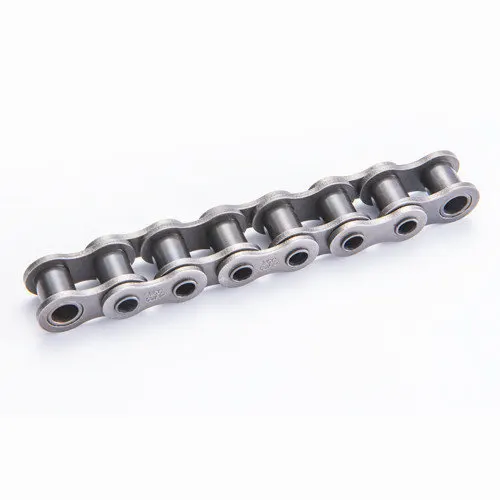
Select stainless hollow pin chain for washdown and humid environments by cleaning chemistry, grade requirement, load, speed and lubrication.
When stainless is useful
Stainless hollow pin chain is commonly considered for wet, humid or frequently cleaned equipment where corrosion resistance is important. The hollow-pin format still provides the same attachment flexibility for rods, carriers and fixtures.
Specify the environment
Describe cleaning frequency, water temperature, acidic or alkaline cleaners, chloride exposure, rinse/dry cycle and any trapped product residue. These details matter more than simply asking for “stainless” chain.
Specify the grade when required
If the machine specification calls for a particular stainless grade, state it in the inquiry. Also specify material requirements for rods, fasteners and adjacent parts when they are part of the requested assembly.
Load and wear still matter
Corrosion resistance does not remove normal chain design limits. Provide speed, load, indexing, starts/stops and operating hours so the required chain size can be considered together with the environment.
Lubrication and hygiene
State whether lubrication is allowed and whether a particular lubricant type is required. Cleanability also depends on the attachment, guides, frame and drainage around the chain, not only on the chain material.
What to send
- Pitch or chain model
- Hollow bore, width and roller arrangement
- Attachment drawing
- Cleaning chemistry and temperature
- Required stainless grade if specified
- Speed, load and operating cycle
- Lubrication restrictions
- Length, strand count and quantity
Send your chain details for review
Include the model or dimensions, attachment drawing, sprocket information, speed, load, environment and quantity for a quotation.
Start with the cleaning process
Before selecting stainless chain, describe how the equipment is cleaned. Water temperature, detergent chemistry, rinse practice, cleaning frequency and whether the chain remains wet after sanitation all influence the environment. If the machine is only in a humid room but is not directly washed, say that too; the material decision may differ from an exposed washdown conveyor.
Review the whole attachment system
A stainless hollow-pin chain may carry rods, clips or fasteners made from another material. If these parts stay wet together, material compatibility and trapped moisture should be considered. Sprockets and guide rails also form part of the wear and corrosion system. Send the attachment drawing so the complete interface can be reviewed.
| Washdown question | What to state | Selection impact |
|---|---|---|
| How is it cleaned? | Spray, foam, immersion or wipe-down | Exposure level and drainage |
| Which chemicals? | Detergent/sanitizer names or chemistry | Material compatibility discussion |
| How often? | Per shift, daily, weekly | Corrosion and maintenance exposure |
| Lubrication allowed? | Approved lubricant and frequency | Joint wear planning |
Cleanability of rods and carriers
Hollow pins are attractive because the attachment can be removable, but the joint should not create an inaccessible product trap. Make sure operators can inspect and clean around the rod or fixture. If components are removed at every sanitation cycle, design the retention method for repeatable reassembly and confirm that tools can reach it safely.
Stainless does not remove wear mechanisms
Corrosion resistance and wear resistance are different questions. Sprocket alignment, chain tension, contamination, load and lubrication still affect joint wear. A stainless chain operated dry at high speed may have a different service expectation from the same chain running slowly with appropriate lubrication. Provide actual duty conditions rather than relying on material name alone.
Washdown RFQ checklist
- Required stainless grade if specified
- Pitch, bore and chain envelope
- Cleaning method and chemistry
- Temperature and exposure duration
- Lubrication restriction
- Rod, fastener and sprocket materials
- Speed, load and operating hours
- Quantity and finished chain length
Drying and idle periods matter too
A conveyor may experience its most corrosive condition after cleaning when water remains trapped during a long idle period. Describe whether the machine is blown dry, heated, left wet overnight or restarted immediately. Drainage and ventilation around the chain can be as important as the nominal material choice.
If the plant changes detergent or sanitizer, review compatibility rather than assuming the previous material decision still applies. Keep cleaning chemistry and concentration within the equipment supplier’s approved process and update the maintenance record when the sanitation program changes.
For new equipment, consider where water can escape from the return run, around sprockets and near chain guides. Avoid enclosed pockets that hold cleaning solution around the chain. If the process requires hot-to-cold cycles, tell us the temperature range because repeated thermal changes can affect lubrication practice and the surrounding attachment system.
For replacement projects, compare corrosion location on the old chain with the cleaning pattern. Localized corrosion near one guard, nozzle or trapped area can reveal a machine-layout issue that a material change alone may not correct.
Inspect the return side as carefully as the product-carrying side. Water, detergent and residue often collect underneath the conveyor where operators see them less frequently. A clear return path, accessible drains and visible guide surfaces make routine inspection easier.
If the chain is stored as a spare before installation, keep it clean, dry and protected from contamination. Do not assume stainless material means storage conditions are irrelevant; foreign contamination and unsuitable chemicals can still create surface issues before the chain reaches the machine.
Commissioning after sanitation
After installation, run the conveyor through a normal cleaning cycle and inspect it again before production. Confirm that rods remain secure, the chain articulates freely, rinse water drains from guides and no attachment traps cleaning solution. Recheck these points after the first several sanitation cycles because new hardware may settle or loosen.
If the conveyor includes sensors, guards or product-contact components close to the chain, verify that the final stainless chain envelope and attachment hardware do not change their clearance. A material upgrade should not introduce a new mechanical interference.