Product Description
About Factory
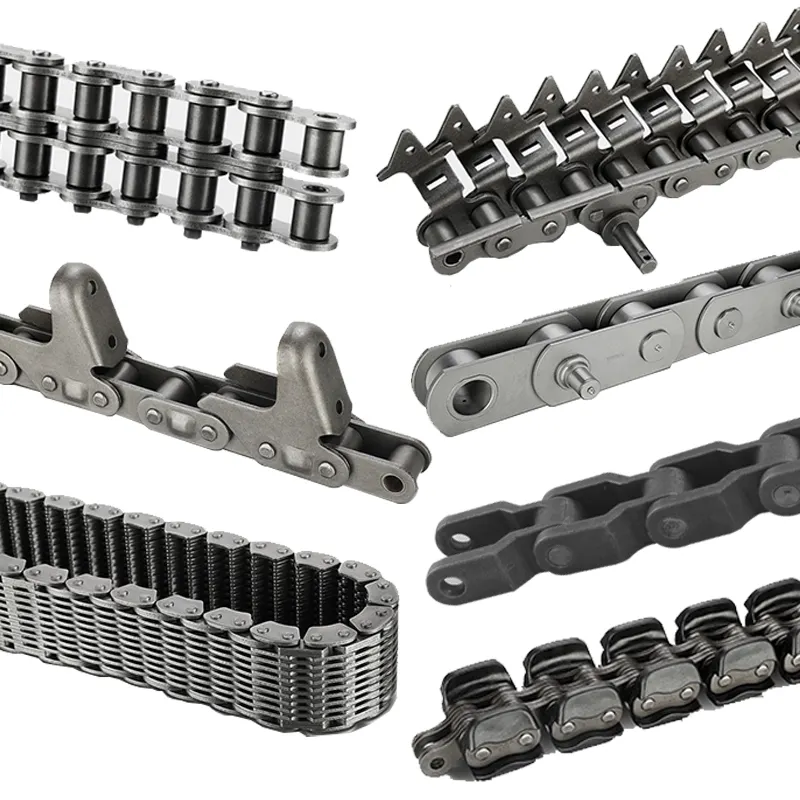
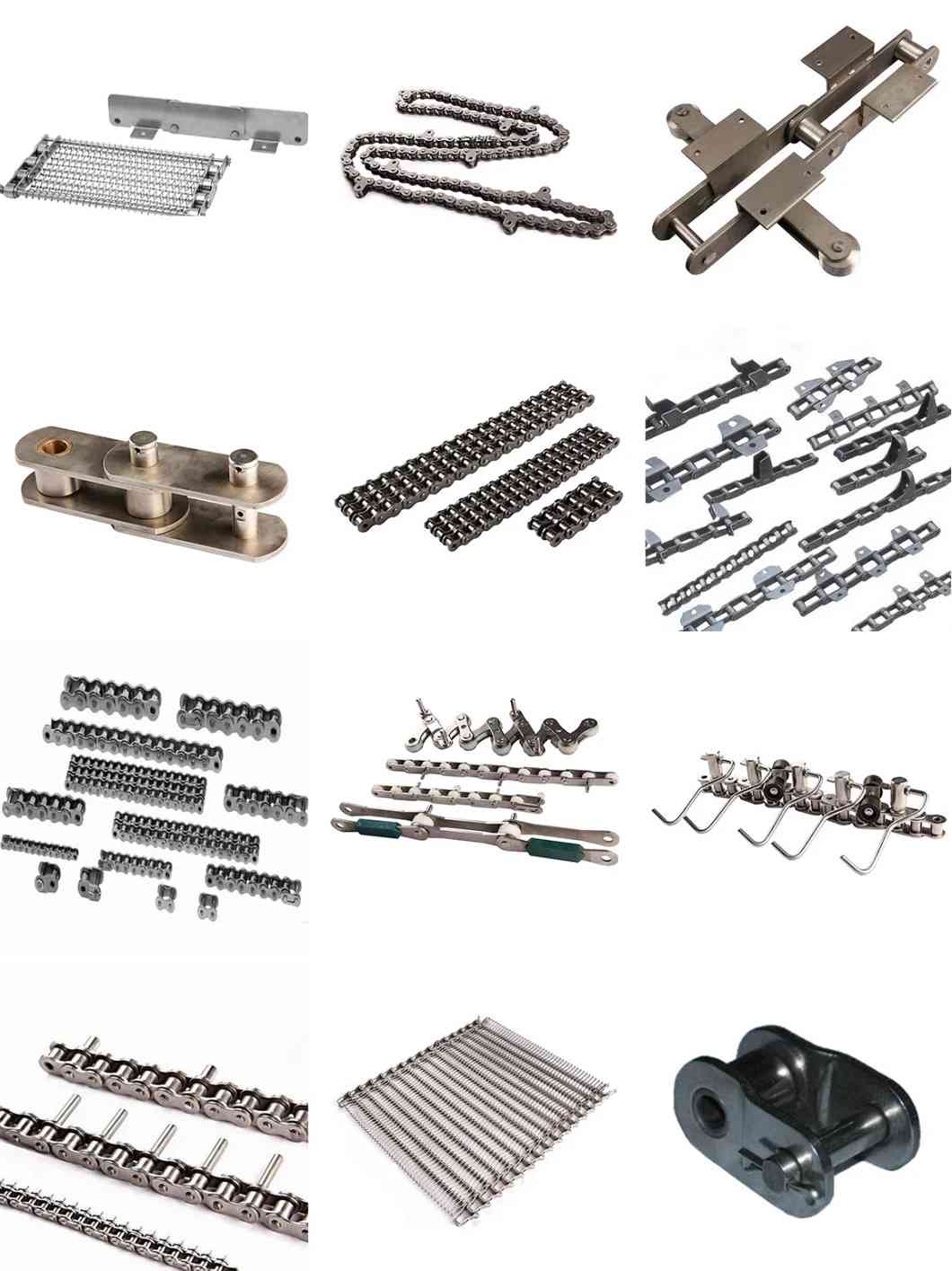
With more than 18 years’ histiory, we are a professinal manufacturer for drop forged products such as forged chain (X348 X458 X658 X678 X698 F100 F160), scraper chain (10160, 14218, 14226, 142N), conveyor trolley (X348, X458, X678, XT160), and drive chain (X348, X458, X678), and so forth standard moulds of chain.
Besides, we can also produce as per your drawing or sample, special link chain, pusher, pin and plate, according to customers’ unique requirements.
Product Description
1) Material: Alloy steel, 40Cr, 42CrMo and so on.
2) Types: Standard types, X348 X458 X678, and so on. (Or as per your drawing)
3) Process: Moulding→Forging→Polishing & Blasting→Fine machining→Heat treatment→Blasting→Inspecting & testing→Packing
Product Show
Technical Data
| Model | Dimension | Weight (Kg) | Material | Hardness | Working Load (KN) | Limit Load (KN) | ||||||
| P | T | C | S | F | R | D | ||||||
| 10160B | 101.6 | 24 | 36 | 13 | 14 | 6 | 14 | 0.32 | 20CrMnTi | Surface HRC56-64° Depth 0.6-1.2mm |
18 | 100 |
| 10160 | 101.6 | 30 | 36 | 13 | 14.5 | 9 | 14 | 0.36 | 20CrMnTi | Surface HRC56-64° Depth 0.6-1.2mm | 21.6 | 120 |
| 14218 | 142 | 42 | 50 | 19 | 20.5 | 11 | 25 | 1.15 | 20CrMnTi | Surface HRC56-64° Depth 0.6-1.2mm | 48.6 | 270 |
| 14226 | 142 | 62 | 50 | 28 | 30 | 15 | 25 | 1.75 | 20CrMnTi | Surface HRC56-64° Depth 0.6-1.2mm | 61.2 | 340 |
| 2571 | 200 | 66 | 60 | 30 | 32 | 18 | 30 | 2.8 | 20CrMnTi | Surface HRC56-64° Depth 0.6-1.2mm | 72 | 400 |
| 26014 | 260 | 70 | 75 | 31 | 33 | 20 | 34 | 5.2 | 20CrMnTi | Surface HRC56-64° Depth 0.6-1.2mm | 135 | 750 |
| 142N | 142 | 43 | 50 | 19 | 22 | 12.5 | 25 | 1.2 | 40Cr | Quench HRC36-44° | 75.6 | 420 |
| 150D | 142 | 42 | 50 | 19 | 20.5 | 11 | 25 | 1.15 | 40Cr | Quench HRC36-44° | 75.6 | 420 |
| MG20 | 200 | 70 | 50 | 27 | 29 | 17 | 35 | 3.78 | 40Cr | Quench HRC36-44° | 144 | 800 |
| MG20B | 200 | 70 | 50 | 27 | 29 | 17 | 30 | 3.82 | 40Cr | Quench HRC36-44° | 140.4 | 780 |
| MG20C | 200 | 70 | 50 | 27 | 29 | 17 | 28 | 3.85 | 40Cr | Quench HRC36-44° | 122.4 | 680 |
| MS32 | 200 | 42 | 50 | 20 | 22 | 12 | 25 | 1.4 | 40Cr | Quench HRC36-44° | 75.6 | 420 |
| MS55 | 200 | 80 | 70 | 35 | 38 | 25 | 28 | 4.36 | 40Cr | Quench HRC36-44° | 138.6 | 770 |
| 3006 | 200 | 65 | 70 | 30 | 33 | 24 | 32 | 3.6 | 40Cr | Quench HRC36-44° | 160.2 | 890 |
| MS63 | 250 | 70 | 80 | 30 | 33 | 20 | 32 | 4.93 | 40Cr | Quench HRC36-44° | 147.6 | 820 |
| S16 | 100 | 30 | 27 | 15 | 16 | 8 | 14 | 0.3 | 40Cr | Quench HRC36-44° | 16 | 88 |
| S20 | 125 | 34 | 33 | 17 | 18 | 8 | 17 | 0.37 | 40Cr | Quench HRC36-44° | 19.4 | 108 |
| S25 | 160 | 48 | 39 | 23 | 25 | 13 | 20 | 1.28 | 40Cr | Quench HRC36-44° | 55.8 | 310 |
| S30 | 142 | 46 | 49 | 22 | 23.5 | 14 | 25 | 1.3 | 40Cr | Quench HRC36-44° | 91.8 | 510 |
| Z16 | 100 | 40 | 35 | 18 | 20 | 12 | 17 | 0.4 | 40Cr | Quench HRC36-44° | 32.4 | 180 |
| Z20 | 125 | 50 | 46 | 24 | 26 | 15 | 20 | 0.67 | 40Cr | Quench HRC36-44° | 59.4 | 330 |
| Z20D | 125 | 52 | 60 | 24 | 26 | 16 | 26 | 1.15 | 40Cr | Quench HRC36-44° | 82.8 | 460 |
| Z25 | 160 | 58 | 55 | 28 | 30 | 18 | 25 | 2.25 | 40Cr | Quench HRC36-44° | 82.8 | 460 |
| Z25D | 160 | 66 | 64 | 29 | 31 | 22 | 28 | 2.6 | 40Cr | Quench HRC36-44° | 120.6 | 670 |
| Z30 | 142 | 64 | 50 | 29 | 30.5 | 18 | 25 | 1.8 | 40Cr | Quench HRC36-44° | 111.6 | 620 |
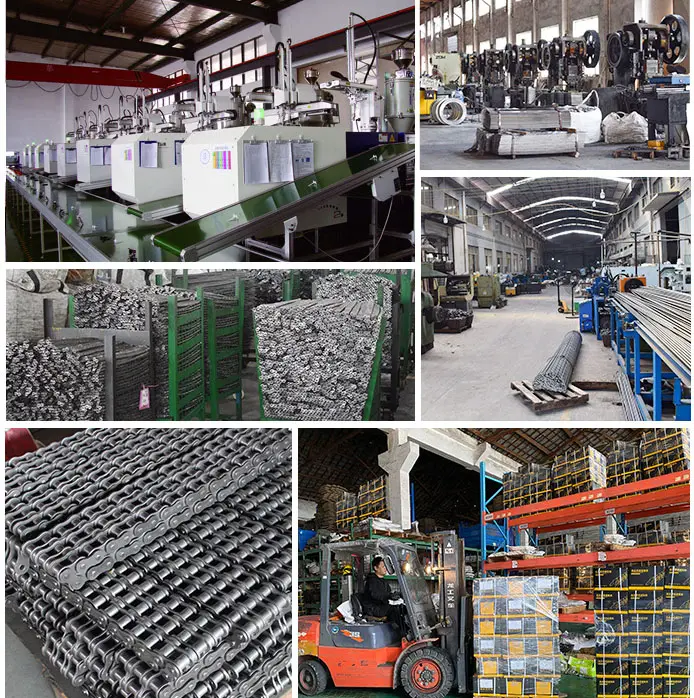
Products & Testing Equipments
Products Application
Packing & Delivery
Why Choose Us?
1. We are engaged in chain industry over 15 years with rich market experience. We keep improving production techniques. All the products have longer working life and have passed the market test.
2. We can design the correct chains with high quality material, good abrasion resistance, good corrosion, high strengthen and etc as per your request or the chain application.
3. We are the chain manufacturer; you can directly purchase the product from us with low price and high quality.
4. We have a professional team for international trade, they have abundant experiences and are always ready to solve problems for customers. So you have nothing to worry about.
5. We have the long-term cooperative forwarder who can give us the lowest freight. And it can help you to save the freight. What’s more, for the FCL, we will design the packages as per the container sizes with the largest capacity to save the shipping cost for both of us.
|
Shipping Cost:
Estimated freight per unit. |
To be negotiated |
|---|
| Standard or Nonstandard: | Standard |
|---|---|
| Application: | Textile Machinery, Garment Machinery, Conveyer Equipment, Packaging Machinery, Electric Cars, Motorcycle, Food Machinery, Mining Equipment, Agricultural Machinery, Coating, Spraying, Mining, Slaughtering, Assembly |
| Surface Treatment: | Polishing |
| Samples: |
US$ 5/Piece
1 Piece(Min.Order) | Order Sample |
|---|
| Customization: |
Available
| Customized Request |
|---|
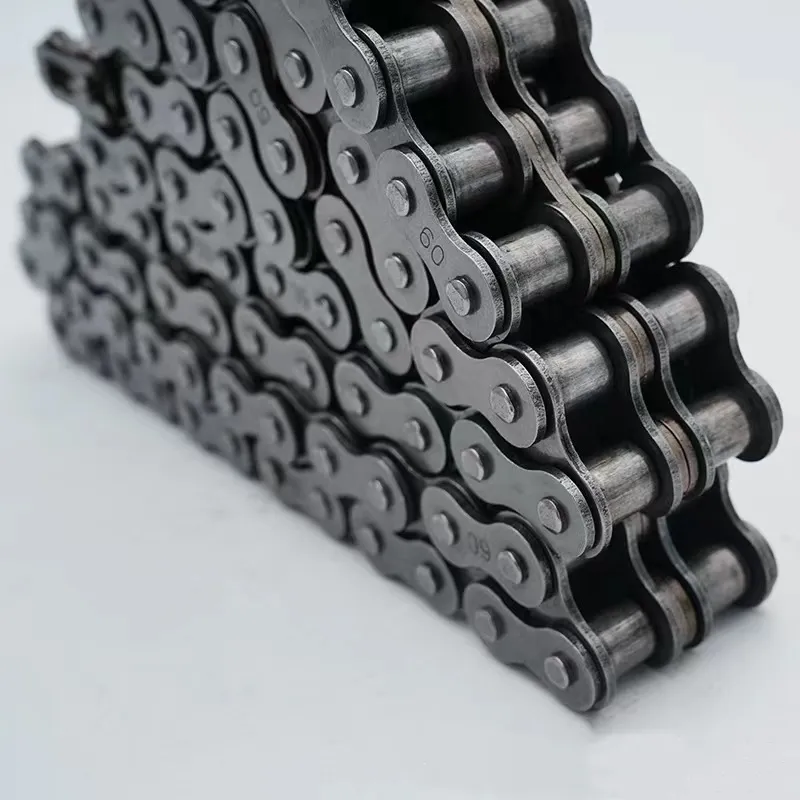
What are the noise and vibration characteristics of roller chains?
Roller chains exhibit specific noise and vibration characteristics during operation. Here’s a detailed answer to the question:
1. Noise Generation: Roller chains can produce noise during operation, especially when operating under certain conditions. The primary sources of noise in roller chains include the interaction between the chain and the sprockets, as well as the impact between the chain pins and the chain guide. The noise level can vary depending on factors such as chain speed, tension, lubrication, alignment, and wear.
2. Vibration: Roller chains can also generate vibrations during operation. These vibrations can be caused by various factors, including the chain’s interaction with the sprockets, chain tension, misalignment, and uneven wear. Excessive vibration can affect the performance and lifespan of the chain and other components in the system. It is important to minimize vibration to ensure smooth and reliable operation.
3. Noise and Vibration Reduction Measures: To mitigate noise and vibration in roller chain systems, several measures can be taken:
- Proper Lubrication: Adequate lubrication reduces friction between the chain and the sprockets, minimizing noise and vibration caused by metal-to-metal contact.
- Alignment and Tension: Ensuring proper alignment and tension of the chain helps to reduce noise and vibration. Misalignment or incorrect tension can lead to increased noise and vibration levels.
- Sprocket Design: The design and condition of the sprockets can affect noise and vibration. Sprockets with worn or damaged teeth can cause increased noise and vibration levels.
- Noise Dampening Elements: Adding noise dampening elements, such as rubber pads or guides, can help reduce the noise generated by the chain’s impact with the chain guides or other components.
- System Design: The overall system design, including the selection of compatible components and proper installation, can contribute to minimizing noise and vibration levels.
It’s important to regularly inspect and maintain the roller chain system to identify and address any sources of noise or excessive vibration. Proper lubrication, alignment, tensioning, and regular replacement of worn components are essential to ensure optimal performance, reduce noise, and minimize vibration in roller chain applications.
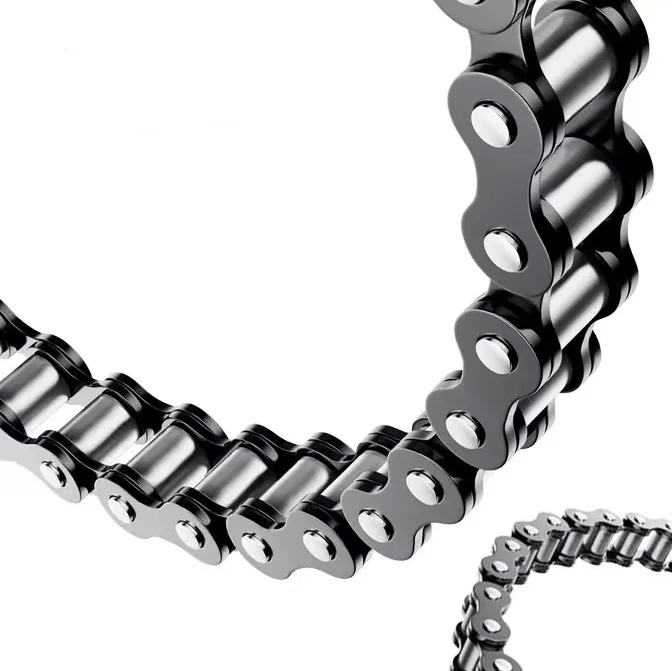
What are the advantages of using a roller chain over a timing belt?
Roller chains and timing belts are both commonly used for power transmission in various applications. Here’s a detailed answer to the question:
Advantages of using a roller chain:
1. Higher Load Capacity: Roller chains are capable of handling higher loads compared to timing belts. They are designed to transmit power in heavy-duty applications where high torque and shock loads are present.
2. Flexibility in Power Transmission: Roller chains are more versatile in terms of power transmission. They can transmit power over longer distances and are suitable for applications that require multiple shafts and complex power transmission routes.
3. Tolerance to Misalignment: Roller chains can tolerate more misalignment between the driving and driven sprockets compared to timing belts. They can accommodate slight angular misalignments and axial movements, making them suitable for applications where alignment precision is challenging.
4. Resistance to Harsh Environments: Roller chains are generally more resistant to contaminants, such as dirt, dust, and debris, compared to timing belts. They are commonly used in applications where exposure to harsh environments, such as high temperatures, chemicals, or abrasive particles, is expected.
5. Easy Maintenance and Replacement: Roller chains are relatively easy to maintain and replace. Regular lubrication, tension adjustment, and periodic inspection can help prolong their lifespan. In case of wear or damage, individual chain links can be replaced without the need for replacing the entire chain, making maintenance more cost-effective.
It’s important to note that the choice between a roller chain and a timing belt depends on various factors, including the specific application requirements, load conditions, speed, accuracy, and environmental considerations. Consulting with experts and considering the specific needs of the application can help determine the most suitable power transmission solution.
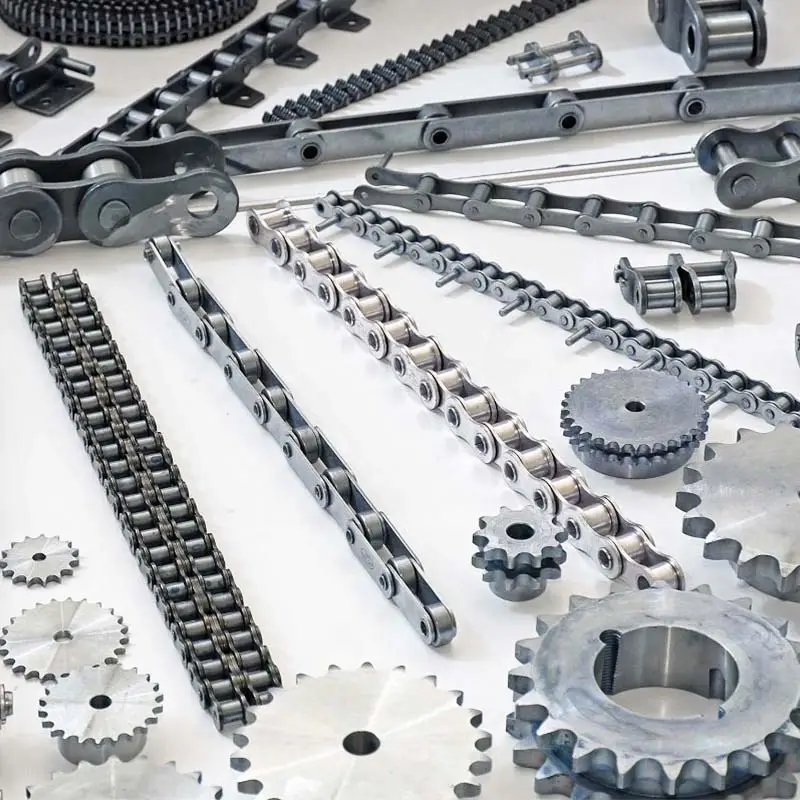
How do you determine the appropriate size and pitch of a roller chain?
Determining the appropriate size and pitch of a roller chain requires considering several factors. Here’s a detailed answer to the question:
1. Power Requirements: The first step is to determine the power requirements of the application. This includes the required torque and speed. The power transmitted by the roller chain depends on its size, so understanding the power requirements is crucial in selecting the appropriate chain.
2. Design Guidelines: Roller chain manufacturers provide design guidelines and specifications that outline the maximum allowable loads and speeds for different chain sizes. These guidelines take into account factors such as the number of teeth on the sprockets, the chain’s strength, and its ability to withstand the anticipated loads and speeds.
3. Sprocket Selection: The size and pitch of the roller chain must match the corresponding sprockets. It’s important to consider the number of teeth, the diameter, and the tooth profile of the sprockets. The roller chain and sprockets should be selected as a matched set to ensure proper engagement and efficient power transmission.
4. Application Considerations: The specific application requirements and environmental conditions should also be taken into account. Factors such as operating temperature, presence of contaminants, and required maintenance intervals may influence the choice of roller chain size and pitch.
5. Consultation with Experts: If you are unsure about the appropriate size and pitch of a roller chain for your application, it’s recommended to consult with roller chain manufacturers or industry experts. They can provide guidance based on their expertise and experience in similar applications.
By considering these factors and following the guidelines provided by roller chain manufacturers, you can determine the appropriate size and pitch of a roller chain that will effectively meet the power transmission requirements of your specific application.


editor by CX 2023-08-04
China best Wholesale Factory C2050 C2060 Industrial All Kinds of Transmission Conveyor Roller Chain
Product Description
|
Product |
Standard Double Pitch Roller chain |
||
|
Material |
40Mn steel,304 stainless steel, 316 stainless steel and 201 stainless steel. |
||
|
Types |
Standard chains and special chains, such as A or B series chains, roller chains, driving chains, conveyor chains, hoisting chains, agricultural chains, sprockets, gears, wheels and so on. |
||
|
Series |
A series(12.7-50.8mm pitches),B series (9.525-50.8mm pitches)and the heavy series. |
||
|
Short pitch precision roller chain |
Simplex Roller Chains&Bushing Chains: 04C-1,06C-1,085-1,08A-1,10A-1,12A-1,16A-1,20A-1,24A-1,28A-1,32A-1,36A-1,40A-1,48A-1 04C-2,06C-2,085-2,08A-2,10A-2,12A-2,16A-2,20A-2,24A-2,28A-2,32A-2,36A-2,40A-2,48A-2 04C-3,06C-2,085-3,08A-3,10A-3,12A-3,16A-3,20A-3,24A-3,28A-3,32A-3,36A-3,40A-3,48A-3 |
||
|
Chain link type |
Standard links (without attachment) and non-standard links (with attachment).
A1: One-side,one hole cranked attachments. |
||
|
Our Products Advantage |
1. Every step from production order to the packing process has a strict quality inspection. |
||
1.Fast delivery: Standard products can be delivered in as fast as 20 days
2.Good service: timely reply, prompt quotation, responsible for the product
3.High cost performance: can maintain price stability for a certain period of time, bringing greater profits to customers
4.Good quality: production and testing have corresponding supervision to ensure product quality and get high praise from customers
5.OEM service: products can be customized according to drawings and requirements
We are responsible for the ordered products. We are very confident in the products we produce. Of course, if you have any problems after receiving the goods, you can contact us directly. We will confirm and negotiate in time to solve your difficulties.
| Standard or Nonstandard: | Standard |
|---|---|
| Application: | Textile Machinery, Garment Machinery, Conveyer Equipment, Packaging Machinery, Food Machinery, Mining Equipment, Agricultural Machinery |
| Surface Treatment: | Oil Blooming |
| Structure: | Roller Chain |
| Material: | Alloy |
| Type: | Double Pitch Chain |
| Samples: |
US$ 35/kg
1 kg(Min.Order) | |
|---|
| Customization: |
Available
| Customized Request |
|---|
What are the benefits of using a roller chain in conveyor systems?
Roller chains offer numerous advantages when used in conveyor systems, making them a popular choice for material handling applications. Here’s a detailed answer to the question:
1. High Strength and Load Capacity: Roller chains are designed to withstand heavy loads and provide reliable power transmission in conveyor systems. They have excellent load-carrying capacity and can handle substantial weights, making them suitable for conveying bulk materials or heavy objects.
2. Smooth and Efficient Operation: Roller chains offer smooth and efficient operation in conveyor systems. The rollers on the chain engage with the sprockets, reducing friction and allowing the chain to move smoothly along the conveyor. This ensures efficient material transfer and minimizes energy consumption.
3. Wide Range of Sizes and Configurations: Roller chains are available in various sizes and configurations to accommodate different conveyor system designs and load requirements. This versatility allows for customization and ensures compatibility with different conveyor types, such as flat-top, slat, or apron conveyors.
4. Adaptability to Harsh Environments: Roller chains are capable of operating in harsh environments typically encountered in conveyor systems. They can withstand dust, dirt, moisture, and temperature variations, making them suitable for both indoor and outdoor applications. Additionally, roller chains can be made from corrosion-resistant materials or coated to enhance their durability in corrosive or abrasive environments.
5. Easy Maintenance and Replacement: Roller chains are relatively easy to maintain and replace in conveyor systems. Regular lubrication and inspection help extend the chain’s lifespan and prevent premature wear. If necessary, individual chain links or sections can be replaced without replacing the entire chain, minimizing downtime and maintenance costs.
6. Cost-Effectiveness: Roller chains are cost-effective compared to alternative conveyor systems. They offer a balance between performance, durability, and affordability, making them a cost-efficient choice for various industrial applications.
Overall, using a roller chain in conveyor systems provides high load capacity, smooth operation, adaptability to harsh environments, ease of maintenance, and cost-effectiveness. These benefits make roller chains an excellent choice for efficient material handling and transportation in industries such as manufacturing, distribution, logistics, and warehousing.
What are the advantages of using a roller chain over a timing belt?
Roller chains and timing belts are both commonly used for power transmission in various applications. Here’s a detailed answer to the question:
Advantages of using a roller chain:
1. Higher Load Capacity: Roller chains are capable of handling higher loads compared to timing belts. They are designed to transmit power in heavy-duty applications where high torque and shock loads are present.
2. Flexibility in Power Transmission: Roller chains are more versatile in terms of power transmission. They can transmit power over longer distances and are suitable for applications that require multiple shafts and complex power transmission routes.
3. Tolerance to Misalignment: Roller chains can tolerate more misalignment between the driving and driven sprockets compared to timing belts. They can accommodate slight angular misalignments and axial movements, making them suitable for applications where alignment precision is challenging.
4. Resistance to Harsh Environments: Roller chains are generally more resistant to contaminants, such as dirt, dust, and debris, compared to timing belts. They are commonly used in applications where exposure to harsh environments, such as high temperatures, chemicals, or abrasive particles, is expected.
5. Easy Maintenance and Replacement: Roller chains are relatively easy to maintain and replace. Regular lubrication, tension adjustment, and periodic inspection can help prolong their lifespan. In case of wear or damage, individual chain links can be replaced without the need for replacing the entire chain, making maintenance more cost-effective.
It’s important to note that the choice between a roller chain and a timing belt depends on various factors, including the specific application requirements, load conditions, speed, accuracy, and environmental considerations. Consulting with experts and considering the specific needs of the application can help determine the most suitable power transmission solution.
How do you tension a roller chain correctly?
Proper tensioning of a roller chain is crucial for its optimal performance and longevity. Here’s a detailed answer to the question:
1. Initial Installation: When installing a roller chain, it’s important to ensure that it has the correct tension from the beginning. Start by positioning the sprockets at their desired locations, ensuring proper alignment. Then, adjust the position of the shafts or tensioning devices to achieve the desired chain tension.
2. Check the Slack: After installation, check the slack or sag in the chain. The ideal tension allows for a small amount of slack to accommodate articulation around the sprockets. The slack should be uniform along the chain’s length.
3. Adjust the Tensioner: If the chain tension is too loose, adjust the tensioner to take up the slack. Tensioners can be spring-loaded devices, adjustable bolts, or idler sprockets designed to maintain proper tension. Follow the manufacturer’s instructions or recommended guidelines to set the tensioner to the appropriate position.
4. Measure the Deflection: Another method to ensure correct chain tension is to measure the chain deflection. Apply a slight force perpendicular to the chain midway between the sprockets. The deflection should typically be within a specified range, depending on the chain size and application. Refer to the manufacturer’s guidelines for the recommended deflection values.
5. Regular Inspections: Regularly inspect the chain tension to ensure it remains within the desired range. Factors such as wear, elongation, and changes in operating conditions can affect chain tension over time. Adjust the tension as necessary to maintain optimal performance.
6. Follow Manufacturer’s Recommendations: It’s important to follow the manufacturer’s recommendations for chain tensioning specific to the type and model of roller chain being used. These guidelines will provide specific instructions based on the chain’s design, load capacity, and intended application.
Proper tensioning of a roller chain helps ensure smooth operation, minimize wear, reduce the risk of failure, and extend the chain’s lifespan. It’s essential to regularly monitor and adjust the tension as needed, especially during routine maintenance checks, to maintain optimal performance and prevent potential issues.
editor by CX 2023-08-02
China Professional Chain Factory of Agricultural Rice Conveyor Roller Chain Transmission Chain and Industrial Conveyor Drive Chain with Attachment X348 X458 X678
Product Description
About Factory
With more than 18 years’ histiory, we are a professinal manufacturer for drop forged products such as forged chain (X348 X458 X658 X678 X698 F100 F160), scraper chain (10160, 14218, 14226, 142N), conveyor trolley (X348, X458, X678, XT160), and drive chain (X348, X458, X678), and so forth standard moulds of chain.
Besides, we can also produce as per your drawing or sample, special link chain, pusher, pin and plate, according to customers’ unique requirements.
Product Description
1) Material: Alloy steel, 40Cr, 42CrMo and so on.
2) Types: Standard types, X348 X458 X678, and so on. (Or as per your drawing)
3) Process: Moulding→Forging→Polishing & Blasting→Fine machining→Heat treatment→Blasting→Inspecting & testing→Packing
Product Show
Technical Data
| Model | Dimension | Weight (Kg) | Material | Hardness | Working Load (KN) | Limit Load (KN) | ||||||
| P | T | C | S | F | R | D | ||||||
| 10160B | 101.6 | 24 | 36 | 13 | 14 | 6 | 14 | 0.32 | 20CrMnTi | Surface HRC56-64° Depth 0.6-1.2mm |
18 | 100 |
| 10160 | 101.6 | 30 | 36 | 13 | 14.5 | 9 | 14 | 0.36 | 20CrMnTi | Surface HRC56-64° Depth 0.6-1.2mm | 21.6 | 120 |
| 14218 | 142 | 42 | 50 | 19 | 20.5 | 11 | 25 | 1.15 | 20CrMnTi | Surface HRC56-64° Depth 0.6-1.2mm | 48.6 | 270 |
| 14226 | 142 | 62 | 50 | 28 | 30 | 15 | 25 | 1.75 | 20CrMnTi | Surface HRC56-64° Depth 0.6-1.2mm | 61.2 | 340 |
| 2571 | 200 | 66 | 60 | 30 | 32 | 18 | 30 | 2.8 | 20CrMnTi | Surface HRC56-64° Depth 0.6-1.2mm | 72 | 400 |
| 26014 | 260 | 70 | 75 | 31 | 33 | 20 | 34 | 5.2 | 20CrMnTi | Surface HRC56-64° Depth 0.6-1.2mm | 135 | 750 |
| 142N | 142 | 43 | 50 | 19 | 22 | 12.5 | 25 | 1.2 | 40Cr | Quench HRC36-44° | 75.6 | 420 |
| 150D | 142 | 42 | 50 | 19 | 20.5 | 11 | 25 | 1.15 | 40Cr | Quench HRC36-44° | 75.6 | 420 |
| MG20 | 200 | 70 | 50 | 27 | 29 | 17 | 35 | 3.78 | 40Cr | Quench HRC36-44° | 144 | 800 |
| MG20B | 200 | 70 | 50 | 27 | 29 | 17 | 30 | 3.82 | 40Cr | Quench HRC36-44° | 140.4 | 780 |
| MG20C | 200 | 70 | 50 | 27 | 29 | 17 | 28 | 3.85 | 40Cr | Quench HRC36-44° | 122.4 | 680 |
| MS32 | 200 | 42 | 50 | 20 | 22 | 12 | 25 | 1.4 | 40Cr | Quench HRC36-44° | 75.6 | 420 |
| MS55 | 200 | 80 | 70 | 35 | 38 | 25 | 28 | 4.36 | 40Cr | Quench HRC36-44° | 138.6 | 770 |
| 3006 | 200 | 65 | 70 | 30 | 33 | 24 | 32 | 3.6 | 40Cr | Quench HRC36-44° | 160.2 | 890 |
| MS63 | 250 | 70 | 80 | 30 | 33 | 20 | 32 | 4.93 | 40Cr | Quench HRC36-44° | 147.6 | 820 |
| S16 | 100 | 30 | 27 | 15 | 16 | 8 | 14 | 0.3 | 40Cr | Quench HRC36-44° | 16 | 88 |
| S20 | 125 | 34 | 33 | 17 | 18 | 8 | 17 | 0.37 | 40Cr | Quench HRC36-44° | 19.4 | 108 |
| S25 | 160 | 48 | 39 | 23 | 25 | 13 | 20 | 1.28 | 40Cr | Quench HRC36-44° | 55.8 | 310 |
| S30 | 142 | 46 | 49 | 22 | 23.5 | 14 | 25 | 1.3 | 40Cr | Quench HRC36-44° | 91.8 | 510 |
| Z16 | 100 | 40 | 35 | 18 | 20 | 12 | 17 | 0.4 | 40Cr | Quench HRC36-44° | 32.4 | 180 |
| Z20 | 125 | 50 | 46 | 24 | 26 | 15 | 20 | 0.67 | 40Cr | Quench HRC36-44° | 59.4 | 330 |
| Z20D | 125 | 52 | 60 | 24 | 26 | 16 | 26 | 1.15 | 40Cr | Quench HRC36-44° | 82.8 | 460 |
| Z25 | 160 | 58 | 55 | 28 | 30 | 18 | 25 | 2.25 | 40Cr | Quench HRC36-44° | 82.8 | 460 |
| Z25D | 160 | 66 | 64 | 29 | 31 | 22 | 28 | 2.6 | 40Cr | Quench HRC36-44° | 120.6 | 670 |
| Z30 | 142 | 64 | 50 | 29 | 30.5 | 18 | 25 | 1.8 | 40Cr | Quench HRC36-44° | 111.6 | 620 |
Products & Testing Equipments
Products Application
Packing & Delivery
Why Choose Us?
1. We are engaged in chain industry over 15 years with rich market experience. We keep improving production techniques. All the products have longer working life and have passed the market test.
2. We can design the correct chains with high quality material, good abrasion resistance, good corrosion, high strengthen and etc as per your request or the chain application.
3. We are the chain manufacturer; you can directly purchase the product from us with low price and high quality.
4. We have a professional team for international trade, they have abundant experiences and are always ready to solve problems for customers. So you have nothing to worry about.
5. We have the long-term cooperative forwarder who can give us the lowest freight. And it can help you to save the freight. What’s more, for the FCL, we will design the packages as per the container sizes with the largest capacity to save the shipping cost for both of us.
| Standard or Nonstandard: | Standard |
|---|---|
| Application: | Textile Machinery, Garment Machinery, Conveyer Equipment, Packaging Machinery, Electric Cars, Motorcycle, Food Machinery, Mining Equipment, Agricultural Machinery, Coating, Spraying, Mining, Slaughtering, Assembly |
| Surface Treatment: | Polishing |
| Structure: | Combined Chain |
| Material: | Alloy |
| Type: | Cranked Link Chain |
| Samples: |
US$ 5/Piece
1 Piece(Min.Order) | |
|---|
| Customization: |
Available
| Customized Request |
|---|
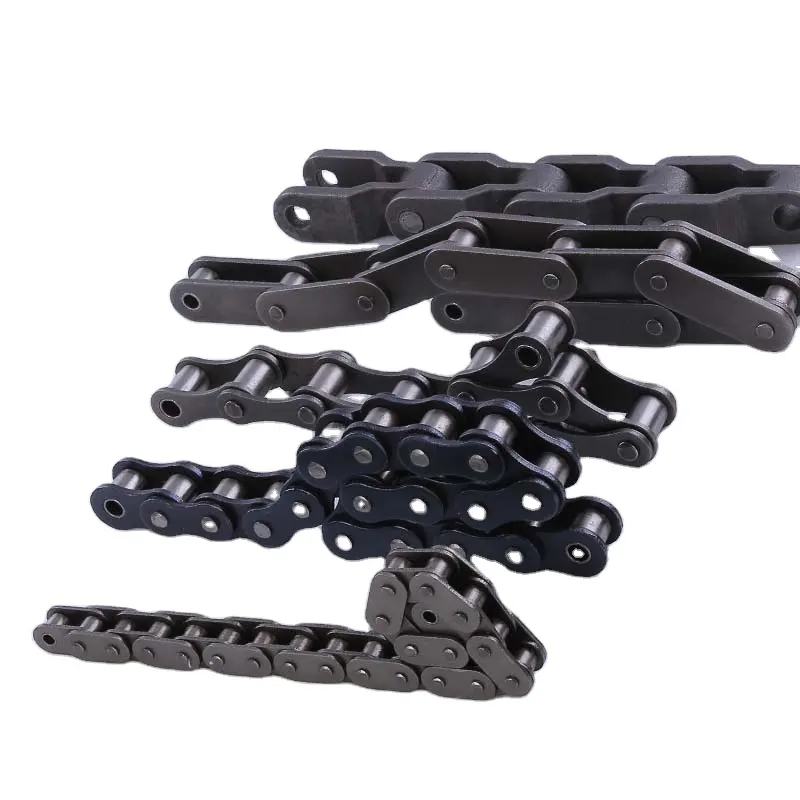
How do roller chains handle high torque loads?
Roller chains are designed to handle high torque loads effectively. Here’s a detailed answer to the question:
1. Robust Construction: Roller chains are constructed using high-quality materials and precise manufacturing techniques to ensure strength and durability. They are designed to withstand the forces generated by high torque loads without deformation or failure.
2. Load Distribution: Roller chains distribute the high torque load evenly across their links and pins. This even distribution helps prevent concentrated stress points and ensures that each link carries a portion of the load, reducing the risk of chain failure.
3. Fatigue Resistance: Roller chains are designed to resist fatigue caused by repeated stress cycles. They have sufficient strength and resilience to endure the high torque loads encountered during operation without experiencing premature wear or failure.
4. Proper Lubrication: Adequate lubrication is crucial for the smooth operation and longevity of roller chains under high torque loads. Lubrication reduces friction, minimizes wear, and helps dissipate heat generated by the increased forces. Proper lubrication ensures that the chain operates efficiently and extends its lifespan.
5. Tensile Strength: Roller chains are engineered to have high tensile strength, which allows them to withstand the tension created by high torque loads. The tensile strength of the chain ensures that it can handle the pulling force exerted by the rotating sprockets without elongation or failure.
6. Sprocket Selection: The choice of sprockets also plays a significant role in handling high torque loads. Sprockets should be matched appropriately with the roller chain to ensure proper engagement and efficient power transmission. Selecting sprockets with the appropriate tooth profile, material, and design helps optimize the performance and longevity of the chain under high torque conditions.
Roller chains have been extensively used in applications that require the transmission of high torque, such as heavy machinery, industrial equipment, and automotive systems. Their robust construction, load distribution capabilities, fatigue resistance, proper lubrication, high tensile strength, and compatibility with well-designed sprockets make them reliable and efficient in handling high torque loads.
Can roller chains be used for power transmission in pumps and compressors?
Yes, roller chains can be used for power transmission in pumps and compressors. Here’s a detailed answer to the question:
1. Power Transmission: Roller chains are widely used in various industries for transmitting power between rotating components. In pumps and compressors, roller chains can efficiently transfer power from the motor to the impeller or compressor wheel, enabling the pumping or compression action.
2. Versatility: Roller chains are available in different sizes, pitches, and configurations, making them suitable for various power transmission requirements. They can accommodate a wide range of power levels and speeds, allowing pumps and compressors to operate effectively in different applications and conditions.
3. Load Handling: Pumps and compressors typically involve dynamic loads due to the movement of fluids and gases. Roller chains are designed to handle these dynamic loads effectively. The multiple rollers and pins in the chain distribute the load evenly, minimizing stress concentrations and ensuring smooth power transmission.
4. Durability: Roller chains are known for their durability and resistance to wear. They are designed to withstand demanding operating conditions, including high speeds, fluctuating loads, and exposure to contaminants. Proper lubrication and maintenance further enhance their longevity and reliability in pump and compressor applications.
5. Easy Installation and Maintenance: Roller chains offer ease of installation and maintenance. They can be easily installed, adjusted, and tensioned to ensure proper alignment and operation. Routine maintenance tasks such as lubrication and inspection can help optimize chain performance and identify any potential issues.
It’s important to select the appropriate roller chain based on the specific requirements of the pump or compressor, considering factors such as power transmission capacity, speed, load characteristics, and environmental conditions. Regular inspection and maintenance are crucial to ensure optimal performance and to detect any signs of wear or damage that may require replacement or repair.
What safety precautions should be taken when working with roller chains?
Working with roller chains requires following specific safety precautions to ensure the well-being of operators and prevent accidents. Here is a detailed answer to the question:
1. Personal protective equipment (PPE): Operators should wear appropriate PPE, including safety goggles, gloves, and protective clothing, to protect themselves from potential hazards such as flying debris, oil splashes, or pinch points.
2. Training and knowledge: Operators should receive proper training on the safe operation and maintenance of roller chains. They should be familiar with the equipment’s components, functions, and potential hazards associated with chain handling, tensioning, and lubrication.
3. Lockout/tagout procedures: Before performing any maintenance or repair work on machinery equipped with roller chains, proper lockout/tagout procedures should be followed to isolate and de-energize the equipment. This ensures that unexpected startup or movement of the chain does not occur, reducing the risk of accidents.
4. Inspection and maintenance: Regular inspection and maintenance of roller chains are essential to identify any signs of wear, damage, or misalignment. Operators should follow the manufacturer’s guidelines for inspection intervals and perform necessary maintenance tasks, such as lubrication, tension adjustment, and sprocket alignment, to keep the chain in optimal condition.
5. Proper tensioning: Maintaining the correct tension in the roller chain is crucial for its safe and efficient operation. Overly tight or loose chains can lead to excessive stress, premature wear, and potential chain failure. Operators should adhere to the recommended tensioning guidelines provided by the manufacturer.
6. Guarding and barriers: Installing appropriate guarding and barriers around roller chain assemblies can help prevent accidental contact with moving parts. This includes the use of chain guards, covers, or enclosures to minimize the risk of entanglement or injury.
7. Cleanliness and housekeeping: Keeping the work area clean and free from debris, oil spills, or other potential hazards is important to maintain a safe working environment. Regular cleaning of the roller chain and surrounding equipment helps prevent contamination, improves performance, and reduces the risk of slips and falls.
8. Risk assessment: Before working with roller chains, it is essential to conduct a thorough risk assessment to identify potential hazards and implement appropriate control measures. This includes evaluating factors such as load capacity, speed, environmental conditions, and specific requirements for the application.
By following these safety precautions, operators can minimize the risk of accidents and ensure the safe operation of machinery equipped with roller chains.
editor by CX 2023-07-25
China supplier High Quality Professional China Factory (ANSI, BS, DIN, JIS Standard) Motorcycle Hollow Pin Palm Oil Sugar Mill Stainless Steel Ice Cream Conveyor Roller Chain
Product Description
Professional Standard C216ALSS-I Type Conveyor Chain For Ice Cream
C216ALSS-I type chain is a transmission chain for ice cream production and conveying machinery. The pitch is 50.8mm. The roller material is made of reinforced nylon and machined. It is not injection molded and it is wear-resistant, low-temperature resistant, and not easy to break. The chain piece is made of stainless steel 304, with high hardness, low temperature resistance and not easy to break. The main parameters of the product comply with ISO, ANSI, DIN, BS, JIS standards
HangZhou CZPT Industry Co., Ltd. is a specialized supplier of a full range of chains.
Due to our CZPT in offering best service to our clients, understanding of your needs and overriding sense of responsibility toward filling ordering requirements, we have obtained the trust of buyers worldwide. Having accumulated precious experience in cooperating with foreign customers, our products are selling well in the American, European, South American and Asian markets.Our products are manufactured by modern computerized machinery and equipment. Meanwhile, our products are manufactured according to high quality standards, and complying with the international advanced standard criteria.
With many years’ experience in this line, we will be trusted by our advantages in competitive price, one-time delivery, prompt response, on-hand engineering support and good after-sales services.
Additionally, all our production procedures are in compliance with ISO9001 standards. We also can design and make non-standard products to meet customers’ special requirements. Quality and credit are the bases that make a corporation alive. We will provide best services and high quality products with all sincerity. If you need any information or samples, please contact us and you will have our soon reply.
FAQ:
Q1: Are you trading company or manufacturer ?
A: We are factory.
Q2: How long is your delivery time and shipment?
1.Sample Lead-times: generally 30 workdays.
2.Production Lead-times: 60 workdays after getting your deposit.
Q3. What is your terms of payment?
A: T/T 30% as deposit, and 70% before delivery.
We’ll show you the photos of the products and packages before you pay the balance.
Q4: What is your advantages?
1. Manufacturer,the most competitive price and good quality.
2. Perfect technical engineers give you the best support.
3. OEM is available.
4. Rich stock and quick delivery.
Q5. If you can’t find the product on our website,what do you next?
Please send us inquiry with product pictures and drawings by email or other ways and we’ll check
|
Shipping Cost:
Estimated freight per unit. |
To be negotiated |
|---|
| Standard or Nonstandard: | Standard |
|---|---|
| Application: | Textile Machinery, Garment Machinery, Conveyer Equipment, Food Machinery |
| Surface Treatment: | Polishing |
| Samples: |
US$ 50/Meter
1 Meter(Min.Order) | Order Sample |
|---|
| Customization: |
Available
| Customized Request |
|---|

Can hollow pin chains be used in waste management and recycling equipment?
Yes, hollow pin chains can be used in waste management and recycling equipment, and they offer several advantages for these applications.
- Strength and Load Capacity: Waste management and recycling equipment often handle heavy and bulky materials. Hollow pin chains, designed to handle moderate to heavy loads, are well-suited for these demanding applications.
- Attachment Options: Hollow pin chains can be equipped with various attachments, such as pushers or cleats, to assist in material handling and transfer during the waste sorting and recycling processes.
- Flexibility: Hollow pin chains have a certain degree of flexibility, allowing them to navigate around bends and sprockets smoothly. This feature is beneficial in waste management and recycling equipment that requires material conveyance through complex layouts.
- Reduced Weight: The hollow pin design reduces the weight of the chains, resulting in lower inertia during starts and stops. This feature allows for smoother and more efficient operation in waste management and recycling equipment.
- Corrosion Resistance: Waste management and recycling environments may involve exposure to moisture and potentially corrosive substances. Stainless steel hollow pin chains offer excellent corrosion resistance, ensuring durability and prolonged service life in such conditions.
- Easy Maintenance: Hollow pin chains are relatively easy to maintain, with accessible pins and links. Regular lubrication and inspection can help extend the chain’s life and ensure continuous operation in waste management and recycling equipment.
However, several factors should be considered when using hollow pin chains in waste management and recycling equipment:
- Contaminants: Waste materials can be abrasive and contain contaminants that may accelerate chain wear. Regular cleaning and maintenance are essential to prevent excessive wear and reduce the risk of premature chain failure.
- Impact Loads: Some waste management and recycling processes involve impact loads during material sorting and handling. Choosing a chain with robust construction and material strength can withstand these loads and minimize wear.
- Proper Chain Selection: Selecting the appropriate chain size, strength, and material is critical to ensure the chain can handle the specific requirements of the waste management and recycling equipment.
In conclusion, hollow pin chains are a suitable choice for waste management and recycling equipment, offering strength, flexibility, attachment options, reduced weight, corrosion resistance, and ease of maintenance. Proper chain selection, installation, and maintenance are essential to ensure the chain’s reliable performance in these challenging applications.

What are the limitations of using hollow pin chains in certain applications?
Hollow pin chains offer several advantages, but there are limitations to consider when using them in certain applications. Here are some of the key limitations:
- Heavy Shock Loads: While hollow pin chains are designed to handle moderate to heavy loads, they may not be suitable for applications with extremely heavy shock loads or sudden impacts. Such conditions can lead to accelerated wear and chain failure.
- High-Speed Applications: While hollow pin chains can handle moderate speeds effectively, they may not be the best choice for extremely high-speed applications. At very high speeds, the flexibility of the chain may result in vibration and decreased performance.
- Temperature Extremes: Hollow pin chains may not perform well in applications with extreme temperature variations. In high-temperature environments, the lubrication may degrade faster, leading to increased friction and wear. In very low temperatures, the chain’s flexibility may be reduced, affecting its performance.
- Chemical Exposure: In applications where the chain is exposed to aggressive chemicals or corrosive substances, careful material selection is essential. While stainless steel hollow pin chains offer some corrosion resistance, they may still be affected by certain chemicals and environments.
- High Precision Requirements: Hollow pin chains may not be suitable for applications with extremely high precision requirements. Their design allows for some degree of flexibility, which might not be ideal for applications where precise positioning is critical.
- Long Distance Conveyor Systems: In long-distance conveyor systems, where the chain spans over considerable lengths, elongation of the chain can become an issue over time, leading to the need for more frequent tension adjustments and maintenance.
It’s essential to thoroughly evaluate the specific requirements and conditions of an application before selecting hollow pin chains. While they offer many benefits in various scenarios, understanding their limitations can help make informed decisions and ensure the best chain choice for the intended use.

Can hollow pin chains be repaired or must they be completely replaced?
Hollow pin chains can often be repaired, depending on the extent of the damage and the specific chain design. However, the repairability of the chain may vary between manufacturers and chain types. Here are some considerations:
- Replacement of Individual Components: In some cases, only specific components of the hollow pin chain, such as pins, bushings, or rollers, may be damaged or worn. These individual components can be replaced without replacing the entire chain.
- Chain Elongation: If the chain has experienced significant elongation due to wear, it may not be repairable, and a complete replacement might be necessary.
- Manufacturer’s Guidelines: Refer to the manufacturer’s guidelines for the chain’s repairability and allowable limits for wear and elongation. Some manufacturers may provide specific instructions on when a chain should be repaired or replaced.
- Safety and Performance: Before deciding on repairs, consider the safety implications and the chain’s performance requirements. If repairs compromise the chain’s integrity or performance, replacement is the safer option.
- Professional Inspection: For critical applications or situations where the chain’s condition is uncertain, have the chain inspected by a qualified professional to determine if repairs are feasible.
In general, it is best to follow the manufacturer’s recommendations and industry best practices for maintenance and replacement. Regular inspection and maintenance can help identify issues early on and prevent further damage. When in doubt about the chain’s condition or repair options, consult with the manufacturer or an experienced professional to make the most appropriate decision for the specific situation.
editor by CX 2023-07-24
China Hot selling Hot Selling Factory Durable Stainless Steel Roller Motorcycle Hollow Pin Conveyor Driving Chain
Product Description
Product Description
Product Parameters
| Standard | GB, ISO, ANSI, DIN |
| Type | Standard A and standard B precision roller chain, conveyor chain; |
| special chain with accessories, welding chain, leaf chain and sprocket | |
| ANSI chain No. | 40,50,60,80,100,120,140,160,180,200,240; |
| C40,C50,C60,C80,C100,C120,C140,C160; | |
| DIN/ISO chain No. | 08A,10A,12A,16A,20A,24A,28A,32A,36A,40A,48A; |
| C08A,C10A,C12A,C16A,C20A,C24A,C28A,C32A; | |
| Application | Food processing, pharmaceutical and chemical industries, electronics, machinery; |
| household appliances, automotive manufacturing, metallurgy, sewage treatment | |
| Series | A series,B series |
More Products
Advantage
Certifications
DETAILS ABOUT CZPT CHAIN
Exhibition
Workshop
Application
Packaging Details
Shipping
Contact Information
FAQ
1. Are you manufacturer or trade Company?
We are a factory founded in 1997 with trade team for international service.
2. What terms of payment you usually use?
T/T 30% deposit and 70% against document, Western Union, L/C at sight
3. What is your lead time for your goods?
Normally 35 days after confirmed order. 30 days could be available in low season for some items (during May to July), and 45 days during new year and hot season ( Jan to March).
4. Samples
For customers who need sample confirmation before ordering, please bear in mind that the following policy will be adopted:
1) All samples are free of charge with the maximum value not exceeding USD 100.
2) The courier cost for the first-time sample sending will be charged for by the consignee. We will send the samples with freight to be collected. So please inform your account with FedEx, UPS, DHL or TNT so that we can proceed promptly.
3) The first-time courier cost will be totally deducted from the contract value of the trial cooperation.
4) OEM/ODM are both available.
| Usage: | Transmission Chain, Drag Chain, Conveyor Chain, Dedicated Special Chain |
|---|---|
| Material: | Stainless steel |
| Surface Treatment: | Polishing |
| Feature: | Heat Resistant |
| Chain Size: | 1/2"*11/128" |
| Structure: | Roller Chain |
| Samples: |
US$ 1/Meter
1 Meter(Min.Order) | |
|---|
| Customization: |
Available
| Customized Request |
|---|

Can hollow pin chains be used in marine or underwater applications?
Yes, hollow pin chains can be used in marine or underwater applications, and they can offer several benefits for such uses.
- Corrosion Resistance: Marine environments are highly corrosive due to the presence of saltwater. Hollow pin chains made from stainless steel or other corrosion-resistant materials are well-suited for these conditions, as they can withstand the corrosive effects of seawater and ensure prolonged service life.
- Reduced Weight: The hollow pin design results in lighter chains, which can be advantageous in marine or underwater applications where reducing weight is desirable to minimize the load on equipment and improve overall efficiency.
- Attachment Options: Hollow pin chains can be equipped with various attachments, making them versatile for different marine applications, such as securing cargo, operating shipboard equipment, or marine propulsion systems.
- Resistance to Marine Organisms: Stainless steel hollow pin chains are less prone to fouling and buildup of marine organisms, such as algae and barnacles, compared to some other materials. This characteristic reduces maintenance requirements and helps maintain the chain’s performance in marine environments.
- Sealing and Protection: In underwater applications, some hollow pin chains can be equipped with additional seals or coatings to provide further protection against water ingress and enhance the chain’s durability.
However, there are specific considerations to keep in mind when using hollow pin chains in marine or underwater applications:
- Regular Inspection and Maintenance: Despite their corrosion resistance, regular inspection and maintenance are necessary to monitor the chain’s condition and address any issues promptly.
- Depth and Pressure: For deep-sea applications, the chain must be designed to withstand the increased water pressure at greater depths.
- Lubrication: Proper lubrication is crucial for smooth operation and to reduce friction in underwater conditions.
- Material Selection: Choosing the right material, such as stainless steel or other suitable alloys, is essential to ensure the chain’s performance and longevity in marine environments.
In conclusion, hollow pin chains made from corrosion-resistant materials, such as stainless steel, are suitable for marine and underwater applications. Their corrosion resistance, reduced weight, attachment options, and resistance to marine organisms make them valuable for various marine-related uses, provided proper maintenance and material selection considerations are taken into account.

What are the noise and vibration characteristics of hollow pin chains?
Hollow pin chains exhibit specific noise and vibration characteristics that can vary based on factors such as design, material, lubrication, and operating conditions.
- Noise Characteristics:
- Noise Level: Hollow pin chains generally produce less noise compared to some other types of chains, such as roller chains. The design of the hollow pins allows for smoother movement and reduced friction, resulting in quieter operation.
- Impact Noise: Hollow pin chains can generate impact noise when engaging sprockets or other components due to the design of the pins. This impact noise can be minimized by using proper lubrication and maintaining the chain at the recommended tension levels.
- Maintenance Impact: Noise from hollow pin chains can increase if the chain is not adequately lubricated or if it experiences wear and elongation. Regular maintenance, including lubrication and tension adjustments, is essential to reduce noise levels and prolong chain life.
- Vibration Characteristics:
- Vibration Damping: Hollow pin chains typically offer better vibration damping properties compared to solid pin chains. The hollow design of the pins allows for some degree of flexibility, which can help reduce vibrations in certain applications.
- High-Speed Vibration: At high speeds, hollow pin chains may experience more vibration compared to lower speeds. Adequate lubrication and precision manufacturing are critical to minimize vibration and ensure smooth operation at high speeds.
- Impact-Related Vibration: Like impact noise, hollow pin chains can produce vibrations during engagement with sprockets or other components. Proper lubrication and chain tension are essential to minimize impact-related vibrations.
Overall, the noise and vibration characteristics of hollow pin chains are generally favorable, especially when properly maintained and used within their design limits. The choice of lubrication, tension control, and material selection can significantly impact the noise and vibration levels experienced during the operation of hollow pin chains.

How do you select the right size and pitch for a hollow pin chain?
Selecting the correct size and pitch for a hollow pin chain is crucial to ensure optimal performance and longevity in a given application. Here are the key steps to guide you in the selection process:
- Identify the Application Requirements: Understand the specific requirements of the application, including the type of load, operating environment, speed, and temperature.
- Calculate the Chain Load: Determine the maximum load the chain will need to handle during operation. Consider both the static and dynamic loads to account for any sudden or impact loads.
- Calculate the Chain Speed: Determine the speed at which the chain will operate. Higher speeds may require special considerations for chain selection.
- Calculate the Pitch: The pitch of a chain refers to the distance between adjacent pins. Calculate the pitch required for your application based on the drive sprocket’s teeth and the desired speed and ratio.
- Consider the Roller Diameter: The roller diameter is essential for smooth engagement with the sprockets. Larger rollers typically offer better performance and higher load-carrying capacity.
- Check for Attachment Points: If your application requires attachments or special configurations, ensure that the hollow pin chain you choose has the necessary attachment points to accommodate them.
- Verify the Material: Select a hollow pin chain made from the appropriate material based on factors like environmental conditions, chemical exposure, and temperature range.
- Consult Manufacturer Guidelines: Always refer to the manufacturer’s specifications and guidelines for the specific hollow pin chain series or type you intend to use.
- Consider Safety Factors: Applying a safety factor to your calculations ensures the chain can handle unexpected overloads or variations in operating conditions.
By carefully considering these factors and calculations, you can confidently select the right size and pitch for a hollow pin chain that will meet the demands of your application and provide reliable performance over time.
editor by CX 2023-07-21
China manufacturer ISO16949: 2009 Approved Professional factory made industrial conveyor standard chain roller chain breaker tool
Product Description
ISO16949: 2009 Approved Industrial Chain
Why Choose Us?
1. HangZhou Xihu (West Lake) Dis.hua Chain Group Co., Ltd established in 1991, we have 5 subsidiaries in china and have 6 subsidiaries abroad;
2. we covering a production area of 200,100 square meters, have more than 1,800 sets of advanced equipment and over 3,100 highly skilled employees, the annual production capacity has exceeded 20,000,000meters;
3. we specialized in producing all kinds of standard chains and special chains, such as A or B series chains, driving chains, conveyor chains, hoisting chains, agricultural chains, sprockets, industrial chains, sprockets, gears, wheels and so on;
4. we have obtained ISO9001, ISO14001, ISO16969, AAA and API certificates.
5. Our partners among world top enterprises, such as JOHNDEERE, NEW HOLLAND, CLAAS, HONDA, KUBOTA, YANMAR, etc.
1. Industrial Chain Parts
2. Production flow chart
1. Incoming material
2. Inspection
3. Production of chain board (cold roll steel/punch/heat treatment/shot blasting/cleaning)
4. Production of roller(burr wiping & smear/heat treatment/wiping grinding/cleaning)
5. Production of quill(burr wiping & smear/centerless cylindrical grinding/heat treatment/shining)
6. Production of shaft(cutting/chamfering/heat treatment/ centerless cylindrical grinding/cleaning)
7. Assembling
8. Final inspection
9. Packing
3. Certificate
4. Company Information
HangZhou Xihu (West Lake) Dis.hua Chain Group Co., Ltd was founded in 1 9 9 1, and now it has five wholly owned subsidiaries, one in ZheJiang province, other four in HangZhou, ZHangZhoug province, it is a professional manufacturer of chains, sprockets, tooth gears and various power transmission products.
The group has XIHU (WEST LAKE) DIS.HUA, ZIQIANG brands, is focused on producing all variety of standard roller chains and special chains, such as conveyor chain, stainless steel chain, agricultural chain. With Xihu (West Lake) Dis.hua brand registered in more than 70 countries like America, Europe, Japan, it is building long term cooperation with these world top enterprises, such as JOHNDEERE, NEW HOLLAND, CLAAS, HONDA, KUBOTA, YANMAR.
There is a technical center of province level, Xihu (West Lake) Dis.hua academician working station, experiment station for Xihu (West Lake) Dis.hua post doctors, and national hundreds of program set up in Xihu (West Lake) Dis.hua group. With these platforms and strong technical ability, the more than hundreds of Engineers and technicians have developed all variety of special high precise and high strength products, conducted mold programs for key components in the car and national industry revitalizing program.
Great attention has been paid on environmental protection and energy saving. The product well displays environmental protection and energy saving. In the year of 2 0 0 0, Xihu (West Lake) Dis.hua took the lead in gaining I S O 1 4 0 0 1 environment management certificate and thereafter passed the inspection of clean production and recycling economy, winning the title of “ZHangZhoug Green Enterprise”.
“We are always serving our customers with our best products.”
| Usage: | Conveyor Chain |
|---|---|
| Material: | Alloy/Carbon Steel |
| Surface Treatment: | Electroplating |
| Feature: | Heat Resistant |
| Chain Size: | 1/2"*11/128" |
| Structure: | Roller Chain |
| Customization: |
Available
| Customized Request |
|---|
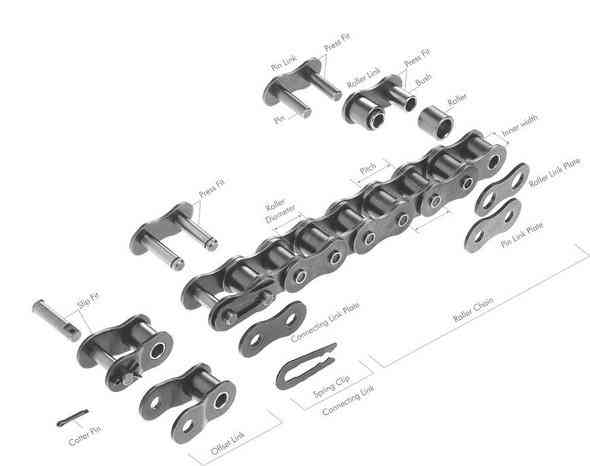
Choosing a drive chain for a belt conveyor
The drive chain is used to move heavy objects on the conveyor chain. Chains are magnetic, antistatic, high temperature, or chemical resistant, depending on the application. These types of drive chains are used in many different industries. A common machine that uses this type of drive is a chain hoist. Chain hoists are designed to lift heavy loads with minimal effort. Chains are often used to transport heavy loads.
roller chain
Whether using a roller chain as a drive chain or a belt conveyor can be tricky. Whether it’s a small low-speed drive with manual lubrication or a high-speed pump-lubricated drive with multiple sprockets, there are several factors to consider when choosing a roller chain. First, you need to consider motor horsepower and rpm. The speed of the motor determines how much chain you need. For example, if you are using a low-speed drive, you will need to choose a low-pitch, high-pitch chain. Another thing to consider is chain length – ideally, you can go for an even number of sprockets and chains, but never go smaller.
The lubrication system is also important because the lubrication system must be able to deliver enough oil. The type of oil used to lubricate a chain depends on its operating environment, temperature and speed. Wear is caused by pressure on the bearing, angular sliding of the pins, and rotation of the rollers. There are five different types of lubrication methods available, depending on the system used. A high-quality carbon steel chain is a major advantage when operating at high temperatures, as it can withstand higher temperatures.
The materials of construction for roller chains vary by application. Typically, the most common materials are steel and stainless steel, but sometimes alloy steels are used in food processing machinery that may have lubrication problems. Nylon and brass are also sometimes used. Some industries require heavy-duty chains. If you need an extremely heavy chain, you may want to consider a heavy-duty roller chain. If you are not sure which type of chain is best for your application, consult an industry expert.
Unlike other chains, roller chains are more efficient from a size and weight perspective. While solution chains are useful in some situations, drive chains are more effective for dirty work and slipping on tracks. They are commonly used in construction and manufacturing. There are other advantages to using a drive chain. They are generally stronger than belts, which is a huge benefit. So, if you’re wondering which is better, here are them:
Multi-strand roller chain
The multi-strand roller chains for drive chains market is expected to grow at a CAGR of over 20% during the forecast period. Market reports cover product demand, supply, and cost. The report covers the global market including company profiles, product details, and contact information of key players. It also takes into account the revenue generated by different application areas. The report contains 159 pages of useful information and data. It is an essential tool for anyone involved in drive chain manufacturing.
The essential characteristics of multi-strand chains are their power ratings and allowable bearing area pressures. Power rating is an important characteristic that determines the chain’s ability to transmit a specific load. Typically, multi-strand chains are rated in the range of 12,000 watts per strand. However, their capabilities are limited by link plate fatigue, roller impact fatigue, and wear between pins and bushings.
Energy Series chains are ideal for high-speed and high shock load applications. The chain is designed to provide reliable power and withstand the rigors of the oil and gas industry. It uses high-strength steel and double-coated rolls. These chains come in different lengths and come in two types: single-strand and multi-strand. It is best to consult a professional to find out which chain best suits your needs.
The global multi-strand roller chains market is expected to grow at a CAGR of over 7% during the forecast period. From 2011 to 2019, the industry is expected to grow by nearly 6%. However, the outlook for this market is not optimistic, with some companies experiencing negative growth over the past year. Nonetheless, slowing global economic growth and tightening COVID-19 regulations are likely to hinder the market growth.
Although requirements vary by application, it must be remembered that the load on a multi-strand roller chain must not be greater than 1/9 or 1/6 of the tensile strength of the chain. If the load exceeds this threshold, the chainplates will fatigue. This is the main reason why roller chains are expensive. However, this is not always the case. Multi-strand roller chains are a great idea if you are looking for an affordable and reliable drive chain.
double chain
If you’re looking for an industrial-grade drive chain, you’ve probably considered a double chain. The chain meshes with the sprockets on either side of the gears. It comes in different styles, each with its own advantages and disadvantages. The CZPT duplex series has twice the power capacity of standard SC duplex chains. This type of chain is usually best for new applications. On the other hand, SC double chain chains are the cheapest but have less weight and power capacity.
Another option is a triple drive chain. This type of drive chain has an additional row of plates and contains three sprockets. Its unique design reduces the weight and impact velocity of the timing chain. It is usually used in automotive applications. It is ideal for low to medium-load timing applications. It is also available in acoustically optimized versions. Three-quarter inch pitch double chain chains are widely used in gasoline engine aids and timing drives.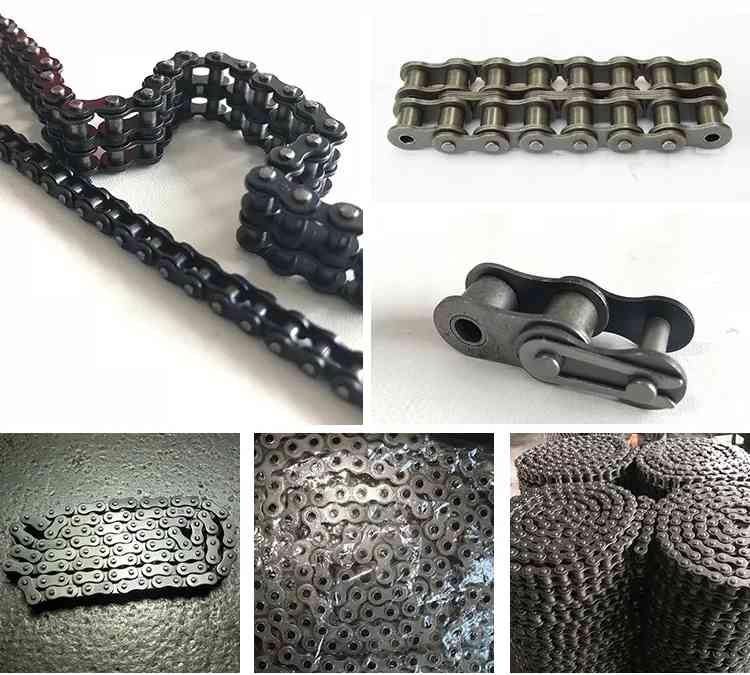
flat top chain
High friction rubber is usually installed on the top or bottom of a flat top drive chain to improve its high friction surface and prevent interference during side bend conveying. The chain plate can be customized with thin rubber layer or thick elastic polyurethane rubber according to customer requirements. In addition to providing high friction, the flat top chain also provides excellent anti-slip properties for glass bottles.
Premium steel flat top chain with high quality surface finish and excellent wear resistance. They have a high level of noise reduction and can be used in heavy duty conveying applications. These chains are available in a variety of alloys such as stainless steel or aluminum. Some models are designed to be very rugged and last longer. Aluminum and galvanized steel chains are popular choices for these chains.
Flat Top Drive Chain Conveyors are versatile and come in an endless combination of configurations. Drives can be connected end-to-end to form long conveyor lines, while side-curved flat-top chains are versatile enough to handle tandem, serpentine or carousel configurations. Standard and heavy duty models are also available. Flat top chains can be used in many different applications including food, beverages and other commodities.
Standard flat top chains are usually rectangular or L-shaped and designed for use on straight conveyors. In some cases, space constraints may require a U-shaped or rectangular conveyor line. For smoother conveying, side-curved flat-top chains can be used. These chains are paired with regular rectangular chain plates and tall pins for high load capacity. They come in different widths, including multi-strand chains.
editor by CX 2023-06-12
China Professional China Factory of Rivetless Drop Forged Conveyor Link Chain X458 Chain and Industry Steel Forging Chain Steel Detachable Chain for Painting Line Chain System custom roller chain
Product Description
About Factory
With more than 18 years’ histiory, we are a professinal manufacturer for drop forged products such as forged chain (X348 X458 X658 X678 X698 F100 F160), scraper chain (10160, 14218, 14226, 142N), conveyor trolley (X348, X458, X678, XT160), and drive chain (X348, X458, X678), and so forth standard moulds of chain.
Besides, we can also produce as per your drawing or sample, special link chain, pusher, pin and plate, according to customers’ unique requirements.
Product Description
1) Material: Alloy steel, 40Cr, 42CrMo and so on.
2) Types: X348 X458 X658 X678 X698 F100 F160, and so on. (Or as per your drawing)
3) Process: Moulding→Forging→Polishing & Blasting→Fine machining→Heat treatment→Blasting→Inspecting & testing→Packing
Product Show
Technical Data
| Model | Pitch | Dimension | Lateral Corner | Standard Measured Length (mm) | Measured Quantity | Tensile Strength (KN) | Weight (Kg/m) | |||||
| A | F | G | J | K | S | |||||||
| 80H | 80 | 73 | 42 | 18.4 | 20 | 34.5 | 19.5 | 7 | 3032/3058 | 38 | 250 | 7.8 |
| X348 | 76.6 | 46 | 27 | 12.7 | 12.7 | 20.6 | 13.5 | 9 | 3050.5/3095.2 | 40 | 110 | 3.2 |
| X458 | 102.4 | 57 | 37 | 16 | 16 | 26.5 | 17.5 | 9 | 3063.1/3090.2 | 30 | 210 | 5.2 |
| 468H | 102.4 | 84.1 | 47.8 | 18 | 29.5 | 42.9 | 22.2 | 9 | 3063.1/3090.2 | 30 | 318 | 11.5 |
| X658 | 153.2 | 55.6 | 35 | 16 | 16 | 57.2 | 17.5 | 7 | 3055.1/3082.8 | 20 | 210 | 4 |
| X678 | 153.2 | 77 | 50.8 | 22.2 | 21 | 34.2 | 25 | 7 | 3055.1/3082.8 | 20 | 320 | 9.5 |
| 678 | 153.2 | 77 | 50.8 | 22.2 | 21 | 34.2 | 25 | 7 | 3055.1/3082.8 | 20 | 320 | 9.5 |
| 698 | 153.2 | 95.25 | 64 | 28 | 25.4 | 41.3 | 32 | 5 | 3055.1/3082.8 | 20 | 515 | 17 |
| 998 | 229.4 | 95.25 | 67.5 | 28 | 25.4 | 41.3 | 32 | 5 | 3205/3232.4 | 13 | 515 | 14.8 |
| 9118 | 229.4 | 123.8 | 76.2 | 35 | 33.5 | 52 | 38.1 | 5 | 3205/3232.4 | 13 | 832 | 24.2 |
| S348 | 76.6 | 38.9 | 28.6 | 12.7 | 12.7 | 20.6 | 13.5 | 9 | 3050.5/3095.2 | 40 | 110 | 3.2 |
| S458 | 102.4 | 52.1 | 35 | 16 | 16 | 26.5 | 17.5 | 9 | 3063.1/3090.2 | 30 | 210 | 5.2 |
| S678 | 153.2 | 69.8 | 50.8 | 22.2 | 21 | 34.2 | 25 | 7 | 3055.1/3082.8 | 20 | 320 | 9.5 |
| S698 | 153.2 | 73 | 68.3 | 28 | 25.4 | 41.3 | 32 | 5 | 3055.1/3082.8 | 20 | 515 | 17 |
| S9118 | 229.4 | 98.4 | 77.8 | 35 | 33.5 | 52 | 38.1 | 5 | 3205/3232.4 | 13 | 832 | 24.2 |
| F100 | 100 | 57 | 37 | 16 | 16 | 26.5 | 17.5 | 9 | 2991.3/3018.3 | 30 | 210 | 5.2 |
| F160 | 160 | 78 | 54 | 24 | 20.5 | 36 | 28 | 7 | 3190.7/3219.5 | 20 | 318 | 10.3 |
Products & Testing Equipments
Products Application
Packing & Delivery
Why Choose Us?
1. We are engaged in chain industry over 15 years with rich market experience. We keep improving production techniques. All the products have longer working life and have passed the market test.
2. We can design the correct chains with high quality material, good abrasion resistance, good corrosion, high strengthen and etc as per your request or the chain application.
3. We are the chain manufacturer; you can directly purchase the product from us with low price and high quality.
4. We have a professional team for international trade, they have abundant experiences and are always ready to solve problems for customers. So you have nothing to worry about.
5. We have the long-term cooperative forwarder who can give us the lowest freight. And it can help you to save the freight. What’s more, for the FCL, we will design the packages as per the container sizes with the largest capacity to save the shipping cost for both of us.
| Material: | Alloy |
|---|---|
| Structure: | Combined Chain |
| Surface Treatment: | Polishing |
| Chain Size: | 1/2"*11/128" |
| Feature: | Fire Resistant, Oil Resistant, Heat Resistant |
| Mould Number: | X458X348 X458 X658 X678 X698 F100 F160 |
| Samples: |
US$ 5/Piece
1 Piece(Min.Order) | |
|---|
| Customization: |
Available
| Customized Request |
|---|
Pin chain conveyor
The choice between roller chains and friction drives depends on the usage environment. Roller chains are more resistant to dirty environments and are more suitable for conveying bulk products. The pivot chain is designed to handle highly bulk products. Ideally, the center-to-center distance between the two axles should be thirty to fifty times the chain pitch. The size of the sprocket will depend on the usage environment, which will also determine the fatigue strength and resistance of the chain.
Roller chains are more resistant to dirty environments
There are some key differences between drive chains and roller chains. The most notable difference is in the materials. Drive chains are generally more durable than roller chains. However, both chains are prone to dirty environments. While solution chains are sometimes used for heavy-duty tasks, roller chains are often used in dirtier environments. In fact, drive chains are often used when the job is very dirty and the chain has to slide on the rails.
The new lubricant used on the roller chain attracts dirt and other debris to the surface of the chain and prevents lubricant from entering the load-carrying parts of the chain, such as hinge plates, bushings, and rollers. When dust is drawn into these components, lubricants, and dirt form an abrasive paste that accelerates wear.
Lube-free roller chains keep chains clean longer. This makes it easier to specify and install in areas with strict hygiene requirements. CZPT lube-free roller chains meet NSF-H1 lubrication standards. However, lubricated roller chains are still suitable for areas where food contact is unlikely.
Stainless steel roller chains are particularly resistant to acids, alkalis, and low-temperature environments. Since stainless steel is softer than carbon steel, lubricants are not as effective at preventing dirt from entering the chain. Stainless steel roller chains have a higher strength rating than standard chains, but are not as strong as chains made from carbon steel. If you are using a roller chain in a very dirty environment, you should use a stainless steel chain.
A stud chain is more efficient than a friction drive
The present invention relates to a light-duty double-ended chain that is more efficient than conventional chains. Stud chains are made by die-forging bar steel into roughly the-shaped links. This method avoids loss of shear strength due to bending and also minimizes the welded portion. The double-headed chain is light in weight and has strong resistance to fatigue damage.
This chain type has a stud-style design. Stud-shaped design provides greater tensile strength and prevents tangling. Each stud is formed by die forging and is usually shaped like an e or th. However, it is not necessary for each stud to have a uniform cross-sectional shape. Different cross-sectional shapes can be used depending on the application.
Stud chains are more efficient than friction drives because the studs in the chain are integrated. Stud links resist large breaks. Its applications are in conveyor chains and fisheries. Wear tested on boat chains made of SBC material. In the process, bolt chains were found to be more efficient than friction drives. Its applications are rapidly expanding.
Double-ended chains are more efficient for high-load applications. It features studs throughout its internal width to prevent kinking. Chains of this type are commonly used for heavy lifting machinery. Other types of chains are roller chains, power transmission chains, and bushing roller chains. These types of chains are also widely used in motorcycle, bicycle and transportation applications. In addition to being more efficient, stud chains also have fewer wear problems than friction drive chains.
A study on the difference between wear percentage and friction time showed that stud chains are more efficient than friction drives. The friction strips were measured at the beginning of the test. Take it off after 6 hours, 10080 times, and take pictures with the same diameter. As a boundary value, the diameter of the friction strip is smaller than that of a conventional chain. This shows that the present invention has better wear resistance than friction drives.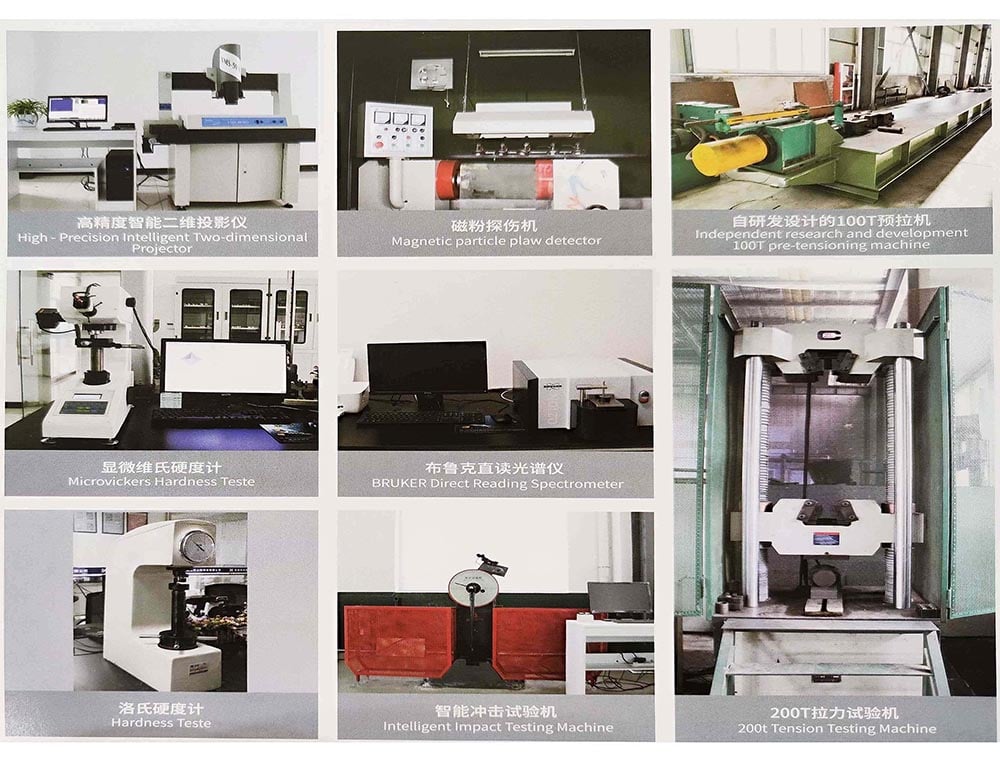
Shaft chains designed for conveying bulk products
Pivot chains are versatile conveyors used in many applications. Low back type, small backrest distance, rear opening design to prevent the product from sticking to the joints and causing stiffness. Stainless steel and carbon bushing pin chains do not have pre-rotating rollers. In contrast, bucket elevators do not use pivot chains.
CZPT pin chains provide unmatched performance in agricultural and industrial machinery. They are constructed from a single cast barrel and are connected by hardened steel pins. CZPT’s steel pivot chains are strong enough to withstand the corrosive environments of agricultural and industrial applications. The steel pins in the CZPT Pintle Chain are hardened and riveted to ensure long-term durability and optimum performance.
Lifeguard chains feature patented interlocking side links that reduce gaps between adjacent side panels. They can withstand a variety of applications and will never break under pressure. These chains are available in 1/2” and 1” pitch configurations. CZPT combines both types of pin chains to achieve the best of both worlds. CZPT features dual pin chains and pin joints to increase chain durability and reduce maintenance hassles.
CZPT’s engineering team can custom design pivot chains for your specific application. Designed for specific speed, friction, temperature and wear requirements, these chains are ideal for a variety of applications. Headquartered in Milwaukee, Wisconsin, the company operates on two strategic platforms: Food and Beverage and Industrial Applications. The products of these companies are used in food, energy and manufacturing.
editor by CX 2023-05-15
China best China Factory of Rivetless Drop Forged Conveyor Link Chain X458 Chain and Industry Steel Forging Chain Steel Detachable Chain for Painting Line Chain System pin bush chain
Product Description
About Factory
With more than 18 years’ histiory, we are a professinal manufacturer for drop forged products such as forged chain (X348 X458 X658 X678 X698 F100 F160), scraper chain (10160, 14218, 14226, 142N), conveyor trolley (X348, X458, X678, XT160), and drive chain (X348, X458, X678), and so forth standard moulds of chain.
Besides, we can also produce as per your drawing or sample, special link chain, pusher, pin and plate, according to customers’ unique requirements.
Product Description
1) Material: Alloy steel, 40Cr, 42CrMo and so on.
2) Types: X348 X458 X658 X678 X698 F100 F160, and so on. (Or as per your drawing)
3) Process: Moulding→Forging→Polishing & Blasting→Fine machining→Heat treatment→Blasting→Inspecting & testing→Packing
Product Show
Technical Data
| Model | Pitch | Dimension | Lateral Corner | Standard Measured Length (mm) | Measured Quantity | Tensile Strength (KN) | Weight (Kg/m) | |||||
| A | F | G | J | K | S | |||||||
| 80H | 80 | 73 | 42 | 18.4 | 20 | 34.5 | 19.5 | 7 | 3032/3058 | 38 | 250 | 7.8 |
| X348 | 76.6 | 46 | 27 | 12.7 | 12.7 | 20.6 | 13.5 | 9 | 3050.5/3095.2 | 40 | 110 | 3.2 |
| X458 | 102.4 | 57 | 37 | 16 | 16 | 26.5 | 17.5 | 9 | 3063.1/3090.2 | 30 | 210 | 5.2 |
| 468H | 102.4 | 84.1 | 47.8 | 18 | 29.5 | 42.9 | 22.2 | 9 | 3063.1/3090.2 | 30 | 318 | 11.5 |
| X658 | 153.2 | 55.6 | 35 | 16 | 16 | 57.2 | 17.5 | 7 | 3055.1/3082.8 | 20 | 210 | 4 |
| X678 | 153.2 | 77 | 50.8 | 22.2 | 21 | 34.2 | 25 | 7 | 3055.1/3082.8 | 20 | 320 | 9.5 |
| 678 | 153.2 | 77 | 50.8 | 22.2 | 21 | 34.2 | 25 | 7 | 3055.1/3082.8 | 20 | 320 | 9.5 |
| 698 | 153.2 | 95.25 | 64 | 28 | 25.4 | 41.3 | 32 | 5 | 3055.1/3082.8 | 20 | 515 | 17 |
| 998 | 229.4 | 95.25 | 67.5 | 28 | 25.4 | 41.3 | 32 | 5 | 3205/3232.4 | 13 | 515 | 14.8 |
| 9118 | 229.4 | 123.8 | 76.2 | 35 | 33.5 | 52 | 38.1 | 5 | 3205/3232.4 | 13 | 832 | 24.2 |
| S348 | 76.6 | 38.9 | 28.6 | 12.7 | 12.7 | 20.6 | 13.5 | 9 | 3050.5/3095.2 | 40 | 110 | 3.2 |
| S458 | 102.4 | 52.1 | 35 | 16 | 16 | 26.5 | 17.5 | 9 | 3063.1/3090.2 | 30 | 210 | 5.2 |
| S678 | 153.2 | 69.8 | 50.8 | 22.2 | 21 | 34.2 | 25 | 7 | 3055.1/3082.8 | 20 | 320 | 9.5 |
| S698 | 153.2 | 73 | 68.3 | 28 | 25.4 | 41.3 | 32 | 5 | 3055.1/3082.8 | 20 | 515 | 17 |
| S9118 | 229.4 | 98.4 | 77.8 | 35 | 33.5 | 52 | 38.1 | 5 | 3205/3232.4 | 13 | 832 | 24.2 |
| F100 | 100 | 57 | 37 | 16 | 16 | 26.5 | 17.5 | 9 | 2991.3/3018.3 | 30 | 210 | 5.2 |
| F160 | 160 | 78 | 54 | 24 | 20.5 | 36 | 28 | 7 | 3190.7/3219.5 | 20 | 318 | 10.3 |
Products & Testing Equipments
Products Application
Packing & Delivery
Why Choose Us?
1. We are engaged in chain industry over 15 years with rich market experience. We keep improving production techniques. All the products have longer working life and have passed the market test.
2. We can design the correct chains with high quality material, good abrasion resistance, good corrosion, high strengthen and etc as per your request or the chain application.
3. We are the chain manufacturer; you can directly purchase the product from us with low price and high quality.
4. We have a professional team for international trade, they have abundant experiences and are always ready to solve problems for customers. So you have nothing to worry about.
5. We have the long-term cooperative forwarder who can give us the lowest freight. And it can help you to save the freight. What’s more, for the FCL, we will design the packages as per the container sizes with the largest capacity to save the shipping cost for both of us.
| Material: | Alloy |
|---|---|
| Structure: | Combined Chain |
| Surface Treatment: | Polishing |
| Chain Size: | 1/2"*11/128" |
| Feature: | Fire Resistant, Oil Resistant, Heat Resistant |
| Mould Number: | X458X348 X458 X658 X678 X698 F100 F160 |
| Samples: |
US$ 5/Piece
1 Piece(Min.Order) | |
|---|
| Customization: |
Available
| Customized Request |
|---|
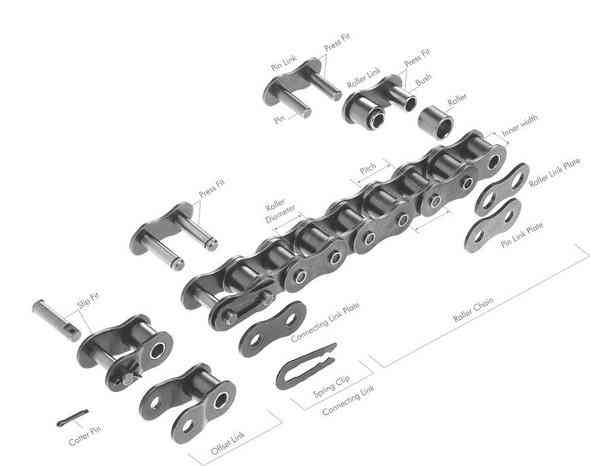
What to look for in a roller chain
There are many different factors to consider when purchasing a roller chain. One of the most important factors is tensile strength, which represents the force required to break the chain. Roller chains are available in three different tensile strengths: minimum, average and ultimate. Each strength reflects a different limit to the load the chain can handle. However, these limits are not always equal and you should be aware of the differences between roller chains.
Canonical chain
Most roller chains have standard sizes printed on the side panels. This is usually “40” or “C2080H”, but can also be the letter “B”. If the chain is old, it will need to be cleaned to see its size. You can find the size on the standard roller chain size chart, but not everyone is marked. To determine the size, measure the diameter and pitch of the chain, then compare the results to the chart to see what size you need.
Heavy-duty roller chains are available with heat-treated pins, side plates, and rollers. In addition to being heat treated, they are also factory pre-stretched, which reduces wear on these parts. If properly maintained, they can last for years, reducing the risk of failure or corrosion. Depending on the application, standard roller chains are available in different sizes. It can be purchased separately. There are several options to choose from, depending on the size and strength of the application.
PEER roller chains contain solid rollers to reduce shock loads on the sprocket teeth. Heat treating and preloading all components of the PEER chain helps minimize initial elongation. Hot-dip lubrication ensures complete lubrication of all chain components, extending their life and reducing maintenance costs. For heavy-duty applications, ASME/ANSI-B29.1 chain is a good choice.
Standard roller chains are made of steel or alloy steel. However, it can be made of other materials such as stainless steel. In addition to steel, stainless steel is often used in food processing machinery where chain lubrication is an issue. Brass and nylon are also sometimes used. However, they are not that popular. Therefore, you should always check with your supplier before purchasing. By comparing the tensile strength of two different chains and making an informed decision, you can get the best price and service.
Chain without bushing
Bushless roller chains have advantages over conventional roller chains. Unlike conventional chains, bushless chains have extensive lateral flexibility, which increases the chain’s lubrication flow. The inner plates of bushless chains have protruding shoulders so the oil can flow through them more easily and efficiently. This is an important characteristic of a smooth-running chain. Additionally, bushless chains may have improved shifting performance.
The strength of a bushingless roller chain is measured in terms of tensile strength and fatigue strength. The former measures the load a chain can withstand before breaking. Fatigue strength is equally important, and factors that affect fatigue strength include the steel used to make the chain components, the pitch hole fabrication, the type of shot peening on the chain, and the design and thickness of the chain. For example, if the chain is too thin, it may not be enough for heavy-duty applications.
Like traditional roller chains, bushingless roller chains have two different types of links. The inner link has two inner plates connected by pins, while the outer chain has two outer plates held together by bushings. A bushingless roller chain is similar to a traditional chain, except it eliminates a step in the assembly process by stamping the tube into the inner plate. So if you want a smoother ride, a bushingless roller chain is a better choice.
There are two different sizes of bushingless roller chains. One size is designed for use with standard single-strand chains, while the other size is designed for use with double-strand or triple-strand chains. Bushless chains are generally shorter than conventional chains, so they can fit in tighter spaces. Bushless chains are made of the highest quality materials. These chain attachments are case hardened for optimum strength and durability.
Mute chain
The silent roller chain has a smooth, low-noise drive. They are made of stacked rows of flat chainplates with a gear-like profile that meshes with the sprocket teeth. Each chainplate is attached to a corresponding sprocket, which also allows the chain to bend. While these basic components are the same for every silent roller chain, there are many variations that allow them to be used in a variety of applications.
The most popular high-speed transmission, silent chains feature gear-like sprockets. They can be made from single or multiple strands of material. Single-strand chains are less expensive than multi-strand chains, but they tend to wear out faster if not lubricated. Single-strand roller chains can be used for years without lubrication, but for your application, wide silent chains are still worth considering.
The design and construction of silent chains make them ideal for conveying a wide variety of products. They have flat, heat-resistant surfaces. They are also durable and non-slip. They are available in a variety of pitch sizes, widths, and mounting styles. Whether you need chains for general purpose conveyors or glass bottle transport applications, we have you covered. Ask about the benefits of silent roller chain conveyors.
Inverted tooth chains are another option for quieter chains. These chains are designed to reduce noise from engine-related friction. Silent chains are more common, and manufacturers have fallen in love with them. A silent chain consists of several links connected to the sprocket teeth. Teeth rotate to reduce noise, vibration, and chord action. These are the main reasons why silent chains are so popular.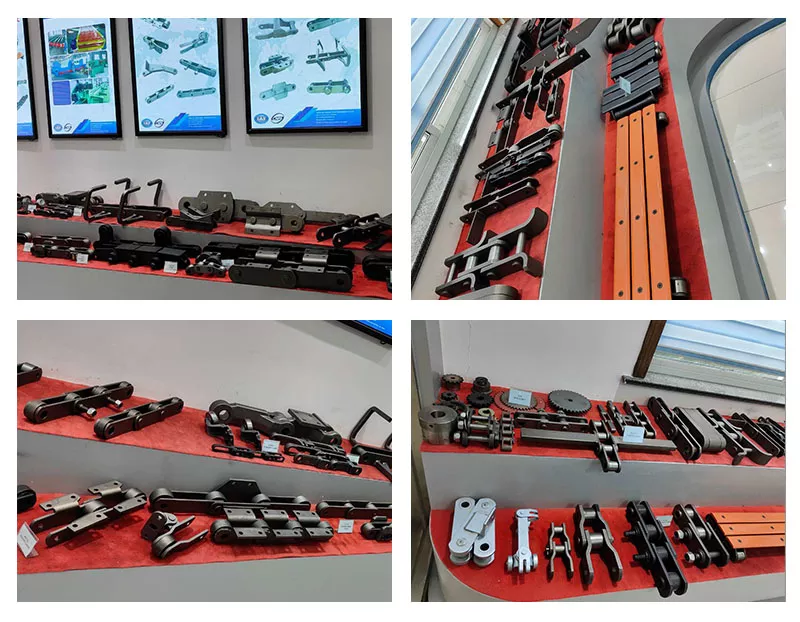
ANSI chain pitch
To measure your bike’s chain pitch, you can use a caliper. This measurement is taken from the center of the rolling pin to the center of the next rolling pin. Chains come in many sizes, but ANSI is the most common chain standard in the United States. A caliper is handy if you’re not sure which size to buy, as it allows you to check for worn sprockets.
Chains that meet ANSI standards will be characterized by a certain pitch. This measurement is based on the width and spacing of the roll. The spacing is usually greater than the width. The standard number will be the right number for the width of the chain or the left number for the rollers. The number on the left indicates whether the chain is lightweight or heavyweight. Heavyweight chains are designated by the suffix “H”.
Common chain sizes are based on ANSI chain pitch. Pitch is the minimum distance between bushing and sprocket. The smaller the chain pitch, the greater the total distance between the two points. This means the chain will last longer. However, if you are buying a chain for a specific application, you should check the pitch carefully as it can affect the performance of the chain.
Roller chain wear measurement
The purpose of roller chain wear measurement is to prevent breakage by monitoring the strain on the chain. There are several ways to measure roller chain wear. The first is to remove the chain from its working position and measure the distance from the sprocket to its measuring end. Another way is to measure the pitch of the chain or the distance between two pins. This method is superior to other methods because it is convenient and accurate.
When measuring the wear of a roller chain, it is important to note that the elements of the chain will gradually deform. About 3.75% of the total wear will be on the pins and the rest will be on the internal links. These wear measurements will vary based on the nominal pitch of the chain and the amount of friction the chain is experiencing. Proper lubrication between pins and bushings, load and frequency of articulation all affect wear rates.
It is important to measure the amount of wear on the roller chain to avoid excessive machine failures. The longer the chain runs, the more wear it will wear. Although the length of the chain should be less than the center distance, the excessive load will cause premature wear. Therefore, lubrication is essential. Additionally, the sag of the chain should not exceed 2% to 4% of its center-to-center distance. Finally, check for unusual noise or visible defects. A common cause of excessive roller chain wear is the size of the load. Every chain manufacturer sets a maximum workload for its product.
There are several ways to measure roller chain wear. If using a high-speed drive, it should have at least 11 teeth, and a medium-speed drive should have at least 25 teeth. Also, be sure to check the length of the chain, even if you should. The same goes for the pin diameter, which should be the same or different pitch as the roller chain.
editor by CX 2023-05-12
China Reliable Quality Grain Transporting Drag Conveyor Chain Factory Price for Sale best lubricant for roller chain
Solution Description
| Product | Effective width of device slot(cm) | Yield(m³/H) |
| TGSS16 | 16 | 30 |
| TGSS20 | twenty | 55 |
| TGSS25 | 25 | 90 |
| TGSS32 | 32 | 130 |
| TGSS40 | 40 | 270 |
| TGSS50 | fifty | four hundred |
The drag conveyor is made up with Machine head,machine body,machine tail,inlet and outlet.
(1) The machine head is made up with the main body box,drive sprocket,Gear box, transmission sprocket.Chain and drags.
(2) The tail is made up with main body box,sprocket,tensioning device.
(3) The intermediate body is made up with the tube ,slide rail chain & drags,machine cover etc.
(4) The inlet and outlet are made up with the flange and connecting joints used for input or discharge of the grain.
(5) Chain has T and V type,it is the main part of the conveyor for transportation of the grain.
(6)1t is a kind of gear box transmission ed through the chain and head shaft The drag chain conveyor is widely used in the port industry, grain warehouse,malt industry,brewery industry,feed mill company,oil factory and so on.
ZheJiang CZPT CZPT Steel Silo Business Ltd. is a major provider of CZPT storage remedies in China, devoted to delivering one-quit CZPT storage and supporting solutions for worldwide consumers.
The firm was started in 2007, and now has much more than thirty creation patents and utility model patents, virtually 8,000 square meters of dust-free of charge workshop, geared up with the most innovative automated laser slicing machine, CNC lathe, metallic bending device and computerized shearing The company has a lot more than 10 expert designers and engineers, and hundreds of factory professionals, workshop administrators, generation schedulers, expert workers and installers.
1.who are you?
We are expert silo maker and solution service provider commence from 2007 based in ZheJiang , China with 14 many years expertise in overseas investing.
2.how can you guarantee top quality?
We have got CE, ISO9001certificates and several patents.
3.what can we buy from you?
Grain Silos, ventilation technique, amount sensor,silo intelligent cloud management system, weighing sensor program,sweep auger,temperature monitoring system,cooler,fumigation system for steel silo, electrical manage technique, bucket elevator,drag conveyor, screw conveyor, belt conveyor,pneumatic conveyor, pre-cleaner, vibrating cleaner, pulse dust collector,cyclone,suction separator, magnetic drum.
four: I want to use our very own model , is it alright?
Of system it is Ok , we can make OEM products if your MOQ is 2 sets, and we can also can supply our personal brand name products
5:When you ship my buy?
Typically 15-30 days right after acquiring your payment, but it can be negotiated based mostly on buy qty and generation routine.
six.what solutions can you provide?
Accepted Shipping and delivery Terms: FOB,CIF,EXW
Acknowledged Payment Forex:USD,CNY
Recognized Payment Type: T/T,L/C
Language Spoken:English,Chinese
7:How about the guarantee ?
A single year warranty .
|
US $2,362-29,135 / Piece | |
1 Piece (Min. Order) |
###
| After-sales Service: | 24 Hours Online |
|---|---|
| Warranty: | One Year |
| Structure: | Conveyor System |
| Material: | Carbon Steel |
| Material Feature: | Oil Resistant, Heat Resistant, Fire Resistant |
| Application: | Grain Transport, Grain,Foodstuff,Oil,Feed Industries |
###
| Customization: |
Available
|
|---|
###
| Model | Effective width of machine slot(cm) | Yield(m³/H) |
| TGSS16 | 16 | 30 |
| TGSS20 | 20 | 55 |
| TGSS25 | 25 | 90 |
| TGSS32 | 32 | 130 |
| TGSS40 | 40 | 270 |
| TGSS50 | 50 | 400 |
|
US $2,362-29,135 / Piece | |
1 Piece (Min. Order) |
###
| After-sales Service: | 24 Hours Online |
|---|---|
| Warranty: | One Year |
| Structure: | Conveyor System |
| Material: | Carbon Steel |
| Material Feature: | Oil Resistant, Heat Resistant, Fire Resistant |
| Application: | Grain Transport, Grain,Foodstuff,Oil,Feed Industries |
###
| Customization: |
Available
|
|---|
###
| Model | Effective width of machine slot(cm) | Yield(m³/H) |
| TGSS16 | 16 | 30 |
| TGSS20 | 20 | 55 |
| TGSS25 | 25 | 90 |
| TGSS32 | 32 | 130 |
| TGSS40 | 40 | 270 |
| TGSS50 | 50 | 400 |
Types of Roller Chains
There are several types of roller chains available. These chains have different properties and serve different purposes. Here you will learn about diamond roller chains, X-ring and O-ring chains, inverted tooth chains, and self-lubricating chains. You can choose the type that best suits your needs by reading this article. It will also help you make an informed decision. Buying the right roller chain for your needs is easy. Hope this article is helpful to you!
Diamond roller chain
Diamond roller chains are more efficient than other chains and can significantly extend chain life. The superior design of the chain prevents internal rust from seeping out. Additionally, Diamond ACE features a corrosion-resistant exterior and a zinc-nickel pre-assembled coating that provides extended corrosion protection and wear resistance. These features reduce chain downtime and labor costs, saving a building materials manufacturing company nearly $33,000 over the life of its machines.
Diamond series chains lead the industry in quality and durability, with industry-leading tensile strength and the lowest total cost of ownership. With a diverse product portfolio including standard chains, specialty chains, and custom chains, the company is sure to provide the right chain for your application. The company also offers a wide range of accessories for a variety of machinery. For more information, please visit the company website.
As one of the leading manufacturers of roller chains, the CZPT Company offers unparalleled expertise and wear resistance in the power transmission market. CZPT is trusted by leading industries and provides the highest return on investment. The diamond is a symbol of strength and durability, and the company chose it as the company’s trademark to convey its core values. CZPTs can last up to 100 years or more in harsh conditions, even in underwater environments.
Self-lubricating chain
Self-lubricating roller chains are designed to increase performance while maintaining a high level of cleanliness. These chains are made of sintered alloy bushings impregnated with lubricant and pins specially treated to release oil when necessary. These chains have a long service life and are suitable for environments where regular lubrication is difficult. Below are the benefits of self-lubricating roller chains.
Maintenance-free self-lubricating roller chains are the perfect replacement for standard roller chains. They are suitable for packaging, printing, textile, and sawmill applications. These chains reduce downtime and increase productivity. Furthermore, they reduce the risk of contamination. Another advantage is that there are many types of self-lubricating roller chains to choose from, allowing you to choose the one that best suits your needs. To learn more about these benefits, read the Maintenance Free Roller Chains Market Report published by Dataintelo.
CAN-AM self-lubricating roller chains ensure stick-free operation. These chains are available in ANSI/BS standard and double pitch variants. They feature oil-impregnated bushings and preloaded sintered steel bushings for long life. These self-lubricating roller chains are drop-in replacements for standard roller chains and run on standard roller chain sprockets.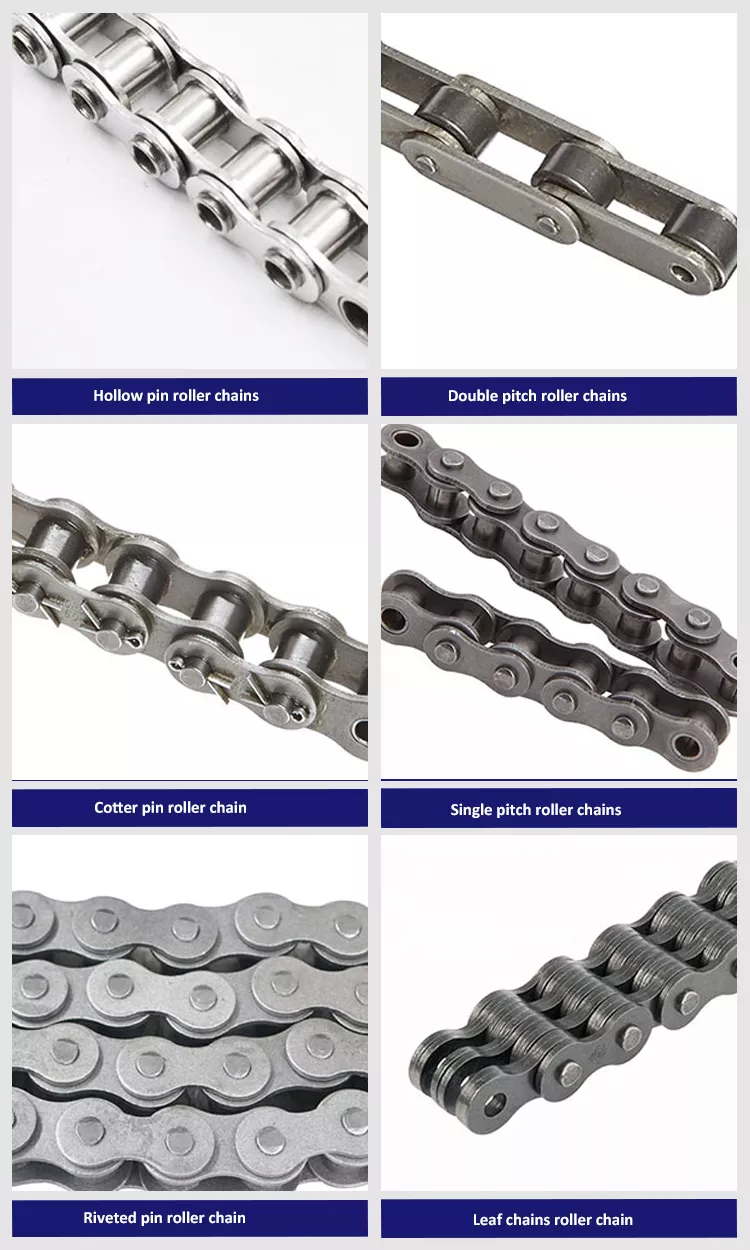
X-Ring and O-Ring Chains
Both O-ring and X-ring roller chains are sealed and unsealed. You’ll find them on vintage bikes and small economy cars. Other applications include bulldozer treads and conveyor belts. Standard chains are made of simple plain bearings that require lubrication every few hundred miles. While the former is the most affordable type of roller chain, they do require more maintenance than O-rings.
The main difference between the two types of chains is the friction and cost they generate. X-rings are slightly less expensive, but they create less friction than O-rings. X-rings are a more affordable option for road riders, while O-ring chains are more expensive for off-road racers. In some cases, X-ring and O-ring roller chains can be distinguished by the price tag alone.
Both X-ring and O-ring roller sprockets are available in a variety of styles. The two styles offer comparable performance, but there are some key differences to consider. X-rings are generally better for longer travel as they offer greater durability and performance. O-rings are usually more expensive than X-ring chains, but if you’re thinking about long trips, they’re a great option.
Reverse chain
Inverted roller chains are often referred to as silent chains. They have two protrusions on each board. The outer surface is ground to include an angle of sixty or seventy degrees. These protrusions about the working surfaces of the sprocket teeth. The inner surface or shape of the sprocket can clear the sprocket. This produces a silent but still valid chain. This type of chain is used in transmissions to move heavy objects.
There are three basic types of inverted toothed roller chains. Simple chains are single chains, while double and triple chains have two or three strands. In these types of chains, the pins pass through-hardened steel bushings at the ends of the links. The main difference between these types is their size. If you are not sure what size you need, first calculate the capacity of the chain. You might be surprised to learn that the smaller the diameter the better.
The number of links in a reverse roller chain determines the frequency of vibration. The frequency depends on the size of the chain and the length of the chain between the sprockets. The shorter the chain, the bigger the “pull” – the up-and-down jitter caused by the sprocket. This causes additional peak loads on the drive and shortens its life.
PEER Chain’s Heavy Duty Series Double-Stranded Roller Chains
Heavy-duty double-strand roller chains are ideal for industrial and agricultural use as they provide extra stability and strength. PEER Chains manufactures chains in various lengths and pitches and offers different accessories including sprockets and pre tensioned chains. These chains are also available in a variety of different alloys and grades. Listed below are some of the most common uses for heavy-duty double strand roller chains.
Heavy-duty PEER double-strand roller chains are available in a variety of styles and types, including the HKK NICKEL PLATED series. These chains are best suited for outdoor and mildly corrosive applications. They use a patented process to increase fatigue strength and reduce initial elongation. In addition, HKK double pitch twin-strand roller chains are lighter and less expensive than standard roller chains.
The report also highlights the competitive environment and the latest market trends. The report identifies key players in the Roller Chains industry, including manufacturing, sales, and global market share. It also provides detailed company profiles and analyses of each vendor, including recent product launches, partnerships, and mergers and acquisitions. It also provides the competitive landscape, including company profiles, product mix, and production scale. Once you know what to expect from the market, you can make a buying decision.
Maintenance of Mechanical Flexible Couplings
Proper maintenance of mechanical flexible couplings on roller chains is critical to ensuring the proper operation and reliability of the system. Maintenance of these couplings includes periodic inspection of the components. Check for signs of fatigue and wear. Regular inspections will help determine when to replace the coupling. It also helps determine the remaining life of the coupling.
Couplings should be replaced periodically for optimum performance. When replacing, be sure to use the correct parts. Make sure the coupling type matches the coupling type and chain size. Identical coupling parts may not fit, so a cross-reference guide or manufacturer’s spec number may be helpful. Make sure that the coupling is fitted with a suitable roller chain.
Mechanical elastic couplings on the roller chain can be easily lubricated to avoid premature failure. Elastomeric couplings can accommodate minor shaft misalignments and are suitable for high rotational speeds. Also, it absorbs shocks. Its flexibility is due to loose components. Additionally, lubrication is essential to reduce wear on coupling components.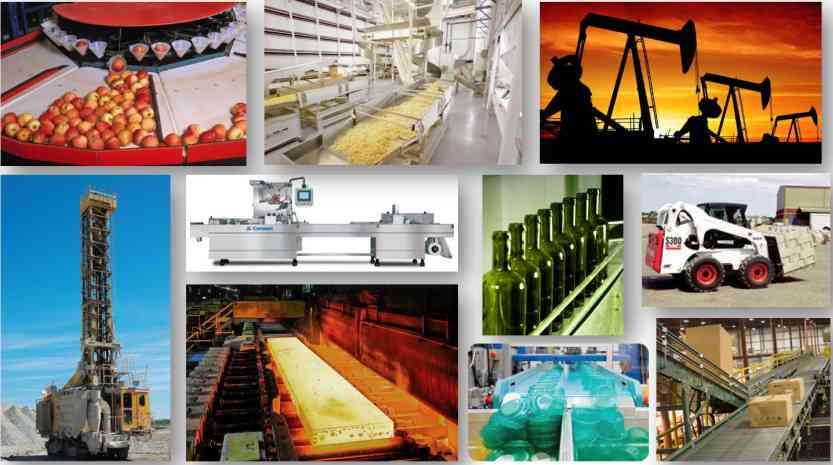
Roller chain size
Knowing the basic dimensions of the rollers is essential if you need to find the right roller chain for your needs. The three key dimensions of a roller chain are pitch, width, and pin diameter. These dimensions are important because they are used to identify the type of chain. These dimensions do not normally appear in chain manufacturer catalogs. They are usually designed for people designing new equipment. They are not important to maintenance technicians, but they are important to know if you are looking for a specific type of roller chain.
Once you know the exact size of the chain, you can move on to choosing the correct type. You can use the printable template to measure your chain, which makes it easy to compare with the size chart. Don’t forget to check the rest of the roller chain’s specs to make sure it fits your machine. Using the Roller Chain Size Chart is an easy way to determine the proper length, width, and height for your application.
When buying a roller chain, be sure to check the number of teeth and the ratio of the two. A common ratio is 2:1. The drive sprocket must have at least twice as many teeth as the roller sprocket. If the chain is used for high precision, check the type of sprocket as this will determine the correct size of the chain. You can also choose between slip-fit and press-fit mid plates.
editor by czh 2022-12-02
China factory Best selling POM plastic chain mesh belt food grade conveyor belt bulk roller chain
Guarantee: 1 Year
Relevant Industries: Building Substance Stores, Machinery Repair Shops, Foodstuff & Beverage Factory, House Use, Construction works , Vitality & Mining, Foodstuff & Beverage Outlets
Tailored assist: OEM
Normal or Nonstandard: Standard
Type: Noticed CHAIN, conveyor belt
Content: Plastic, Plastic
Title: POM plastic chain mesh belt
Pitch: 38.1mm
Design: 900
Packaging Specifics: carton or steel pallet
POM plastic chain mesh beltFeatures:Extended service lifeMinimum friction at high speedVery rapidly band replacementEasy maintenanceFlexible useLow quantity inventory of spare partsAbility to carry substantial temperature and deburring productsWashable and hygienic designLow audio degree (<70 DB) Specification Width: 65 mm – 2000 mmLength: 0.5 mt- 25 mtSpeed: sixty mt / minMinimum Conveyor Height: 350 mmEngine Electrical power: ,twenty five kW -2,2 kWColor: Appropriate for consumer requestCarrying capability max (for 1mt): 1500 KGWorking Environment: + 5 °C – + fifty °C Packing & Delivery Firm Profile HangZhou Huiqian logistics equipment producing Co., Ltd was registered in 2012 with prosperous conveyor creating ordeals. And we have far more all around one hundred staffs and the workshop addresses a lot more than 5500 square meters. HangZhou Huiqian Logistics Machinery Manufacturing Co., Ltd. is set up on the basis of digesting and absorbing superior Japanese technological innovation and logistics tools producing expertise, specializing in logistics transportation built-in system. From standard elements, unit modules to complete conveyor initiatives are entirely finished by us to guaranty the good good quality. We constantly give professional logistics task solutions for style, generation, installation and debugging . Exhibition Certifications FAQ 1. who are we?We are based in ZheJiang , China, commence from 2012,sell to Domestic Marketplace(eighty.00%),Eastern Asia(8.00%),Southeast Asia(5.00%),Western Europe(5.00%),Mid East(00.00%),South Asia(00.00%). There are total about fifty one-one hundred individuals in our workplace.2. how can we promise quality?Constantly a pre-production sample just before mass productionAlways last Inspection just before shipment3.what can you acquire from us?Roller Conveyor/ Belt Conveyor/ Chain Conveyor/ Conveyor Method/ Conveyor Roller4. why should you get from us not from other suppliers?HangZhou Huiqian Logistics Equipment Production Co.,Ltd is established base on Japanese advantages engineering and expertise of logistics equipment producing, main in roller, roller conveyor, belt conveyor, conveyor technique,storage cage, logistics trolley, racking5. what solutions can we supply?Accepted Shipping and delivery Phrases: FOB,CFR,CIF,EXW,CIP,FCA,CPT,DDU,Categorical Shipping and delivery,DAF;Accepted Payment Currency:USD,EUR,CNYAccepted Payment Sort: T/T,L/C,MoneyGram,Credit rating Card,Western Union,Money,EscrowLanguage Spoken:English,Chinese Get in touch with
How to choose a roller chain for a conveyor
When choosing a roller chain for your conveyor, the easiest way is to refer to the horsepower and RPM charts. The horsepower and rpm of the small drive sprocket will determine the size and number of teeth of the chain. Conveyor chains are available in a variety of options, including moving products horizontally, vertically, or around a bend radius. When choosing a conveyor chain, consider the purpose of the chain. For example, if you’re delivering products to customers’ doorsteps, you might choose chains that can move products up and down a hallway or warehouse.
Double pitch
Double pitch roller chains are a popular way to drive agricultural equipment. It has twice the pitch of a standard roller chain and is ideal for light-duty drives. Extended pitch increases performance at lower speeds, but requires fewer components per foot than standard single-pitch chains. Compared to single-pitch roller chains, double-pitch chainplates are longer and are suitable for lighter loads. Read on to learn more about double pitch chains and how they can improve your operation.
The most common type of conveyor chain is double pitch. It is used in the auto parts industry, as well as in the precision machinery industry. It is made from the same components as the standard drive roller chain, except it has longer side plates. Double pitch chains are often used on slow-moving conveyors to reduce the stress placed on them. Industries that commonly use double pitch conveyor chains include airport equipment manufacturers, lumber mills, and fruit packing plants.
RS series roller chains are manufactured from high-quality stainless steel. It has excellent chemical and abrasion resistance and is available in a variety of cord lengths. RS sprockets have over 30 teeth. They contain all the necessary connection links for easy installation. PEER Chain offers double pitch roller chain attachments including pre-stretched chains, sprockets, and other attachments.
Double pitch roller chains have several advantages over standard chains. Double pitch chains have double the pitch, making them ideal for conveying applications such as conveyors. In addition to that, it also provides ANSI-compliant styles. These chains also have free connection links. When shopping for a double pitch roller chain, be sure to choose the one that fits your requirements and budget. They will last longer and save you money in the long run.
Double pitch roller chains to ANSI standards feature oversized rollers. These chains are best suited for applications where the product is mounted on top of the chain. They are ideal for agricultural applications where cotton is on top of the drum. Also, this type of chain is used in light-duty conveyors and agricultural applications. You can find double pitch roller chains in a variety of sizes and styles. And, as long as you know what you want, you’ll be happy with the results.
Self-lubricating
Self-lubricating roller chains eliminate the need for manual relubrication, providing long-lasting operation and reducing maintenance costs. These chains are particularly popular in industries such as the food and beverage industry, textiles, printing, and sawmills. They can also replace standard roller chain drives and conveyor chains. Manufactured to the specific standard ISO R606, these chains are ideal replacements for conventional chains. PC chains are particularly beneficial for food and beverage production and packaging applications due to their anti-corrosion properties.
Self-lubricating roller chains meet ISO, ASME/ANSI, and DIN standards. They are interchangeable with standard chains of the same size and shape and can be used in a variety of industrial applications. Self-lubricating chains have special oil-impregnated sleeves to reduce maintenance time. These chains are also suitable for applications where cleanliness is an issue.
Self-lubricating roller chains are manufactured with unique RS attachments. Rather than a traditional roller chain with an external lubricating ring, this type of chain retains the lubricant within its bushings. During operation, the application generates heat, heating the lubricant, which flows out of the pin and bushing area. Therefore, CZPT roller chains are ideal for certain food conveying applications.
In addition to self-lubricating roller chains, carbon steel, stainless steel or nickel-plated steel are also available. Self-lubricating roller chains are available in different sizes depending on the application, including 0.375″ wide profile straight-chain, extended pin chain, and four-link. In addition, these chains are also available in ANSI and BS chain specifications.
Accumulation
Whether you need to move large or small loads, accumulating roller chains are a viable solution. This chain conveyor is designed with low back pressure to transport large and bulky items with minimal noise. Free-running rollers within the chain help create a smooth build-up surface. These chains are available in a variety of options, including accumulating rollers of different pitches.
The accumulation and release roller chain 14 includes an upper part 15 and a lower part 16. The upper part 15 rests in the upper subspace 28, while the lower part 16 rests on the top side 20 of the profile. As the upper belt 15 rolls around the accumulation roller chain 14, it aligns with the lower chain 16 to form a continuous receiving space. This arrangement allows the accumulation roller chain 14 to rest on the top surface of the support profile 11.
A cumulative roller chain consists of many individual parts. Each section of the chain has an elongated cylindrical shape and is connected to each other by hinged joints. Each chain section also has an accumulation and release roller associated therewith. Each roller protrudes from the upper side 20 and the lower side 21 of the chain portion. The accumulation rollers are movable about an axis 22 extending transversely to the longitudinal axis of the chain.
A feature of the stacking and releasing roller chain is its simplicity. The conveyor has a profiled section that is permanently divided into two cross-sectional spaces. The bottom space is closed from all sides. The upper space accommodates the conveyor line. The contoured portion includes an opening that guides the bottom strap. A shunt can also be inserted between the two sections. The accumulating roller chain system is a convenient and versatile way to move bulky items.
There are many different types of accumulating roller chains. Some chains have offset rollers for optimal load distribution. Others have protection to prevent machine wear. Some run without lubricant, which is a safety advantage. In addition to protection, cumulative chains can also provide protection. The side bow version of the accumulation and release roller chain with offset accumulation and release rollers is designed for conveyor systems with very small bend radii.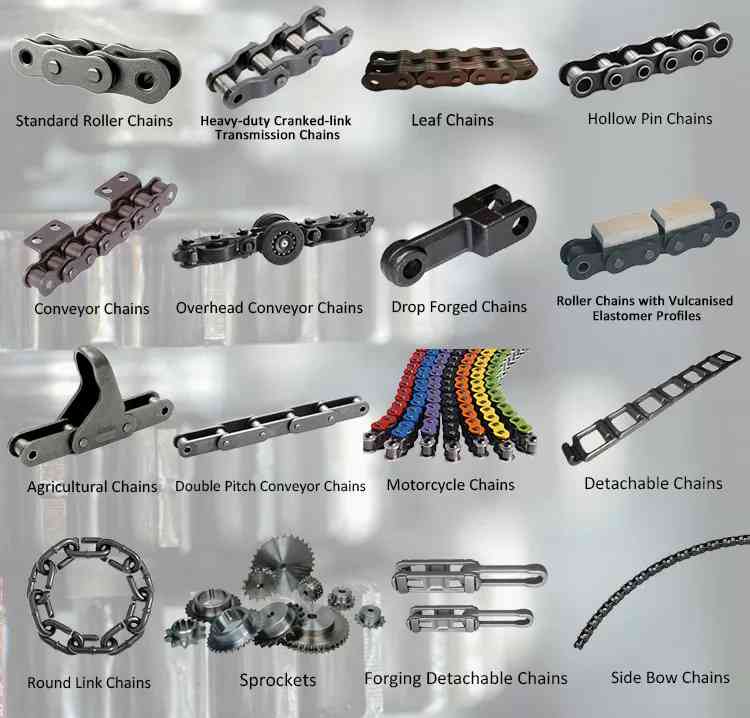
Without bushing
Bushless roller chains are the most common type of industrial chain. They are simple in design and require only regular maintenance. Regular maintenance includes lubricating, assessing wear, and replacing worn sprockets. For more information, please read the following information:
The outer chainplates and the inner chain plates are alternately arranged in pairs. The connecting pin extends through the hole in the inner link plate. The rollers thus positioned can be rotated on the connecting pins. Oil provided between the outer circumferential surfaces of each connecting pin serves to lubricate the chain. This system reduces noise and wears caused by collisions between inner chain plates and sprockets.
Compared to traditional roller chains, bushings roller chains have rollers around the bushing. These rollers are in rolling contact with the sprocket teeth, providing low friction and excellent wear resistance. To ensure smooth operation, bushings roller chains must be greased to prevent rust and keep the chain properly tensioned. Lubricated chains run smoother and last longer.
In a bushingless chain, the inner links are shaped like half bushings and ride on the rollers. The pins go through the outer plate and connect the inner links to the rollers. The outer plates overlap the inner links and open the pins. This system is also known as a heterochain. This type of chain is more common than traditional roller chains. If you are not sure which type of bushingless roller chain to choose, you may need to purchase an additional pair of inner chainplates.
Linerless roller chains may also include chain guides. In a bushingless roller chain, the outer and inner link plates conform to the surfaces of the guide rails. Thus, the large area of contact between the chain and the guide rail is eliminated, the friction loss is reduced, and the power transmission efficiency is improved. These properties make bushless roller chains more efficient and durable than traditional roller chains. It’s also less noisy. If you are looking for a chain with a lower noise level, a bushingless roller chain may be the right choice for you.
editor by czh