Product Description
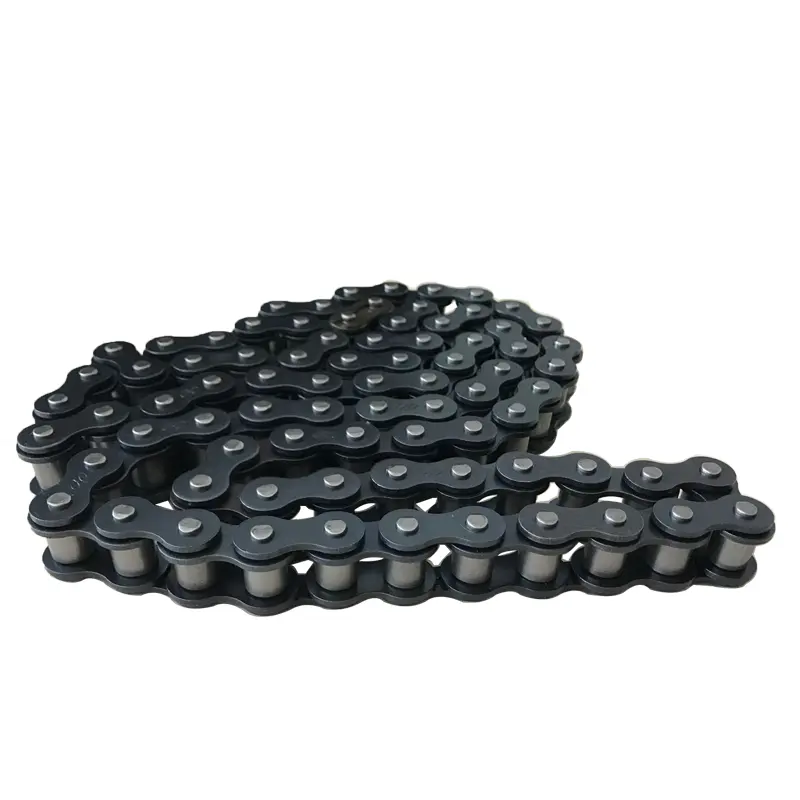
Professional Standard C216ALSS-I Type Conveyor Chain For Ice Cream
C216ALSS-I type chain is a transmission chain for ice cream production and conveying machinery. The pitch is 50.8mm. The roller material is made of reinforced nylon and machined. It is not injection molded and it is wear-resistant, low-temperature resistant, and not easy to break. The chain piece is made of stainless steel 304, with high hardness, low temperature resistance and not easy to break. The main parameters of the product comply with ISO, ANSI, DIN, BS, JIS standards
HangZhou CHINAMFG Industry Co., Ltd. is a specialized supplier of a full range of chains.
Due to our CHINAMFG in offering best service to our clients, understanding of your needs and overriding sense of responsibility toward filling ordering requirements, we have obtained the trust of buyers worldwide. Having accumulated precious experience in cooperating with foreign customers, our products are selling well in the American, European, South American and Asian markets.Our products are manufactured by modern computerized machinery and equipment. Meanwhile, our products are manufactured according to high quality standards, and complying with the international advanced standard criteria.
With many years’ experience in this line, we will be trusted by our advantages in competitive price, one-time delivery, prompt response, on-hand engineering support and good after-sales services.
Additionally, all our production procedures are in compliance with ISO9001 standards. We also can design and make non-standard products to meet customers’ special requirements. Quality and credit are the bases that make a corporation alive. We will provide best services and high quality products with all sincerity. If you need any information or samples, please contact us and you will have our soon reply.
FAQ:
Q1: Are you trading company or manufacturer ?
A: We are factory.
Q2: How long is your delivery time and shipment?
1.Sample Lead-times: generally 30 workdays.
2.Production Lead-times: 60 workdays after getting your deposit.
Q3. What is your terms of payment?
A: T/T 30% as deposit, and 70% before delivery.
We’ll show you the photos of the products and packages before you pay the balance.
Q4: What is your advantages?
1. Manufacturer,the most competitive price and good quality.
2. Perfect technical engineers give you the best support.
3. OEM is available.
4. Rich stock and quick delivery.
Q5. If you can’t find the product on our website,what do you next?
Please send us inquiry with product pictures and drawings by email or other ways and we’ll check
| Standard or Nonstandard: | Standard |
|---|---|
| Application: | Textile Machinery, Garment Machinery, Conveyer Equipment, Food Machinery |
| Surface Treatment: | Polishing |
| Samples: |
US$ 50/Meter
1 Meter(Min.Order) | Order Sample |
|---|
| Customization: |
Available
| Customized Request |
|---|
.shipping-cost-tm .tm-status-off{background: none;padding:0;color: #1470cc}
|
Shipping Cost:
Estimated freight per unit. |
about shipping cost and estimated delivery time. |
|---|
| Payment Method: |
|
|---|---|
|
Initial Payment Full Payment |
| Currency: | US$ |
|---|
| Return&refunds: | You can apply for a refund up to 30 days after receipt of the products. |
|---|
What are the factors that affect roller chain lifespan?
The lifespan of a roller chain can be influenced by several factors. Here’s a detailed answer to the question:
1. Load Capacity: The load capacity of a roller chain refers to its ability to handle the applied load without experiencing excessive stress or deformation. Using a roller chain that is properly sized and rated for the specific application’s load requirements is crucial for ensuring a longer lifespan.
2. Lubrication: Proper lubrication is essential for reducing friction and wear in a roller chain. Insufficient lubrication can lead to increased friction, heat generation, and accelerated wear. On the other hand, over-lubrication can attract contaminants and contribute to chain wear. Regular and proper lubrication based on the manufacturer’s recommendations is necessary to maximize chain lifespan.
3. Alignment: Proper alignment between the sprockets and the roller chain is critical for smooth operation and reduced wear. Misalignment can cause the chain to rub against the sprocket teeth, leading to increased friction and premature wear. Regular inspection and adjustment of the sprocket alignment can help extend the chain’s lifespan.
4. Environmental Conditions: The operating environment can have a significant impact on the lifespan of a roller chain. Factors such as temperature extremes, moisture, dust, chemicals, and abrasive contaminants can accelerate wear and corrosion. Using appropriate chain coatings, seals, and regular cleaning can help protect the chain and extend its lifespan.
5. Maintenance: Regular maintenance practices, including inspection, lubrication, and adjustment, are crucial for maximizing the lifespan of a roller chain. Periodic inspection for wear, damaged links, or other issues allows for timely replacement or repair, preventing further damage and potential chain failure.
6. Material Quality: The quality of the roller chain material affects its durability and resistance to wear. High-quality materials, such as alloy steel, with proper heat treatment and surface hardening, can enhance the chain’s strength and resistance to fatigue and wear.
7. Operational Conditions: The operating conditions, including speed, shock loads, and cycle frequency, can impact the chain’s lifespan. Excessive speeds, sudden changes in loads, or frequent starts and stops can put additional stress on the chain, leading to accelerated wear and potential failure.
By considering these factors and implementing proper maintenance and operating practices, the lifespan of a roller chain can be optimized, ensuring reliable and efficient performance over an extended period.
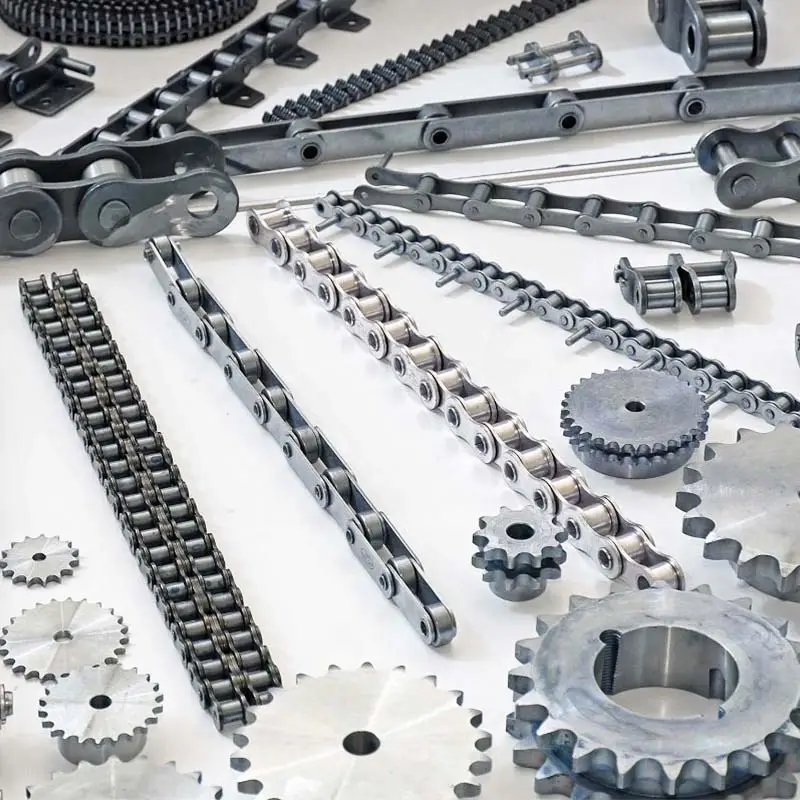
What are the benefits of using a roller chain in material handling systems?
Roller chains offer several benefits when used in material handling systems. Here’s a detailed answer to the question:
1. High Load Capacity: Roller chains are designed to handle heavy loads. They have the strength and durability to support the weight of materials being transported in material handling systems. The multiple contact points provided by the rollers distribute the load evenly, reducing stress concentrations and ensuring efficient load carrying.
2. Reliable Power Transmission: Roller chains provide reliable power transmission in material handling systems. They efficiently transfer power from the motor to the moving components, such as conveyors, lifts, and sorting systems. The precision engineering of roller chains ensures smooth and consistent power transfer, minimizing slippage and maximizing operational efficiency.
3. Flexibility and Versatility: Roller chains are available in various sizes, pitches, and configurations, offering flexibility in design and application. They can be easily adapted to different material handling system layouts and requirements. Roller chains can accommodate both horizontal and vertical movements, making them suitable for a wide range of material handling applications.
4. Durability and Longevity: Roller chains are known for their durability and resistance to wear. They are designed to withstand the demanding operating conditions typically encountered in material handling systems, such as high speeds, heavy loads, and exposure to dust, debris, and contaminants. Proper lubrication and maintenance can further enhance their longevity and reliability.
5. Easy Maintenance: Roller chains are relatively easy to maintain. Regular lubrication and periodic inspection can help ensure smooth operation and detect any signs of wear or damage. Chain tension can be easily adjusted to maintain optimal performance. In the event of chain wear or failure, individual chain links can be replaced, minimizing downtime and maintenance costs.
6. Cost-Effective Solution: Roller chains offer a cost-effective solution for power transmission in material handling systems. They are generally more affordable compared to alternative systems such as belts or gears. Additionally, their durability and longevity reduce the need for frequent replacements, resulting in cost savings over the system’s lifespan.
When selecting a roller chain for a material handling system, factors such as load capacity, speed, environmental conditions, and specific application requirements should be considered. Regular maintenance and inspection are essential to ensure optimal performance and to identify any potential issues that may require attention.
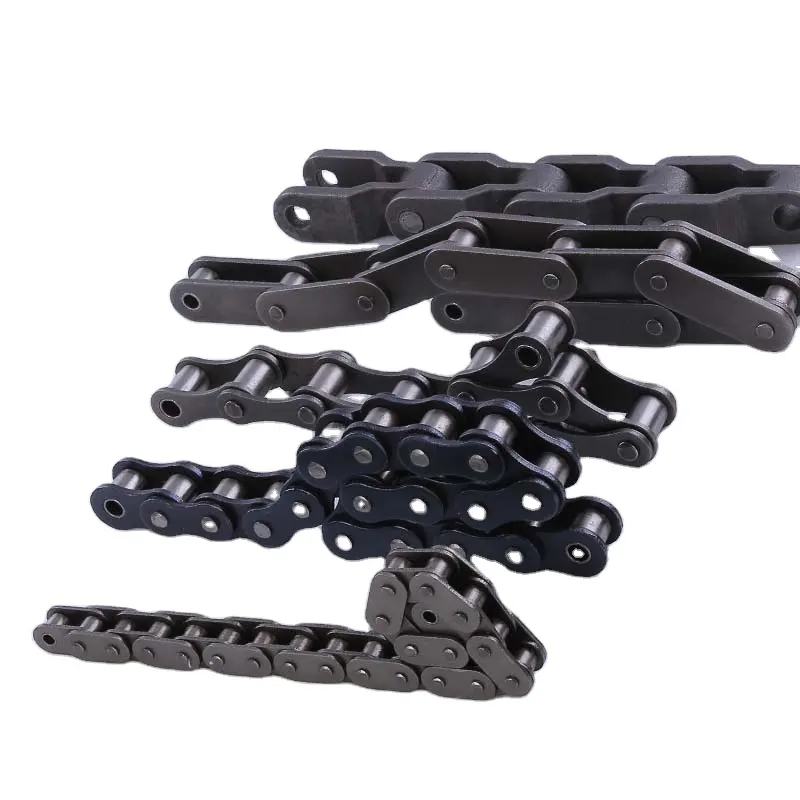
How do roller chains handle shock loads?
Roller chains are designed to handle a certain level of shock loads, but their ability to withstand and absorb shocks depends on several factors. Here’s a detailed answer to the question:
1. Chain Design: The design of roller chains includes various elements that contribute to their ability to handle shock loads. These elements include the shape and size of the rollers, the pitch of the chain, and the material used for construction. High-quality roller chains are engineered to provide durability and strength, allowing them to withstand sudden impacts and shocks.
2. Material Selection: The choice of materials for roller chains plays a significant role in their ability to handle shock loads. Chains made from high-quality alloy steels or special heat-treated steels offer better toughness and resistance to impact. The material properties, including hardness and tensile strength, are important considerations in determining the chain’s ability to handle shock loads.
3. Chain Tension: Proper chain tension is crucial for handling shock loads effectively. Adequate tension ensures the chain remains engaged with the sprockets during sudden changes in load or direction. Insufficient tension can lead to chain slippage or disengagement, resulting in increased shock loads on the chain links. Regular inspection and adjustment of chain tension help maintain optimal performance.
4. Lubrication and Maintenance: Proper lubrication is essential for reducing friction and wear, especially when dealing with shock loads. Adequate lubrication ensures smooth movement of the chain and minimizes the impact of shocks on the chain’s components. Regular maintenance, including cleaning and relubrication, helps prolong the chain’s lifespan and ensures its ability to handle shock loads.
While roller chains are designed to handle a certain level of shock loads, it is important to consider the specific requirements of the application. In situations where high shock loads are expected, additional measures such as using shock-absorbing devices, selecting chains with higher load capacities, or implementing buffering systems may be necessary to protect the chain and ensure reliable operation.


editor by CX 2023-10-20
China Best Sales Industrial Mill Steel Welded Lumber Conveyor Chain Attachment Roller Chain Drag Chains
Product Description
WH82 Welded Steel Chain ( For Steel Factory)
We own the sophisticated equipment and the advanced technology, such as:
1. CAD Designer
2. Wire Cutting Machine
3. Chain Running In Machine
4. Conveyor Furance
5. Ball Drift
6. Shot Peened Parts
7. Design Of Link Plate Waist
We have different models of welding chains, such as:
| Chain No
|
Pitch
(mm) |
Outside Barrel Dia
(mm) |
Pin Dia
(mm) |
Side Bar Height
(mm) |
Approx Tooth Face at pitch line
(mm) |
Length of Bearing
(mm) |
Plate Thickness
(mm) |
Ultimate tensile strength
(KN) |
Weight Approx
(Kg/FT) |
|
| WH82 | 78.1 | 26.97 | 14.35 | 31.8 | 38.1 | 57.4 | 6.4 | 132 | 2.28 |
|
Company Detail:
GOODUCK(TAI) is 1 of a professional exporter with exporting POWER TRANSMISSION PARTS: Roller chains,Conveyor chains,Stainless steel Chains, agricultural chains, steel detachable chains, special chains, sprockets, s. S. Sprockets, HRC couplings, pulleys, bushes etc. All these products have been supplied regularly to World Wide for over 15 years.
Welcome contact for more details.
Sofia Chen(Sales Manager)
HangZhou GOODLUCK TRANSMISSION TECHNOLOGY CO.,LTD
| Material: | Steel |
|---|---|
| Structure: | Welded Chain |
| Surface Treatment: | Polishing |
| Chain Size: | 1/2"*11/128" |
| Feature: | Fire Resistant |
| Trade Style: | Trade/Manufacture/OEM |
| Customization: |
Available
| Customized Request |
|---|
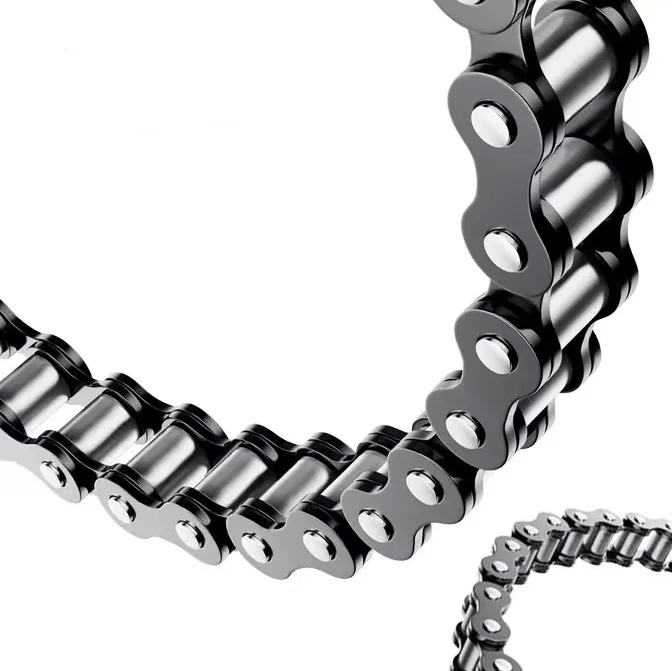
What are the advantages of using a roller chain over a cable or rope system?
Roller chains offer several advantages over cable or rope systems for power transmission. Here’s a detailed answer to the question:
1. Higher Efficiency: Roller chains provide a more efficient power transmission compared to cable or rope systems. They have lower friction losses, resulting in higher energy transfer and reduced power waste.
2. Precise and Reliable Motion: Roller chains offer precise and reliable motion control. They have minimal elongation and provide accurate positioning, making them suitable for applications that require precise speed and position control.
3. Greater Load Capacity: Roller chains have higher load-carrying capacity compared to cables or ropes of the same size. They can handle heavy loads and transmit high torque, making them suitable for applications that require robust power transmission.
4. Flexibility in Design: Roller chains offer flexibility in design and configuration. They can be easily customized to fit specific application requirements, such as different lengths, pitch sizes, and attachment options.
5. Durability and Longevity: Roller chains are known for their durability and long service life. They are constructed with high-quality materials and undergo heat treatment processes to enhance their strength and wear resistance, making them suitable for demanding industrial applications.
6. Maintenance and Replacement: Roller chains are relatively easy to maintain and replace. Lubrication and periodic inspection can help prolong their lifespan, and if a chain does wear out or break, it can be readily replaced with a new one, minimizing downtime.
7. Cost-Effective Solution: Roller chains are often a cost-effective solution for power transmission. They have a lower initial cost compared to some cable or rope systems and offer reliable performance over an extended period, resulting in lower maintenance and replacement costs.
While cable or rope systems have their own advantages in certain applications, roller chains excel in terms of efficiency, load capacity, precision, and durability, making them a popular choice for various industries, including manufacturing, automotive, agriculture, and more.
What are the advantages of using a roller chain over a timing belt?
Roller chains and timing belts are both commonly used for power transmission in various applications. Here’s a detailed answer to the question:
Advantages of using a roller chain:
1. Higher Load Capacity: Roller chains are capable of handling higher loads compared to timing belts. They are designed to transmit power in heavy-duty applications where high torque and shock loads are present.
2. Flexibility in Power Transmission: Roller chains are more versatile in terms of power transmission. They can transmit power over longer distances and are suitable for applications that require multiple shafts and complex power transmission routes.
3. Tolerance to Misalignment: Roller chains can tolerate more misalignment between the driving and driven sprockets compared to timing belts. They can accommodate slight angular misalignments and axial movements, making them suitable for applications where alignment precision is challenging.
4. Resistance to Harsh Environments: Roller chains are generally more resistant to contaminants, such as dirt, dust, and debris, compared to timing belts. They are commonly used in applications where exposure to harsh environments, such as high temperatures, chemicals, or abrasive particles, is expected.
5. Easy Maintenance and Replacement: Roller chains are relatively easy to maintain and replace. Regular lubrication, tension adjustment, and periodic inspection can help prolong their lifespan. In case of wear or damage, individual chain links can be replaced without the need for replacing the entire chain, making maintenance more cost-effective.
It’s important to note that the choice between a roller chain and a timing belt depends on various factors, including the specific application requirements, load conditions, speed, accuracy, and environmental considerations. Consulting with experts and considering the specific needs of the application can help determine the most suitable power transmission solution.
What are the best practices for maintaining roller chains?
Maintaining roller chains is crucial for their optimal performance, longevity, and reliability. Here are some best practices for maintaining roller chains:
1. Regular Lubrication: Proper lubrication is essential for reducing friction, preventing wear, and extending the life of the chain. Follow the manufacturer’s recommendations for the type and frequency of lubrication. Apply lubricant evenly along the chain, ensuring it reaches the inner rollers and bushings.
2. Cleanliness: Keep the roller chain clean and free from contaminants such as dirt, debris, and excess lubricant. Regularly inspect and clean the chain to remove any build-up that can contribute to wear and performance issues.
3. Tension Adjustment: Monitor the chain tension regularly and make adjustments as needed to ensure it remains within the manufacturer’s recommended range. Proper tension reduces stress on the chain and sprockets, minimizing wear and improving performance.
4. Alignment: Check the alignment of the sprockets to ensure they are properly aligned. Misaligned sprockets can cause uneven wear and premature failure of the chain. Adjust or replace the sprockets as necessary to maintain proper alignment.
5. Inspection: Regularly inspect the roller chain for signs of wear, damage, or elongation. Look for loose or damaged links, excessive wear on the sprocket teeth, or signs of fatigue. Replace any worn or damaged components promptly to prevent further damage and ensure safe operation.
6. Environmental Considerations: Consider the operating environment and take necessary precautions. In corrosive or high-temperature environments, use appropriate coatings or materials that offer resistance to corrosion and heat. In dirty or abrasive environments, install guards or shields to protect the chain from debris.
7. Training and Documentation: Provide proper training to maintenance personnel on roller chain maintenance and inspection procedures. Keep records of maintenance activities, including lubrication schedules, tension adjustments, and component replacements. This documentation helps track maintenance history and identifies patterns or potential issues.
8. Periodic Replacement: Despite regular maintenance, roller chains will eventually wear out. Establish a replacement schedule based on the chain’s expected lifespan and operating conditions. Replace the chain when it exhibits excessive wear, elongation, or signs of fatigue to prevent sudden failures.
By following these best practices, you can optimize the performance, lifespan, and reliability of roller chains, reducing downtime and ensuring the smooth operation of your machinery or equipment.
editor by CX 2023-10-12
China factory Straight Side Plate Conveyor Stainless Steel Precision Short Link Industrial Roller Chain
Product Description
Company Profile
-HangZhou CHOHO Industrial Co., Ltd. was founded in 1999. Has become the leader of chain system technology, the first batch of natioal recognized enterprise technology center,national technology innovation demonstration enterprise,and the first A-share listed company in China’s chain drive industry.The securities code is 003033.
-CHOHO has 4 subsidiaries, including testing technology and international trading companies. has 4 factories in HangZhou, Thailand factory, ZheJiang R&D Center and Tokyo R&D Center. In addition, CHOHO ZHangZhoug Industrial zone is expected to be completed & put into operation next year.
-We specialized in producing all kinds of standard chains and special chains, such as Agricultural Chain, Sprocket, Chain Harrow, Tillage Parts,Rice Harvester Chain, GS38 Chain, Roller Chain, Automobile Chain, Motorcycle Chain Industrial Chain and so on.Our partners among world top enterprises, such as LOVOL,JOHN DEERE,NEW HOLLAND, CLASS,AGCO,DEUTZFAHR,HONDA, KUBOTA etc.
Production Capacity Equipment
By 2571,CHOHO has more than 2,700 sets of main production equipment and more than 600 sets of high-precision equipment,With the domestic advanced product laboratory and chain production assembly line, CHOHO has strong research and development and testing capabilities for high-end chain products.
Our Advantages
1. Any inquiry you make will be answered professionally within 6~8 hours.
2. Attaches great importance to product quality and approved by many global quality system certification,such as France, Norway, Germany.
3. Focused on Chain since 1999, have rich experience in Production.
4. High-quality workers,First-class advanced equipment,good quality control,advanced technology.
5. Be Good at Custom-Made Products, provide customized services for customers.
6. Participated in the drafting of 24 national and industrial standards such as chains.As of 2571-Mar, CHOHO has 180 authorized patents.
7. With the responsibility of “Providing high quality chain system with the same service life for the global locomotive industry”, have established a strong R&D team.
CHOHO has a natural brand awareness. As of January 2571, CHOHO has registered the “CHOHO” trademark in more than 60 countries, including the United States, Japan, the United Kingdom, France, Germany, Russia, Spain, Austria, Belgium, Bulgaria, Croatia, Czech Republic, Denmark, Finland, Greece , Hungary, Ireland, Italy, Netherlands, Poland, Portugal, Romania, Ukraine, Sweden, Australia, Algeria, Egypt, Kenya, Morocco, South Korea, Kazakhstan, Mongolia, Syria, Thailand, Pakistan, India, Brazil, Mexico, Colombia, etc.
Product Advantages
Certifications
CHOHO attaches great importance to product quality and approved by many global quality system certification, such as France, Norway, and Germany. Through the establishment of a sophisticated production management process and quality control system, the entire product process control is achieved. With the introduction of advanced production, processing, and testing equipment, CHOHO has internationally leading full-process quality control capabilities to provide customers with high-quality products.
Choho Provide Chain System Solutions for The Global Top 500 and The Enterprises in Various Fields Top 10!
Broad Customer Channels Market Continues to Develop!
CHOHO has been invited to participate in domestic & international agricultural machinery exhibitions, such as Hannover Messe, Bologna Fair, Canton Fair ,VIV ASIA and so on!
Packaging & Shipping
| Packaging Details: | Chain+Plastic Bag+Neutral Box+Wooden case+Big Carton+Steel Pallets or Customization |
FAQ
1. Are you manufacturer or trade Company?
We are a factory focused on producing and exporting Chain over 23 years,have a professional international trade team.
2. What terms of payment you usually use?
T/T 30% deposit and 70% against document, L/C at sight
3. What is your lead time for your goods?
Normally 30~45 days.Stock can be shipped immediately.
4. Do you attend any Show?
We attend Hannover show in Germany, EIMA in Italy, CZPT in France, CIAME in China and many other Agricultural machinery shows.
5.Do you offer free samples?
Yes,we can.or you just bear the shipping cost.
6.Is OEM available?
Yes, OEM is available. We have professional designers to help you design.
|
Shipping Cost:
Estimated freight per unit. |
To be negotiated |
|---|
| Usage: | Transmission Chain, Conveyor Chain, Dedicated Special Chain, Roller Chain |
|---|---|
| Material: | Stainless steel |
| Surface Treatment: | Polishing |
| Samples: |
US$ 0/Meter
1 Meter(Min.Order) | Order Sample |
|---|
| Customization: |
Available
| Customized Request |
|---|
What are the benefits of using a roller chain in conveyor systems?
Roller chains offer numerous advantages when used in conveyor systems, making them a popular choice for material handling applications. Here’s a detailed answer to the question:
1. High Strength and Load Capacity: Roller chains are designed to withstand heavy loads and provide reliable power transmission in conveyor systems. They have excellent load-carrying capacity and can handle substantial weights, making them suitable for conveying bulk materials or heavy objects.
2. Smooth and Efficient Operation: Roller chains offer smooth and efficient operation in conveyor systems. The rollers on the chain engage with the sprockets, reducing friction and allowing the chain to move smoothly along the conveyor. This ensures efficient material transfer and minimizes energy consumption.
3. Wide Range of Sizes and Configurations: Roller chains are available in various sizes and configurations to accommodate different conveyor system designs and load requirements. This versatility allows for customization and ensures compatibility with different conveyor types, such as flat-top, slat, or apron conveyors.
4. Adaptability to Harsh Environments: Roller chains are capable of operating in harsh environments typically encountered in conveyor systems. They can withstand dust, dirt, moisture, and temperature variations, making them suitable for both indoor and outdoor applications. Additionally, roller chains can be made from corrosion-resistant materials or coated to enhance their durability in corrosive or abrasive environments.
5. Easy Maintenance and Replacement: Roller chains are relatively easy to maintain and replace in conveyor systems. Regular lubrication and inspection help extend the chain’s lifespan and prevent premature wear. If necessary, individual chain links or sections can be replaced without replacing the entire chain, minimizing downtime and maintenance costs.
6. Cost-Effectiveness: Roller chains are cost-effective compared to alternative conveyor systems. They offer a balance between performance, durability, and affordability, making them a cost-efficient choice for various industrial applications.
Overall, using a roller chain in conveyor systems provides high load capacity, smooth operation, adaptability to harsh environments, ease of maintenance, and cost-effectiveness. These benefits make roller chains an excellent choice for efficient material handling and transportation in industries such as manufacturing, distribution, logistics, and warehousing.
What are the differences between standard and specialty roller chains?
Standard roller chains refer to chains that are commonly used in a wide range of applications and are readily available from chain manufacturers. These chains typically have standard dimensions, including pitch, roller diameter, and pin diameter, and are made from materials such as carbon steel, stainless steel, or nickel-plated steel. Standard roller chains are suitable for most general-purpose applications that require moderate strength and durability.
Specialty roller chains, on the other hand, are designed for specific applications that require unique features or properties. These chains may have non-standard dimensions or be made from specialized materials such as high-strength alloys or plastic. Specialty roller chains can be used in a variety of industries, including food processing, automotive, and aerospace. Examples of specialty roller chains include corrosion-resistant chains, high-temperature chains, and chains with special attachments for conveying specific products or materials.
Overall, the main differences between standard and specialty roller chains are their intended applications and the unique features that they offer. Standard roller chains are suitable for most general-purpose applications, while specialty roller chains are tailored to specific applications that require special properties or features.
editor by CX 2023-09-08
China Custom ISO ANSI DIN Stainless Steel Short Double Pitch Transmission Conveyor Agricultural Drop Forged Hollow Pin Flat Top Leaf Motorcycle Steel Roller Chain
Product Description
TRANSMISSION ROLLER CHAIN
Feature
. Long-life duration and high strength
. Good performance of anti-rusty
. Pre-stretching and running for each roll before delivery
. All the chain parts are of complete heat-treatment and controlled within the standarded tolerance
. Can produce any nonstandarded chain according to the drawing or sample
Production Range
1) A Series Short-Pitch Transmission Precision Roller Chain
25-1R, 35-1R, 40-1R, 50-1R , 60-1R, 80-1R, 100-1R, 120-1R, 140-1R, 160-1R, 180-1R, 200-1R, 240-1R
Double stand, triple strand are available
2). B Serieis Short-Pitch Transmission Precision Roller Chain
05B-1R, 06B-1R, 08B-1R, 10B-1R, 12B-1R, 16B-1R, 20B-1R, 24B-1R, 28B-1R, 32B-1R, 40B-1R, 48B-1R
Double stand, triple stand are available.
3). Short-Pitch Heavy Roller Chain
40H, 50H, 60H, 80H, 100H, 120H, 140H, 160H, 200H
4). Motorcycle Chain
25H, 219H, 420, 420H, 428, 428H, 520, 520H, 530, 530SH, 630
OTHER SERIES STEEL CHAIN
1. Conveyor chain: C2040, C2042, C2050, C2052, C2060, C2062, C2060H, C2062H, C2080, C2082, C2080H, C2082H, C2100, C2102, C2100H, C2120H, C2160, C2162, C2160H, C2162H,
2. Hollow Pin Chain: C2040HP, C2050HP, C2042HP, C2052HP, C2060HP, C2062HP, C2080HP, C2082HP, 40HP, 50HP, 60HP, 80HP
3. Agricultural Roller Chain: S32, S42, S45, S52, S55, S62, S77, S88, C550, C620, CA550, CA557, CA620
4. Welded Steel Cranked Link Mill Chain: W78, W82, W110, W111, W124, W132
5. Leaf Chain: BL622, BL623,BL634, BL644, BL646, BL666, BL688, BL822, BL823, BL834, BL844, BL846, BL866, BLF888, BL1571, BL1034, BL1046, BL1066, BL1222, BL1244, BL1288, BL1422, BL1444, BL1488, BL1622, BL1644, BL1688, BL2571, BL2034, BL2066, BL2088
6. Drop Forged Chain: X348, X458, X678, X689
7. Chain Coupling: 4012, 4014, 4016, 5014, 5016, 5018, 6018, 6571, 6571, 8018, 8571, 8571, 10571, 12018
FAQ
Q1. Can I have a sample order?
Yes, any sample order is welcome to know the quality of our products.
Q2. What about the lead time of the sample or the final order?
2-5 days for normal sample.
20-30 days for a formal order.
Q3. How much is the minimum quantity for each item in 1 order?
Any quantity is ok to run.
Q4. Is it possible to print our logo or brand on the belt?
Yes, we can print your logo or design on the belt after receipt of your formal authorization letter of the logo or your brand.
Q5. Do you offer the guarantee for your product?
Yes, usually we offer 1 year warranty for all of our products.
| Standard or Nonstandard: | Standard |
|---|---|
| Application: | Textile Machinery, Conveyer Equipment, Motorcycle, Food Machinery, Mining Equipment, Agricultural Machinery |
| Surface Treatment: | Polishing |
| Structure: | Roller Chain |
| Material: | Carbon Steel |
| Type: | Short Pitch Chain |
| Samples: |
US$ 0/Piece
1 Piece(Min.Order) | |
|---|
| Customization: |
Available
| Customized Request |
|---|

How do hollow pin chains handle wear and tear in continuous operation?
Hollow pin chains are designed to handle wear and tear in continuous operation, but proper maintenance and certain considerations are necessary to ensure their longevity and optimal performance.
- Material Selection: Choosing the right material for the hollow pin chains is crucial. Chains made from high-quality alloy steel or stainless steel offer better resistance to wear and corrosion, making them suitable for continuous operation in various environments.
- Proper Lubrication: Regular and adequate lubrication is essential to minimize friction between the chain components. Proper lubrication reduces wear and heat generation, extending the chain’s life and maintaining its performance in continuous operation.
- Chain Tension: Maintaining the correct chain tension is crucial for continuous operation. Proper tension ensures the chain remains engaged with the sprockets or pulleys, reducing wear and preventing premature elongation.
- Inspection and Maintenance: Regular inspection and maintenance are necessary to identify signs of wear, elongation, or damage. Addressing these issues promptly helps prevent further damage and ensures safe and efficient continuous operation.
- Environmental Considerations: The operating environment can significantly impact chain wear and tear. Factors such as dust, debris, moisture, and temperature can affect the chain’s performance. Taking appropriate measures to protect the chain from adverse environmental conditions is important for continuous operation.
- Load Capacity: Ensuring that the hollow pin chains are appropriately sized and have the required load-carrying capacity for the application is crucial. Overloading the chains can accelerate wear and lead to premature failure.
In summary, hollow pin chains can handle wear and tear in continuous operation when proper maintenance and considerations are taken into account. Selecting the right materials, maintaining proper lubrication and tension, conducting regular inspections, and considering the operating environment are essential for ensuring the longevity and reliable performance of hollow pin chains in continuous operation.

Can hollow pin chains be used in food processing or pharmaceutical industries?
Yes, hollow pin chains can be used in both the food processing and pharmaceutical industries, but there are some important considerations to keep in mind.
Food Processing Industry: Hollow pin chains are commonly utilized in the food processing industry for various applications. They are often employed in conveyor systems to transport food products during different stages of processing, such as washing, sorting, and packaging. These chains are designed to meet the specific hygiene standards required in food processing environments, making them suitable for use in food contact areas. Stainless steel and other corrosion-resistant materials are commonly used to manufacture hollow pin chains for food processing applications, ensuring that they are easy to clean and maintain. Additionally, food-grade lubricants may be used to ensure the chains meet food safety regulations.
Pharmaceutical Industry: In the pharmaceutical industry, the use of hollow pin chains is more limited compared to other types of conveyor chains due to the strict regulatory requirements. However, in certain non-product contact areas, hollow pin chains can be utilized for material handling and transportation purposes. Similar to the food processing industry, stainless steel and corrosion-resistant materials are preferred to maintain a high level of hygiene and prevent contamination. The pharmaceutical industry also demands adherence to specific cleaning and validation procedures to ensure the chains meet the required standards for pharmaceutical production environments.
Overall, while hollow pin chains can be used in the food processing and pharmaceutical industries, it is essential to select the appropriate chain materials, lubricants, and follow industry-specific regulations and guidelines to ensure compliance with hygiene and safety standards.

Can hollow pin chains handle heavy loads and high torque requirements?
Hollow pin chains are designed to handle a wide range of loads and torque requirements, making them suitable for various industrial applications. The ability to handle heavy loads and high torque is influenced by several factors:
- Material Strength: Hollow pin chains are typically constructed from high-quality materials, such as carbon steel or stainless steel. These materials provide excellent strength and durability, allowing the chains to withstand heavy loads and high torque without deformation or failure.
- Chain Size and Pitch: The size and pitch of the hollow pin chain play a crucial role in determining its load-carrying capacity and torque resistance. Larger chain sizes with greater pitch dimensions can handle heavier loads and transmit higher torque levels.
- Attachments: The addition of attachments to the chain can impact its load-carrying capacity and torque capabilities. Well-designed attachments evenly distribute the load and reduce stress concentrations, enhancing the chain’s performance in demanding applications.
- Lubrication and Maintenance: Proper lubrication and regular maintenance are essential for ensuring the smooth operation of hollow pin chains under heavy loads and high torque conditions. Adequate lubrication minimizes friction and wear, while maintenance helps identify and address potential issues before they escalate.
Overall, when correctly selected, installed, and maintained, hollow pin chains can reliably handle heavy loads and high torque requirements in applications such as material handling, conveying, and other industrial processes. It is essential to consider the specific demands of the application and choose the appropriate chain size, material, and attachments to optimize performance and ensure safe and efficient operation.
editor by CX 2023-09-06
China best ISO Standard a/B Series Roller Chain Steel Stainless Transmission Conveyor Leaf Chain and Attachemnt
Product Description
Simplex stainless 304 Roller Chain (08B-1, 24B-1)
The most commonly used chain is roller chain or as it is also known transmission chain. These are the simplest chain drives, Used mainly for transmitting power. Can be supplied from 3mm pitch up to 4″ pitch in either mild steel or stainless steel.
| DIN/ISO Chain No. |
Pitch | Roller Diameter |
Width Between Inner Plates |
Pin Diameter |
Pin Length |
Inner Plate depth |
Plate thick ness |
Ultimate Tensile Strength |
Average Tensile Strength |
Weight Per Meter |
|
| Mm | mm | mm | mm | mm | mm | mm | mm | kN/LB | kN | Kg/m | |
| 04B-1 | 6.000 | 4.00 | 2.80 | 1.85 | 6.80 | 7.80 | 5.00 | 0.60 | 3.0/682 | 3.2 | 0.11 |
| 05B-1 | 8.000 | 5.00 | 3.00 | 2.31 | 8.20 | 8.90 | 7.10 | 0.80 | 5.0/1136 | 5.9 | 0.20 |
| *06B-1 | 9.525 | 6.35 | 5.72 | 3.28 | 13.15 | 14.10 | 8.20 | 1.30 | 9.0/2045 | 10.4 | 0.41 |
| 08B-1 | 12.700 | 8.51 | 7.75 | 4.45 | 16.70 | 18.20 | 11.80 | 1.60 | 18.0/4091 | 19.40 | 0.69 |
| 10B-1 | 15.875 | 10.16 | 9.65 | 5.09 | 19.50 | 20.90 | 14.70 | 1.70 | 22.4/5091 | 27.50 | 0.93 |
| 12B-1 | 19.050 | 12.07 | 11.68 | 5.72 | 22.50 | 24.2 | 16.00 | 1.85 | 29.0/6591 | 32.20 | 1.15 |
| 16B-1 | 25.400 | 15.88 | 17.02 | 8.28 | 36.10 | 37.4 | 21.00 | 4.15/3.1 | 60.0/13636 | 72.80 | 2.71 |
| 20B-1 | 31.750 | 19.05 | 19.56 | 10.19 | 41.30 | 45.0 | 26.40 | 4.5/3.5 | 95.0/21591 | 106.7 | 3.70 |
| 24B-1 | 38.100 | 25.40 | 25.40 | 14.63 | 53.40 | 57.80 | 33.20 | 6.0/4.8 | 160.0/36364 | 178.0 | 7.10 |
| 28B-1 | 44.450 | 27.94 | 30.99 | 15.90 | 65.10 | 69.50 | 36.70 | 7.5/6.0 | 200.0/45455 | 222.0 | 8.50 |
| 32B-1 | 50.800 | 29.21 | 30.99 | 17.81 | 66.00 | 71.0 | 42.00 | 7.0/6.0 | 250.0/56818 | 277.5 | 10.25 |
| 40B-1 | 63.50 | 39.37 | 38.10 | 22.89 | 82.20 | 89.2 | 52.96 | 8.5/8.0 | 355.0/80682 | 394.0 | 16.35 |
| 48B-1 | 76.20 | 48.26 | 45.72 | 29.24 | 99.10 | 107.0 | 63.80 | 12.0/10.0 | 560.0/127272 | 621.6 | 25.00 |
| 56B-1 | 88.90 | 53.98 | 53.34 | 34.32 | 114.60 | 123.0 | 77.80 | 13.5/12.0 | 850.0/193180 | 940.0 | 35.78 |
| *Bushing chain: d1 in the table indicate the external diameter of bushing |
|||||||||||
We own the sophisticated equipment and the advanced technology, such as:
1. CAD Designer
2. Wire Cutting Machine
3. Chain Running In Machine
4. Conveyor Furance
5. Ball Drift
6. Shot Peened Parts
7. Design Of Link Plate Waist
Company Detail:
GOODLUCK TRANSMISSION is 1 of a professional exporter with exporting POWER TRANSMISSION PARTS: Roller chains,conveyor chain,stainless steel chains, agricultural chains, steel detachable chains, special chains, sprockets, s. S. Sprockets, HRC couplings, pulleys, bushes etc. All these products have been supplied regularly to World Wide for over 15 years.
Welcome contact for more detail.
Company Detail:
GOODLUCK TRANSMISSION is 1 of a professional exporter with exporting POWER TRANSMISSION PARTS: Roller chains,conveyor chain,stainless steel chains, agricultural chains, steel detachable chains, special chains, sprockets, s. S. Sprockets, HRC couplings, pulleys, bushes etc. All these products have been supplied regularly to World Wide for over 15 years.
Welcome contact for more detail.
Company Detail:
GOODLUCK TRANSMISSION is 1 of a professional exporter with exporting POWER TRANSMISSION PARTS: Roller chains,conveyor chain,stainless steel chains, agricultural chains, steel detachable chains, special chains, sprockets, s. S. Sprockets, HRC couplings, pulleys, bushes etc. All these products have been supplied regularly to World Wide for over 15 years.
Welcome contact for more detail.
Sofia Chen(Sales Manager)
HangZhou Goodlukc Transmission Technology Co.,Ltd.
716 Gold River Center,NO.88 Shishan Rd.,
New District,HangZhou,P.R.China.P.C.:215011
| Usage: | Transmission Chain |
|---|---|
| Material: | Stainless steel |
| Surface Treatment: | Polishing |
| Feature: | Heat Resistant |
| Chain Size: | 1/2"*3/32" |
| Structure: | Roller Chain |
| Customization: |
Available
| Customized Request |
|---|
How do roller chains handle variable speed applications?
Roller chains are well-suited for variable speed applications due to their inherent design characteristics. Here’s a detailed answer to the question:
1. Speed Range: Roller chains can accommodate a wide range of speeds, making them suitable for variable speed applications. The speed of the driven sprocket can be adjusted, and the chain will adapt to the changing speed requirements.
2. Smooth Power Transmission: Roller chains provide smooth and consistent power transmission even at varying speeds. The engagement between the chain and the sprockets remains constant, ensuring reliable power transfer without slippage or loss of efficiency.
3. Tension Adjustment: In variable speed applications, the tension of the roller chain may need to be adjusted to maintain optimal performance. Proper tension ensures proper engagement with the sprockets and prevents excessive wear or elongation of the chain.
4. Lubrication: Adequate lubrication is crucial for roller chains in variable speed applications. Lubrication helps reduce friction, wear, and heat generation, ensuring smooth operation and extending the chain’s lifespan. Depending on the speed range and operating conditions, the appropriate lubrication method and frequency should be determined.
5. Chain Selection: Selecting the right type and size of roller chain is important for variable speed applications. Different chain designs and materials may have specific speed limitations or performance characteristics. Consulting the manufacturer’s specifications and recommendations can help ensure the chain’s compatibility with the required speed range.
6. System Design Considerations: When designing variable speed applications with roller chains, factors such as sprocket sizes, drive ratios, and load requirements should be carefully considered. Proper sizing and alignment of the sprockets, as well as selecting the appropriate chain pitch, can contribute to the smooth operation and longevity of the system.
It’s important to note that proper maintenance, including regular inspection, lubrication, and tension adjustment, is essential for roller chains in variable speed applications. Monitoring the chain’s condition and addressing any signs of wear or damage promptly will help ensure safe and reliable operation.
What are the benefits of using a roller chain in printing machinery?
Roller chains offer several advantages when used in printing machinery. Here’s a detailed answer to the question:
1. High Strength and Durability: Roller chains are designed to withstand heavy loads and provide high tensile strength, making them suitable for the demanding requirements of printing machinery. They can efficiently transmit power and handle the stress and torque generated during the printing process.
2. Precise and Reliable Power Transmission: Roller chains provide accurate and reliable power transmission, ensuring consistent and precise movement of the printing components. This is crucial for maintaining print quality, registration, and alignment of the printed material.
3. Wide Range of Speeds: Roller chains can accommodate a wide range of speeds, allowing for flexibility in printing machinery. Whether it’s high-speed printing or slower, more precise operations, roller chains can adapt to different speed requirements.
4. Easy Installation and Maintenance: Roller chains are relatively easy to install and maintain. They can be adjusted, lubricated, and replaced as needed, minimizing downtime and ensuring the continuous operation of printing machinery.
5. Versatility and Adaptability: Roller chains can be customized to meet specific requirements of printing machinery, such as different chain sizes, lengths, and attachments. This versatility allows for easy integration into various types of printing equipment and processes.
6. Cost-Effective Solution: Roller chains offer a cost-effective power transmission solution for printing machinery. They have a long service life, reducing the need for frequent replacements, and their availability in various sizes and configurations allows for efficient use in different printing applications.
In summary, the use of roller chains in printing machinery provides strength, reliability, precision, and versatility. They contribute to the smooth operation of the equipment, ensuring high-quality prints and increased productivity in printing applications.
What is the expected lifespan of a roller chain?
The expected lifespan of a roller chain can vary depending on several factors, including the quality of the chain, the operating conditions, and the level of maintenance. Here’s a detailed answer to the question:
The lifespan of a roller chain is primarily influenced by the following factors:
1. Chain Quality: High-quality roller chains made from durable materials and manufactured to precise specifications tend to have a longer lifespan compared to lower-quality chains. Chains from reputable manufacturers often undergo rigorous testing and quality control processes to ensure their performance and durability.
2. Operating Conditions: The operating environment greatly affects the lifespan of a roller chain. Factors such as temperature, humidity, contamination, shock loads, and vibration can impact the chain’s wear and fatigue resistance. Chains operating in harsh conditions may require more frequent maintenance and replacement.
3. Lubrication and Maintenance: Proper lubrication is crucial for maintaining the lifespan of a roller chain. Regular lubrication helps reduce friction, wear, and corrosion, thereby extending the chain’s life. Additionally, regular inspection and maintenance, including tension adjustment, sprocket alignment, and cleaning, can help identify and address issues that could shorten the chain’s lifespan.
4. Load and Speed: The load and speed at which the roller chain operates also play a role in determining its lifespan. Chains operating under heavy loads or high speeds may experience increased wear and fatigue, shortening their lifespan. Choosing a chain with the appropriate strength and size for the application is important to ensure optimal performance and longevity.
Generally, a well-maintained roller chain can last for thousands of hours of operation. However, it is essential to monitor the chain’s condition regularly and replace it when signs of wear, elongation, or damage become apparent. Following the manufacturer’s recommendations for maintenance and replacement intervals is crucial for maximizing the lifespan of the roller chain.
editor by CX 2023-09-06
China Custom Mc Series Mc28 Mc56 Mc112 Mc224 Hollow Pin Conveyor Steel Chain with No Roller/ S Roller/R Roller/ F Roller
Product Description
MC Series MC28 MC56 MC112 MC224 Hollow Pin Conveyor Steel Chain With No roller/ S roller/R Roller/ F Roller
Product Description
EVER-POWER conveyor chain is made of fine blanking, ball drift and heat treatment components, which comply with DIN / ISO standards and have high strength and durability. CZPT also has a variety of straight, curved, U-shaped chain connections.
|
Chain No. |
Pitch |
Width between inner plates |
Roller diameter |
Pin |
|||||||||||
|
P |
b1 min |
d1 |
d6 |
d5 |
d1 |
d2 |
d3 |
L | L1 | ||||||
|
mm |
mm |
mm |
mm | mm |
mm |
mm |
mm |
mm | mm | ||||||
| MC28 | 63 | 80 | 100 | 125 | 160 | – | 20 | 36 | 25 | 45 | 4.5 | 13 | 8.2 | 36 | 38.5 |
| MC56 | 80 | 100 | 125 | 160 | 200 | 250 | 24 | 50 | 30 | 60 | 5 | 15.5 | 10.2 | 45 | 47.5 |
| MC112 | 100 | 125 | 160 | 200 | 250 | 315 | 32 | 70 | 42 | 85 | 7 | 22 | 14.3 | 62.5 | 64.3 |
| MC224 | 160 | 200 | 250 | 315 | 400 | 500 | 43 | 100 | 60 | 120 | 10 | 31 | 20.3 | 83 | 85.5 |
| Chain No. | Roller diameter | Plate | Ultimate tensile strength | ||
| d2 max mm | h | T | Q min kN | Q max kN | |
| MC28 | 17.5 | 25 | 3.5 | 28 | 40 |
| MC56 | 21 | 35 | 4 | 56 | 90 |
| MC112 | 29 | 50 | 6 | 112 | 180 |
| MC224 | 41 | 70 | 8 | 224 | 350 |
Company Profile
The company has advanced manufacturing technology and relatively strong manufacturing force, and high-end precision testing instruments to ensure that every chain leaving the factory is qualified. The company mainly deals in: transmission chain, transmission chain, lifting chain, agricultural machinery chain, stainless steel chain, etc. Various non-standard chains are ordered separately. The company uses more than 600 kinds of non-standard molds. It can be customized according to drawings. We implement all-round management and control over product quality and service, and constantly improve customer satisfaction. The chain produced by the company enjoys a certain reputation in the world with its high quality, good reputation and high-quality service.
Related products
The chain types are divided into engineering chain, conveying chain, plate chain, transmission chain, escalator chain, parking equipment chain, agricultural chain, stainless steel chain, etc. There are different types of chains with different purposes, specifications, models and styles.
| Plate chain type Plate chain is usually used to lift goods. For example, forklift, lifting machinery and equipment. Plate chain has no rollers, but chain plates are connected with each other. It is a kind of chain used for loading. Different types of plate chains have different functions, | Stainless steel chain Stainless steel chain types include standard stainless steel chain, stainless steel hollow pin chain, stainless steel chain used for environmental protection equipment, etc, |
| Type of transmission chain Many types of transmission chains are power transmission chains, such as precision roller chains, double pitch roller chains, high-strength short pitch precision roller chains, petroleum chains, pumping unit chains, self-lubricating roller chains, side bending (turning machine) chains, corrosion resistant chains, etc | There are many types of escalator chains, including escalator step chains, heavy-duty high gradient escalator step chains, travelator chains, and escalator chains of different specifications and models,
|
| The engineering chain includes many kinds of chains, such as cement bucket elevators, environmental protection equipment, pavers, trenchers, welding equipment, mining, power plant dust removal and other equipment. |
Agricultural machinery chain Agricultural machinery chain is a chain developed and produced according to the characteristics of different crops, including rice harvester chain, GS38 combine chain, corn harvester chain, citrus straw harvester chain, soybean harvester chain, peanut harvesting chain, garlic sowing chain, and potato planter chain. |
| There are many types of conveying chains, such as wood conveying chain, double speed chain, RF conveying chain, sharp tooth chain, sugar chain, brown oil chain, F chain, metric conveying chain, top roller conveying chain, grain scraper, hollow pin, suspension conveying, etc. The conveying chain is a power chain for transporting goods. | Parking equipment chain This type of chain includes roller chains for parking equipment, chains for vertical circulation parking equipment, and parking equipment chains that can be developed according to demand. |
We not only produce chains and transmissions, including gear boxes, sprockets, gears, racks, couplings and other products, but also supply them to meet your one-stop purchase. Welcome to consult us
Packaging & Shipping
Certifications
| Usage: | Transmission Chain, Drag Chain, Conveyor Chain, Dedicated Special Chain |
|---|---|
| Material: | Stainless steel |
| Surface Treatment: | Oil Blooming |
| Feature: | Oil Resistant |
| Chain Size: | 1/2"*3/32" |
| Structure: | Roller Chain |
| Samples: |
US$ 9999/Piece
1 Piece(Min.Order) | |
|---|
Can hollow pin chains be used in agricultural machinery and equipment?
Yes, hollow pin chains can be used in agricultural machinery and equipment, and they offer several advantages for these applications.
- Strength and Load Capacity: Agricultural machinery often handles heavy loads, such as in combines, balers, and grain elevators. Hollow pin chains are designed to handle moderate to heavy loads, making them suitable for these demanding agricultural applications.
- Attachment Options: Hollow pin chains can be equipped with various attachments, such as slats or custom links, to facilitate material handling and transfer during agricultural processes.
- Flexibility: Hollow pin chains have a certain degree of flexibility, which is beneficial in agricultural machinery and equipment that requires navigating around tight spaces and complex layouts.
- Reduced Weight: The hollow pin design reduces the weight of the chains, resulting in lower inertia during starts and stops. This feature allows for smoother and more efficient operation in agricultural machinery.
- Corrosion Resistance: In agricultural environments, the equipment may be exposed to moisture, fertilizers, and other corrosive substances. Stainless steel hollow pin chains offer excellent corrosion resistance, ensuring durability and prolonged service life in such conditions.
- Easy Maintenance: Hollow pin chains are relatively easy to maintain, with accessible pins and links. Regular lubrication and inspection can help extend the chain’s life and ensure continuous operation in agricultural machinery.
However, it’s essential to consider certain factors when using hollow pin chains in agricultural machinery and equipment:
- Contaminants: Agricultural processes may involve exposure to dirt, dust, and other contaminants. Regular cleaning and maintenance are essential to prevent excessive wear and reduce the risk of premature chain failure.
- Impact Loads: Some agricultural equipment, such as combine harvesters, may experience impact loads during harvesting. Choosing a chain with robust construction and material strength can withstand these loads and minimize wear.
- Proper Chain Selection: Selecting the appropriate chain size, strength, and material is critical to ensure the chain can handle the specific requirements of the agricultural machinery and equipment.
In conclusion, hollow pin chains are a suitable choice for agricultural machinery and equipment, offering strength, flexibility, attachment options, reduced weight, corrosion resistance, and ease of maintenance. Proper chain selection, installation, and maintenance are essential to ensure the chain’s reliable performance in these demanding agricultural applications.

What are the noise and vibration characteristics of hollow pin chains?
Hollow pin chains exhibit specific noise and vibration characteristics that can vary based on factors such as design, material, lubrication, and operating conditions.
- Noise Characteristics:
- Noise Level: Hollow pin chains generally produce less noise compared to some other types of chains, such as roller chains. The design of the hollow pins allows for smoother movement and reduced friction, resulting in quieter operation.
- Impact Noise: Hollow pin chains can generate impact noise when engaging sprockets or other components due to the design of the pins. This impact noise can be minimized by using proper lubrication and maintaining the chain at the recommended tension levels.
- Maintenance Impact: Noise from hollow pin chains can increase if the chain is not adequately lubricated or if it experiences wear and elongation. Regular maintenance, including lubrication and tension adjustments, is essential to reduce noise levels and prolong chain life.
- Vibration Characteristics:
- Vibration Damping: Hollow pin chains typically offer better vibration damping properties compared to solid pin chains. The hollow design of the pins allows for some degree of flexibility, which can help reduce vibrations in certain applications.
- High-Speed Vibration: At high speeds, hollow pin chains may experience more vibration compared to lower speeds. Adequate lubrication and precision manufacturing are critical to minimize vibration and ensure smooth operation at high speeds.
- Impact-Related Vibration: Like impact noise, hollow pin chains can produce vibrations during engagement with sprockets or other components. Proper lubrication and chain tension are essential to minimize impact-related vibrations.
Overall, the noise and vibration characteristics of hollow pin chains are generally favorable, especially when properly maintained and used within their design limits. The choice of lubrication, tension control, and material selection can significantly impact the noise and vibration levels experienced during the operation of hollow pin chains.
What are the advantages of using a hollow pin chain in specific applications?
A hollow pin chain offers several advantages in specific applications, making it a preferred choice for certain industrial processes. Some of the key advantages include:
- Customization: The hollow pin chain’s unique design allows for easy attachment installation anywhere along the chain’s length. This customization feature is particularly beneficial in applications where materials need to be positioned or handled differently at various points in the process.
- Quick Assembly: The hollow pin chain enables rapid assembly and disassembly of attachments without the need to break the chain. This quick assembly and reconfiguration save valuable time during maintenance and setup, reducing downtime and increasing overall productivity.
- Flexibility: Due to its customizable nature, the hollow pin chain offers high flexibility in accommodating different conveyor layouts and handling various product types and sizes. This flexibility is crucial in industries that deal with diverse product lines or frequently changing production needs.
- Reduced Maintenance Costs: The ease of adding or removing attachments simplifies maintenance tasks and reduces the need for specialized tools or extensive disassembly. As a result, maintenance costs are minimized, leading to more cost-effective operations.
- Wide Range of Applications: Hollow pin chains find applications in industries such as food processing, packaging, material handling, and manufacturing, where customization, flexibility, and quick assembly are essential for efficient production processes.
- Enhanced Versatility: The ability to integrate various attachments and accessories onto the chain allows for the creation of complex conveyor systems or handling equipment. This versatility supports unique industrial processes and specialized applications.
- Improved Product Handling: In applications requiring delicate product handling or precise positioning, the hollow pin chain’s customization capabilities ensure gentle and accurate product movement, reducing the risk of product damage or misplacement.
In summary, the hollow pin chain offers significant advantages in specific applications where customization, flexibility, quick assembly, and reduced maintenance costs are essential. Its unique design and functionality make it a valuable component in industries that require adaptable and efficient material handling and conveying systems.
editor by CX 2023-09-01
China Good quality High Strong Anti-Corrosion Stainless Steel Short Pitch Precision Conveyor Roller Chain
Product Description
Product Description
Product Parameters
| Standard | GB, ISO, ANSI, DIN |
| Type | Standard A and standard B precision roller chain, conveyor chain; |
| special chain with accessories, welding chain, leaf chain and sprocket | |
| ANSI chain No. | 40,50,60,80,100,120,140,160,180,200,240; |
| C40,C50,C60,C80,C100,C120,C140,C160; | |
| DIN/ISO chain No. | 08A,10A,12A,16A,20A,24A,28A,32A,36A,40A,48A; |
| C08A,C10A,C12A,C16A,C20A,C24A,C28A,C32A; | |
| Application | Food processing, pharmaceutical and chemical industries, electronics, machinery; |
| household appliances, automotive manufacturing, metallurgy, sewage treatment | |
| Series | A series,B series |
More Products
Advantage
Certifications
DETAILS ABOUT CZPT CHAIN
Exhibition
Workshop
Application
Packaging Details
Shipping
Contact Information
FAQ
1. Are you manufacturer or trade Company?
We are a factory founded in 1997 with trade team for international service.
2. What terms of payment you usually use?
T/T 30% deposit and 70% against document, Western Union, L/C at sight
3. What is your lead time for your goods?
Normally 35 days after confirmed order. 30 days could be available in low season for some items (during May to July), and 45 days during new year and hot season ( Jan to March).
4. Samples
For customers who need sample confirmation before ordering, please bear in mind that the following policy will be adopted:
1) All samples are free of charge with the maximum value not exceeding USD 100.
2) The courier cost for the first-time sample sending will be charged for by the consignee. We will send the samples with freight to be collected. So please inform your account with FedEx, UPS, DHL or TNT so that we can proceed promptly.
3) The first-time courier cost will be totally deducted from the contract value of the trial cooperation.
4) OEM/ODM are both available.
| Usage: | Transmission Chain, Drag Chain, Conveyor Chain, Dedicated Special Chain |
|---|---|
| Material: | Stainless steel |
| Surface Treatment: | Polishing |
| Feature: | Heat Resistant |
| Chain Size: | 1/2"*11/128" |
| Structure: | Roller Chain |
| Samples: |
US$ 1/Meter
1 Meter(Min.Order) | |
|---|
| Customization: |
Available
| Customized Request |
|---|
What are the advantages of using a roller chain over a cable or rope system?
Roller chains offer several advantages over cable or rope systems for power transmission. Here’s a detailed answer to the question:
1. Higher Efficiency: Roller chains provide a more efficient power transmission compared to cable or rope systems. They have lower friction losses, resulting in higher energy transfer and reduced power waste.
2. Precise and Reliable Motion: Roller chains offer precise and reliable motion control. They have minimal elongation and provide accurate positioning, making them suitable for applications that require precise speed and position control.
3. Greater Load Capacity: Roller chains have higher load-carrying capacity compared to cables or ropes of the same size. They can handle heavy loads and transmit high torque, making them suitable for applications that require robust power transmission.
4. Flexibility in Design: Roller chains offer flexibility in design and configuration. They can be easily customized to fit specific application requirements, such as different lengths, pitch sizes, and attachment options.
5. Durability and Longevity: Roller chains are known for their durability and long service life. They are constructed with high-quality materials and undergo heat treatment processes to enhance their strength and wear resistance, making them suitable for demanding industrial applications.
6. Maintenance and Replacement: Roller chains are relatively easy to maintain and replace. Lubrication and periodic inspection can help prolong their lifespan, and if a chain does wear out or break, it can be readily replaced with a new one, minimizing downtime.
7. Cost-Effective Solution: Roller chains are often a cost-effective solution for power transmission. They have a lower initial cost compared to some cable or rope systems and offer reliable performance over an extended period, resulting in lower maintenance and replacement costs.
While cable or rope systems have their own advantages in certain applications, roller chains excel in terms of efficiency, load capacity, precision, and durability, making them a popular choice for various industries, including manufacturing, automotive, agriculture, and more.
What are the limitations of using roller chains in certain applications?
Roller chains are versatile and widely used in various applications, but they do have some limitations to consider. Here’s a detailed answer to the question:
1. Speed Limitations: Roller chains have a practical speed limit due to factors such as chain length, centrifugal forces, and roller-to-sprocket engagement. At high speeds, the centrifugal forces can cause excessive chain vibration and increase wear, potentially leading to chain failure. In such cases, alternative power transmission systems like gears or belts may be more suitable.
2. Precision Requirements: Roller chains require proper alignment and tensioning for efficient operation. In applications that demand high precision, such as precision machinery or robotics, the inherent flexibility and slight elongation of roller chains may not meet the desired accuracy requirements. In such cases, alternative systems like timing belts or direct drive solutions may be preferred.
3. Environmental Limitations: Roller chains may not be suitable for certain environments with extreme temperatures, corrosive substances, or high levels of contamination. Harsh conditions can accelerate chain wear, reduce lubrication effectiveness, or cause corrosion. In these situations, specialized chains with appropriate coatings or alternative power transmission systems may be necessary.
4. Noise and Vibration: Roller chains can generate noise and vibrations during operation, particularly when not properly tensioned or maintained. In applications where noise or vibration is a concern, such as in noise-sensitive environments or precision machinery, additional measures like chain tensioners, vibration dampening, or alternative drive systems may be required.
5. Size and Space Constraints: Roller chains have a certain physical size and require appropriate clearance for installation. In applications with limited space or tight packaging requirements, alternative power transmission systems like compact belts or direct drives might be more suitable.
It’s important to carefully evaluate the specific requirements and constraints of each application when considering the use of roller chains. Alternative power transmission systems may be more suitable in certain cases, and consulting with experts or manufacturers can help determine the best solution for the intended application.
How do you properly lubricate a roller chain?
Proper lubrication is crucial for the performance and longevity of a roller chain. Here’s a detailed answer to the question:
1. Clean the Chain: Before lubricating the roller chain, ensure that it is clean and free from dirt, debris, and old lubricant. Use a suitable cleaning agent or solvent to remove any contaminants.
2. Select the Right Lubricant: Choose a high-quality lubricant specifically designed for roller chains. Consider factors such as the operating conditions, load capacity, speed, and temperature range when selecting the lubricant. Consult the manufacturer’s recommendations for the appropriate lubricant type and viscosity.
3. Apply the Lubricant: Apply the lubricant evenly to the entire length of the roller chain. You can use a lubrication system, brush, or spray applicator for effective coverage. Ensure that the lubricant penetrates between the rollers and bushings, as well as the pins and inner plates.
4. Remove Excess Lubricant: After applying the lubricant, remove any excess oil or grease from the chain. Excessive lubrication can attract dirt and debris, leading to accelerated wear and chain failure. Wipe off any excess lubricant using a clean cloth.
5. Reapply Lubricant Regularly: Roller chains require regular lubrication to maintain optimal performance. The frequency of lubrication depends on the operating conditions and the manufacturer’s recommendations. In general, lubrication should be done at regular intervals or when the chain shows signs of dryness or wear.
6. Monitor and Inspect: Regularly monitor the condition of the lubricated roller chain. Look for any signs of wear, rust, or inadequate lubrication. If necessary, reapply the lubricant or adjust the lubrication frequency based on the chain’s performance and operating conditions.
Proper lubrication helps reduce friction, wear, and heat generation, ensuring smooth operation and extending the life of the roller chain. Following the manufacturer’s recommendations and best practices for lubrication will help maintain the chain’s performance and prevent premature failure.
editor by CX 2023-08-30
China Custom marine hardware motorcycle parts Conveyor Chain Roller Chains /Hollow Chains/stainless steel Pintle Chain (M Series)
Product Description
Conveyor Chains (M Series)
Chain No.: M20, M28, M40, M56, M80, M112, M160, M224, M315, M450
Pitch: 40.0mm to 200.0 mm
For Free Samples
Prompt Delivery
Green Product
International Approvals
Experienced Staff
Why choose us?
1. HangZhou Xihu (West Lake) Dis.hua Chain Group Co., Ltd established in 1991, we have 5 subsidiaries in China and also have 6 subsidiaries abroad;
2. We covering a production area of 200, 100 square meters, have more than 1, 800 sets of advanced equipment and over 3, 100 highly skilled employees, the annual production capacity has exceeded 20, 000, 000 meters;
3. We specialized in producing all kinds of standard chains and special chains, such as A or B series chains, driving chains, conveyor chains, dragging chains, agricultural chains and so on;
4. We have obtained ISO9001, ISO14001, ISO16969, AAA and API certificates.
The company is specialized in producing all kinds of standard chains and special chains, E. G. A or B series chains, automobile chains, stainless steel chains, combine harvester chains, heavy-duty cranked link transmission chains, stereo garage chains and maintenance-free chains etc.
In recent years, it invests the capital and depends on the improvement of technology to accelerate the step of new product development and the step of technology reform. It intends to produce high strength and precision chains in order to meet requirements of the domestic and overseas markets. We have enclosed our catalog, which introduces our company in detail and covers the main products we supply at present. You may also visit our online company introduction which includes our latest product line.
Should any of these items be of interest to you, please let us know. We will be happy to give you a quotation CZPT receipt of your detailed requirements.
We look CZPT to receiving your enquires soon.
| Usage: | Transmission Chain |
|---|---|
| Material: | Stainless steel |
| Surface Treatment: | Polishing |
| Feature: | Heat Resistant |
| Chain Size: | 1/2"*11/128" |
| Structure: | Roller Chain |
| Customization: |
Available
| Customized Request |
|---|
How do roller chains handle high torque loads?
Roller chains are designed to handle high torque loads effectively. Here’s a detailed answer to the question:
1. Robust Construction: Roller chains are constructed using high-quality materials and precise manufacturing techniques to ensure strength and durability. They are designed to withstand the forces generated by high torque loads without deformation or failure.
2. Load Distribution: Roller chains distribute the high torque load evenly across their links and pins. This even distribution helps prevent concentrated stress points and ensures that each link carries a portion of the load, reducing the risk of chain failure.
3. Fatigue Resistance: Roller chains are designed to resist fatigue caused by repeated stress cycles. They have sufficient strength and resilience to endure the high torque loads encountered during operation without experiencing premature wear or failure.
4. Proper Lubrication: Adequate lubrication is crucial for the smooth operation and longevity of roller chains under high torque loads. Lubrication reduces friction, minimizes wear, and helps dissipate heat generated by the increased forces. Proper lubrication ensures that the chain operates efficiently and extends its lifespan.
5. Tensile Strength: Roller chains are engineered to have high tensile strength, which allows them to withstand the tension created by high torque loads. The tensile strength of the chain ensures that it can handle the pulling force exerted by the rotating sprockets without elongation or failure.
6. Sprocket Selection: The choice of sprockets also plays a significant role in handling high torque loads. Sprockets should be matched appropriately with the roller chain to ensure proper engagement and efficient power transmission. Selecting sprockets with the appropriate tooth profile, material, and design helps optimize the performance and longevity of the chain under high torque conditions.
Roller chains have been extensively used in applications that require the transmission of high torque, such as heavy machinery, industrial equipment, and automotive systems. Their robust construction, load distribution capabilities, fatigue resistance, proper lubrication, high tensile strength, and compatibility with well-designed sprockets make them reliable and efficient in handling high torque loads.
How do roller chains handle backstop or anti-reverse motion?
Roller chains are capable of handling backstop or anti-reverse motion through the use of specific chain attachments or additional components. Here’s a detailed answer to the question:
Backstop or anti-reverse motion is the ability of a system to prevent or control the reverse movement of a load. In applications where roller chains are required to handle backstop or anti-reverse motion, the following methods can be employed:
1. One-Way Clutch: A one-way clutch mechanism can be integrated into the system to allow the roller chain to transmit power in one direction while preventing reverse movement. This mechanism typically consists of a set of sprags or rollers that engage with the sprocket teeth in one direction and disengage in the reverse direction.
2. Ratchet and Pawl System: Another approach is the use of a ratchet and pawl system, where the roller chain is connected to a ratchet wheel with pawls that engage with the teeth of the wheel in one direction, allowing power transmission, and prevent reverse movement when the load tries to rotate in the opposite direction.
3. Overrunning Clutch: An overrunning clutch, also known as a freewheel, can be employed to allow the roller chain to transmit power in one direction and disengage in the reverse direction. This allows for smooth operation in applications where backstop or anti-reverse motion is required.
These mechanisms effectively enable the roller chain to handle backstop or anti-reverse motion by allowing power transmission in one direction and preventing reverse movement. The specific mechanism used depends on the application requirements and the desired level of control over the motion.
It’s important to consult the manufacturer’s guidelines and specifications when implementing backstop or anti-reverse motion in roller chain applications to ensure proper selection and installation of the appropriate mechanisms.
How do roller chains handle shock loads?
Roller chains are designed to handle a certain level of shock loads, but their ability to withstand and absorb shocks depends on several factors. Here’s a detailed answer to the question:
1. Chain Design: The design of roller chains includes various elements that contribute to their ability to handle shock loads. These elements include the shape and size of the rollers, the pitch of the chain, and the material used for construction. High-quality roller chains are engineered to provide durability and strength, allowing them to withstand sudden impacts and shocks.
2. Material Selection: The choice of materials for roller chains plays a significant role in their ability to handle shock loads. Chains made from high-quality alloy steels or special heat-treated steels offer better toughness and resistance to impact. The material properties, including hardness and tensile strength, are important considerations in determining the chain’s ability to handle shock loads.
3. Chain Tension: Proper chain tension is crucial for handling shock loads effectively. Adequate tension ensures the chain remains engaged with the sprockets during sudden changes in load or direction. Insufficient tension can lead to chain slippage or disengagement, resulting in increased shock loads on the chain links. Regular inspection and adjustment of chain tension help maintain optimal performance.
4. Lubrication and Maintenance: Proper lubrication is essential for reducing friction and wear, especially when dealing with shock loads. Adequate lubrication ensures smooth movement of the chain and minimizes the impact of shocks on the chain’s components. Regular maintenance, including cleaning and relubrication, helps prolong the chain’s lifespan and ensures its ability to handle shock loads.
While roller chains are designed to handle a certain level of shock loads, it is important to consider the specific requirements of the application. In situations where high shock loads are expected, additional measures such as using shock-absorbing devices, selecting chains with higher load capacities, or implementing buffering systems may be necessary to protect the chain and ensure reliable operation.
editor by CX 2023-08-22
China Professional ISO ANSI DIN Stainless Steel Short Double Pitch Transmission Conveyor Agricultural Drop Forged Hollow Pin Flat Top Leaf Motorcycle Steel Roller Chain
Product Description
TRANSMISSION ROLLER CHAIN
Feature
. Long-life duration and high strength
. Good performance of anti-rusty
. Pre-stretching and running for each roll before delivery
. All the chain parts are of complete heat-treatment and controlled within the standarded tolerance
. Can produce any nonstandarded chain according to the drawing or sample
Production Range
1) A Series Short-Pitch Transmission Precision Roller Chain
25-1R, 35-1R, 40-1R, 50-1R , 60-1R, 80-1R, 100-1R, 120-1R, 140-1R, 160-1R, 180-1R, 200-1R, 240-1R
Double stand, triple strand are available
2). B Serieis Short-Pitch Transmission Precision Roller Chain
05B-1R, 06B-1R, 08B-1R, 10B-1R, 12B-1R, 16B-1R, 20B-1R, 24B-1R, 28B-1R, 32B-1R, 40B-1R, 48B-1R
Double stand, triple stand are available.
3). Short-Pitch Heavy Roller Chain
40H, 50H, 60H, 80H, 100H, 120H, 140H, 160H, 200H
4). Motorcycle Chain
25H, 219H, 420, 420H, 428, 428H, 520, 520H, 530, 530SH, 630
OTHER SERIES STEEL CHAIN
1. Conveyor chain: C2040, C2042, C2050, C2052, C2060, C2062, C2060H, C2062H, C2080, C2082, C2080H, C2082H, C2100, C2102, C2100H, C2120H, C2160, C2162, C2160H, C2162H,
2. Hollow Pin Chain: C2040HP, C2050HP, C2042HP, C2052HP, C2060HP, C2062HP, C2080HP, C2082HP, 40HP, 50HP, 60HP, 80HP
3. Agricultural Roller Chain: S32, S42, S45, S52, S55, S62, S77, S88, C550, C620, CA550, CA557, CA620
4. Welded Steel Cranked Link Mill Chain: W78, W82, W110, W111, W124, W132
5. Leaf Chain: BL622, BL623,BL634, BL644, BL646, BL666, BL688, BL822, BL823, BL834, BL844, BL846, BL866, BLF888, BL1571, BL1034, BL1046, BL1066, BL1222, BL1244, BL1288, BL1422, BL1444, BL1488, BL1622, BL1644, BL1688, BL2571, BL2034, BL2066, BL2088
6. Drop Forged Chain: X348, X458, X678, X689
7. Chain Coupling: 4012, 4014, 4016, 5014, 5016, 5018, 6018, 6571, 6571, 8018, 8571, 8571, 10571, 12018
FAQ
Q1. Can I have a sample order?
Yes, any sample order is welcome to know the quality of our products.
Q2. What about the lead time of the sample or the final order?
2-5 days for normal sample.
20-30 days for a formal order.
Q3. How much is the minimum quantity for each item in 1 order?
Any quantity is ok to run.
Q4. Is it possible to print our logo or brand on the belt?
Yes, we can print your logo or design on the belt after receipt of your formal authorization letter of the logo or your brand.
Q5. Do you offer the guarantee for your product?
Yes, usually we offer 1 year warranty for all of our products.
| Standard or Nonstandard: | Standard |
|---|---|
| Application: | Textile Machinery, Conveyer Equipment, Motorcycle, Food Machinery, Mining Equipment, Agricultural Machinery |
| Surface Treatment: | Polishing |
| Structure: | Roller Chain |
| Material: | Carbon Steel |
| Type: | Short Pitch Chain |
| Samples: |
US$ 0/Piece
1 Piece(Min.Order) | |
|---|
| Customization: |
Available
| Customized Request |
|---|

What are the benefits of using a hollow pin chain in packaging and bottling machines?
Using a hollow pin chain in packaging and bottling machines offers several advantages that contribute to the efficient and reliable operation of these machines.
- Reduced Weight: Hollow pin chains are lighter compared to solid pin chains, which reduces the overall weight and inertia in the machine’s moving parts. This feature allows for smoother starts, stops, and changes in direction, improving the machine’s responsiveness and energy efficiency.
- Flexible Configuration: Hollow pin chains can be customized with various attachments, such as product carriers, guides, and diverters, to suit the specific needs of packaging and bottling processes. The flexibility in chain configuration enhances the machines’ versatility and adaptability to different product types and packaging formats.
- Accurate Positioning: Packaging and bottling machines require precise positioning of containers or products. Hollow pin chains, with their reduced backlash and tight tolerances, provide more accurate and repeatable positioning, ensuring consistent packaging results.
- Smooth and Quiet Operation: The reduced friction and noise of hollow pin chains contribute to quieter and smoother machine operation, creating a more pleasant working environment and potentially reducing noise pollution in the production facility.
- Corrosion Resistance: In some packaging and bottling applications, machines may come into contact with liquids or cleaning agents. Hollow pin chains made from stainless steel or other corrosion-resistant materials can withstand exposure to these substances, ensuring long-lasting performance and minimal maintenance requirements.
- Easy Maintenance: Hollow pin chains are designed with accessible pins and links, making them easier to inspect, clean, and maintain. Routine maintenance tasks, such as lubrication and chain tension adjustment, can be performed more efficiently, reducing downtime and optimizing machine performance.
Overall, using a hollow pin chain in packaging and bottling machines can result in improved efficiency, accuracy, and reliability. Their reduced weight, flexible configuration, accurate positioning, smooth operation, corrosion resistance, and easy maintenance make them a valuable choice for the packaging industry.

Can hollow pin chains be used in material handling and conveyor systems?
Yes, hollow pin chains are commonly used in material handling and conveyor systems due to their unique features and benefits. Here’s why they are suitable for these applications:
- Flexibility: Hollow pin chains offer greater flexibility compared to solid pin chains. This flexibility allows them to navigate around bends and sprockets smoothly, making them ideal for conveyor systems with curved paths.
- Attachment Options: Hollow pin chains can be equipped with various attachments, such as cleats, extended pins, or custom links, to suit specific material handling needs. These attachments enhance the chain’s capability to handle and convey different types of materials efficiently.
- Strength and Load Capacity: Material handling and conveyor systems often involve transporting heavy loads. Hollow pin chains are designed to handle moderate to heavy loads, making them reliable for these applications.
- Reduced Weight: The hollow pin design of these chains reduces their overall weight compared to solid pin chains, resulting in lower inertia during starts and stops. This feature allows for smoother and more efficient operation in material handling systems.
- Corrosion Resistance: Many material handling and conveyor systems are used in diverse environments, some of which may be corrosive. Hollow pin chains made from materials like stainless steel offer excellent corrosion resistance, ensuring long-lasting performance and reduced maintenance requirements.
- Easy Maintenance: Hollow pin chains are relatively easy to maintain, thanks to their simple design and accessibility. Regular lubrication and inspection can help extend the chain’s life and ensure trouble-free operation.
Overall, hollow pin chains are a versatile choice for material handling and conveyor systems. Their flexibility, attachment options, strength, reduced weight, corrosion resistance, and ease of maintenance make them well-suited for a wide range of applications in various industries.

Can hollow pin chains be used in high-temperature environments?
Yes, hollow pin chains can be used in high-temperature environments, but their suitability depends on the material they are made of and the specific temperature conditions. When selecting a hollow pin chain for high-temperature applications, it’s crucial to consider the following:
- Material: Choose a hollow pin chain made from heat-resistant materials such as stainless steel or other alloys that can withstand elevated temperatures without losing their strength or integrity.
- Operating Temperature Range: Check the manufacturer’s specifications to ensure the hollow pin chain’s operating temperature range aligns with the temperatures in your application.
- Lubrication: Proper lubrication is essential for high-temperature applications to reduce friction and wear. Consider using high-temperature lubricants that can withstand the heat and provide adequate protection to the chain.
- Environmental Conditions: Evaluate the overall environmental conditions in which the chain will operate, as factors like dust, debris, and other contaminants can impact its performance.
- Thermal Expansion: Be aware of the potential for thermal expansion in high-temperature environments, which may affect the chain’s tension and alignment. Proper installation and tensioning are crucial to address these issues.
- Regular Maintenance: Implement a regular maintenance schedule to inspect and replace the hollow pin chain as needed, especially in demanding high-temperature applications where wear and fatigue are more likely to occur.
By considering these factors and selecting a hollow pin chain designed for high-temperature use, you can ensure the chain’s reliable performance and longevity even in challenging and hot operating conditions.
editor by CX 2023-08-17
China high quality 3/4 Inch High Performance Lumbering None Standard Pitch 19.05 Stainless Steel Heavy Duty Industrial Chain Power Transmission Chain Roller Chain Conveyor Chain
Product Description
| Model NO. | 06C/08A/10A/12A/16A/20A/24A/28A/32A/40A/06B/08B/10B/12B/16B/20B/24B/28B/32B/40B-1/2/3 Heavy duty |
| Chain Model | Roller Chains |
| Structure (for Chain) | Roller Chain |
| Specification | GB/T, DIN, ANSI, ISO, BS, JIS. |
| Origin | HangZhou, ZheJiang |
| Color | Solid Color |
| Chain Color | Customized |
Our company
Wolff Chain Co. is 1 of the professional chain manufacturers in China. We focus on reseaching, manufacturing and trading of the chain drive with famous brands — “DOVON” and “DECHO”. We supply OEM services for many famous enterprises such as SUZUKI, XIHU (WEST LAKE) DIS., FAW, AGCO, JUMING as well.
Wolff mainly producing the Transmission chains,Conveyor chains,Dragging Chains,Silent chains,Leaf chains,Roller chains,Special chain and many other series of chain products. Our technicians a have improved the chains quality to the world-level. High quality material selection, powerful and precise heat-treatment technology and excellent assembly methods ensure Wolff chains meet the tough and strict requirements for machines and vehicles.
All of our products completely conform to the international standard such as ISO\DIN\ANSI\BS\JIS, etc. Wolff has been successfully certified by ISO9001 Quality Management System,SGS inspection and BV inspection. Wolff chains can be widely applied to many industries including automobile, motorcycle, forklift, wood processing machine, constructure machine, packing machine, food machine,tobacco machine and agricultural equipments. Wolff chains are popular in America,South America,Europe,Middle East, South East Asia and Africa markets.
Our workshop
Our certification
Welcome to our exhibition
FAQ
Q1. What is your terms of packing?
A: Generally, we pack our goods in single color box. If you have special request about packing, pls negotiate with us in advance, we can pack the goods as your request.
Q2. What is your terms of payment?
A: T/T 30% as deposit, and 70% before delivery. We’ll show you the photos of the products and packages
before you pay the balance. Other payments terms, pls negotiate with us in advance, we can discuss.
Q3. What is your terms of delivery?
A: EXW, FOB, CFR, CIF.
Q4. How about your delivery time?
A: Generally, it will take 25 to 30 days after receiving your advance payment. The specific delivery time depends
on the items and the quantity of your order.
Q5. Can you produce according to the samples?
A: Yes, we can produce by your samples or technical drawings. We can build the molds and fixtures.
Q6. What is your sample policy?
A: We can supply the sample if we have ready parts in stock, but the customers have to pay the sample cost and
the courier cost.We welcome sample order.
Q7. Do you test all your goods before delivery?
A: Yes, we have 100% test before delivery
Q8: How do you make our business long-term and good relationship?
1. We keep good quality and competitive price to ensure our customers benefit ;
2. We respect every customer as our friend and we sincerely do business and make friends with them,
| Standard or Nonstandard: | Standard |
|---|---|
| Application: | Textile Machinery, Garment Machinery, Conveyer Equipment, Packaging Machinery, Food Machinery, Marine, Mining Equipment |
| Surface Treatment: | Oil Blooming |
| Structure: | Roller Chain |
| Material: | Carbon Steel |
| Type: | Short Pitch Chain |
| Samples: |
US$ 0/Piece
1 Piece(Min.Order) | |
|---|
| Customization: |
Available
| Customized Request |
|---|
What are the benefits of using a roller chain in agricultural machinery?
Roller chains offer several advantages when used in agricultural machinery:
1. High Strength and Durability: Roller chains are designed to withstand heavy loads and harsh operating conditions commonly found in agricultural machinery. They are built with robust materials and precision engineering, making them capable of handling the demanding requirements of agricultural applications.
2. Efficient Power Transmission: Roller chains provide efficient power transmission from the engine to various agricultural components such as harvesters, tractors, and conveyors. They have low frictional losses, allowing for efficient transfer of torque and minimizing power wastage.
3. Wide Range of Sizes and Configurations: Roller chains are available in various sizes, pitches, and configurations, allowing them to be used in different types of agricultural machinery. This versatility enables manufacturers to select the appropriate chain for specific applications, ensuring optimal performance and reliability.
4. Versatile and Reliable: Roller chains can be used in a wide range of agricultural machinery, including harvesters, combines, planters, balers, and more. They provide reliable power transmission and can operate in diverse agricultural environments, including fields, orchards, and livestock facilities.
5. Easy Maintenance: Roller chains are relatively easy to maintain. Regular lubrication and periodic inspection are essential to ensure smooth operation and prevent premature wear. With proper maintenance, roller chains can have a long service life, reducing downtime and maintenance costs for agricultural machinery.
6. Cost-Effective Solution: Roller chains offer a cost-effective solution for power transmission in agricultural machinery. They are typically more affordable compared to alternative drive systems, such as gears or belts, while still providing reliable and efficient performance.
7. Adaptability to Variable Speeds: Agricultural machinery often requires variable speed control based on specific tasks or crop conditions. Roller chains can handle variable speeds effectively, allowing for precise control and adjustment to meet the varying demands of agricultural operations.
Overall, the use of roller chains in agricultural machinery offers durability, efficiency, versatility, and cost-effectiveness. They provide reliable power transmission, enabling agricultural equipment to operate efficiently and effectively in demanding farming environments.
Can roller chains be used for power transmission in industrial equipment?
Yes, roller chains are widely used for power transmission in various industrial equipment and machinery. Here’s a detailed answer to the question:
1. Versatility: Roller chains are known for their versatility and can be used in a wide range of industrial applications. They are commonly employed in machinery such as conveyors, agitators, mixers, hoists, elevators, packaging equipment, material handling systems, and many other types of industrial equipment.
2. Power Transmission: Roller chains excel in transmitting power from one rotating shaft to another. They can efficiently transfer high torque and handle heavy loads, making them suitable for demanding industrial applications where power transmission is required.
3. Load Capacity: Roller chains are designed to withstand significant loads and provide reliable power transmission. They are available in various sizes and strengths, allowing for customization based on the specific load requirements of the industrial equipment.
4. Durability: Roller chains are built to be durable and withstand harsh operating conditions typically encountered in industrial environments. They are constructed using high-quality materials and undergo heat treatment processes to enhance their strength and resistance to wear, fatigue, and elongation.
5. Efficiency: Roller chains offer high transmission efficiency due to their positive engagement with the sprockets. The rollers on the chain engage with the sprocket teeth, minimizing slippage and ensuring reliable power transfer. This results in efficient operation and optimized performance of industrial equipment.
6. Easy Maintenance: Roller chains are relatively easy to maintain, especially when compared to other power transmission systems. Proper lubrication and periodic inspection are essential to ensure smooth operation and extend the chain’s lifespan. Regular maintenance routines can be implemented to keep the chains in optimal condition and minimize downtime.
7. Cost-Effectiveness: Roller chains are generally cost-effective compared to alternative power transmission methods. They offer a balance between performance, durability, and affordability, making them a popular choice for power transmission in industrial equipment.
In summary, roller chains are well-suited for power transmission in industrial equipment due to their versatility, load capacity, durability, efficiency, ease of maintenance, and cost-effectiveness. When selecting roller chains for industrial applications, it’s important to consider factors such as load requirements, speed, environmental conditions, and compatibility with the specific equipment to ensure optimal performance and longevity.
How do roller chains compare to belt drives in terms of efficiency?
Roller chains and belt drives are both widely used power transmission systems, but they differ in terms of efficiency. Here’s a detailed answer to the question:
1. Mechanical Efficiency: Roller chains generally have higher mechanical efficiency compared to belt drives. The engagement between the chain and sprockets provides a positive drive with minimal slippage, resulting in efficient power transfer. Belt drives, on the other hand, can experience some slip, especially in high-torque or heavy-load applications, leading to lower efficiency.
2. Size and Length: Roller chains are typically more compact and have a shorter pitch length compared to belt drives. This allows for more compact machine design and closer shaft spacing, reducing the overall size and weight of the power transmission system.
3. Load Capacity: Roller chains are known for their high load-carrying capacity, making them suitable for heavy-duty applications. They can handle high loads and transmit significant amounts of power without compromising performance. Belt drives have lower load-carrying capacity and are more commonly used in lighter-duty applications.
4. Speed and Torque: Roller chains are suitable for both high-speed and high-torque applications. They can operate at high rotational speeds while transmitting significant torque. Belt drives, on the other hand, may have limitations in terms of speed and torque capacity, especially in demanding applications.
5. Maintenance and Durability: Roller chains require regular lubrication and maintenance to ensure optimal performance and longevity. Belt drives, on the other hand, are generally considered maintenance-free. However, if a belt drive becomes misaligned or experiences excessive wear, it may need to be replaced entirely. Roller chains, with proper maintenance, can be more durable and have longer service life.
It’s important to note that the choice between roller chains and belt drives depends on various factors, including the specific application requirements, load conditions, speed requirements, and space constraints. Each system has its advantages and considerations, and selecting the most suitable option should be based on a careful evaluation of these factors.
editor by CX 2023-08-14